28. 5. 2026
How ECS-E BULL ensured clean plastic: combining a magnetic drum and eddy currents in practice (case study)
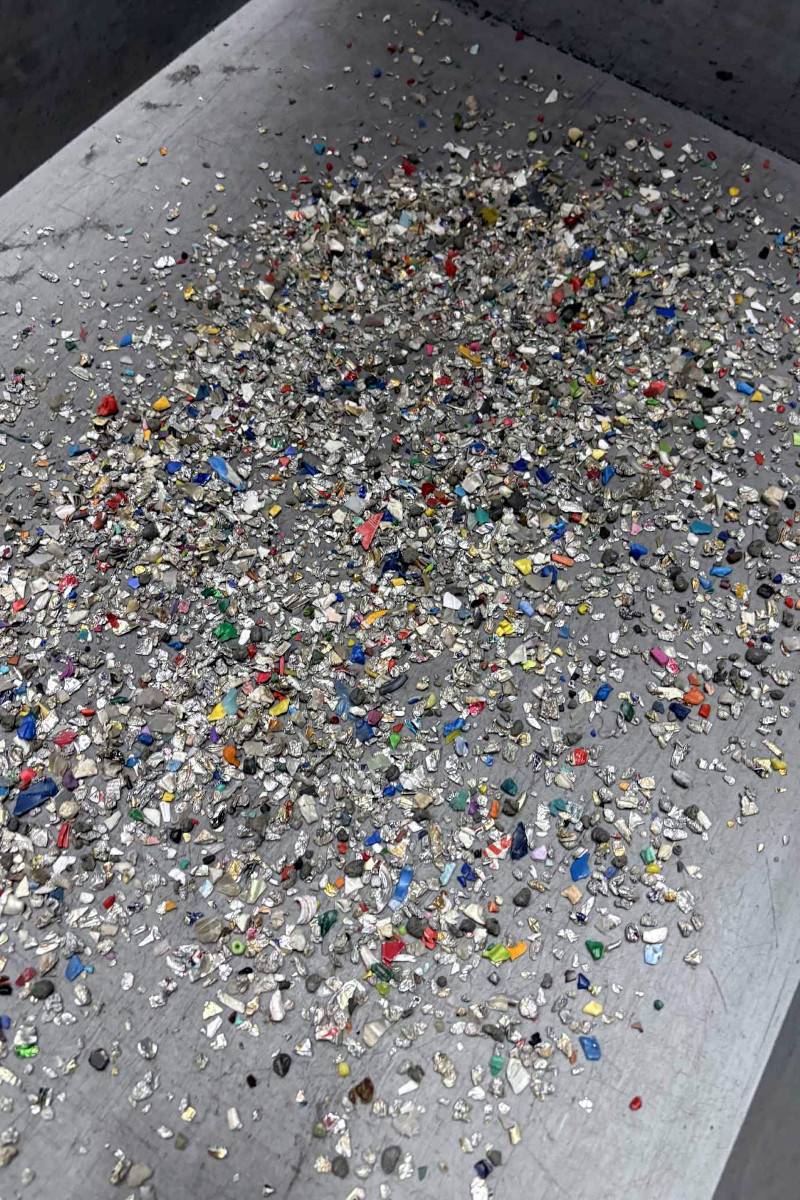
In plastics processing today, it’s no longer just about volume. Purity is what matters. That was exactly the customer’s requirement during material separation testing – to obtain the cleanest possible plastic, ready for further use.
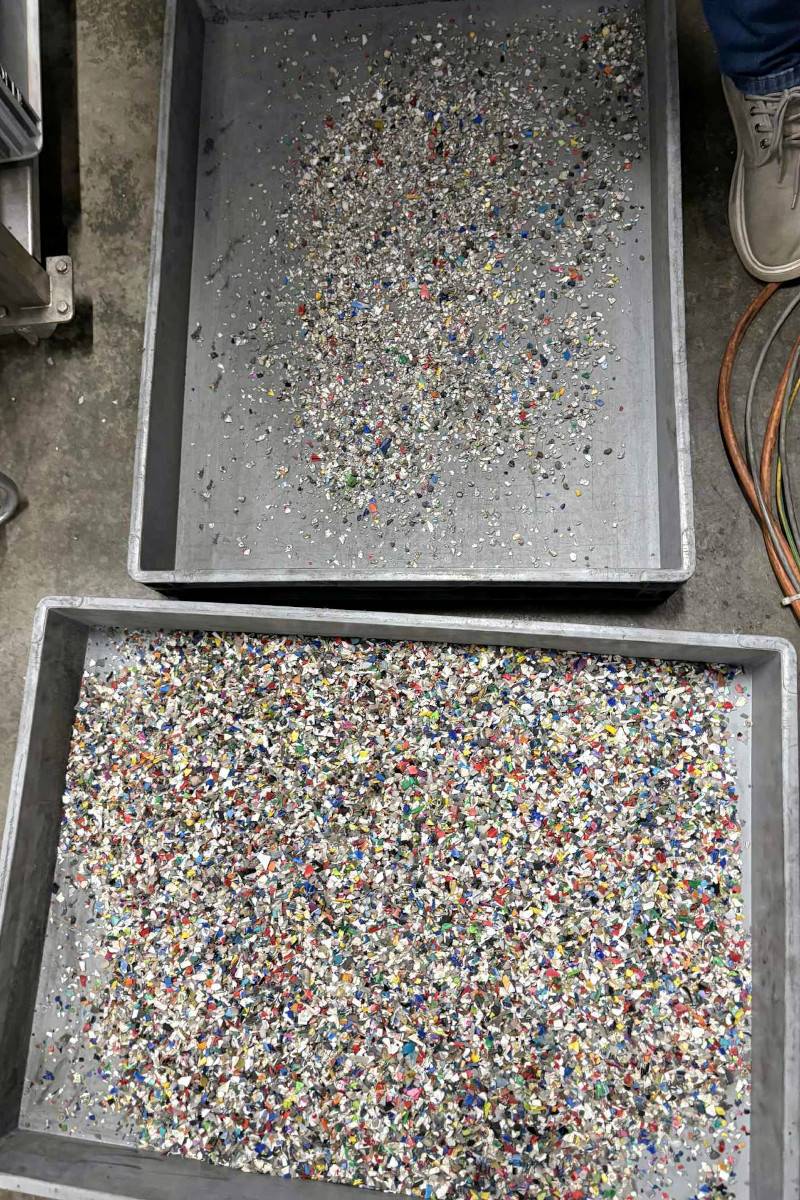
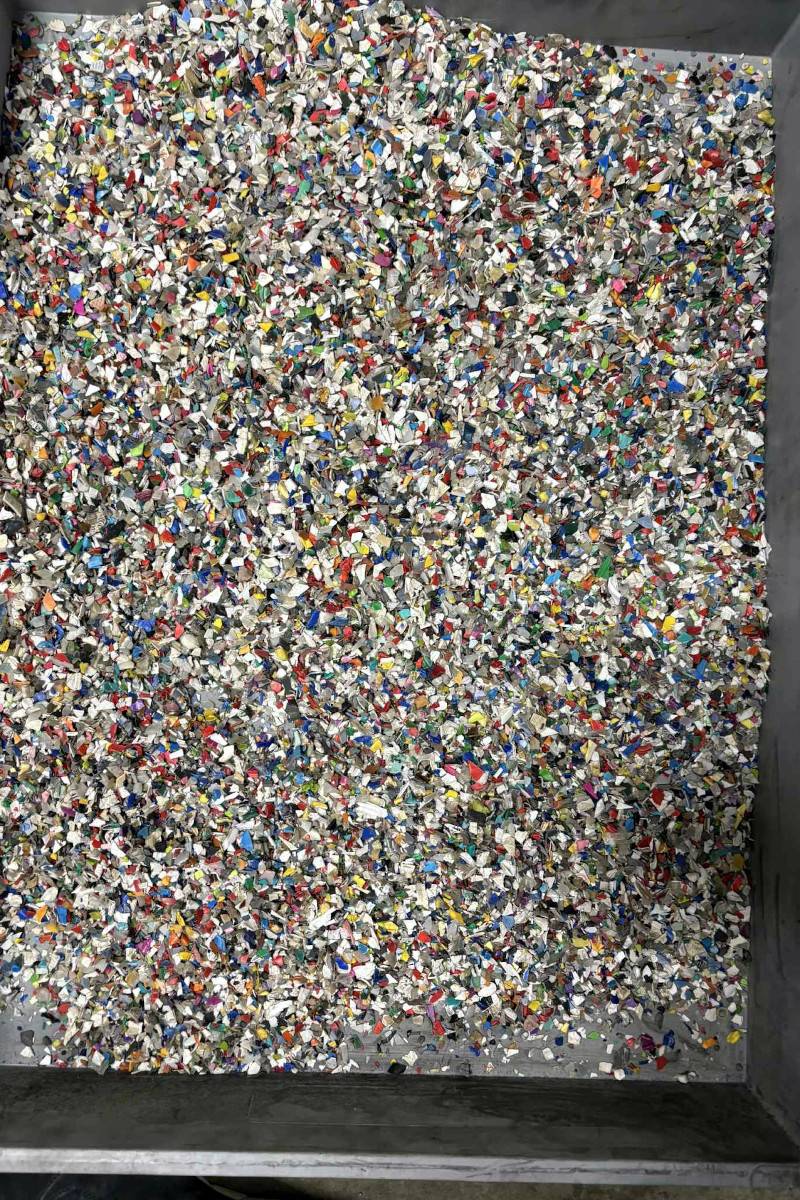
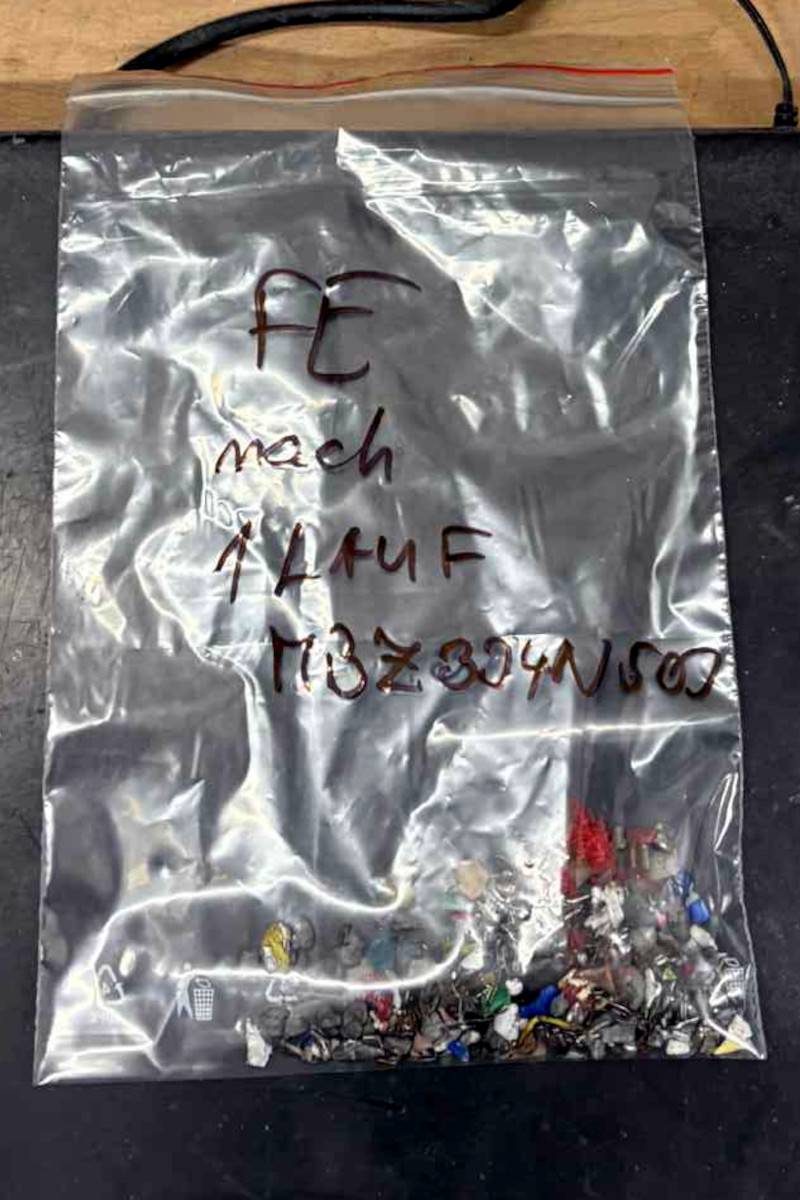
The tested material consisted of hardened plastic with a fraction of approximately 5–8 mm, contaminated with metallic impurities, specifically iron (Fe) and non-ferrous metals. The only way to achieve a truly high-quality result was a combination of two separation technologies.
First step: removing iron on the MBZ 304 N 500 magnetic drum
Before the actual separation of non-ferrous metals, the material was pre-cleaned on the MBZ 304 N 500 magnetic drum. This step is crucial – the ECS separator needs material free of ferromagnetic particles in order to operate at maximum efficiency.
Magnetic drum:
- reliably removed all ferrous impurities,
- ensured a consistent material flow,
- prepared the plastic for final separation.
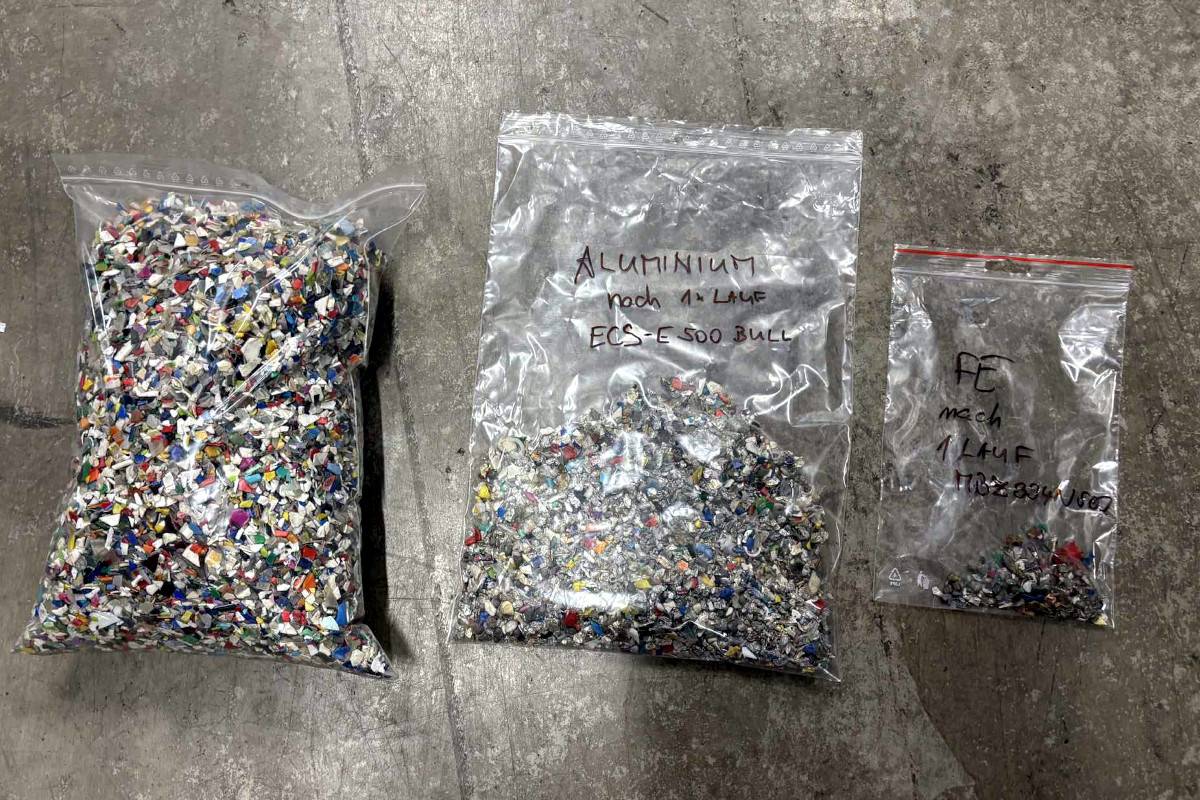
The result was material without Fe, but still containing non-ferrous metals, which a magnet cannot remove.
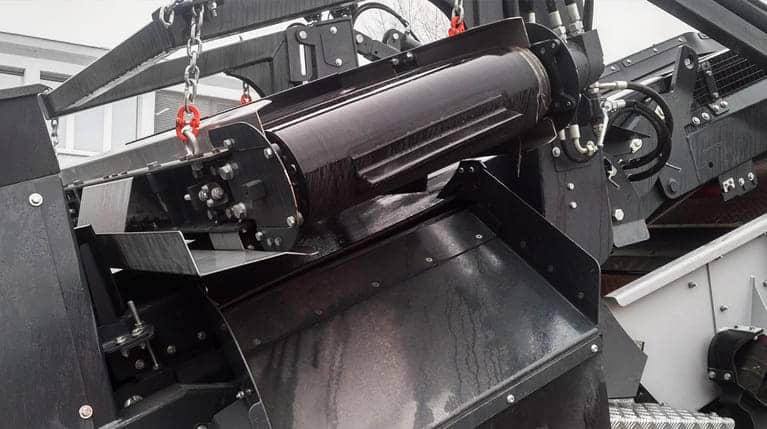
Second step: ECS-E 500 BULL eddy current separator and non-ferrous metal separation
This prepared material was then passed once through the ECS-E 500 BULL eddy current separator. And that’s where the decisive moment came.
The ECS separator uses the eddy current principle, which:
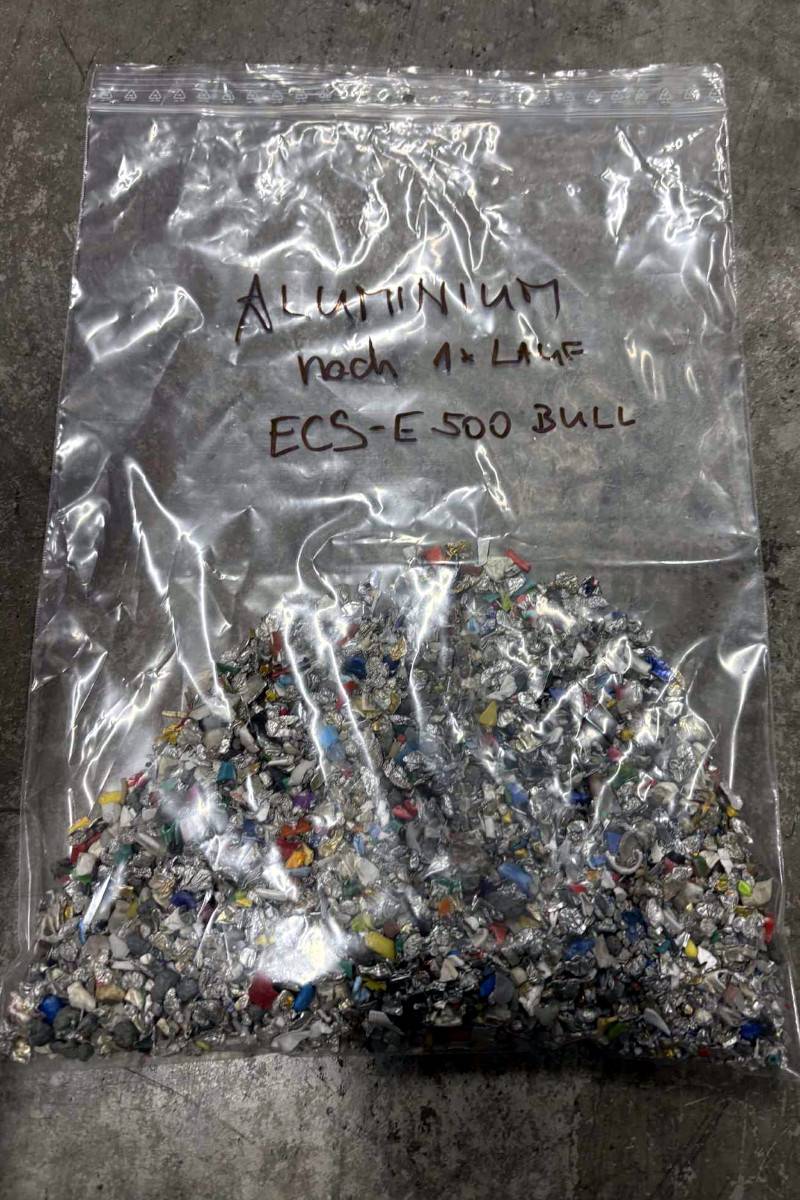
- separates non-ferrous metals (e.g., aluminum, copper),
- works without contact with the material,
- preserves the purity and structure of the plastic.
After just one pass, the results were very convincing – plastic free of metallic impurities, exactly as required by the customer.
Result: plastic that meets market requirements
After the combined separation:
- the plastic was cleared of both ferrous and non-ferrous metals,
- the resulting fraction was visually and technologically clean,
- the entire process ran smoothly and without complex operation.
The results proved ideal and met the customer’s expectations, whose main goal was clean plastic ready for further processing or sale.
Why the MBZ + ECS-E BULL combination makes sense
- the MBZ magnetic drum removes Fe impurities
- ECS-E BULL separates non-ferrous metals
- two steps = maximum material purity
- an ideal solution for plastics, flakes, regranulates, and recycled materials
Today, this combination is a standard wherever output quality is critical.
Conclusion
This case study clearly shows that the eddy current separator ECS-E BULL is not a standalone solution, but a key element of the entire separation chain.
Combined with the MBZ 304 N 500 magnetic drum, it creates a system that can turn problematic material into clean, marketable plastic.
When a customer requires purity, combining magnetic and eddy current separation is the right path.
Equipment used:
- Eddy current separator ECS–E 500 BULL
- Enclosed magnetic drum MBZ 304 N 500