Our company is a specialist in field of magnetic separation
We develop, produce and apply devices for magnetic separation. Our magnetic separators are designed and manufactured exactly in a made-to-measure way as per your needs.
APPLICATION FIELD – ENERGY AND HEATING INDUSTRY
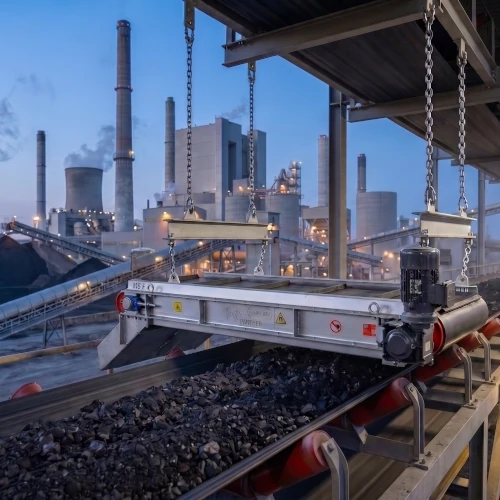
The energy and heating industry is currently undergoing a fundamental fuel transformation – from coal to biomass, solid recovered fuels (SRF/RDF) and energy recovery from waste (waste-to-energy). All these fuels have one thing in common: they travel in large tonnages along fast conveyor belts, pass through crushers, mills and feeders, and contain unwanted metal objects – so-called tramp metal: nails, screws, wires, pieces of steel from handling and fragments of tools.
Metal contamination damages expensive equipment, causes unplanned downtime and reduces fuel quality. SOLLAU s.r.o. is a Czech manufacturer of magnetic separation technology that designs and produces tailor-made equipment for this sector – from capturing coarse tramp metal on fast belts to recovering both ferrous and non-ferrous metals from incinerator bottom ash. All production takes place in the Czech Republic.
Did you know…? Bottom ash from energy recovery from waste contains 8.5–10.3 % ferrous scrap and 1.6–2.2 % non-ferrous metals – a modern separation line can sort up to 80 kg of iron and 25 kg of non-ferrous metals from a single tonne of bottom ash. What used to end up in landfill turns into a secondary raw material.
WHY ARE MAGNETIC SEPARATORS AND METAL DETECTORS USED IN THE ENERGY AND HEATING INDUSTRY?
Fuels never arrive clean. Forest wood chips carry nails from crushed pallets, coal brings rail spikes and tools from the mine, and waste practically anything. Magnetic separation continuously removes these impurities before they reach critical machines – and at incinerators it additionally turns waste metals into revenue.
Equipment protection
Metal objects damage crushers, hammer and ball mills, pelletising dies, screw and chain (redler) conveyors and boiler feeders. In coal mills, tramp iron repeatedly strikes the grinding rollers and the mill body – large pieces can break the segments of the grinding ring and put the mill out of operation. The equation applies: metal in the mill = damaged bearings, an idle mill and production losses.
Fuel quality and calorific value
Removing metals increases the purity of biomass, SRF/RDF and coal dust and reduces the metal content in the fuel. Cleaner fuel = higher and more stable calorific value, less boiler corrosion and fewer complaints from customers who carefully assess fuel quality.
Metal recycling from bottom ash and operational safety
After waste is burned, a significant share of both ferrous and non-ferrous metals remains in the bottom ash – a valuable source of secondary raw materials and a saving on landfill costs. Moreover, the dusty environment of biomass and coal dust creates an explosive atmosphere: that is why we supply magnetic separators with an ATEX certificate up to zone 20.
Introducing magnetic separation into energy and heating plants protects crushers, mills, feeders and boilers, increases both fuel purity and calorific value, and turns metals from bottom ash into a secondary raw material. This has a positive impact on the profitability and efficiency of production.
SOLLAU Manufacturer of magnetic separators for the energy and heating industry
We are the manufacturers of these separators. We produce them in our plant in the Czech Republic, which is why we can guarantee the highest quality and are able to adapt them to your requirements.
WHERE IN THE ENERGY AND HEATING INDUSTRY WILL YOU FIND OUR MAGNETIC SEPARATORS?
Biomass combustion – wood chips, sawdust, straw and pellets
Biomass from forest logging, handling and especially from crushed pallets and recycled wood contains nails, screws, wires, stones and sand. Before it reaches the boiler, it passes through a chipper, crusher, mill and a series of conveyors – and in each of them the metal admixture causes harm. Moreover, the calorific value of forest wood chips fluctuates with the season, so every loss of fuel quality counts.
The following equipment is most frequently used in the preparation and transport of biomass:
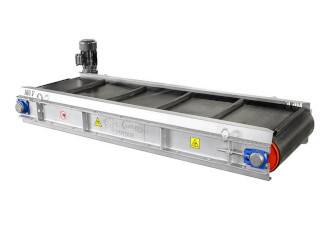
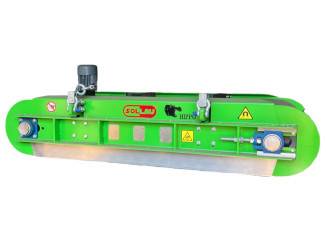
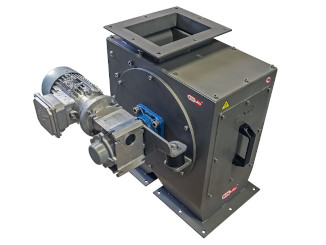
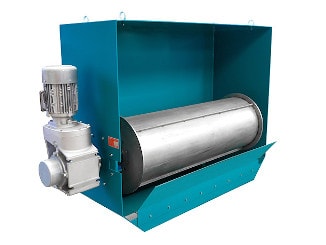
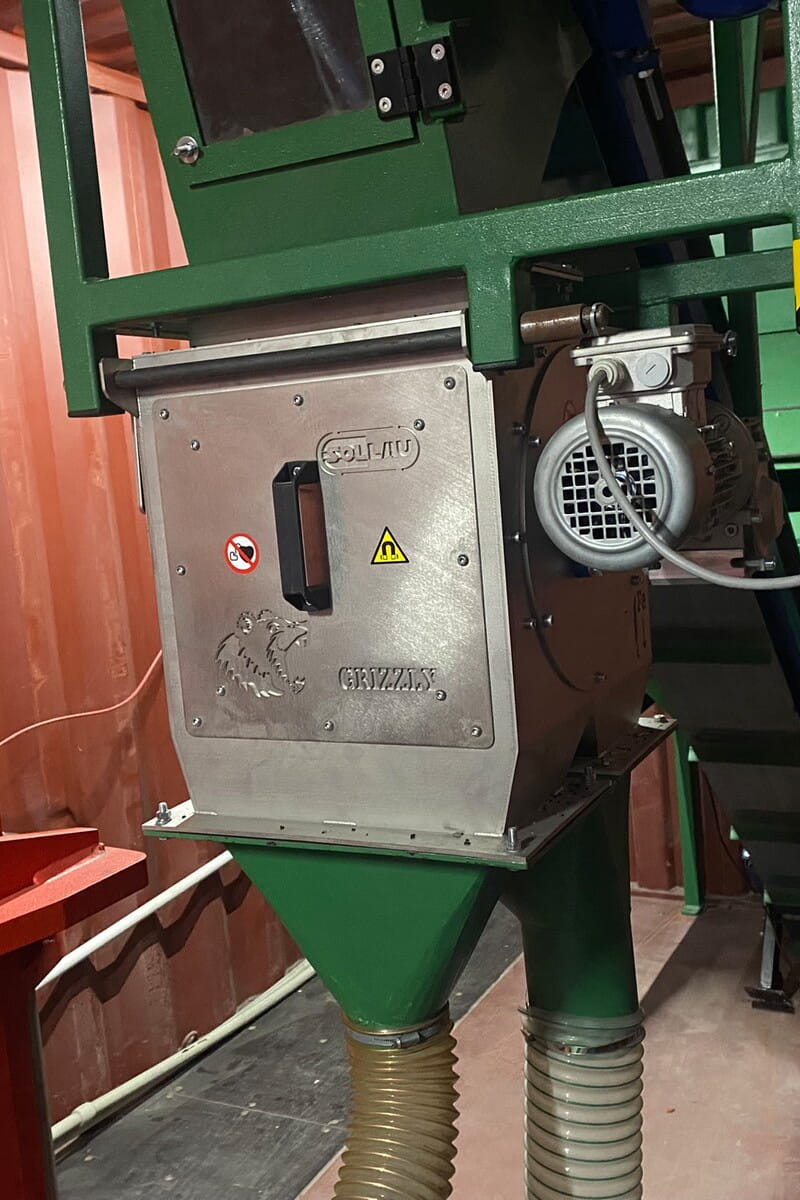
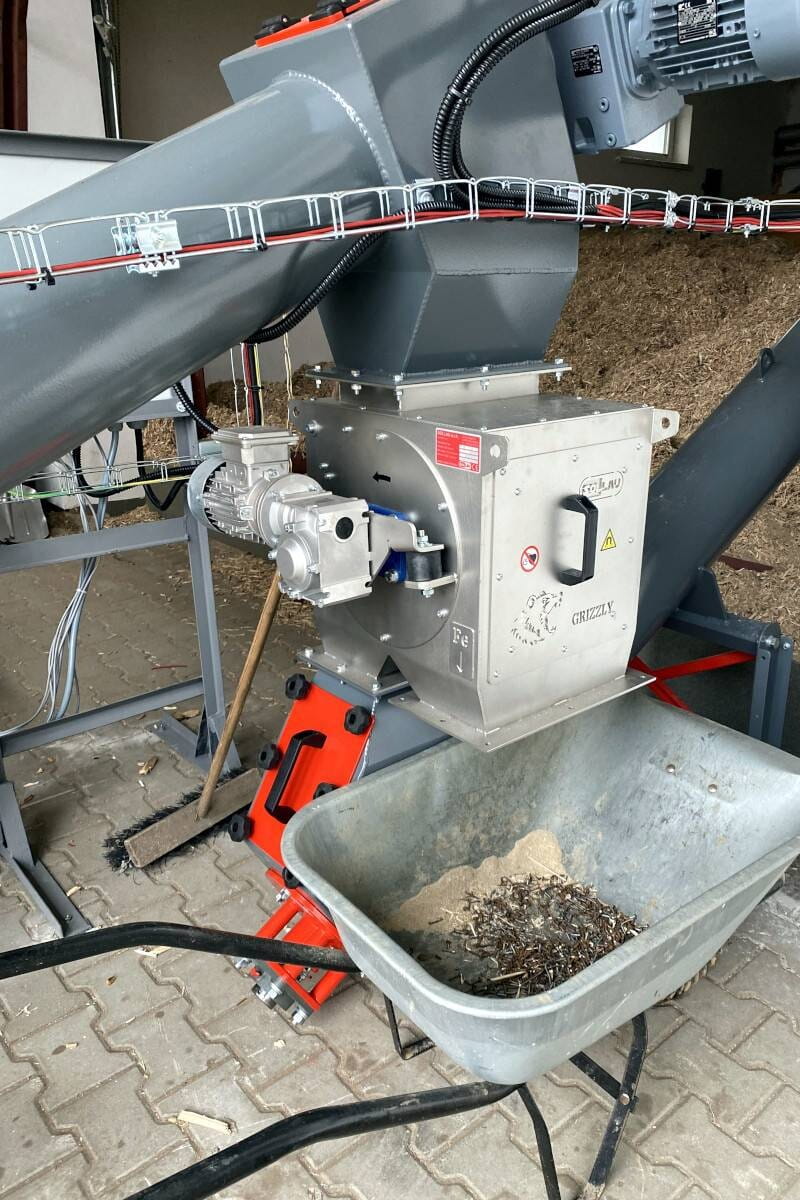
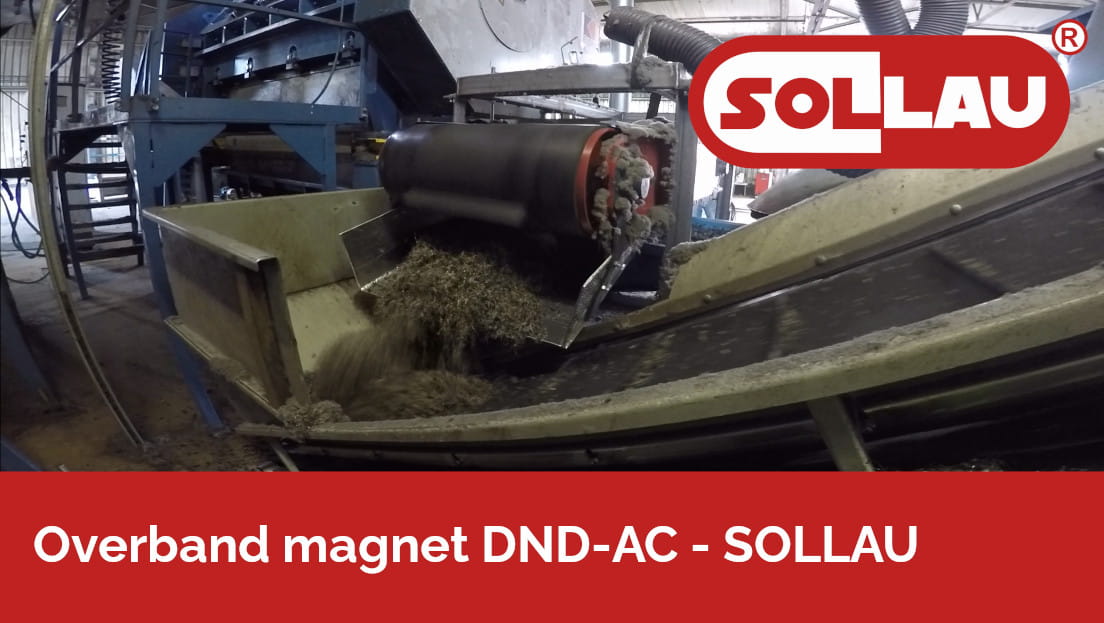
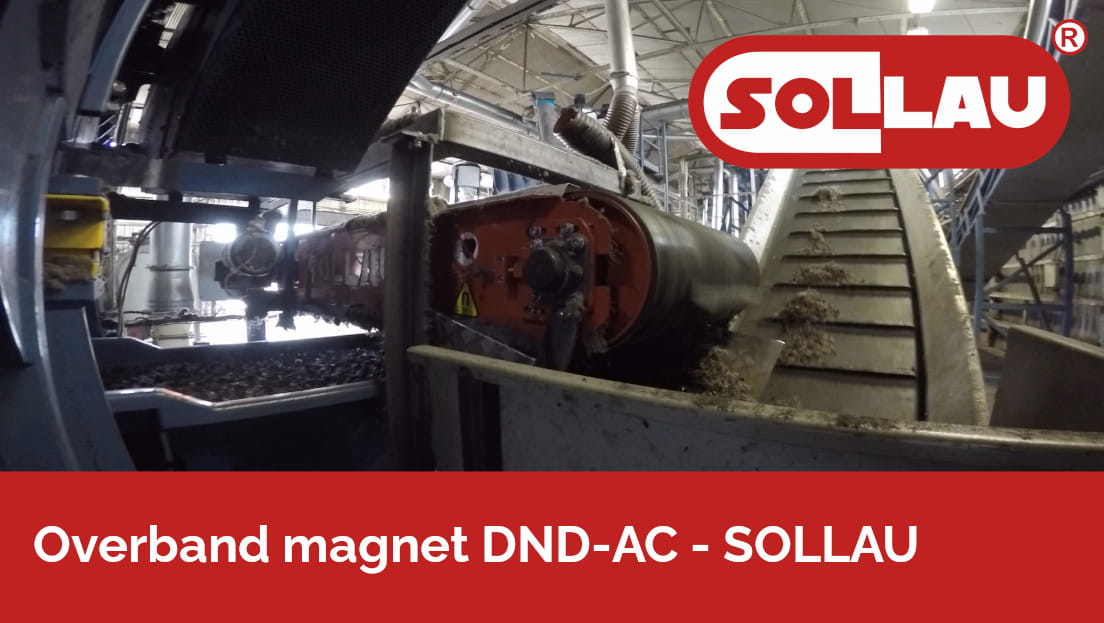
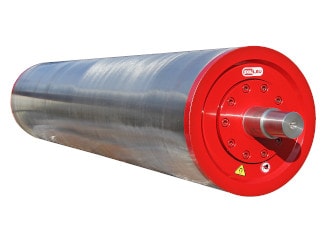
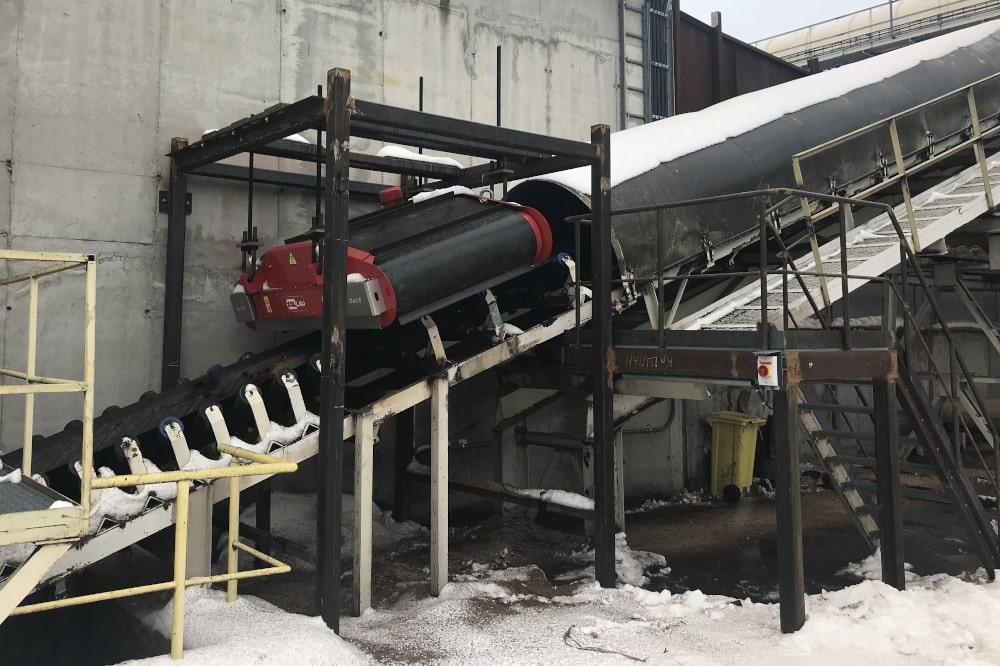
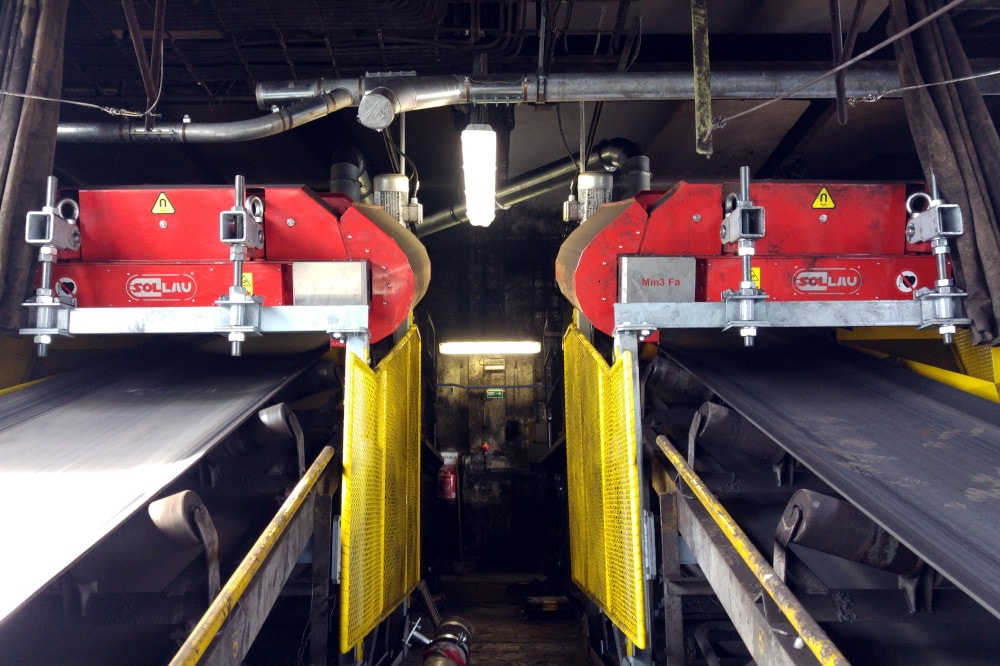
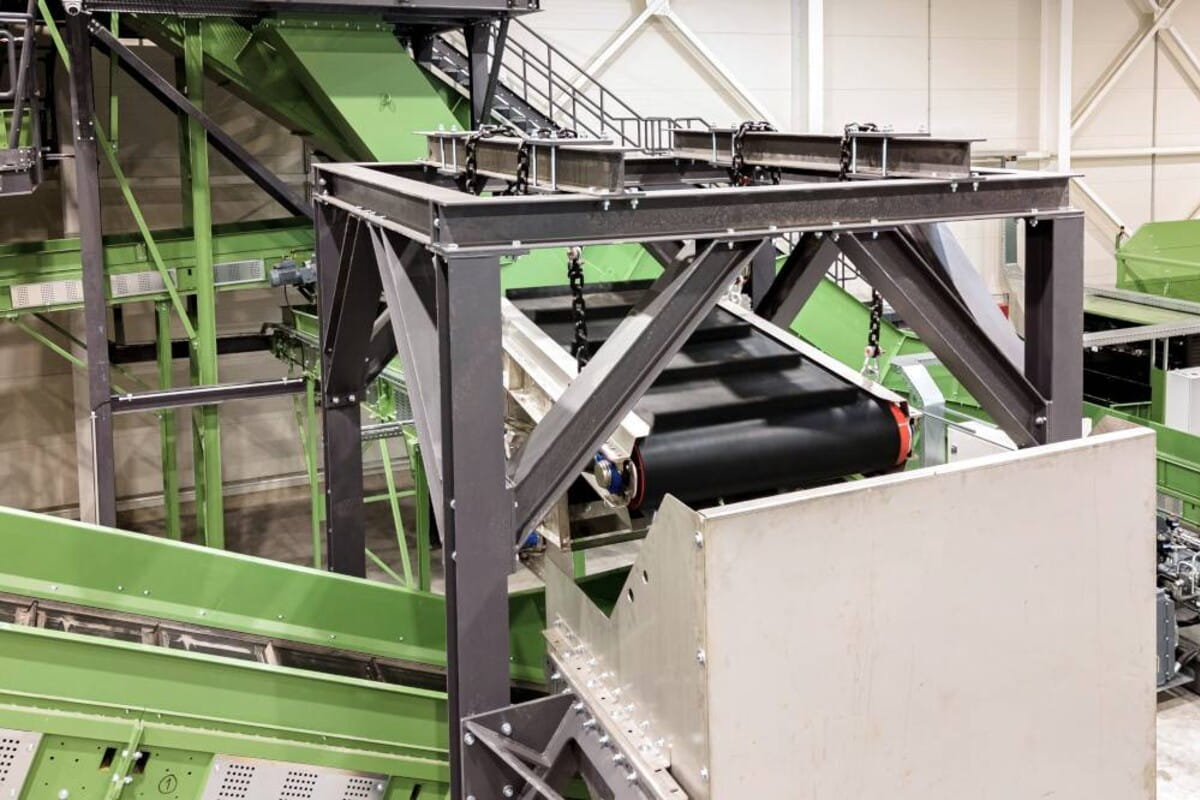
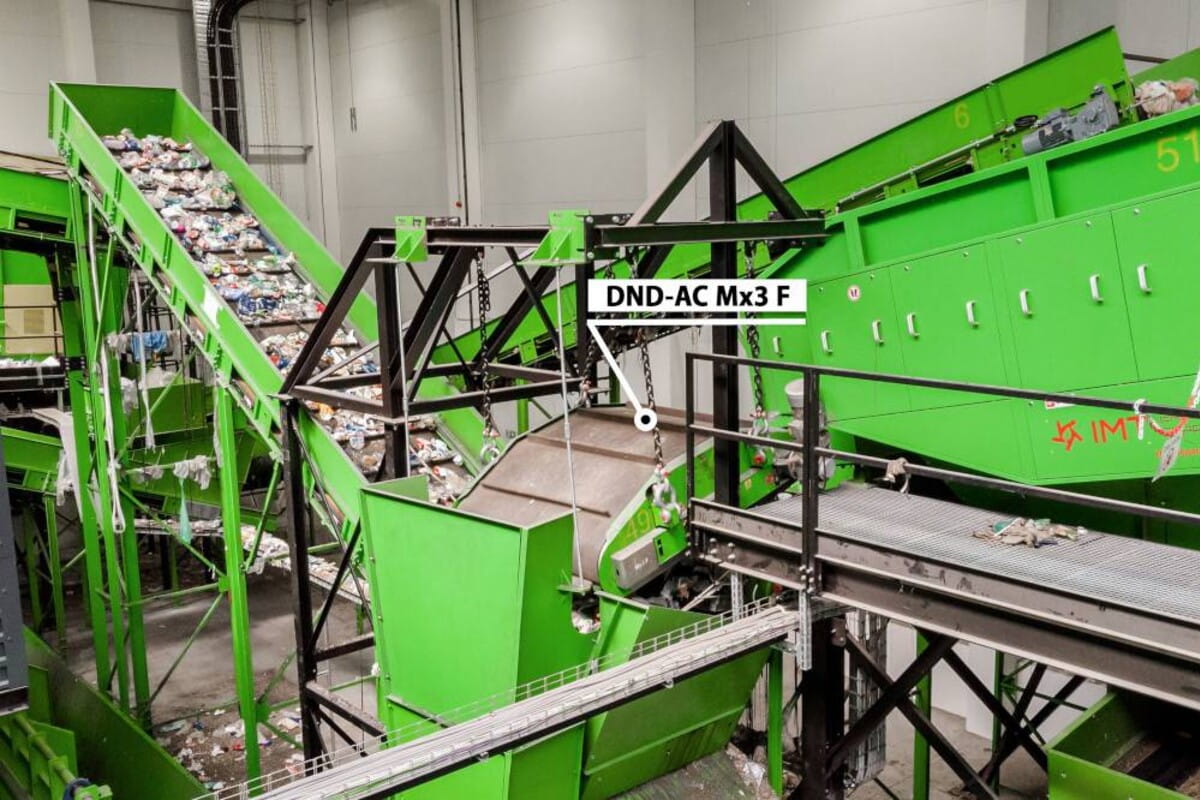
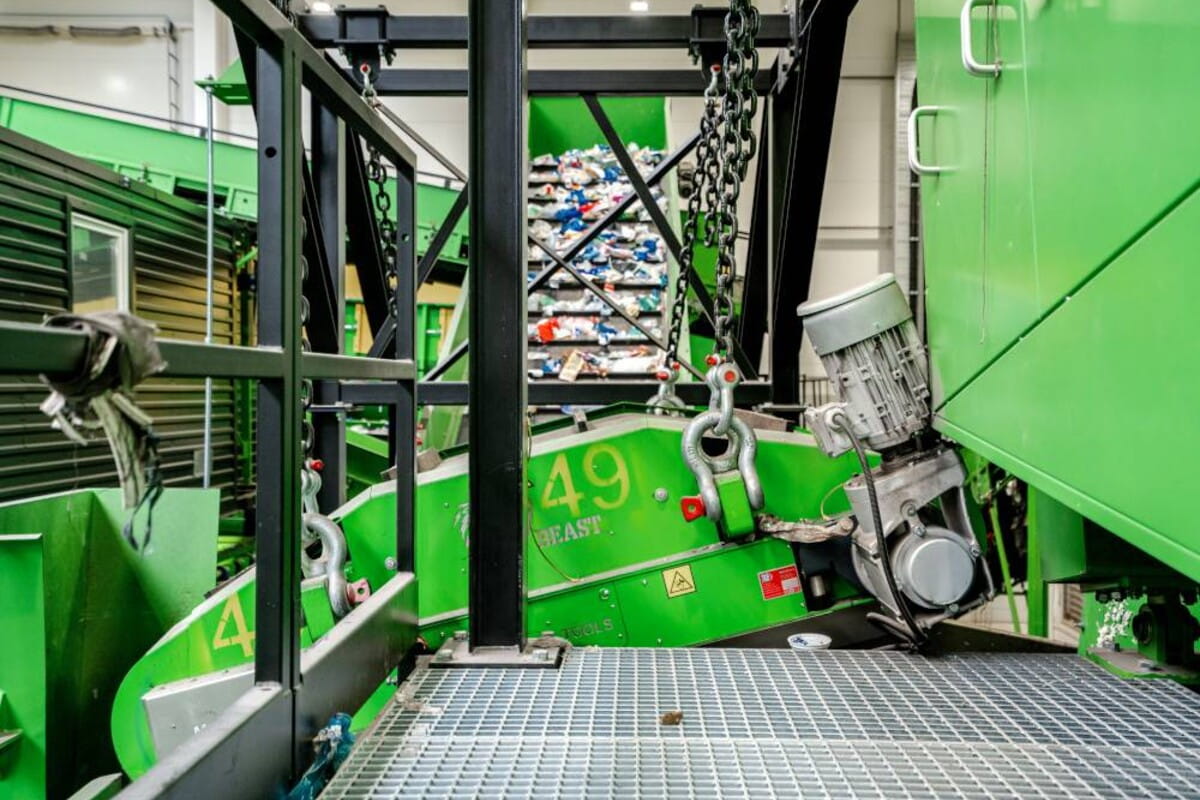
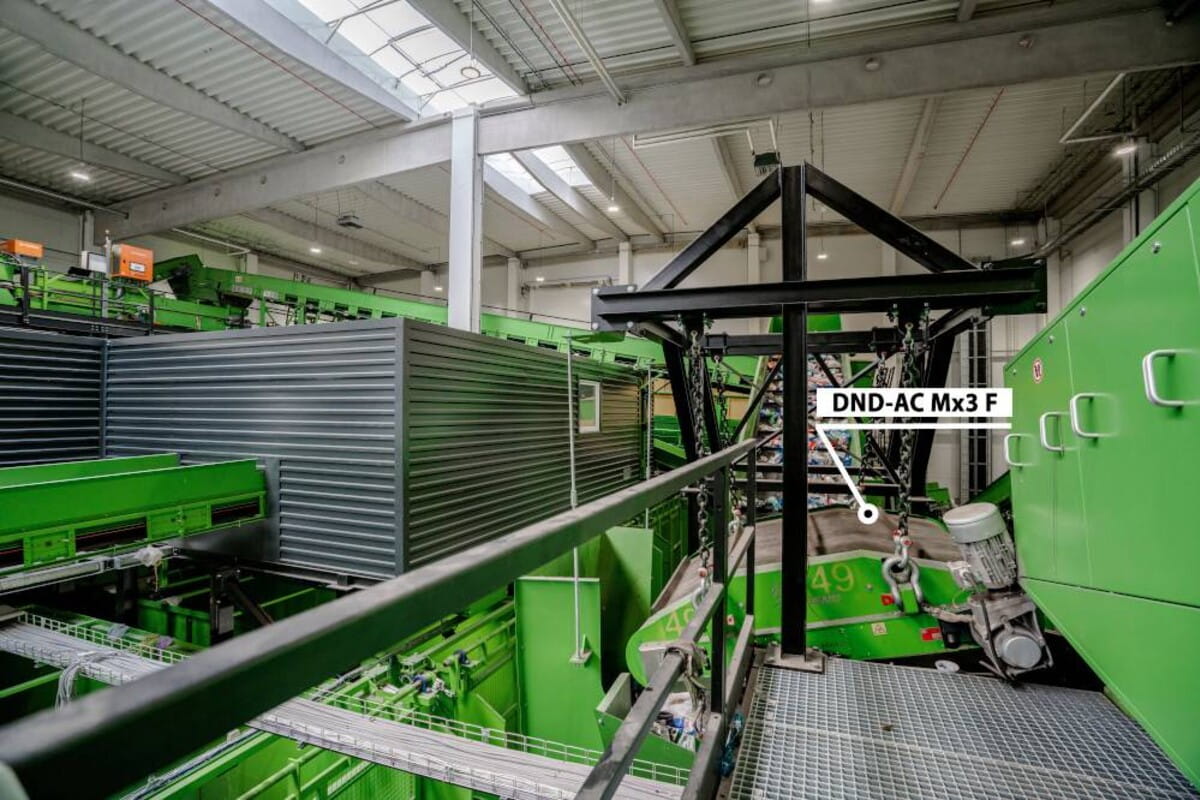
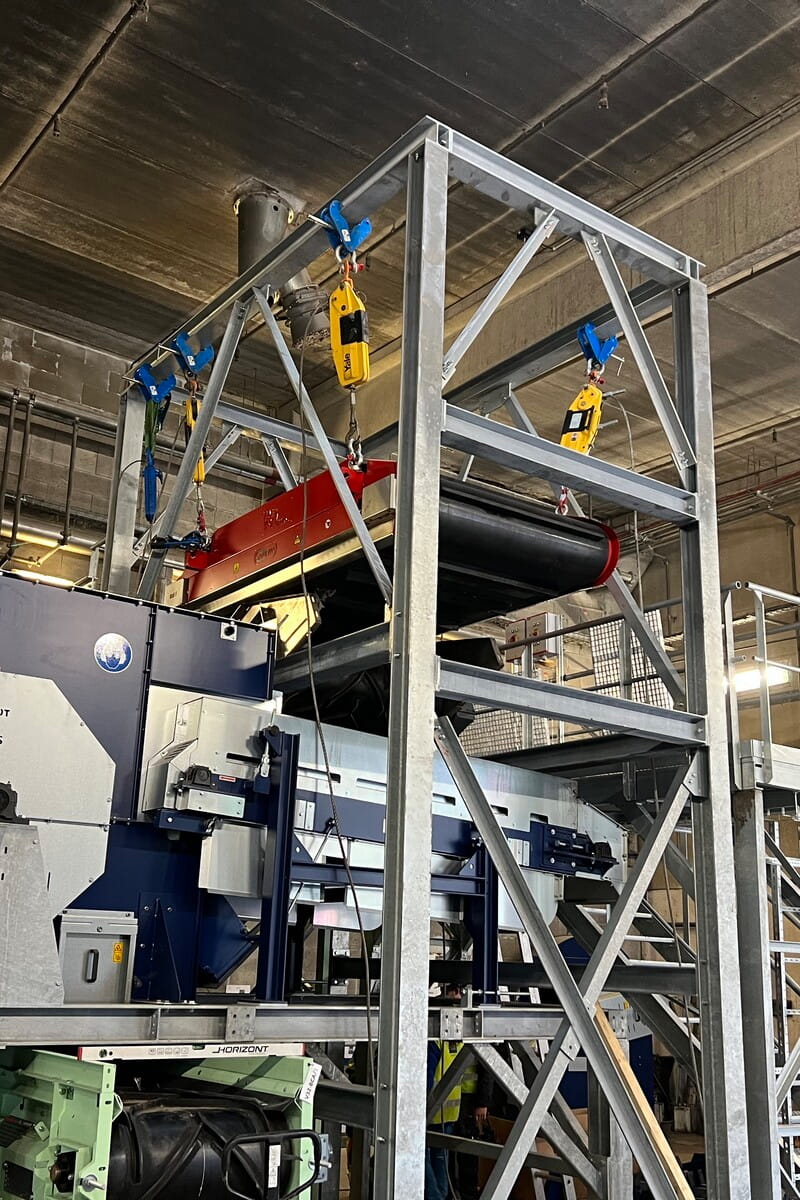
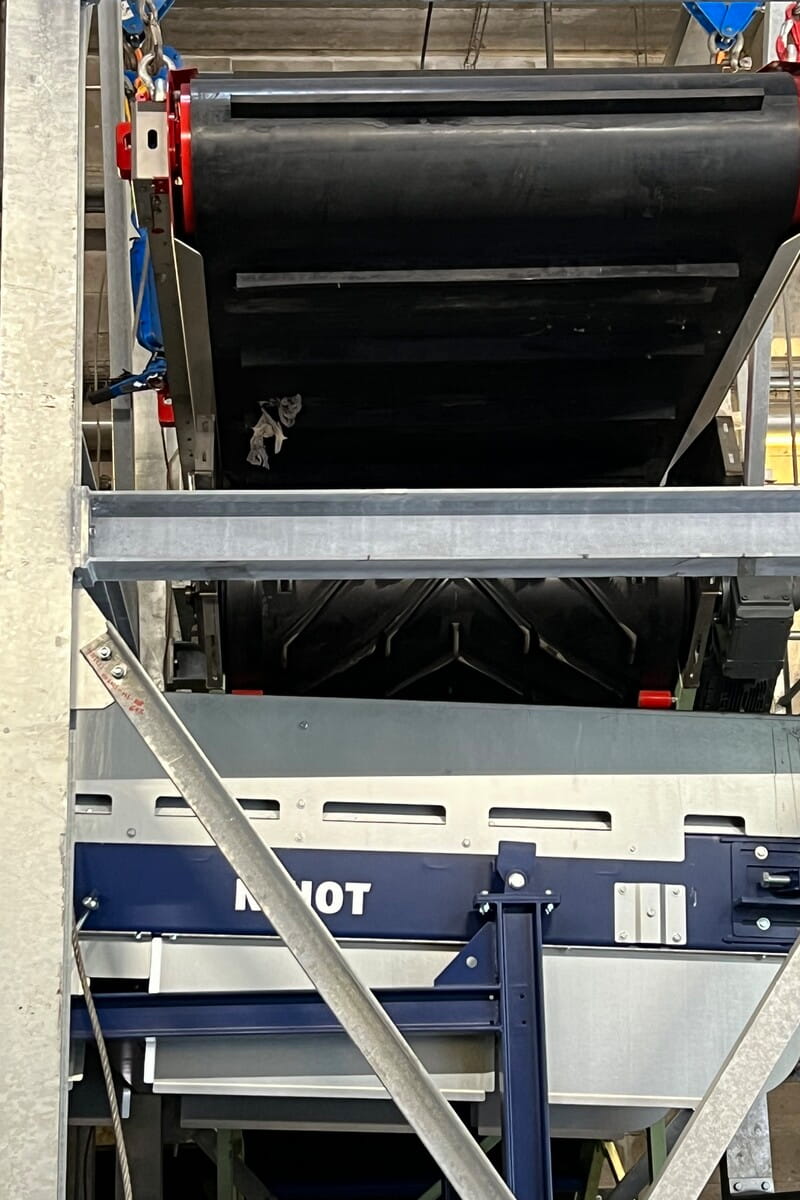
Overband plates and electromagnets are installed transversely above the biomass conveyor belt, or longitudinally above the discharge point (head pulley), where the material loosens as it falls and the magnetic field penetrates deeper – this is advantageous with hard-to-flow wood chips and thick layers on the belt. Enclosed and semi-closed drums are placed at the outlet of the crusher/chipper or into the hopper before the boiler feeder. Magnetic lanterns ML are suitable for sawdust prone to bridging, where grate magnets cannot be used.
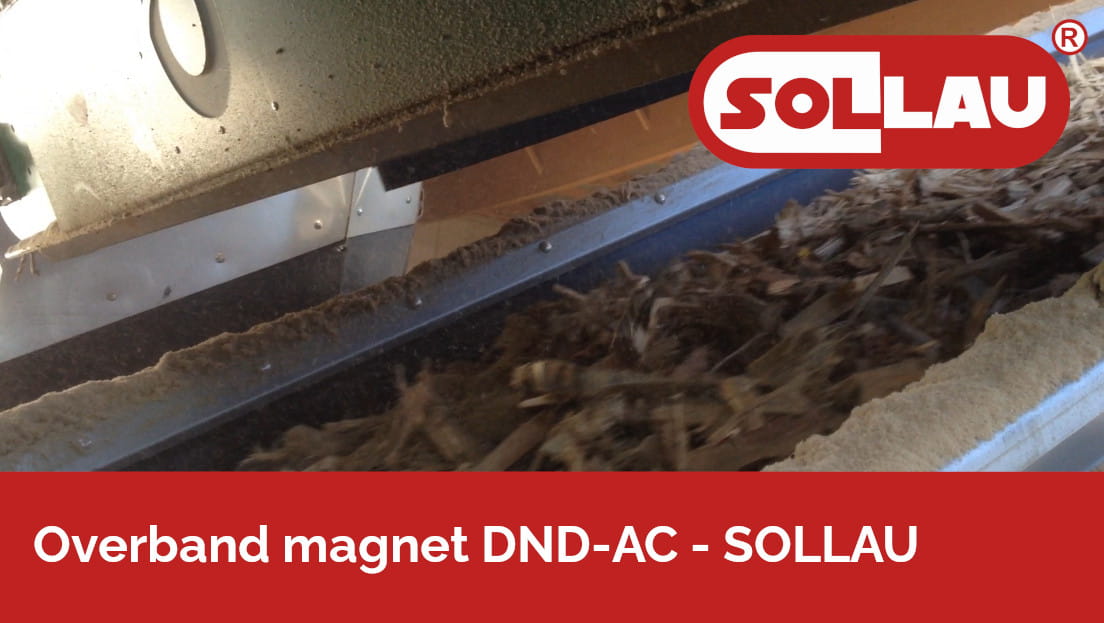
For abrasive materials, the drum shell can be made of manganese steel or with a replaceable cover shell that can be changed through an inspection opening without dismantling the whole drum. A damaged crusher = unnecessary repair costs, an idle boiler = loss of heat supply – the automatic cleaning of DND-AC plates works without interrupting the material flow and without manual operation. SOLLAU also supplies magnetic technologies to leading manufacturers of mobile crushers and screeners.
Advantages of DND-AC overband plates:
Strong field from an installation height of up to 500 mm (ferrite BEAST range), capture of Fe particles 0.5–300 mm
Automatic cleaning without interrupting the material flow, all-stainless design, no blind spots
10-year warranty
PHOTOS FROM PRACTICE
VIDEO FROM PRACTICE
Coal-fired power and heating plants – coal transport, crushing and milling
Tramp iron (rail spikes, screws, nuts, tools, steel fragments) from the mine or from transport damages coal feeders and pulverisers. Metal cannot be ground and causes extreme stress on bearings, shafts and grinding rings; a large piece can break a segment of the grinding ring and put the mill out of operation. Added to this is the dusty and explosive environment of coal dust, which requires equipment in an ATEX design.
The following equipment is most frequently used in coal transport and milling:
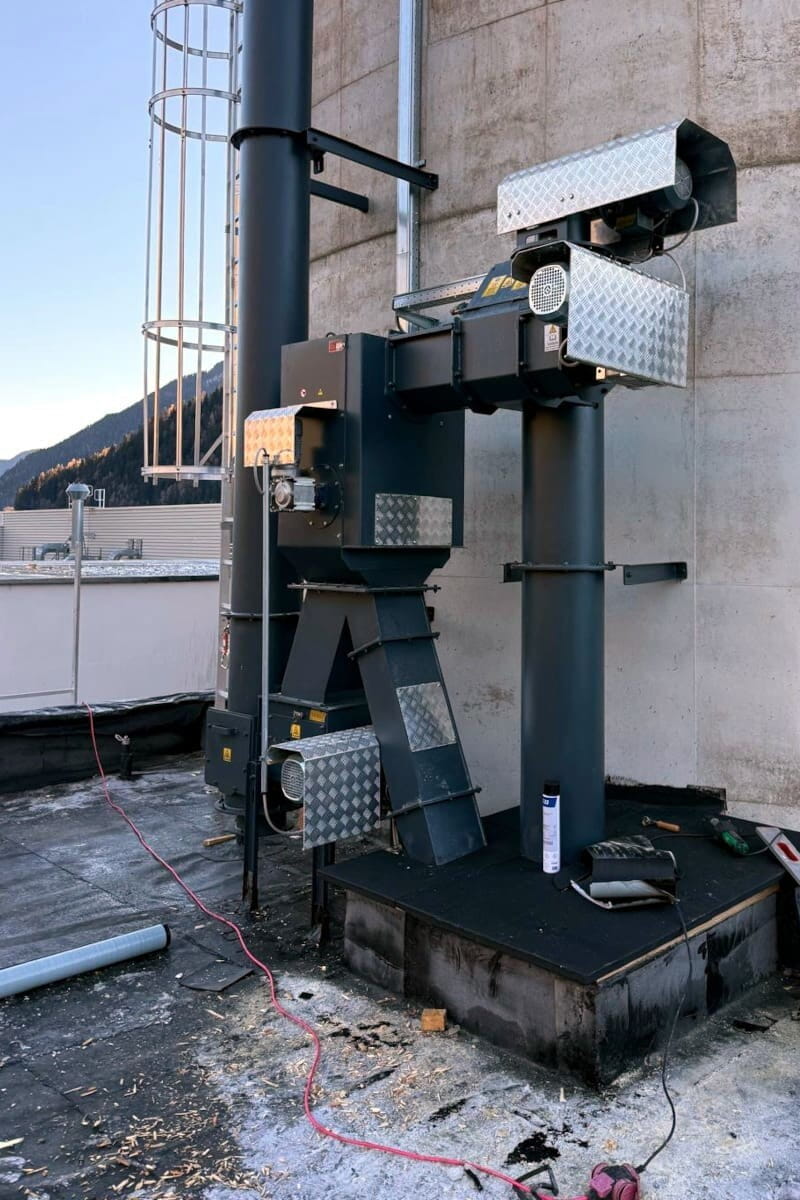
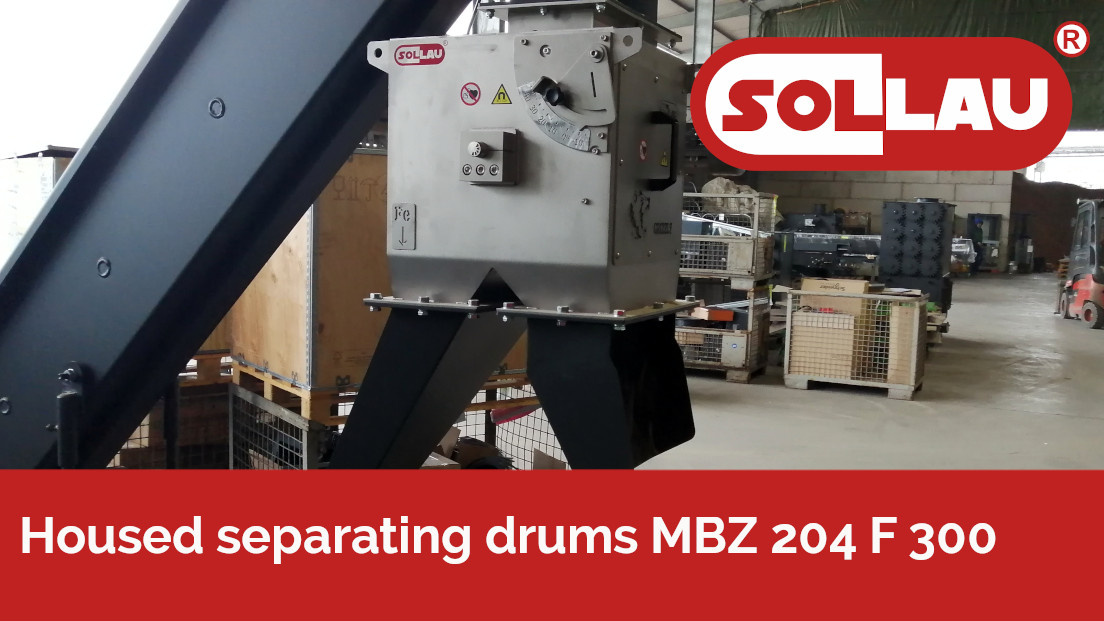
Magnets are placed above the fast reclaim and feed coal conveyors, preferably at the point of free fall above the discharge, where the coal layer opens up and the metals separate more easily. For deep layers and wide belts, the electromagnetic overband DND-AC E with an installation height of up to 600 mm is ideal; the magnetic head roller MV replaces the end (drive) pulley of the conveyor and captures metal from the bottom layers. Before the coal mill, the enclosed drum MBZ in ATEX design proves effective.
From practice: the German energy company RWE deployed an extremely strong neodymium drum MBZ 304 N 1000 certified for the most explosive zone 20 (ATEX) in a lignite power plant. We placed the drum before the coal mill – it met the strict requirements of the Mining Authority, captures ferromagnetic objects from as little as 0.5 mm and, compared to the original worn ferrite drum, significantly increased the overall capture rate and thus the protection of downstream equipment.
PHOTOS FROM PRACTICE
Energy recovery from waste (waste-to-energy / incinerators) – separation of metals from bottom ash
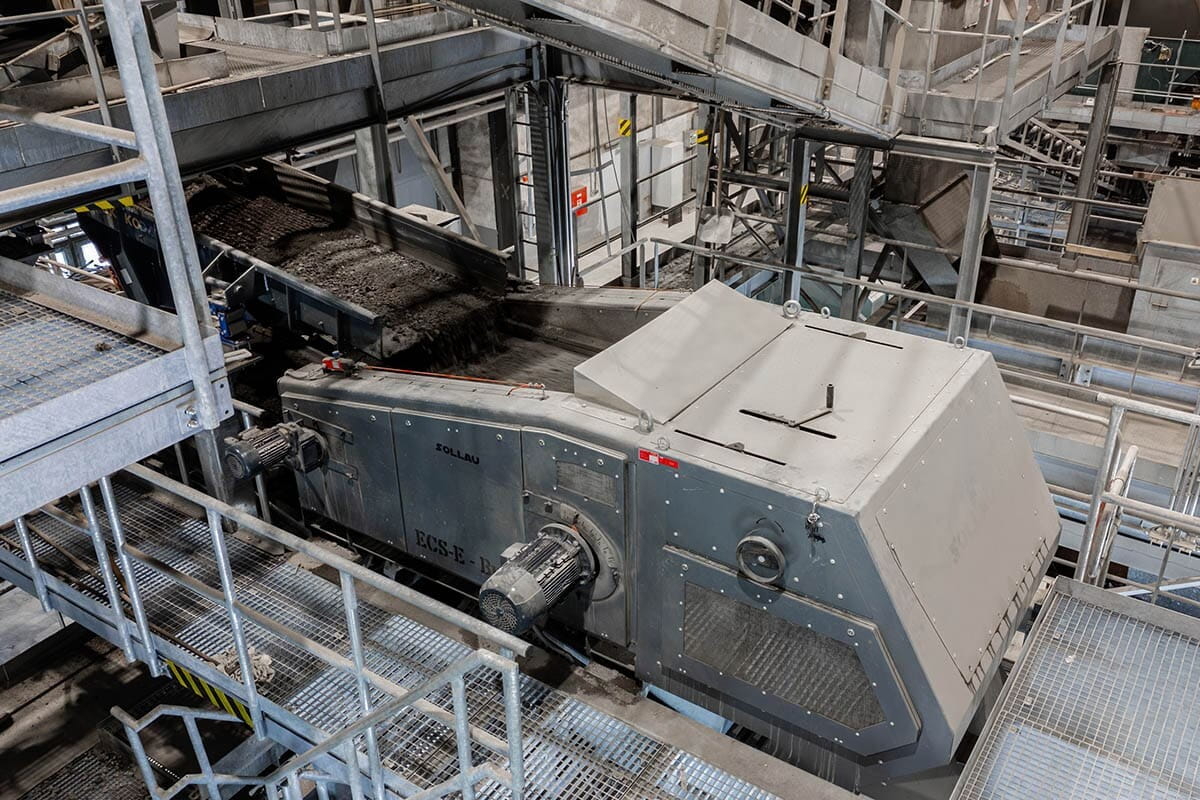
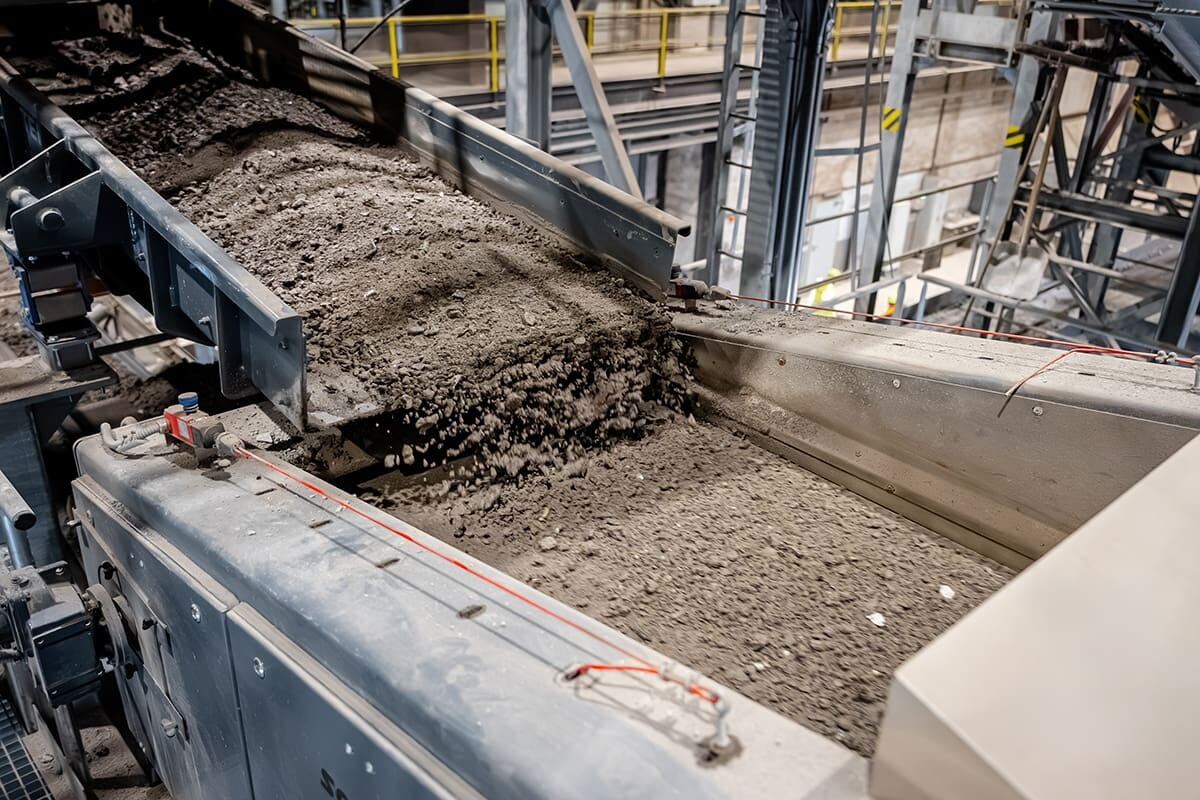
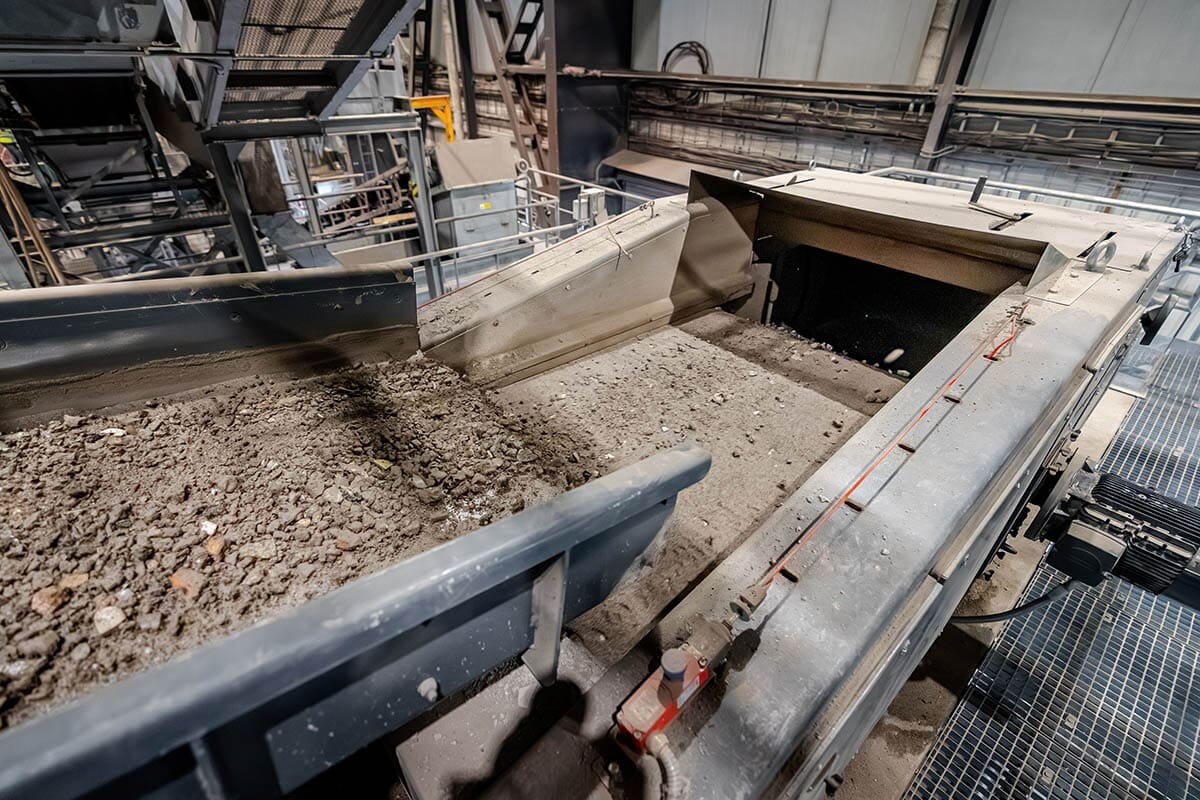
After municipal waste is burned, bottom ash remains full of both ferrous and non-ferrous metals. Sorting them out has a twofold benefit: recovery of valuable secondary raw materials and treatment of the bottom ash for construction use. The correct order is key – first iron with a magnet, only then non-ferrous metals via ECS, because iron disturbs the eddy current technology.
The following equipment is most frequently used in bottom ash processing:
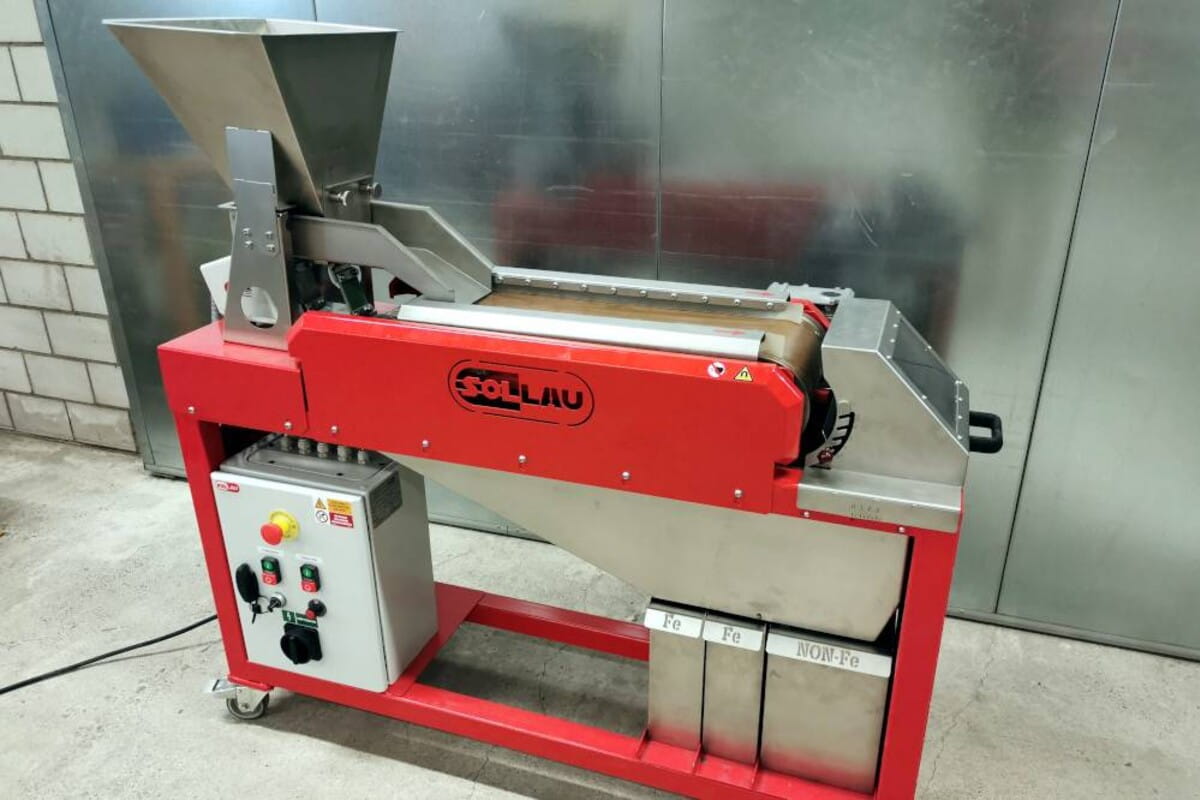
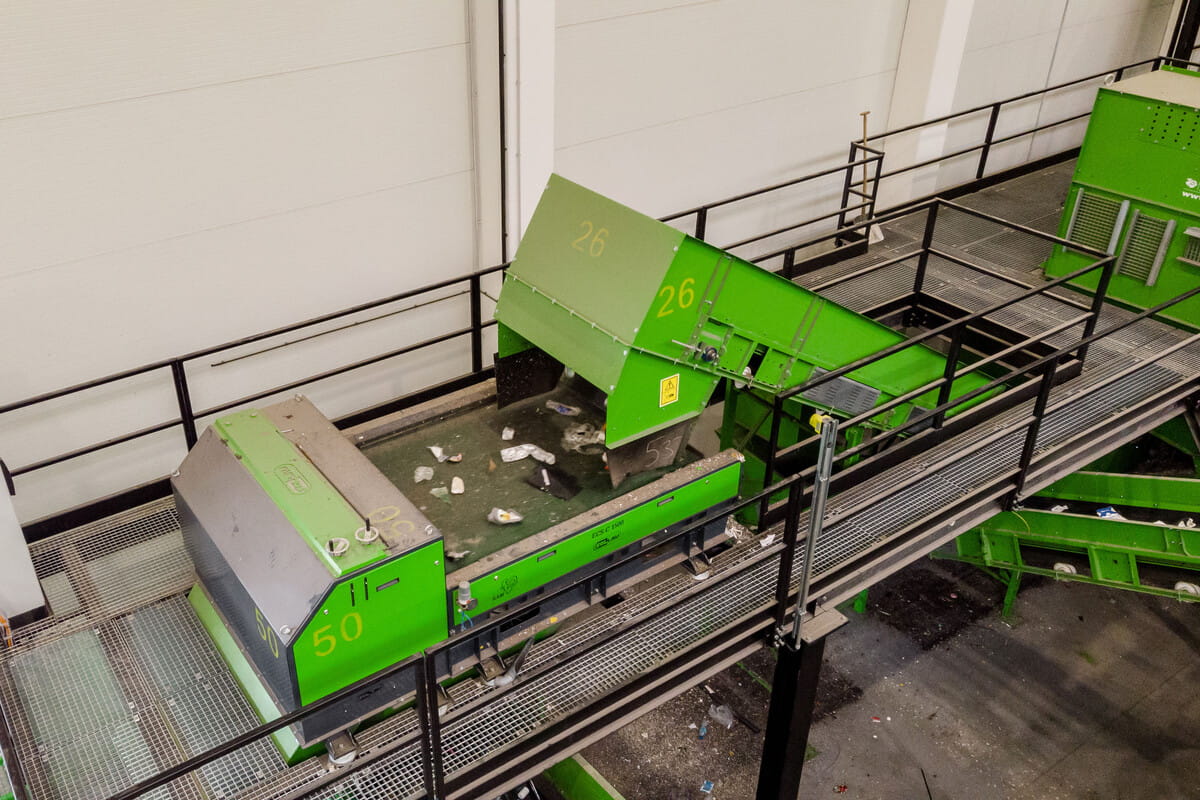
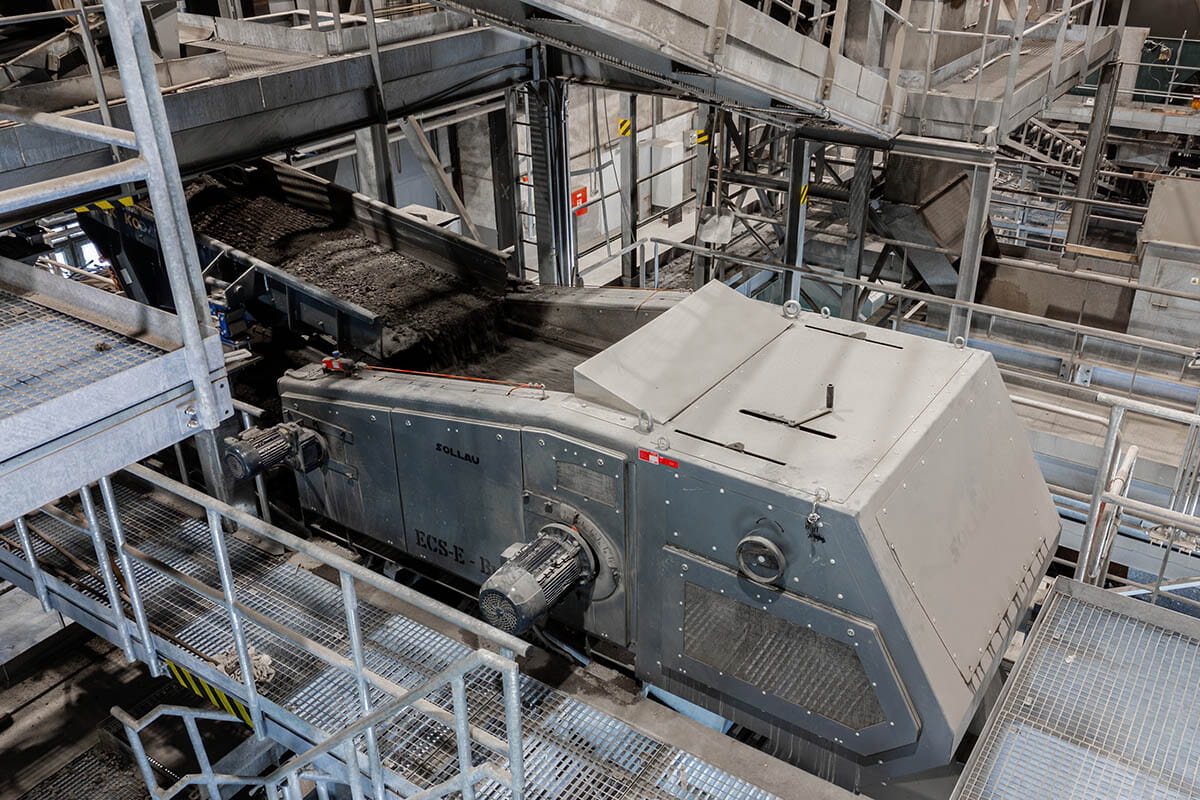
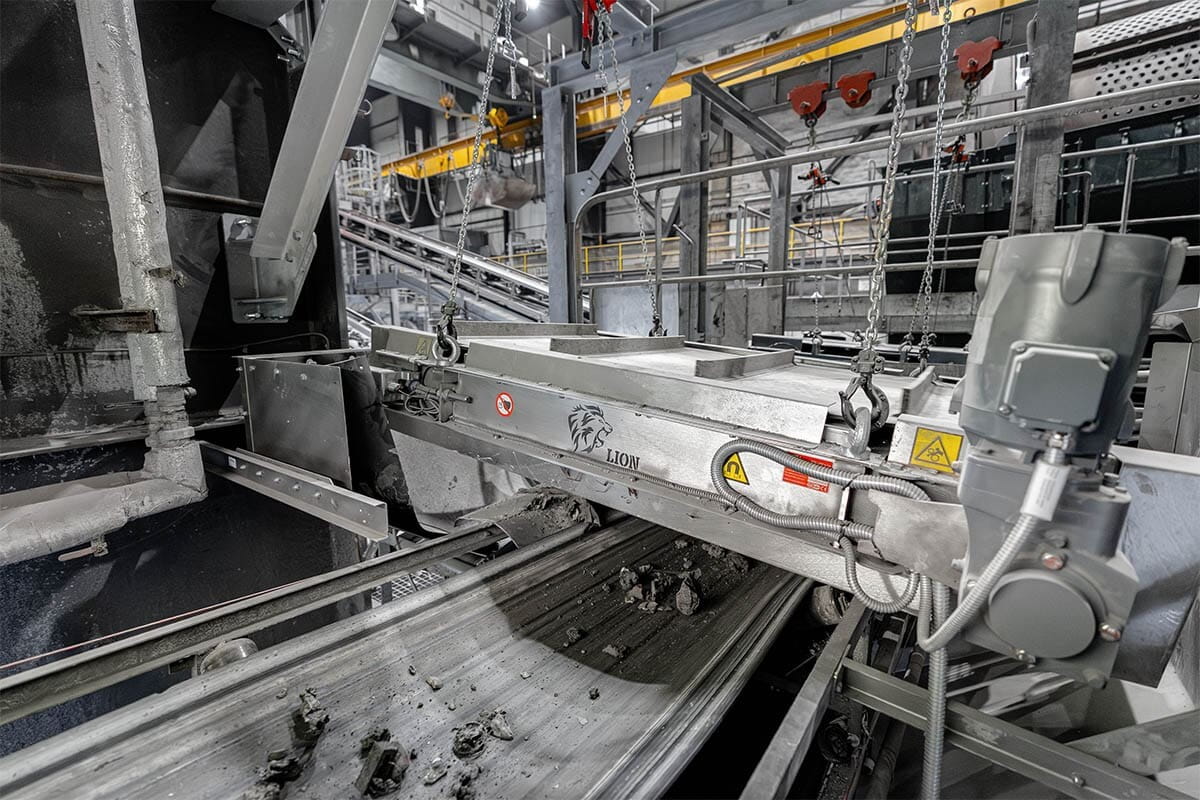
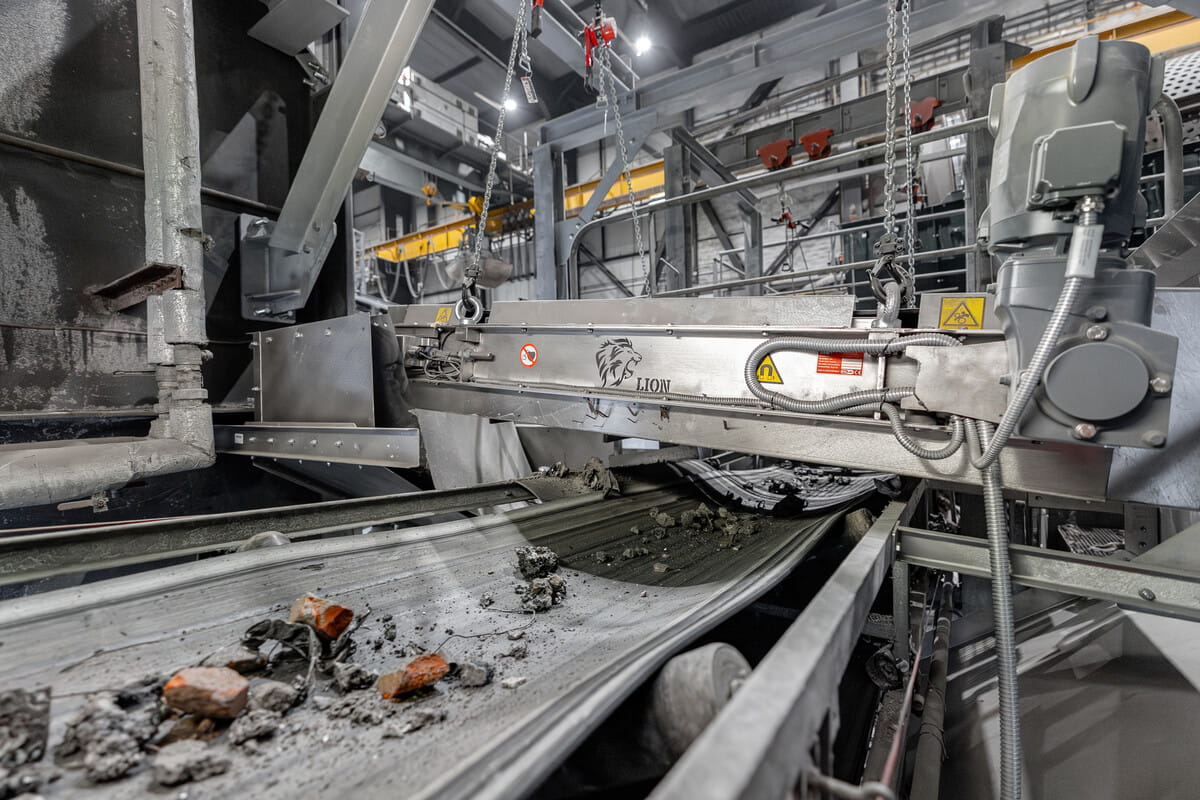
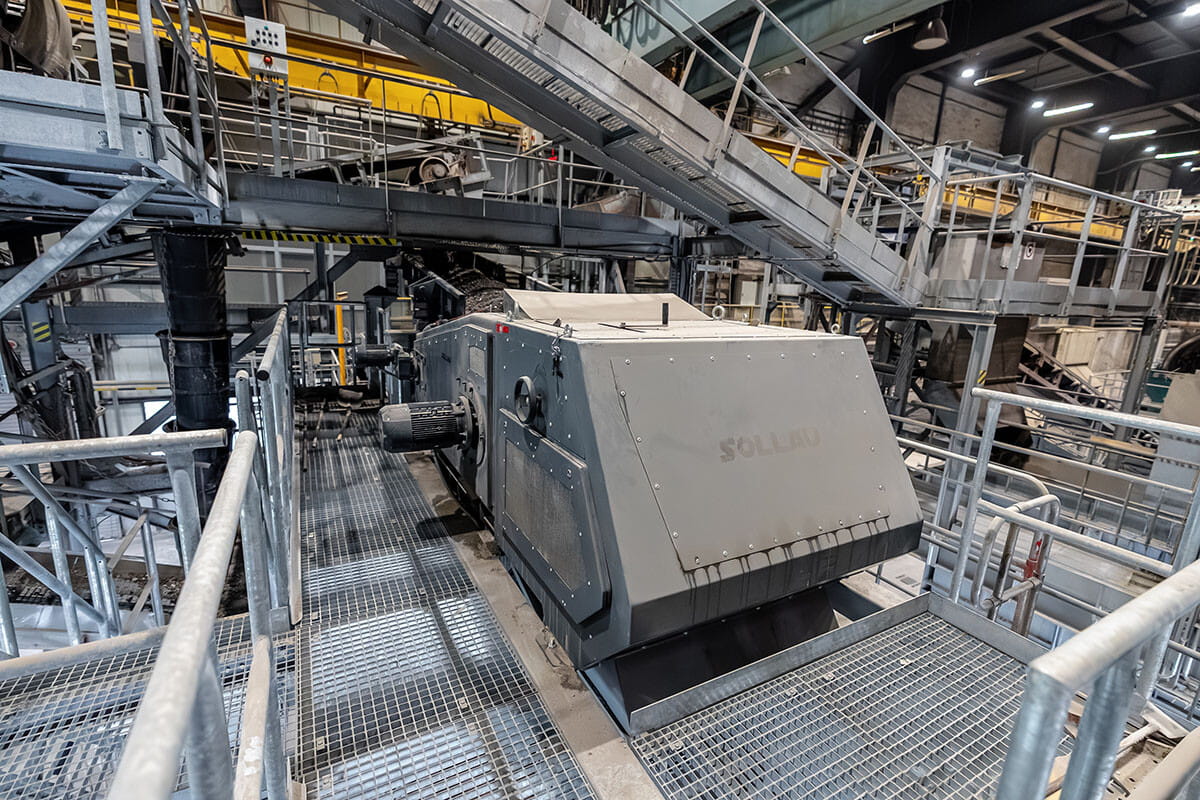
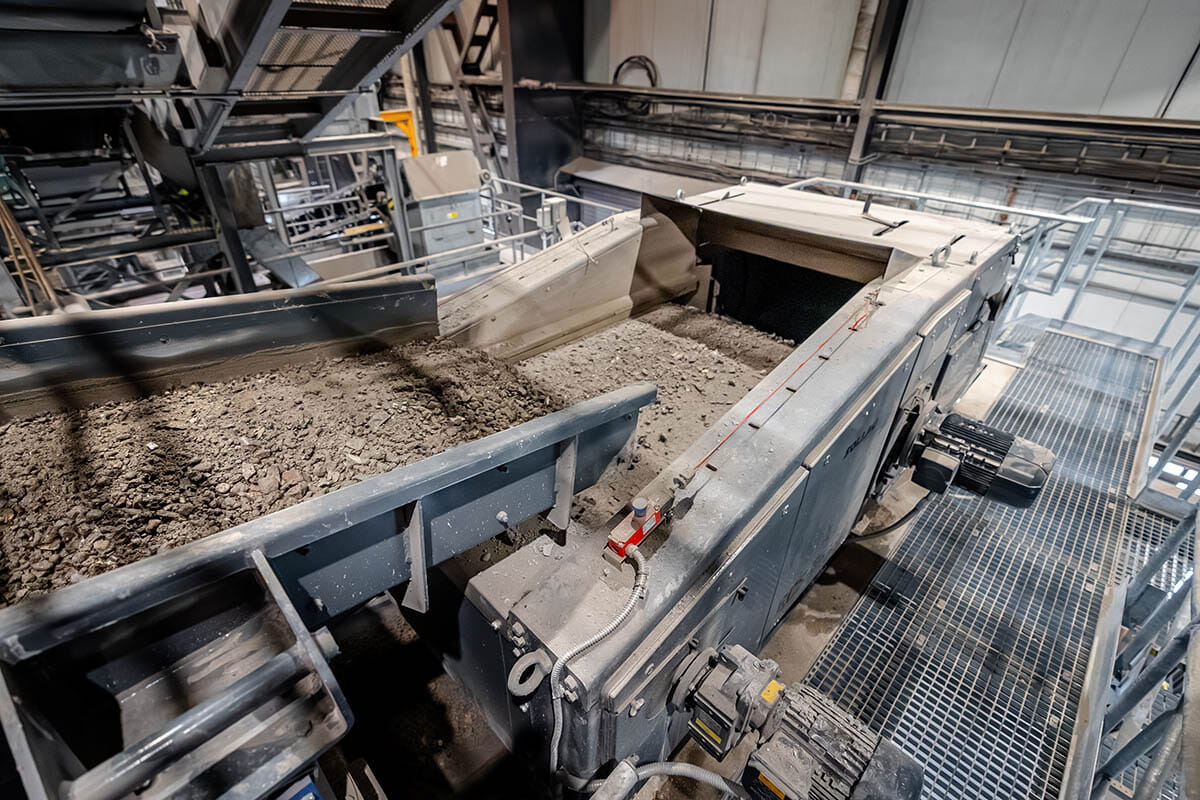
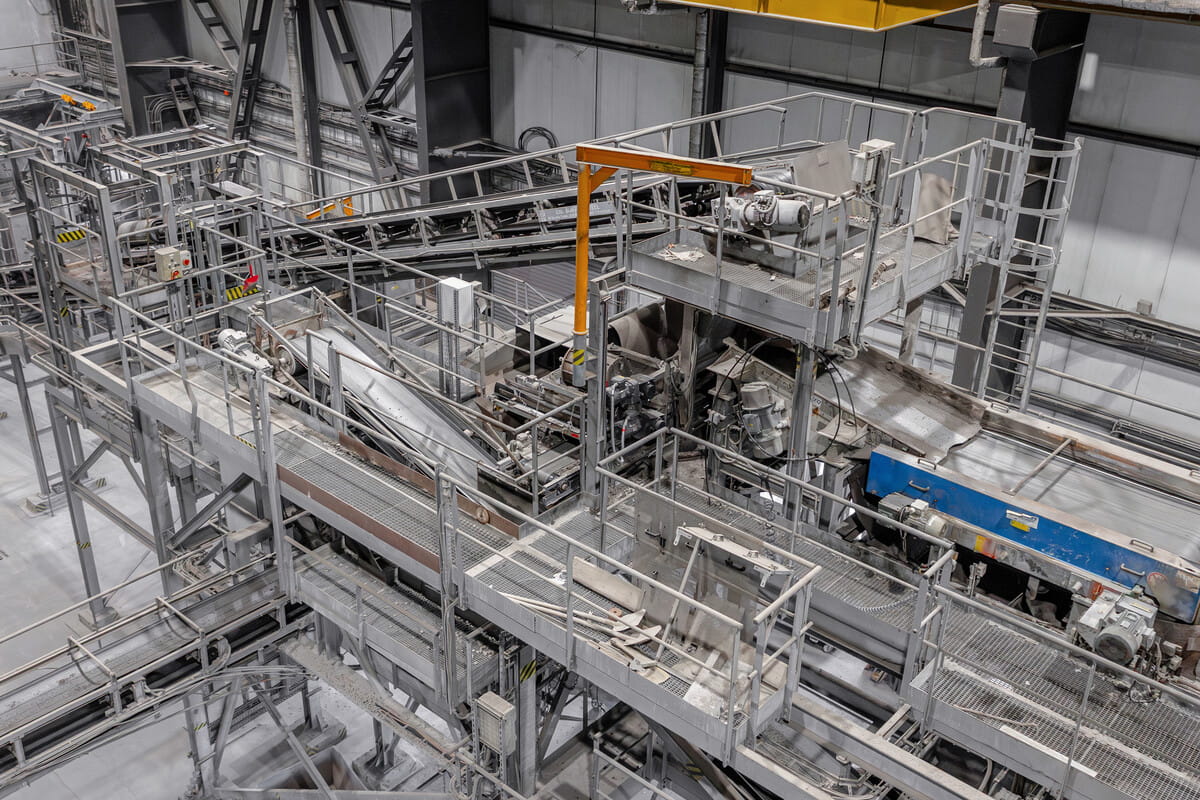
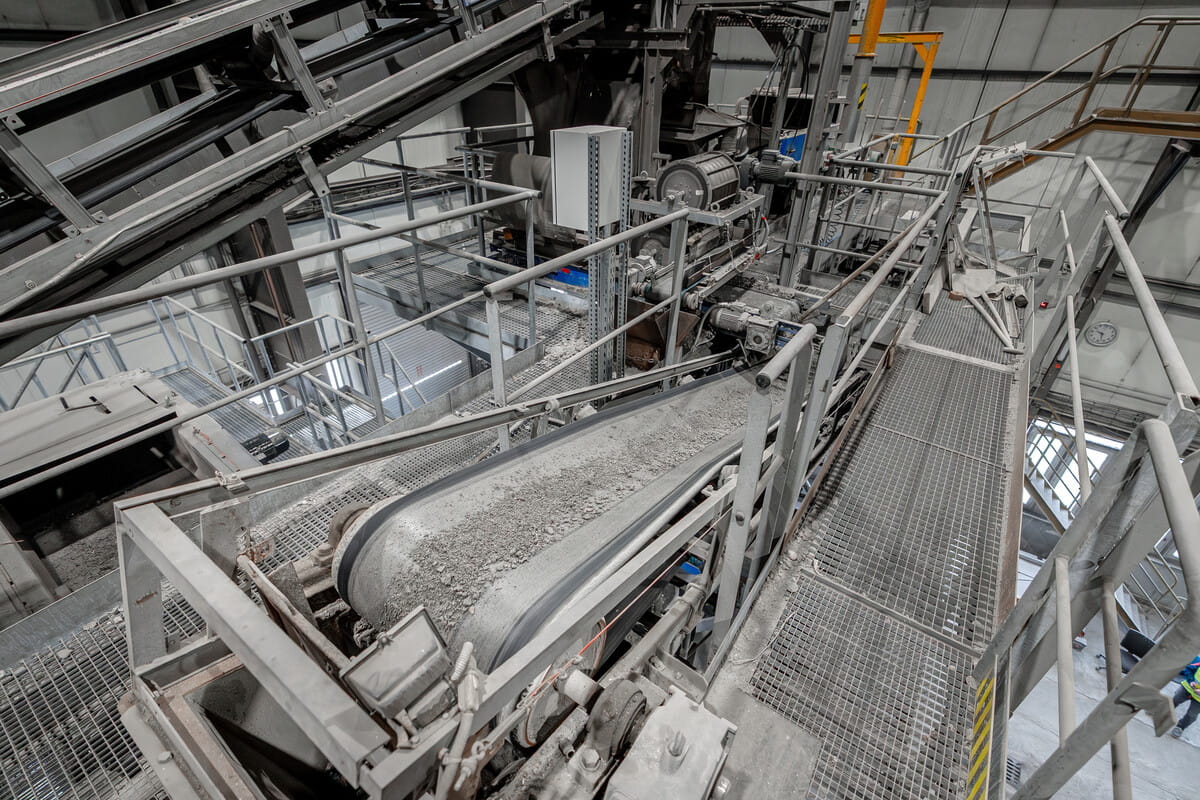
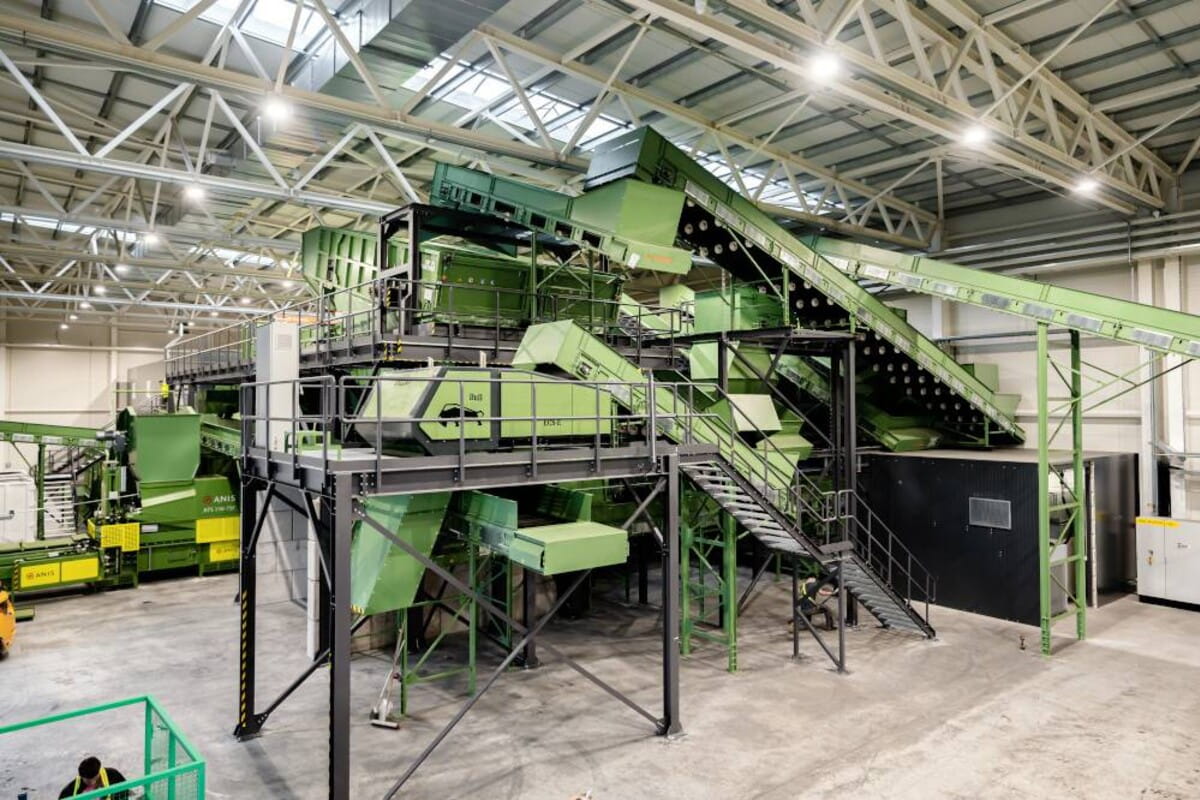
The chain is arranged after the wet bottom ash extractor (after ageing and crushing): first a magnetic plate above the conveyor and a magnetic drum or magnetic head roller removes iron, then the ECS separator repels and ejects non-ferrous metals (aluminium, copper, brass).
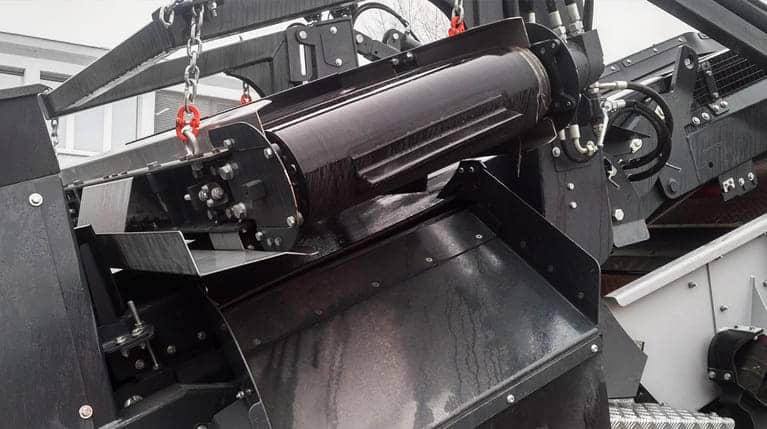
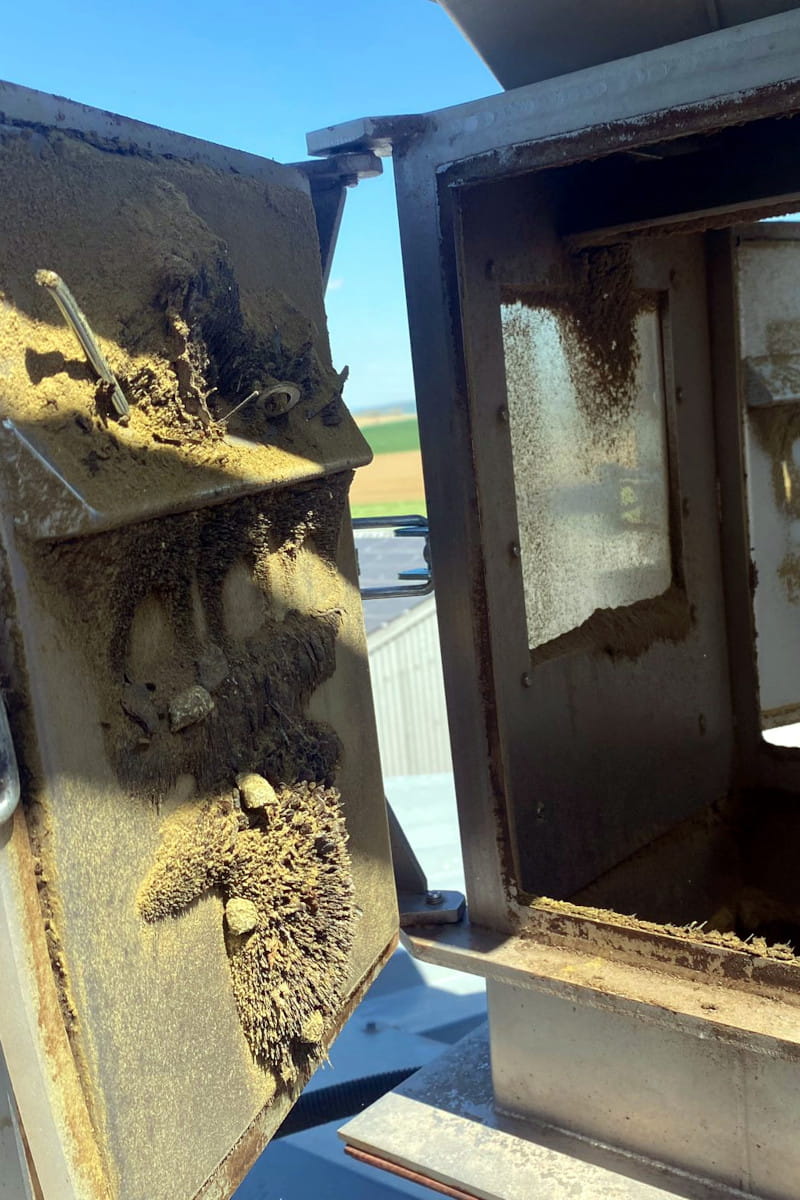
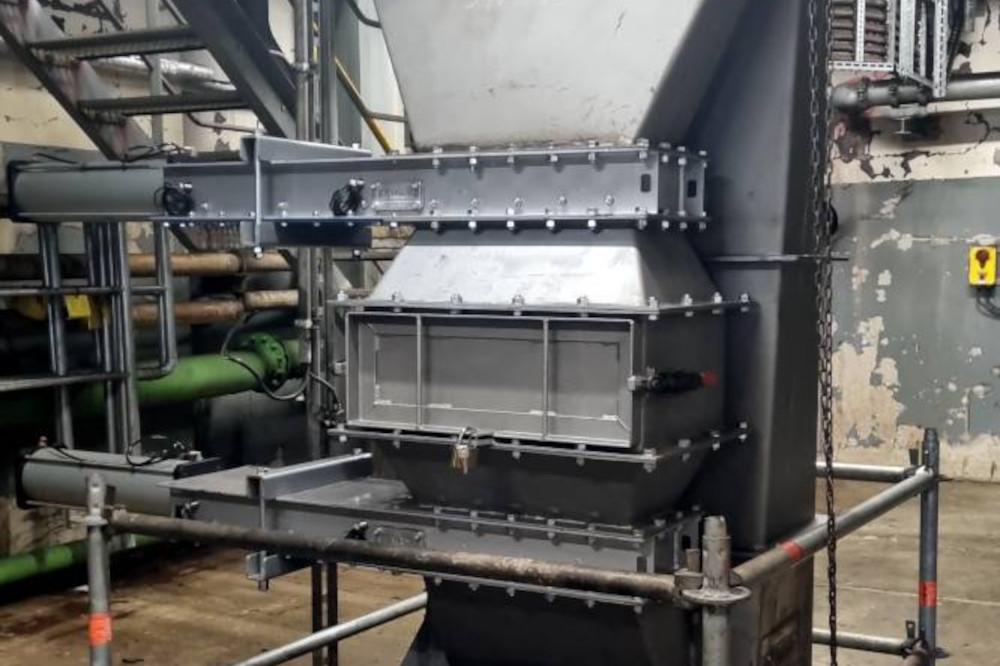
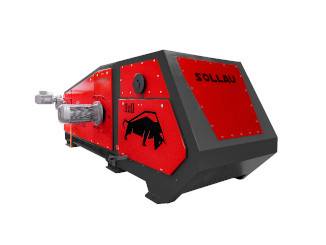
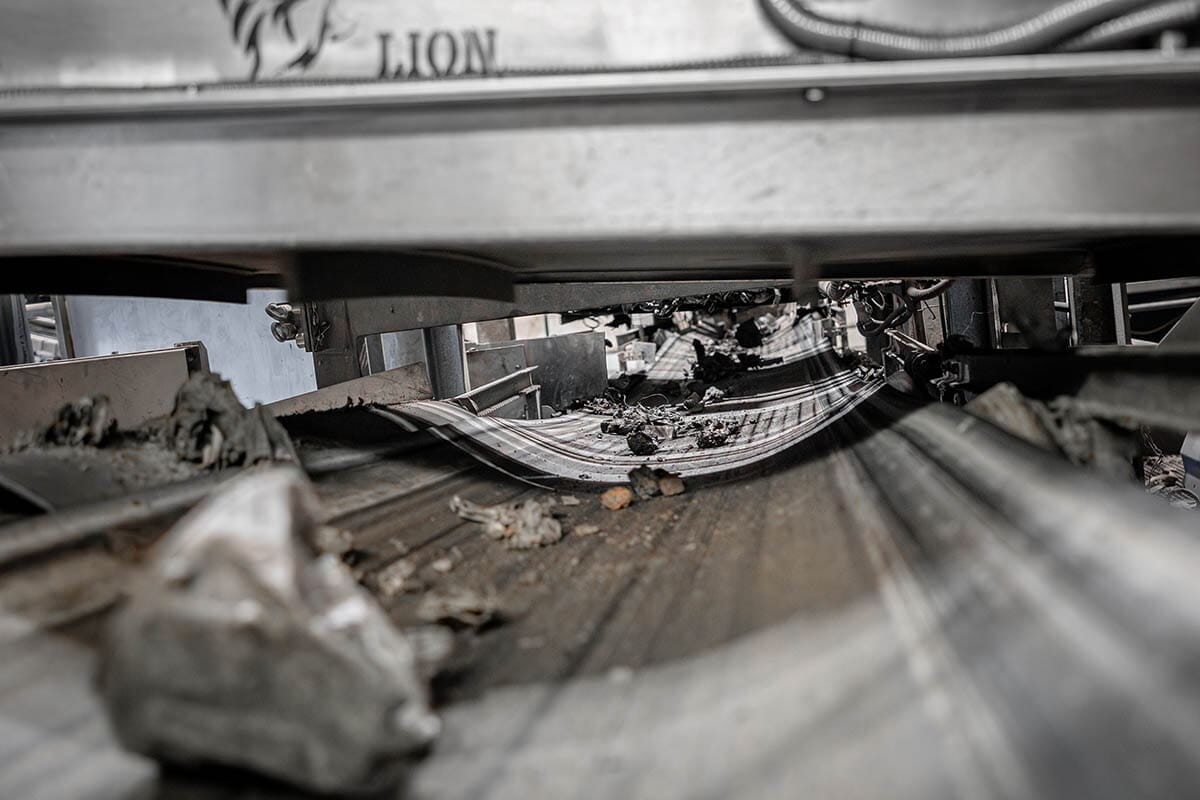
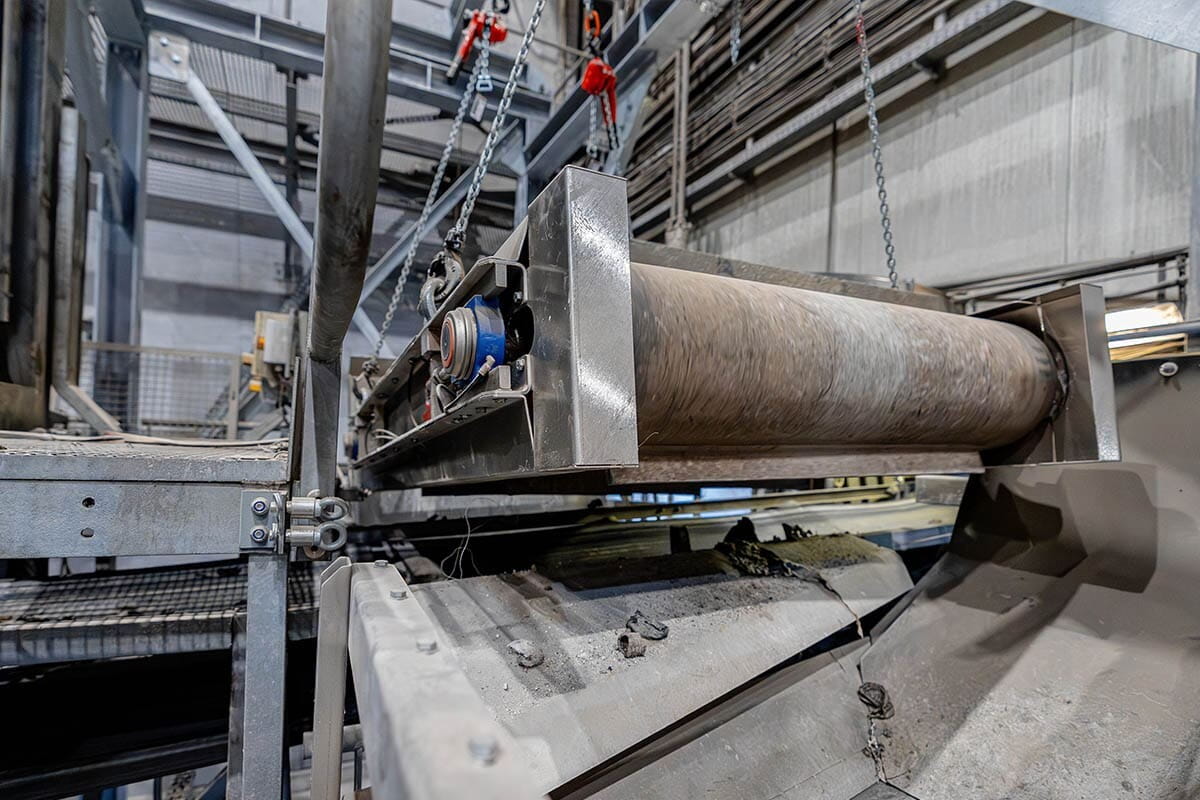
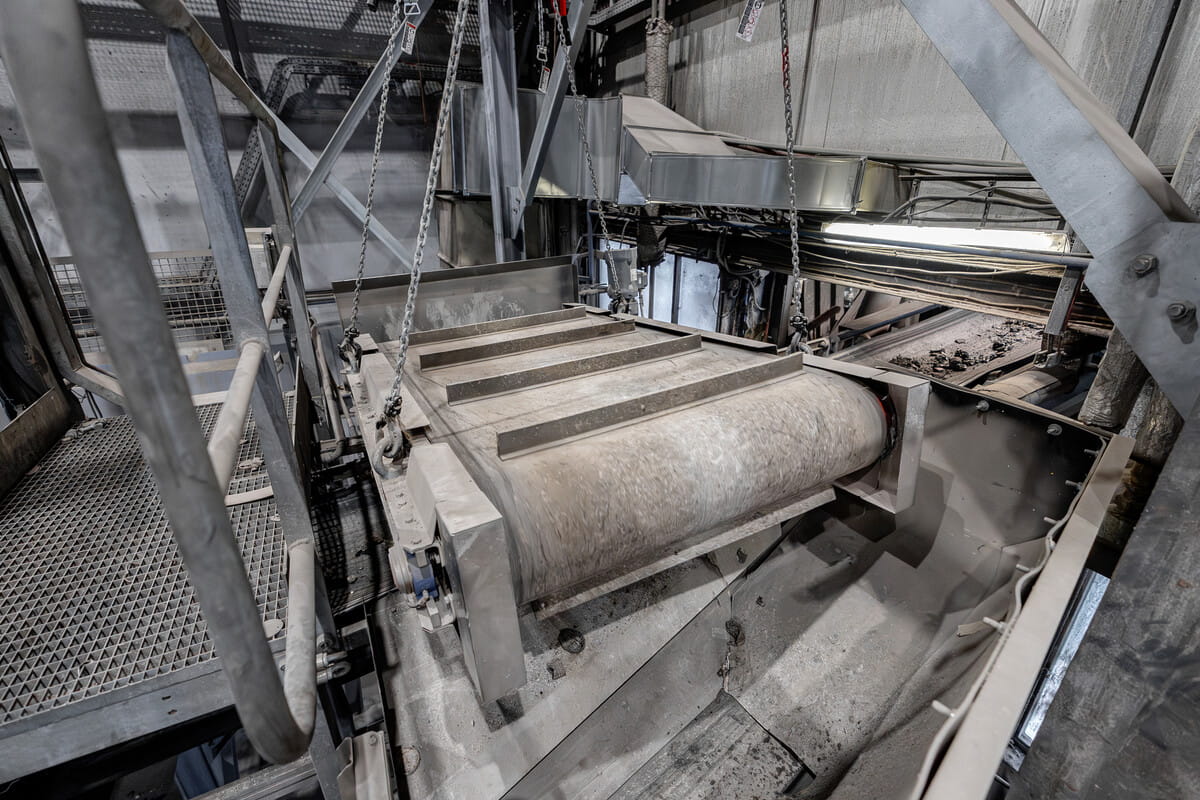
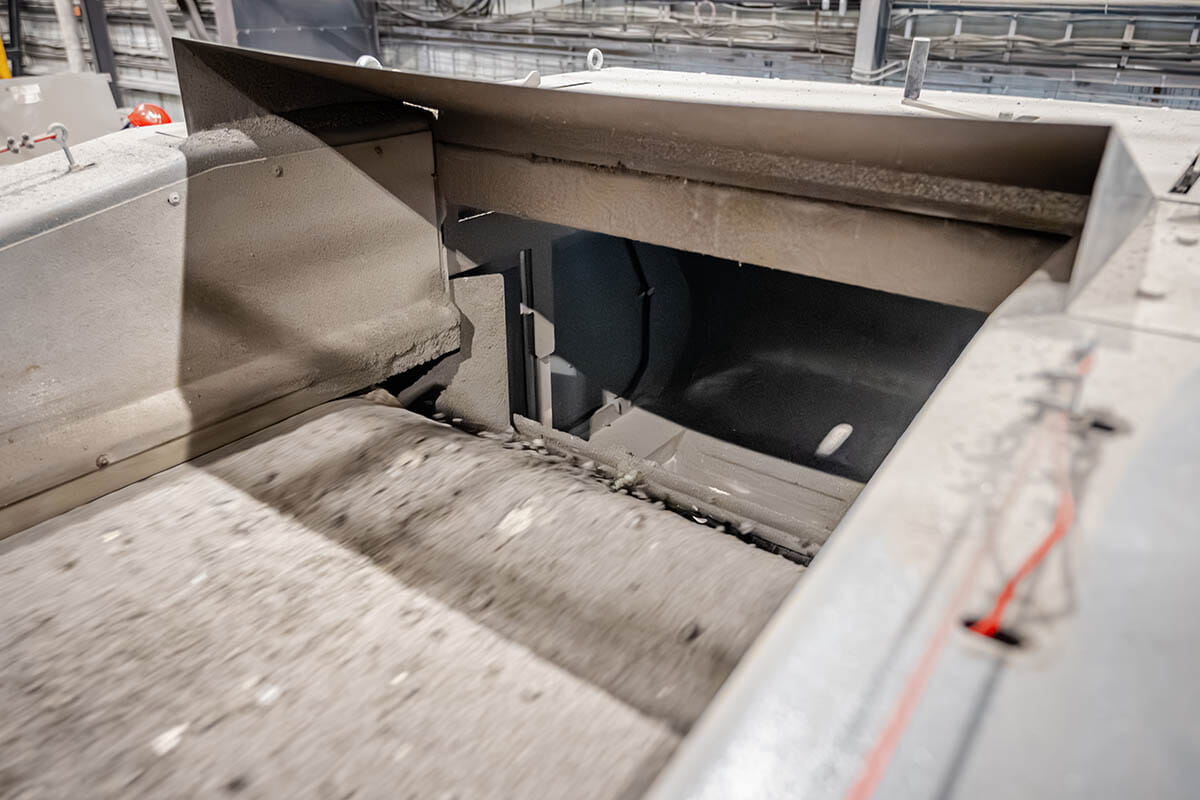
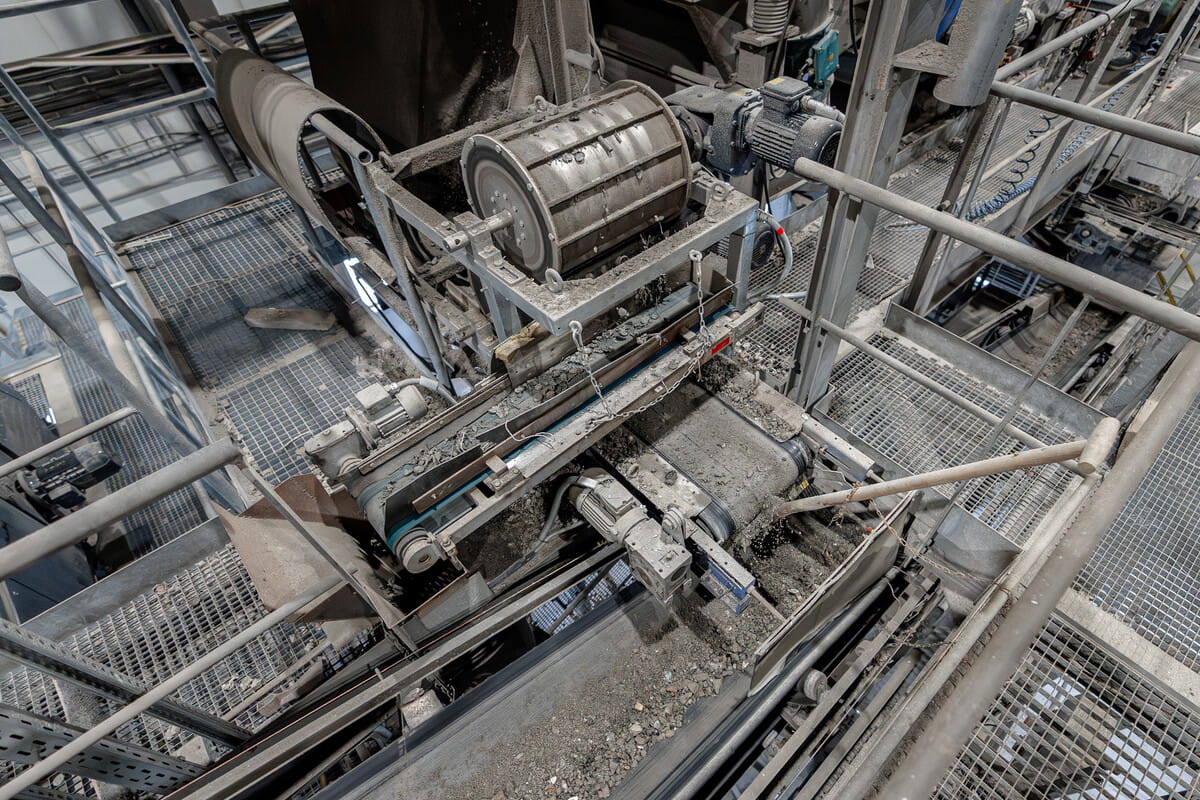
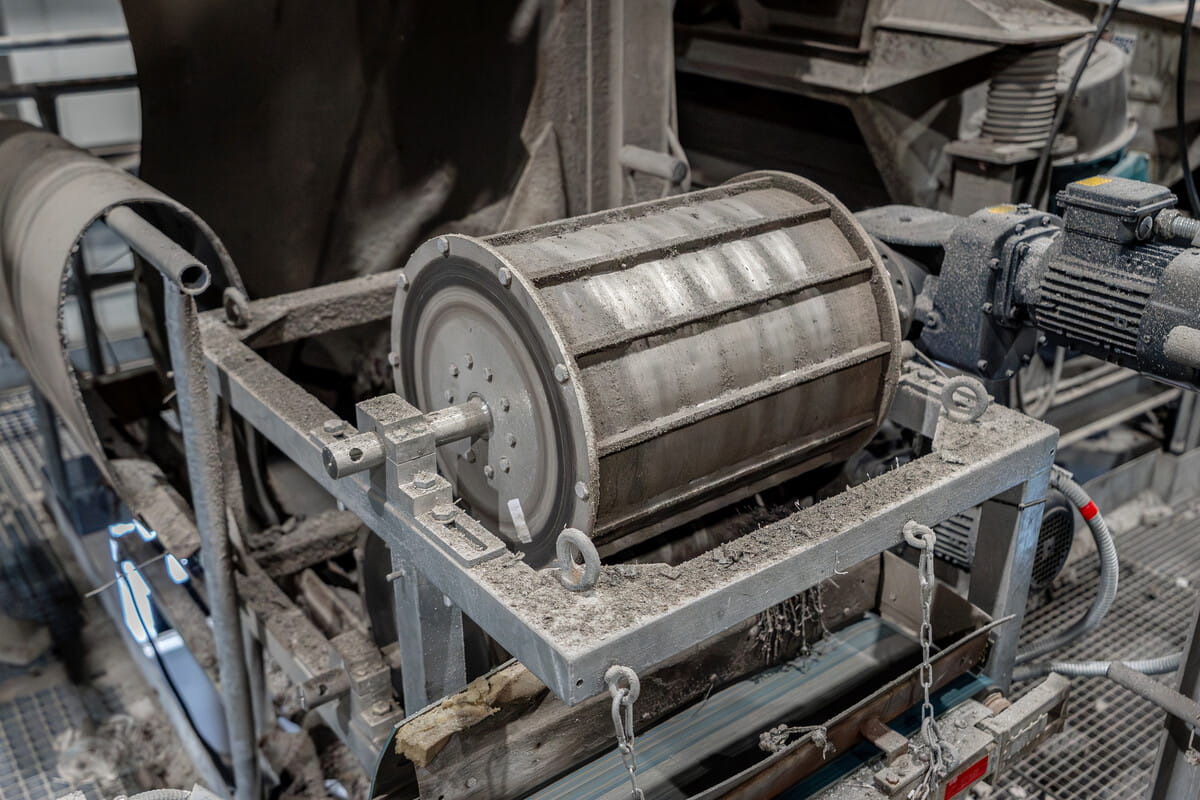
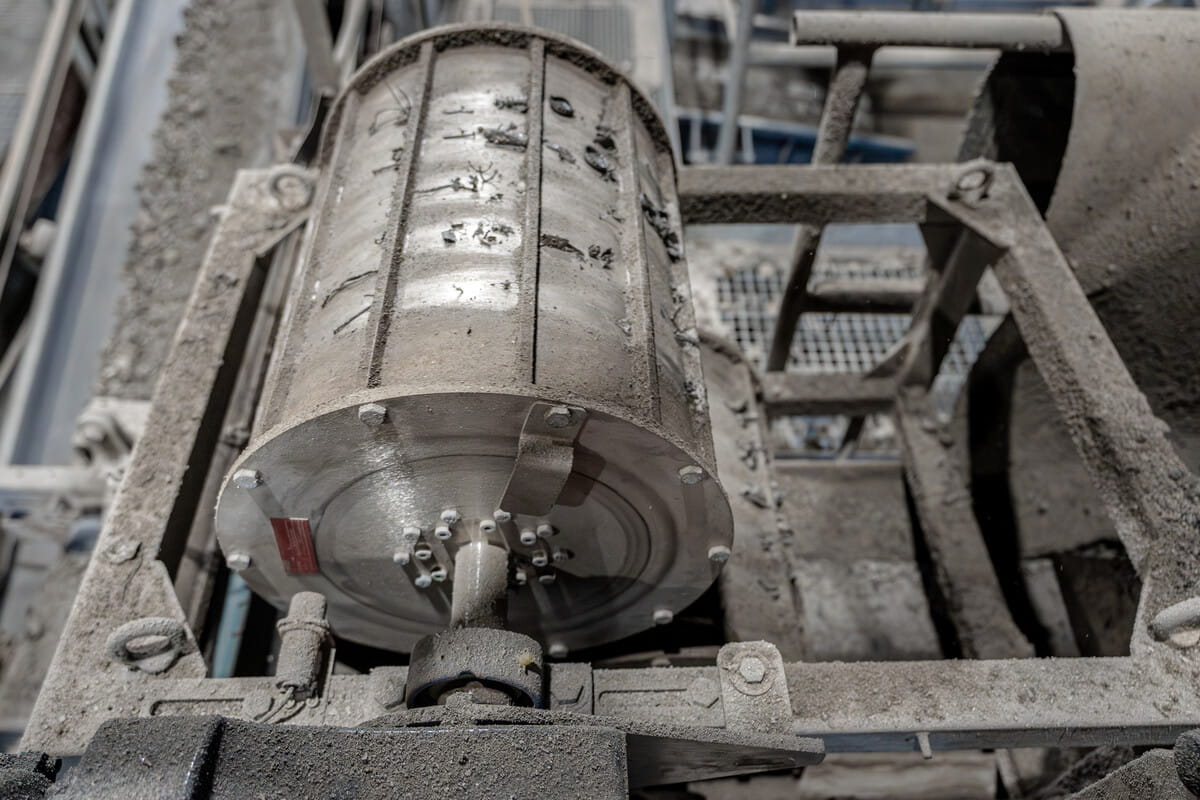
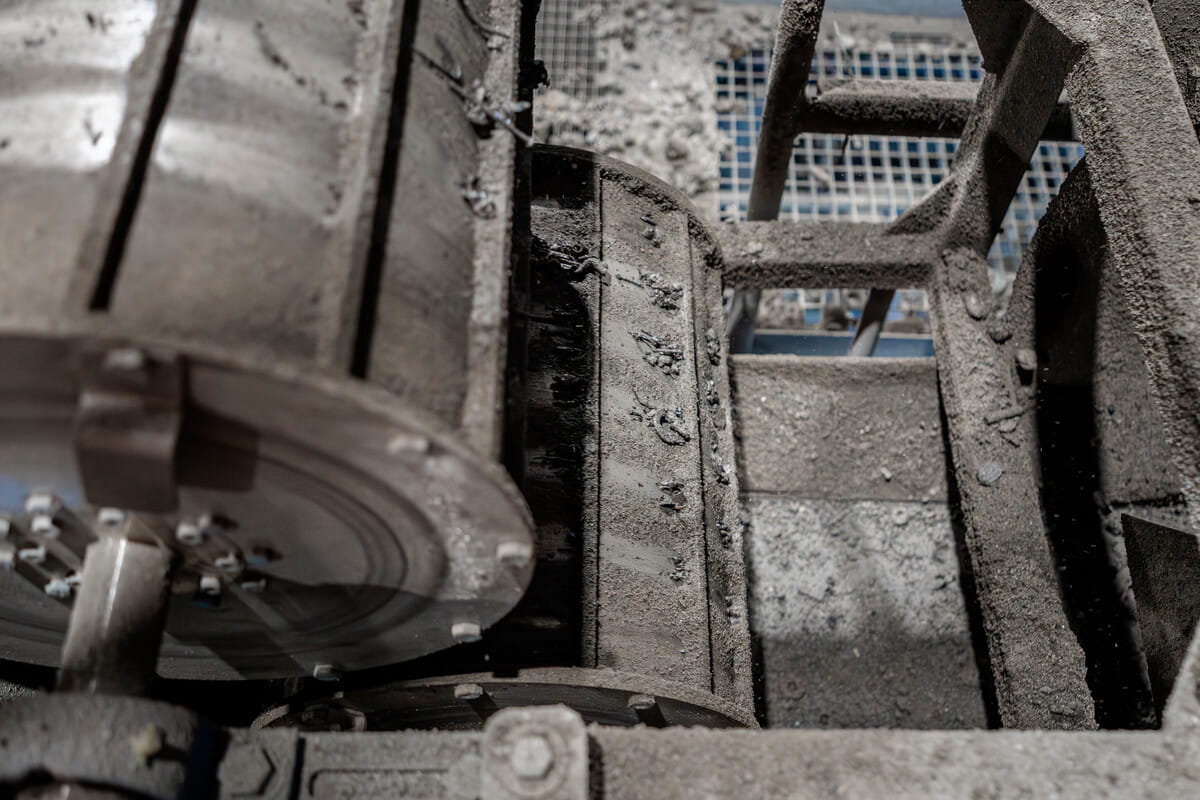
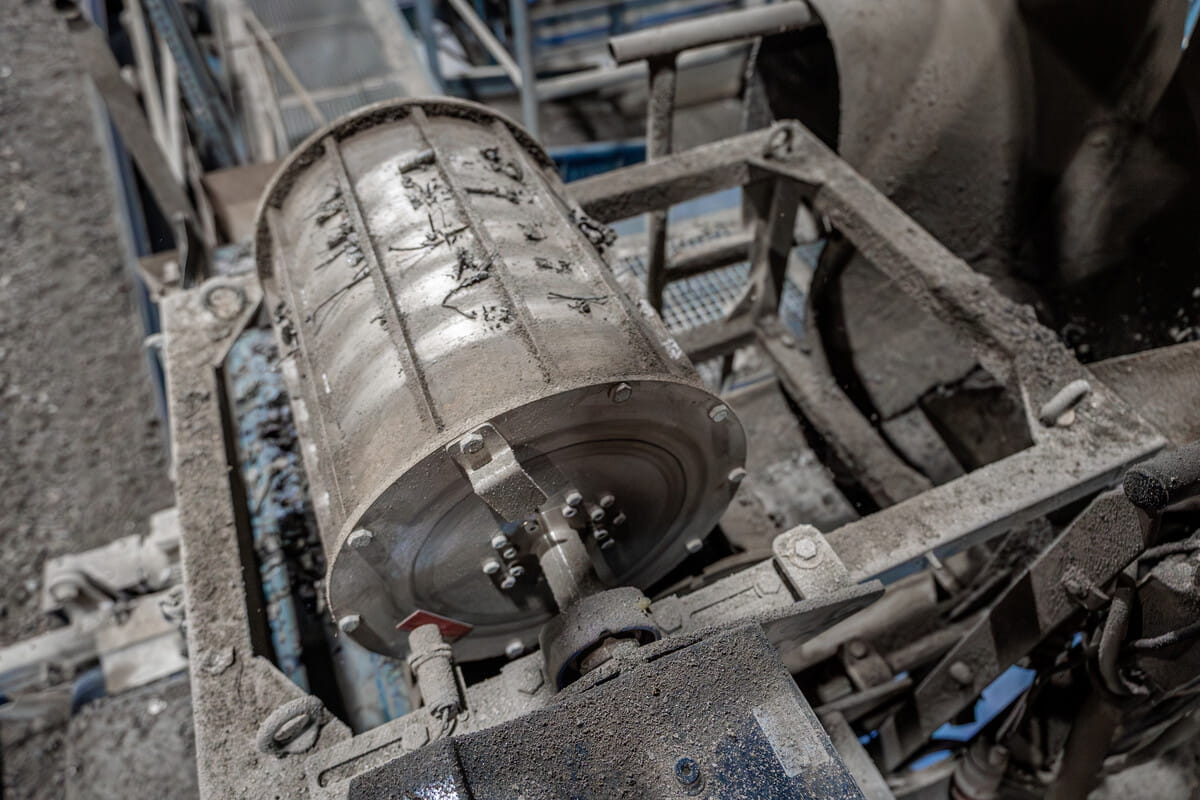
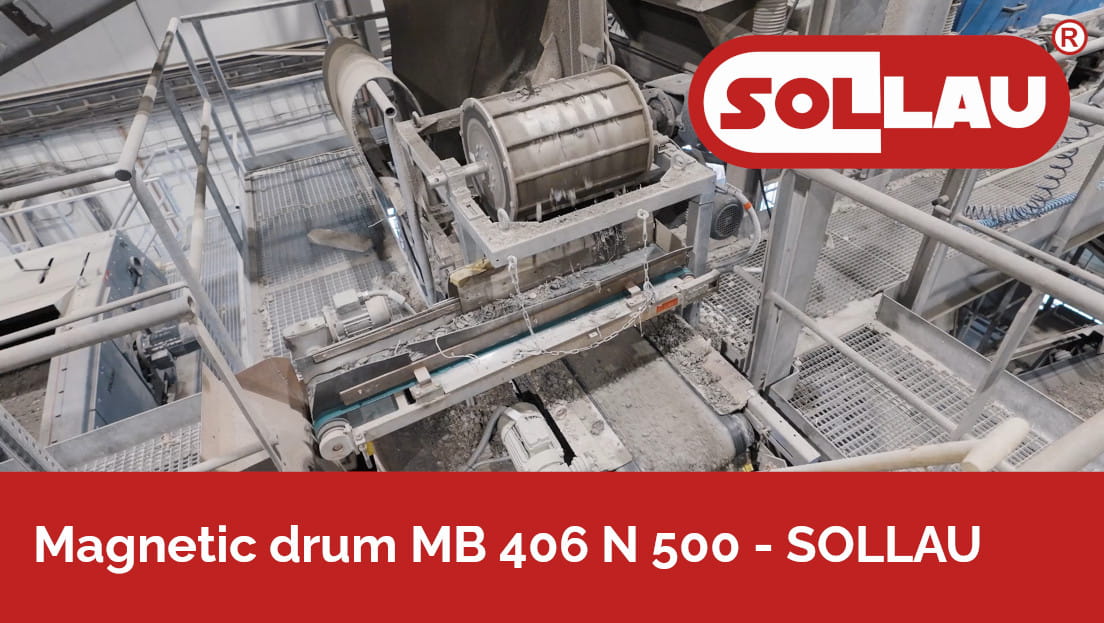
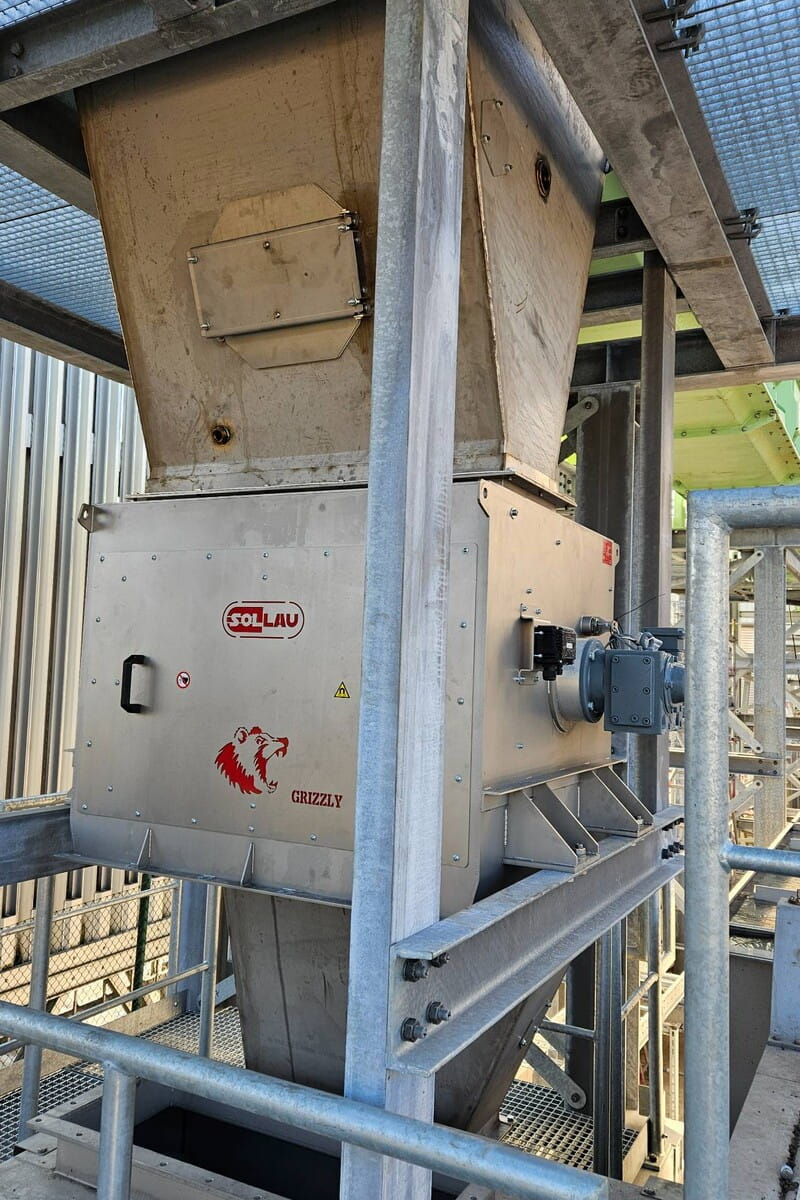
Wet bottom ash is sticky and therefore standard magnetic drums cannot be used, because the ash would stick to them and thus reduce their efficiency. That is why we often install a set of two magnetic drums in a special configuration, where the drums are placed above the bottom ash conveyor, from which they pull out metal impurities without contact. These are then taken over by another magnetic drum, the ash residues fall off, and the result is clean ferromagnetic contaminants free of ash.
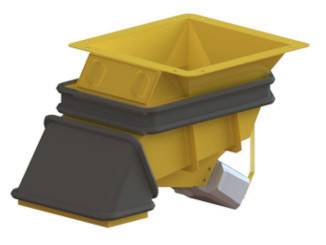
For maximum yield, multi-stage magnetic re-cleaning and optimisation of the magnet tilt prove effective; hoppers are made of non-magnetic steel so as not to disturb the field. A vibrating feeder ensures uniform dosing of the bottom ash.
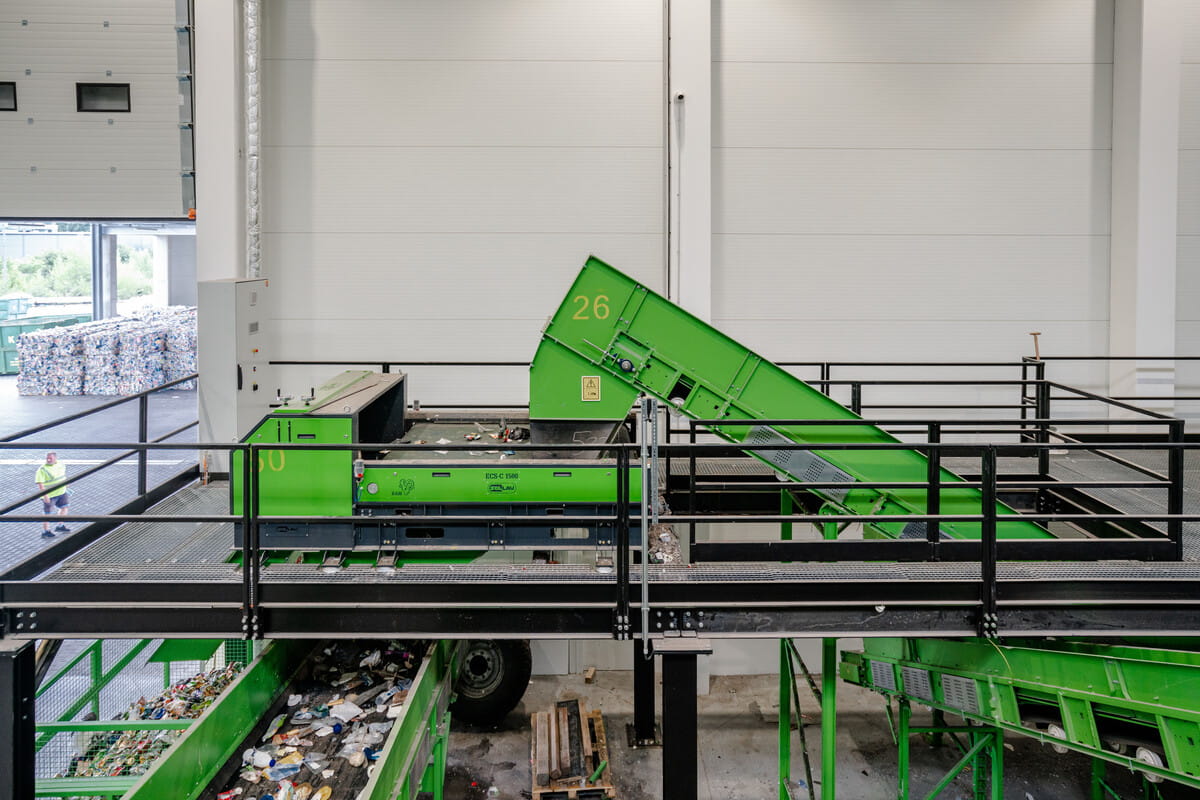
About 80 % of the ferrous scrap is in particles above 20 mm, whereas 80 % of non-ferrous metals are in particles below 20 mm – that is why ECS separators from SOLLAU achieve an efficiency of over 99 % and separation from 0.5 mm (BUFFALO model), with a 3-year warranty and 3 free service inspections. Ineffective separation = lost raw materials and bottom ash that cannot be used in construction.
Advantages of ECS non-ferrous metal separators:
Separation efficiency over 99 %, separation of non-ferrous metals from 0.5 mm
Both concentric and eccentric rotor depending on the fraction and type of metal
Working width 500–2000 mm, 3-year warranty + 3 free service inspections
PHOTOS FROM PRACTICE
VIDEO AUS DER PRAXIS
Production of solid recovered fuels (SRF / RDF) from waste
Fuel for cement works, lime kilns and glassworks is produced from crushed waste. Metals in SRF/RDF damage the manufacturer's crushers and presses and the customer's combustion technology. Metal components additionally increase boiler corrosion and emissions. Customers therefore carefully assess fuel quality – and impure fuel means a complaint.
The following equipment is most frequently used in the production of alternative fuels:
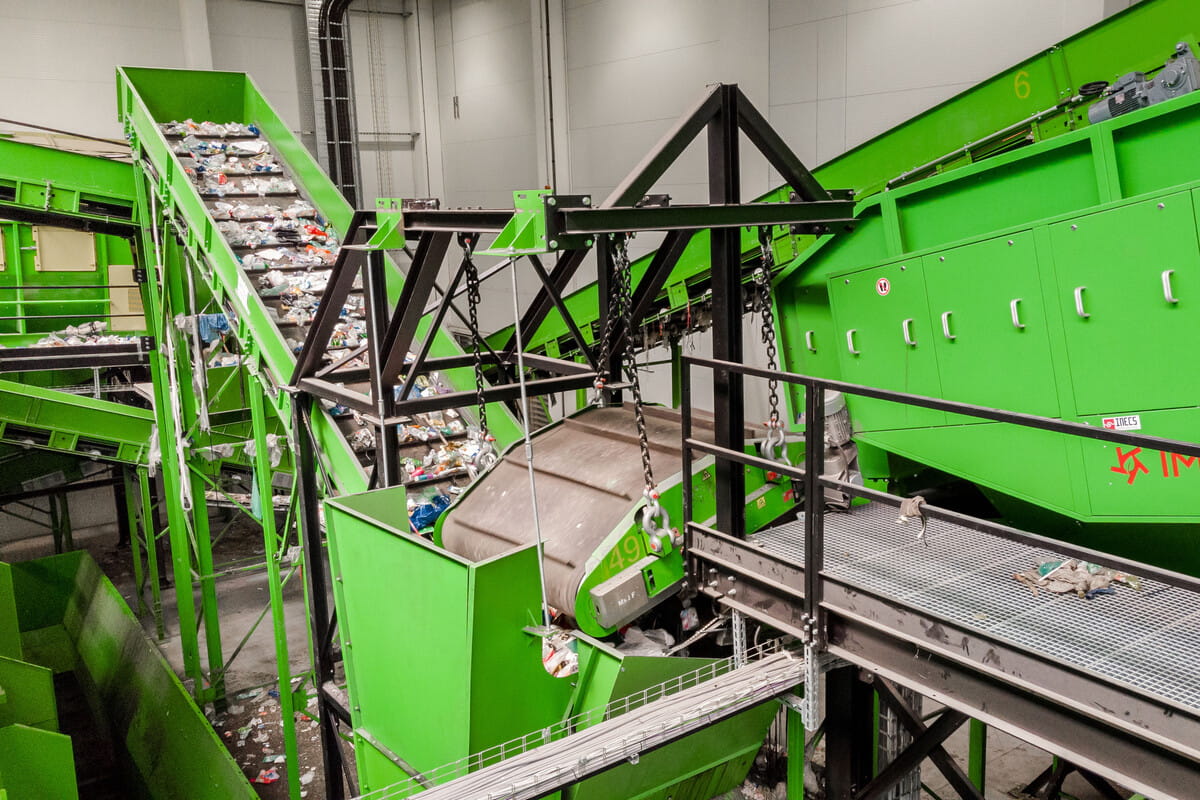
The magnetic plate is suspended transversely or longitudinally above the belt carrying the crushed waste; for deep layers, the electromagnet DND-AC E is used. Where the belt inclination exceeds 30° (the plate's discharge belt would slip), separation is solved with a magnetic drum between the dosing hopper and the conveyor. Non-ferrous metals and aluminium from laminates and packaging are removed by the ECS separator.
Documented SOLLAU implementation: a leading Czech manufacturer of alternative fuels from sorted waste deployed the overband plate DND-AC Mx8 F BEAST, which separates ferromagnetic impurities from a distance of 500 mm above the belt (fraction 0–300 mm, belt width 1400 mm, layer 300 mm, speed up to 3 m/s). Metal in the fuel = complaint and a damaged boiler at the customer – clean SRF/RDF means higher calorific value, less corrosion and a satisfied customer.
PHOTOS FROM PRACTICE
Biogas plants
The input biomass and substrate – especially from waste and agricultural raw materials – carry metal objects that damage pumps, rotary macerators and fermenter agitators. Magnetic separation at the inlet protects this expensive technology and ensures smooth operation of the fermentation.
The following equipment is most frequently used in biogas plants:
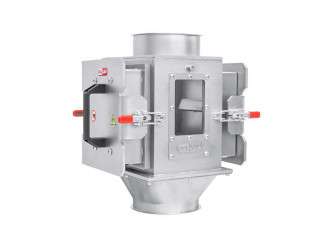
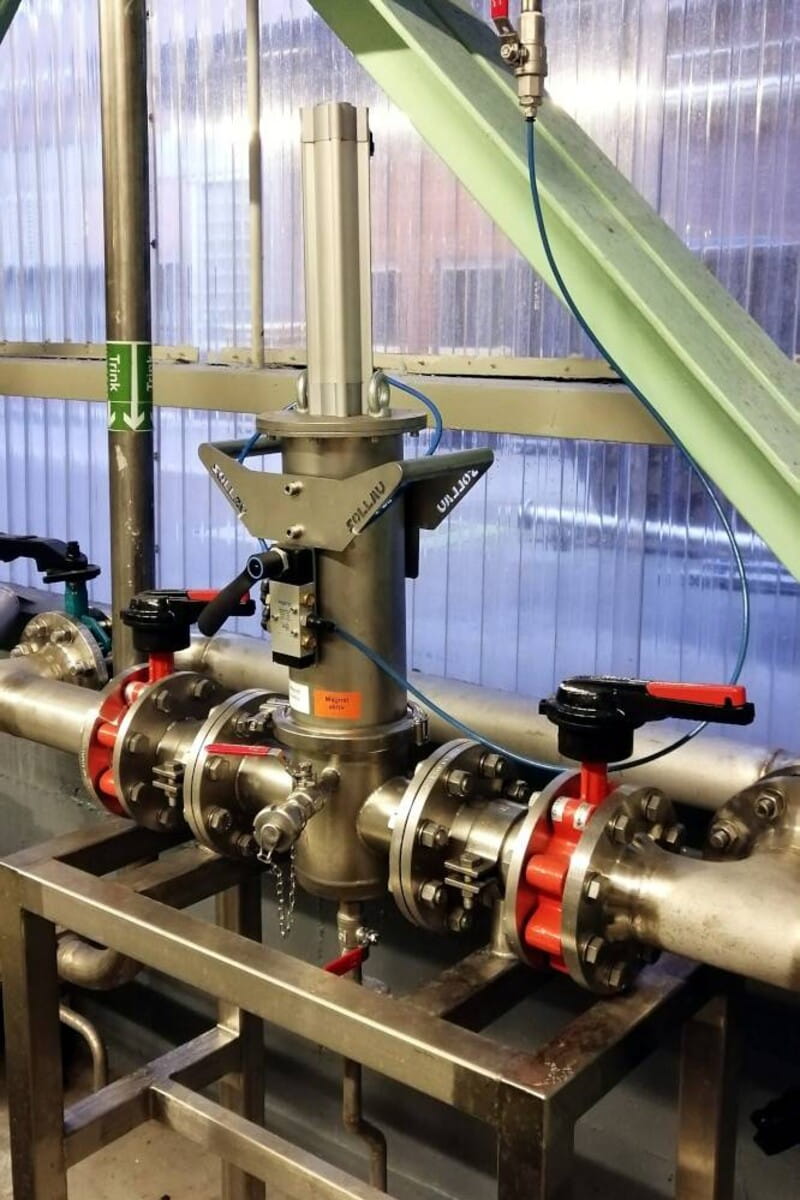
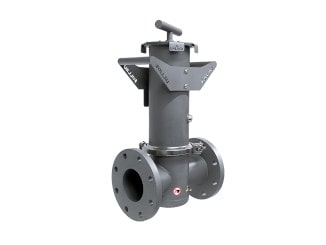
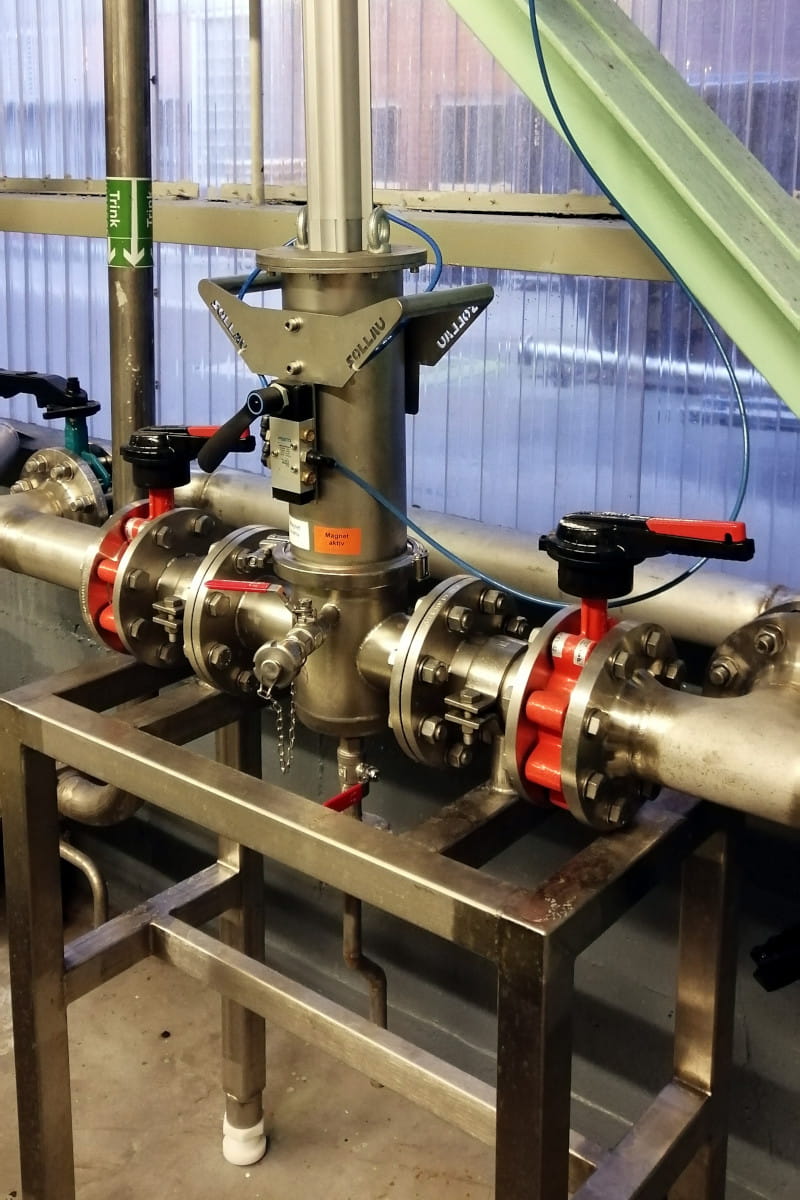
Magnets are placed on the substrate inlet conveyor and into the hopper before the feeding, crushing and maceration equipment. For liquid fermented biomass in pipelines, a pipeline magnetic separator is used, which captures wear debris from pipes and fittings. A jammed agitator = an idle fermenter and a loss of biogas production.
PHOTOS FROM PRACTICE
Processing of fly ash and bottom ash for the construction industry
Fly ash and bottom ash are used as a substitute for cement or aggregate (road base, concrete elements). However, residual ferrous and non-ferrous metals reduce the quality of the secondary mineral material and prevent its certification, so it is necessary to re-clean them.
The following equipment is most frequently used in the processing of fly ash and bottom ash:
The separators are placed in a gravity chute or on a conveyor after screening and sorting. High-gradient multi-stage rollers VMSV are used for fine and weakly magnetic ferrous particles, and non-ferrous metals are removed by ECS. The benefit is higher purity of the mineral fraction, compliance with standards for construction use and a reduction in the volume of landfilled waste.
FREQUENTLY ASKED QUESTIONS
For fast belts with a thick layer of wood chips, the self-cleaning overband plate DND-AC is ideal (ferrite BEAST range, installation height up to 500 mm), and for deep layers the electromagnetic overband DND-AC E. After a crusher or chipper, the enclosed drum MBZ is suitable, and for sawdust prone to bridging the magnetic lanterns ML.
Yes. For a dusty explosive atmosphere we supply enclosed magnetic drums MBZ with an ATEX certificate up to zone 20. We supplied such a drum (MBZ 304 N 1000) to the RWE lignite power plant before the coal mill – it met the requirements of the Mining Authority and captures Fe particles from as little as 0.5 mm.
The order is key: first the magnetic drum or roller removes iron, because it disturbs the eddy current technology, and only then the ECS separator sorts out aluminium, copper and brass. A modern line sorts up to 80 kg of iron and 25 kg of non-ferrous metals from a tonne of bottom ash.
Overband plates and electromagnets are mounted transversely above the conveyor or above the discharge at the point of free fall of the material; drums at the outlet of the crusher and into the hoppers; magnetic head rollers at the head of the belt as the drive pulley. The principle always applies: place the separation ahead of critical equipment – crusher, mill, press or boiler feeder.
Manual cleaning (DND-MC plates, ML lanterns) is suitable for the occasional occurrence of metals and smaller tonnages. With large amounts of material and metals, automatic cleaning is necessary, which takes place without interrupting the fuel flow and without manual operation – essential for continuous boiler operation.
The price is determined by the type of fuel, the belt width, the height of the material layer, the required certification (ATEX) and the shell design for abrasive materials – we manufacture every device to measure. Free of charge and within 3 days we will test a sample of your fuel or bottom ash and propose a solution; request a non-binding quotation.
The Solid Recovered Fuels (SRF) and Refuse Derived Fuels (RDF) represent an important source of energy in modern industry. However, when using SRF or RDF,...
Our customer specializes in the production of fermented biomass. In production, they faced a problem with the presence of small ferrous particles (particularly...
Despite the rapid transition to renewable sources in the energy sector, affordable fossil fuels (such as brown coal dust) are still widely used even in the...
A big municipal waste processor from our region needed a reliable system for the separation of metal objects (especially of the bigger sized ones) from pre-sorted plastic...
REFERENCES SOLLAU is a proud supplier of magnetic separators to the following companies
CONTACTS Do you have questions about our products? Do not hesitate to contact us!
Our team of sales representatives is ready to provide you with full support and help you find the best solution for your magnetic separation needs. We offer not only standard solutions but also tailor-made ones, so you need not worry even about more complex technical challenges. Just contact us and we will be glad to help you.
You can contact us by phone, e-mail or through our web form.
 The energy and heating industry is currently undergoing a fundamental fuel transformation – from coal to biomass, solid recovered fuels (SRF/RDF) and energy recovery from waste (waste-to-energy). All these fuels have one thing in common: they travel in large tonnages along fast conveyor belts, pass through crushers, mills and feeders, and contain unwanted metal objects – so-called tramp metal: nails, screws, wires, pieces of steel from handling and fragments of tools.












 +420 773 323 773
 petr.zbranek@sollau.cz