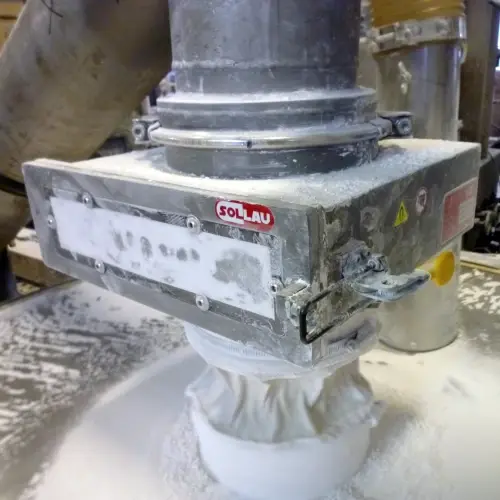
 The food industry covers mills and grain processing, bakeries, confectionery and chocolate production, spice, coffee and tea processing, dairies, meat production, beverages and feed production. The same applies in all of these operations: metal contaminants must never reach the consumer.
Did you know…? The average direct cost of a food product recall is estimated at roughly 10 million dollars – and according to the study's authors, that is the lower limit. A single captured screw can therefore pay for an entire magnetic separator many times over.
WHY ARE MAGNETIC SEPARATORS AND METAL DETECTORS USED IN THE FOOD INDUSTRY?
Metal fragments arise from the wear of augers, mills, sieves and conveyors, from damaged tools and from the raw materials supplied (wires, screws, small stones from the fields and transport). The industry standard is dual protection: the magnetic separator physically removes metal from the material flow, and the metal detector checks the final product.

Compliance with hygiene standards
Magnetic separation and metal detection are a standard requirement in HACCP, IFS Food, BRCGS and FSSC 22000 audits. Metal detection is usually defined as a critical control point (CCP). Inadequate protection = you will not pass the retail chain audit.
Quality and safety of the final product
Even a tiny metal particle can mean a non-compliant product, a customer complaint or a costly product recall. Our separators capture iron particles from as little as 1 micrometre, thereby helping to protect production quality and brand reputation.
Protection of machinery
Metals from raw materials destroy grinding rolls, screw conveyors, homogenizers and pelletizing dies. In powder operations (flour, cocoa, milk powder, starch) an impact of metal on metal also produces a spark and a risk of dust explosion – which is why we also supply the ATEX design. It holds true: metal captured before the mill = no breakdown, no downtime.
Introducing magnetic separation and metal detection into food production protects both the consumer and the brand, ensures compliance with HACCP, IFS and BRCGS requirements and prevents costly technology downtime. This has a positive impact on the profitability and efficiency of production.
SOLLAU
Manufacturer of magnetic separators for the food industry
We are the manufacturers of these separators. We make them at our plant in the Czech Republic, which allows us to guarantee the highest quality and to adapt them to your requirements.

WHERE IN THE FOOD INDUSTRY WILL YOU FIND OUR MAGNETIC SEPARATORS?
Mills, grains, bakeries and pasta
The journey of grain from intake to flour is full of critical points: unloading of tankers, filling of silos, milling and pneumatic conveying of flour. Metal contaminants from the harvest and transport damage the grinding rolls, and in a flour-dust environment there is a risk of explosion (mills and silos fall within ATEX zones).
The following equipment is most commonly used when processing grains:
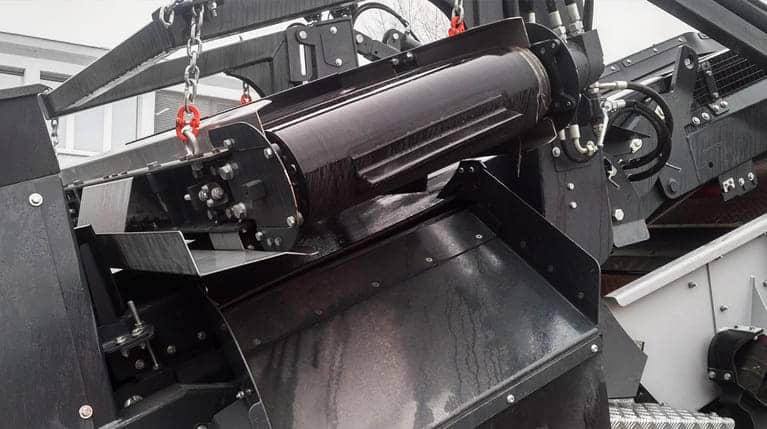
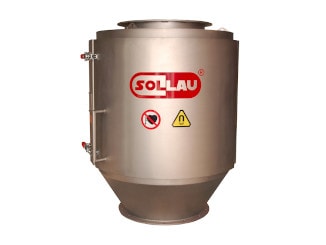
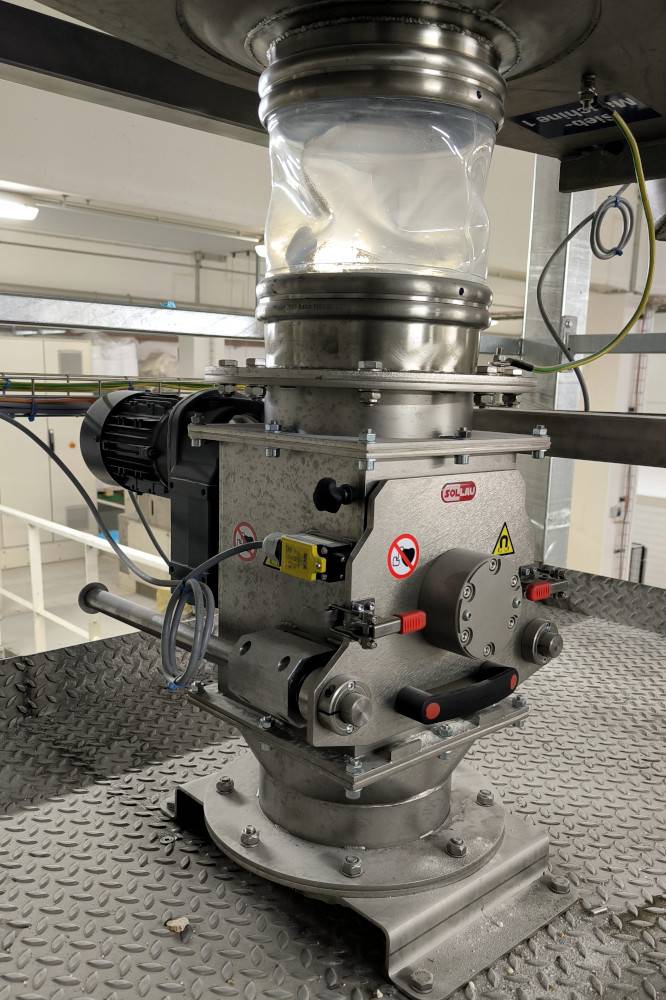
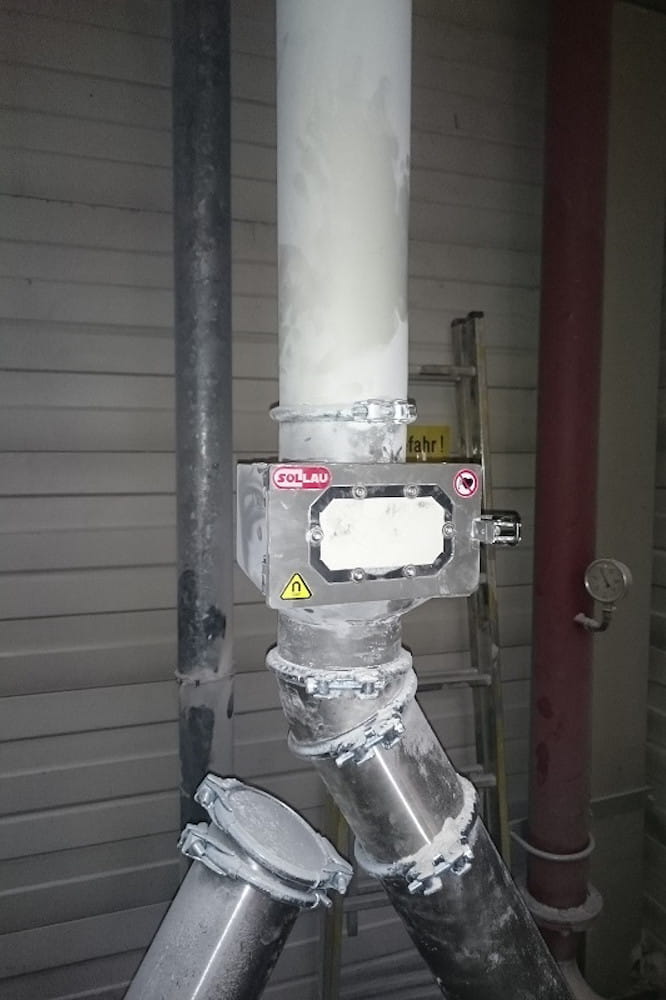
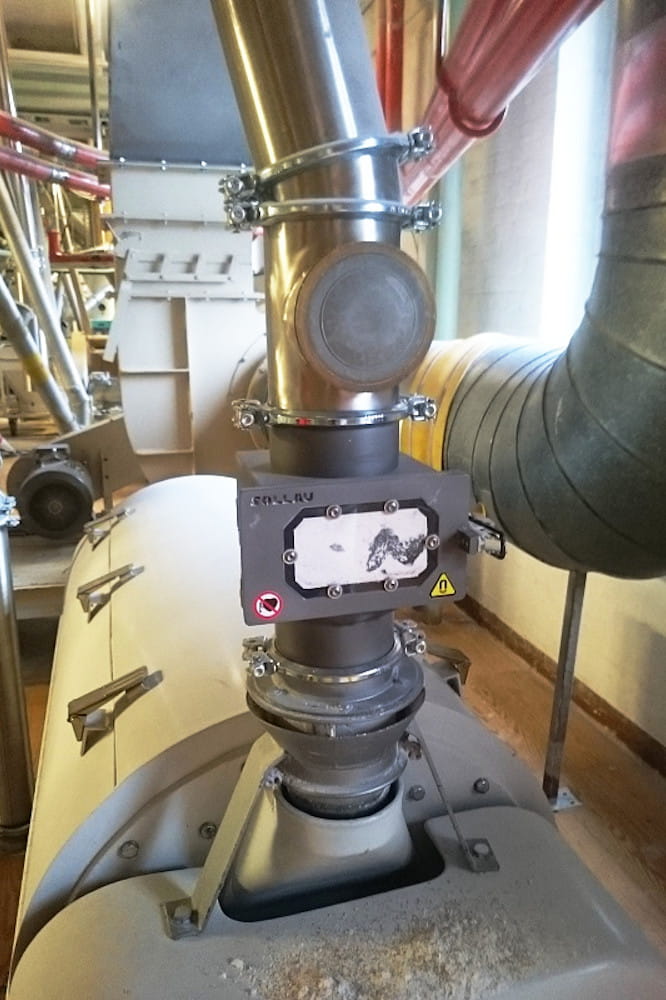
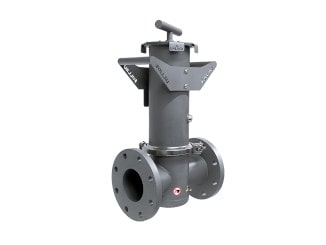
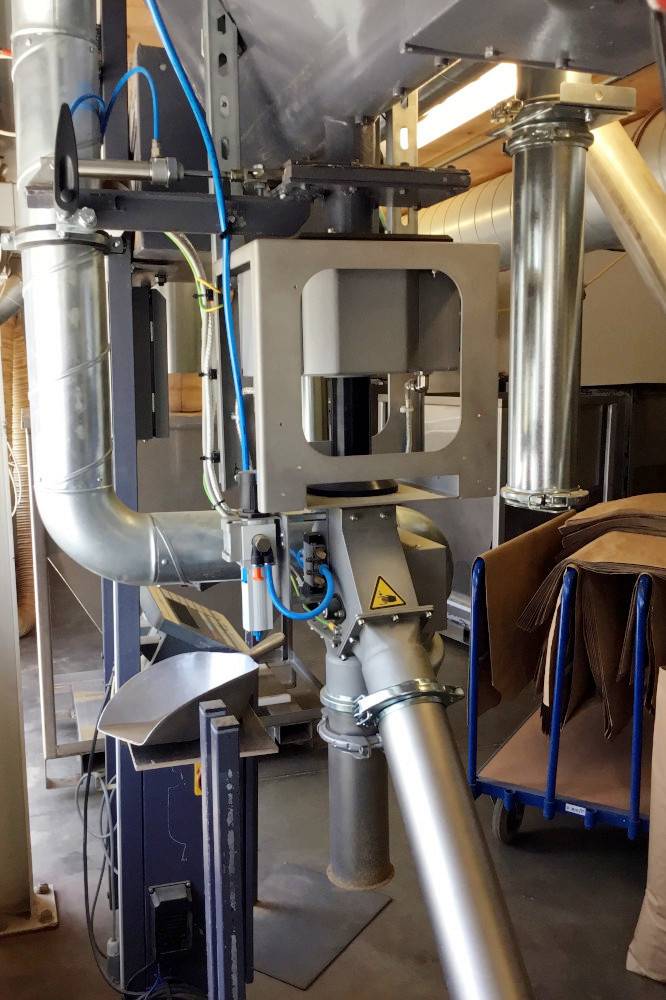
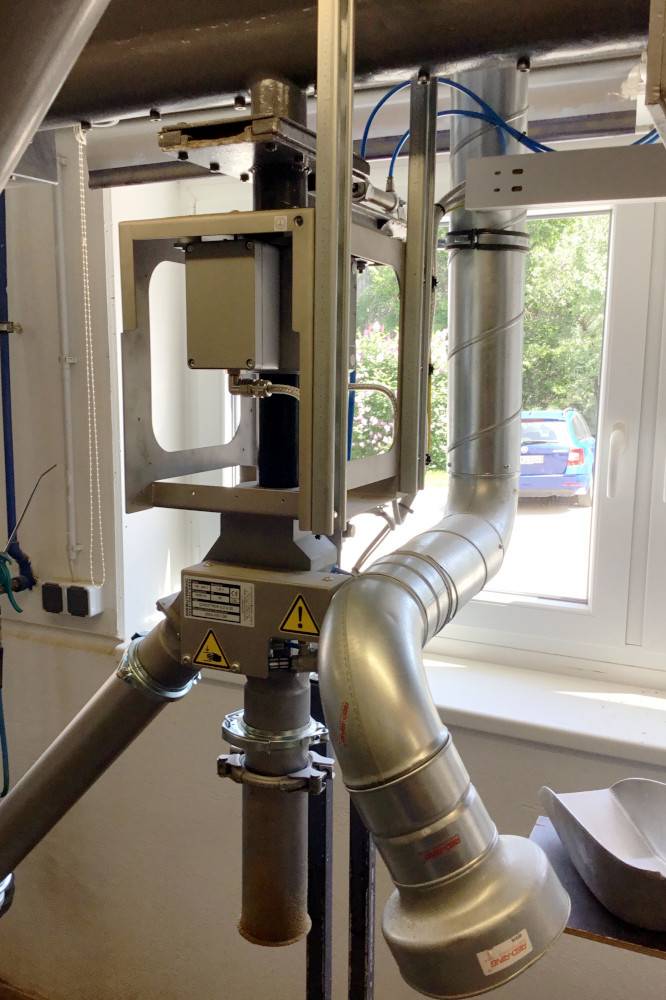
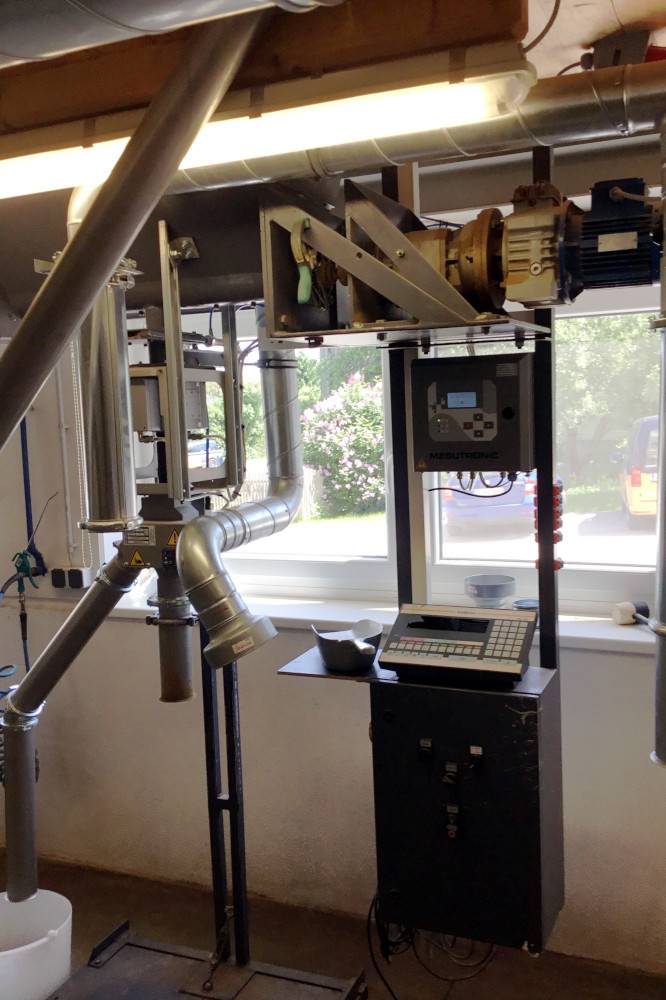
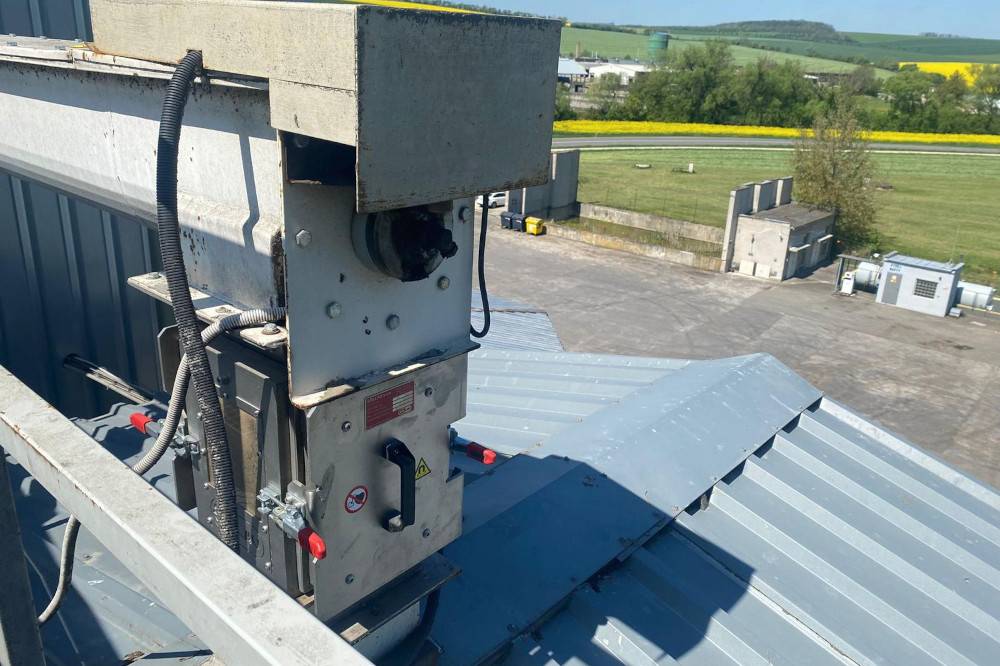
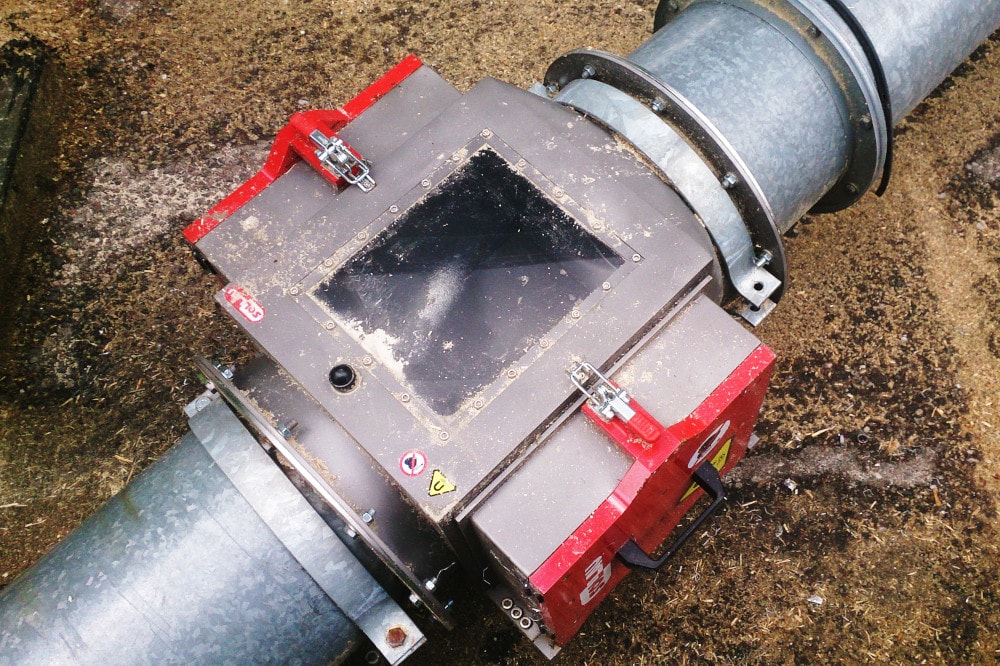
The MSP-C tank separator is mounted directly on the tanker unloading point, while the MSP-S pipeline separator is used in both pressure and suction pneumatic flour conveying. At the grain inlet to the mill we most often deploy magnetic drums, which are also suitable for abrasive materials such as grain.
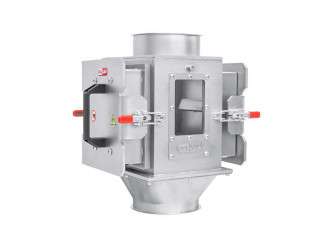
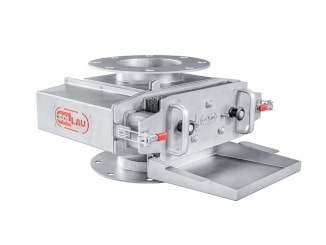
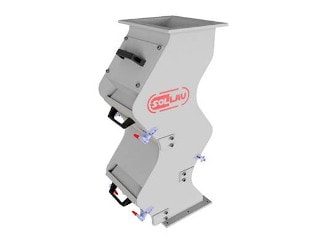
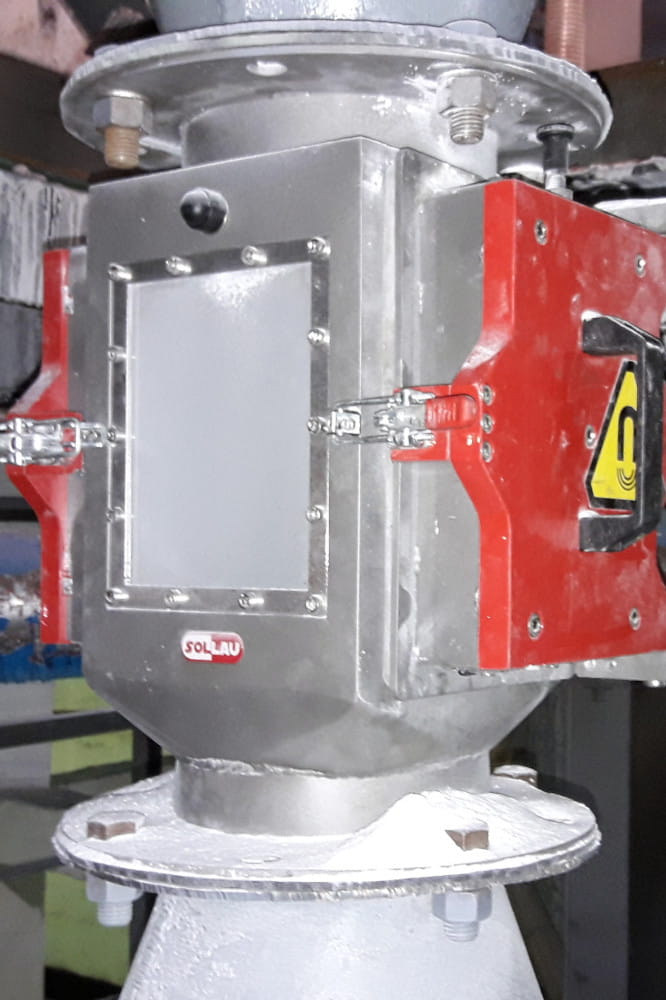
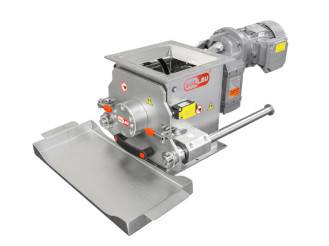
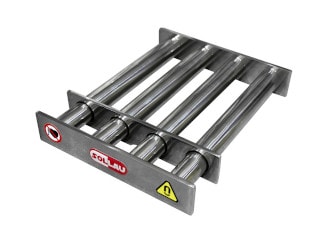
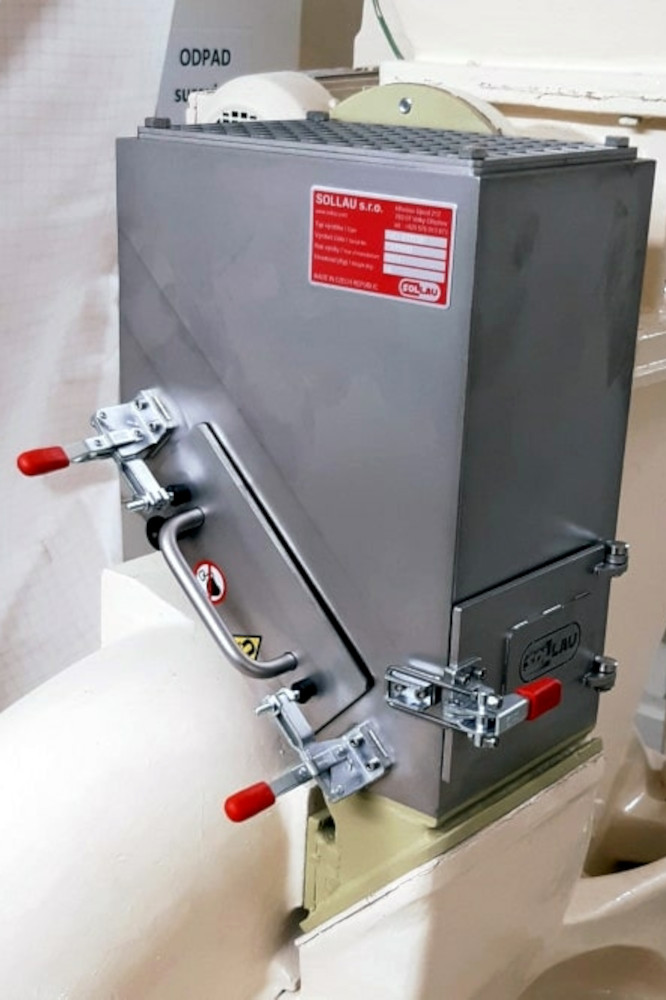
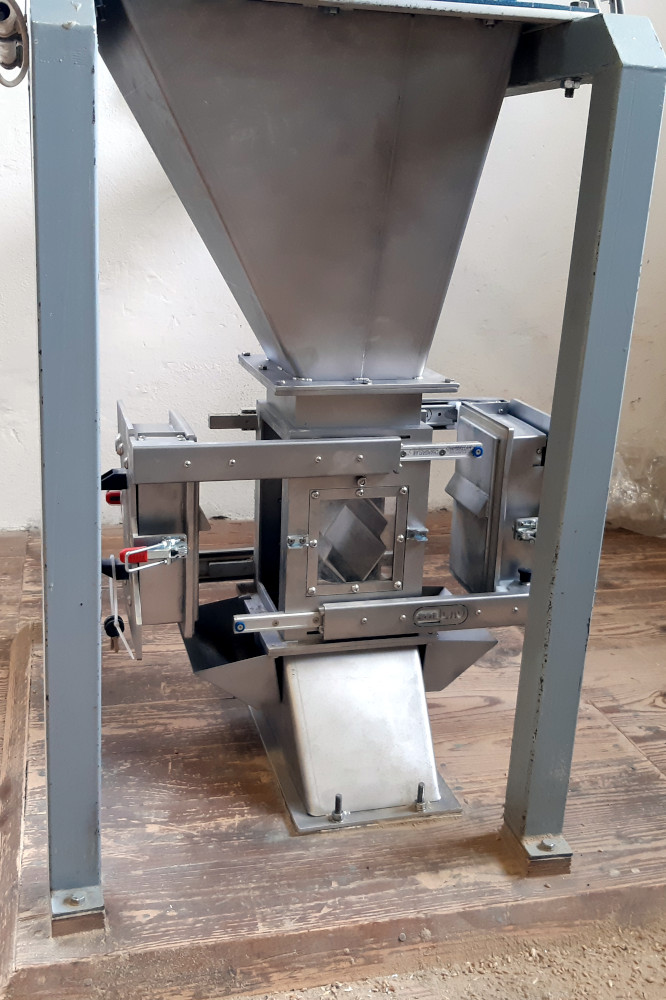
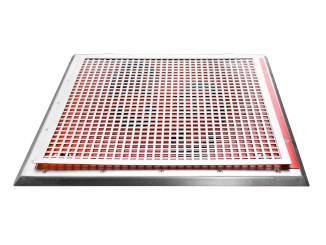
Housing grate separators MSS-MC with an induction of up to 18,700 G on the core are installed in gravity chutes ahead of the grinding roll. Because flour and similar materials bridge, instead of grate separators we deploy chute magnets, which do not clog and are therefore an excellent separation solution for this type of material.
In food operations where continuous monitoring of raw-material purity is important, the ML ALARM and MSS-MC ALARM separators represent a significant technological innovation. As the first magnetic separators in Europe equipped with a saturation indicator, they automatically alert the operator that the magnetic system needs cleaning. This helps maintain maximum separation efficiency, reduces unnecessary downtime and gives the operation a better overview of the actual condition of the equipment. Control sieving and removal of agglomerates are then ensured by vibrating sieves for the food industry.
*/
Confectionery and chocolate production
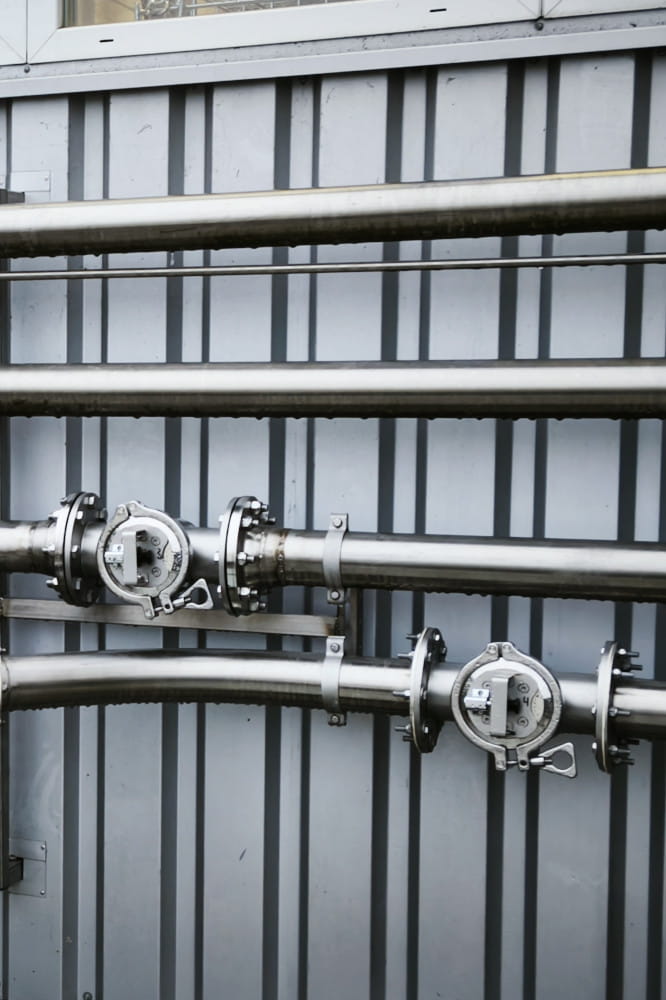
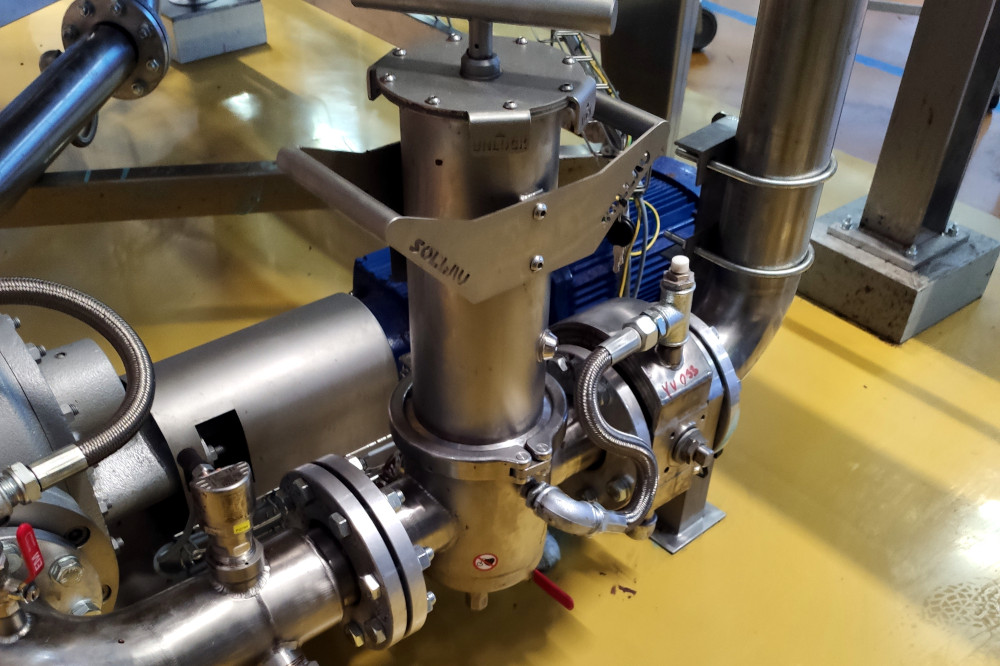
The separators are installed in pipeline routes for conveying chocolate, cocoa mass, fats, syrups, coatings and other viscous food products. To ensure smooth flow of the medium and prevent it from solidifying, they are usually equipped with heating by hot water or steam.
Thanks to their well-thought-out design, cleaning is fast and simple, which minimizes production downtime. Nevertheless, they achieve exceptionally high efficiency in capturing ferromagnetic contaminants, thus significantly contributing to protecting the quality of the final product and the production equipment.
The following equipment is most commonly used in confectionery production:
Spices, coffee, tea, pulses and bulk mixtures
Spices, herbs, cocoa or milk powder are poorly flowing and bridging materials – in hoppers they form bridges and ordinary grate separators penetrate them poorly. At the same time, these are products with the highest purity requirements.
The following equipment is most commonly used when processing bulk raw materials:
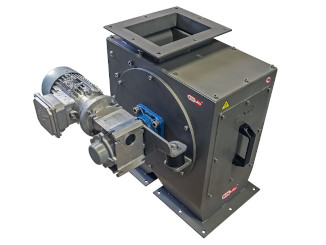
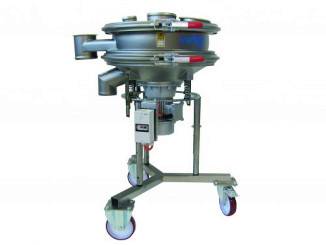
Grate separators are inserted into chutes ahead of mixing and ahead of the packaging machine; the rotational MSR-MC, with its rotating grate, breaks up the bridges of greasy and poorly flowing powders and captures particles from as little as 30 µm. Vibrating screens ensure control sieving and removal of agglomerates.
Dairies and liquid or paste-like foods
Milk, cream, yoghurts, syrups, jams, sauces and oils flow through pumped routes, where fine iron particles are released from the wear of dryers, homogenizers and pumps. With milk powder there is the additional problem of clumping of the high-fat powder.
The following equipment is most commonly used when processing liquid foods:
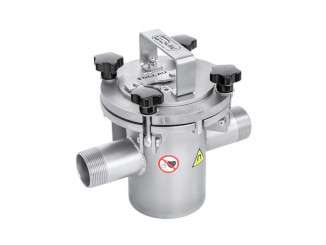
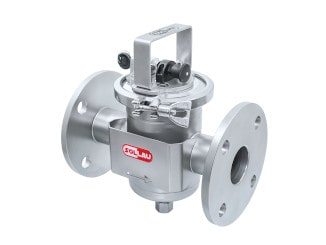
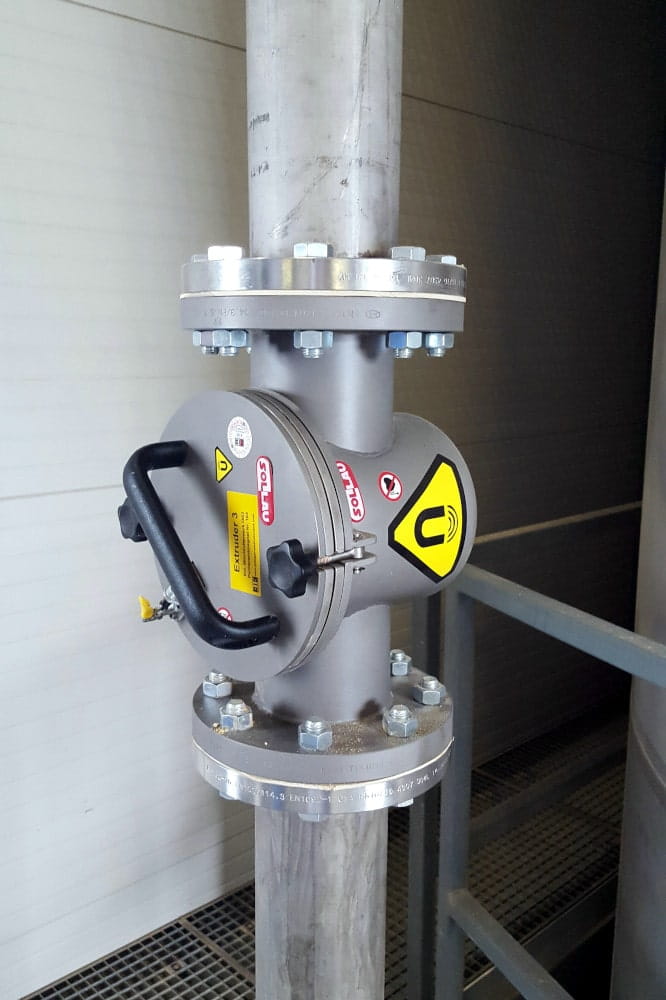
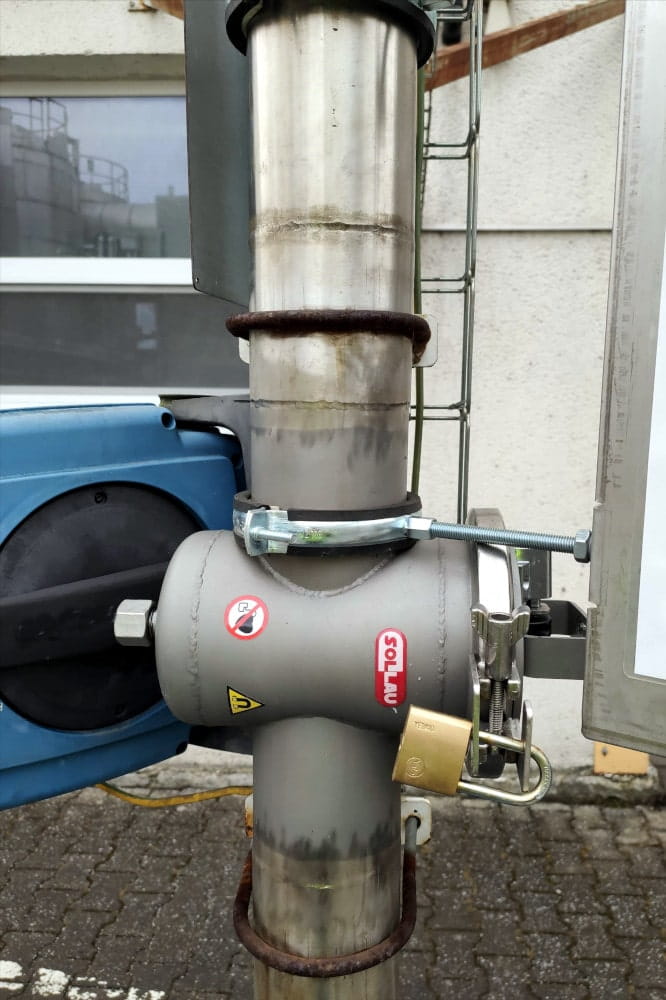
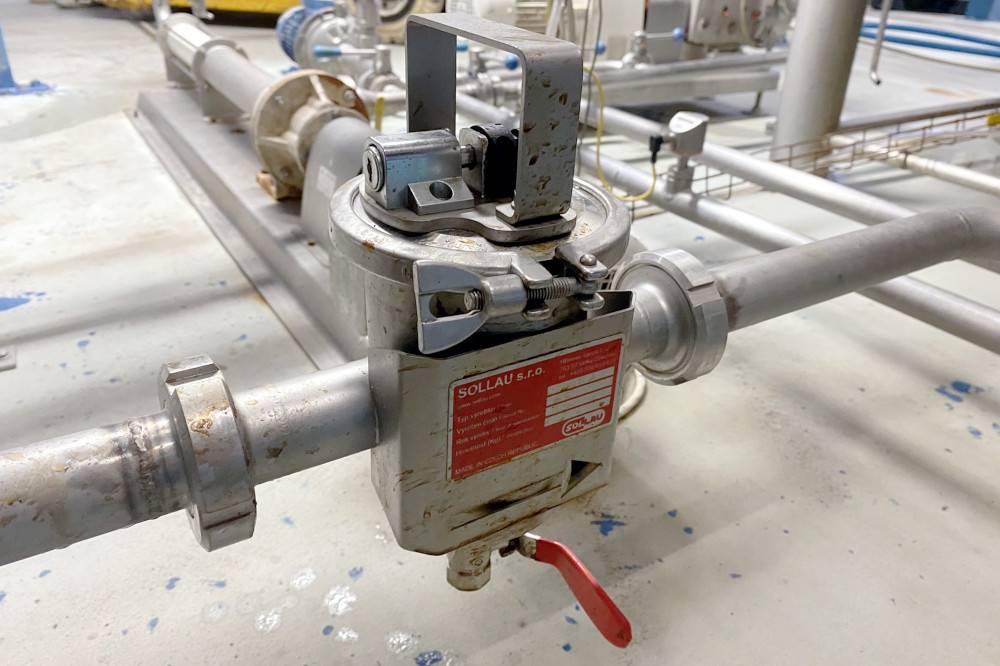
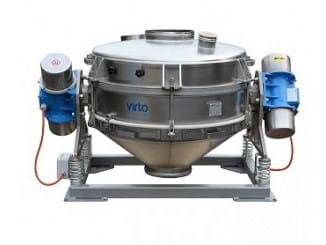
Magnetic filters are installed in the pipeline before filling – in a hygienic design made of food-grade stainless steel with support for CIP sanitation. For occasional cleaning the MSP-MC with manual cleaning is sufficient; for continuous operation choose the automatic MSP-AC, which cleans itself without stopping the line. Milk powder and whey are sieved by the multi-frequency X-line screens, which break up greasy lumps and standardize the particle size.
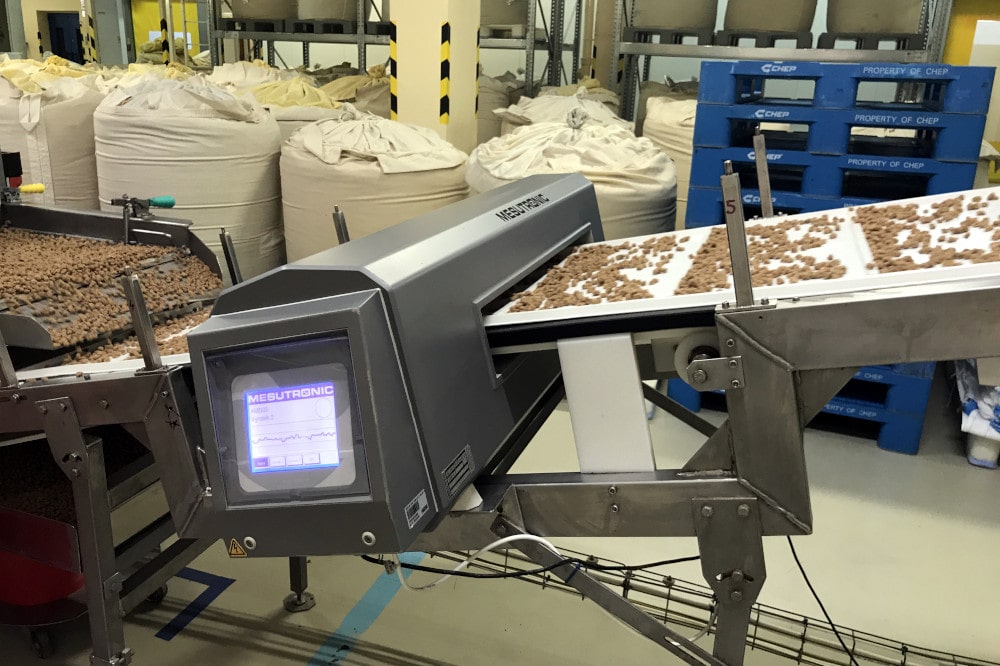
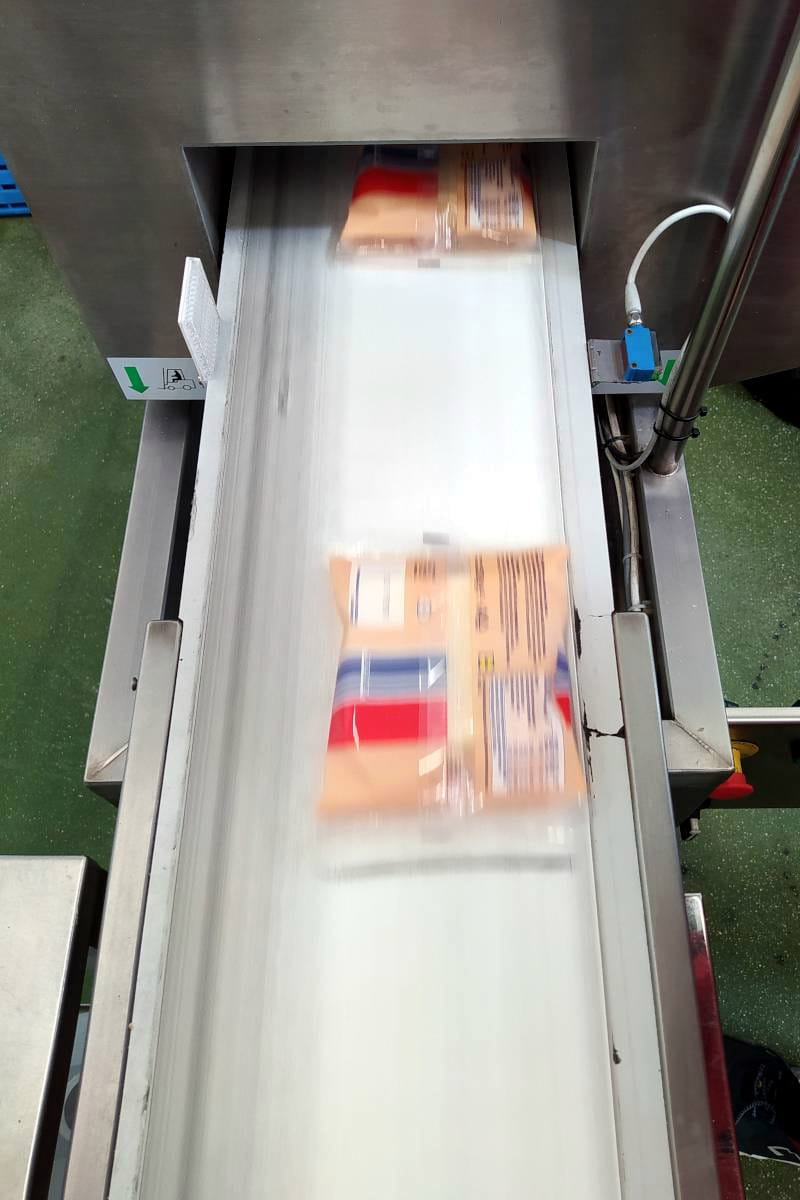
In the dairy industry, metal detectors are among the most widely used inspection technologies, and they are most often installed at the end of the production line to inspect the finally packaged products. Packaged cheeses, yoghurts, desserts and other dairy products thus undergo a final check just before dispatch, to verify their safety and rule out the presence of metal contaminants. Modern metal detectors can also handle demanding applications, such as products packaged in metallized films or packaging with aluminium lids, which are common for example with yoghurts, creams or dairy desserts.
Product effect: moist and salty products impair the sensitivity of metal detectors – our detectors for liquids and paste-like masses are designed to compensate for the product effect.
Meat, fish and frozen foods
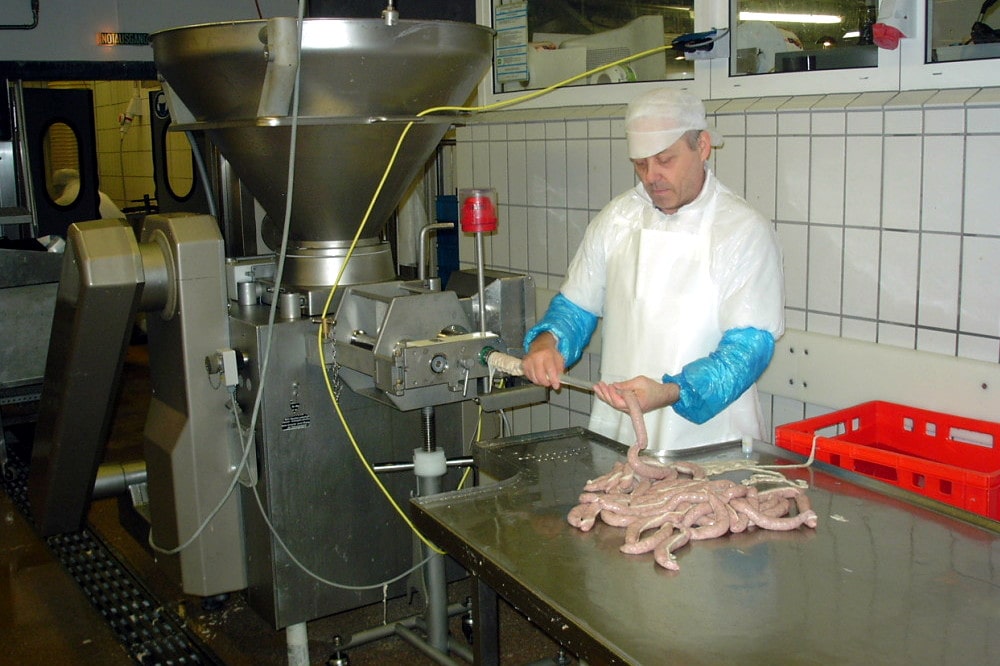
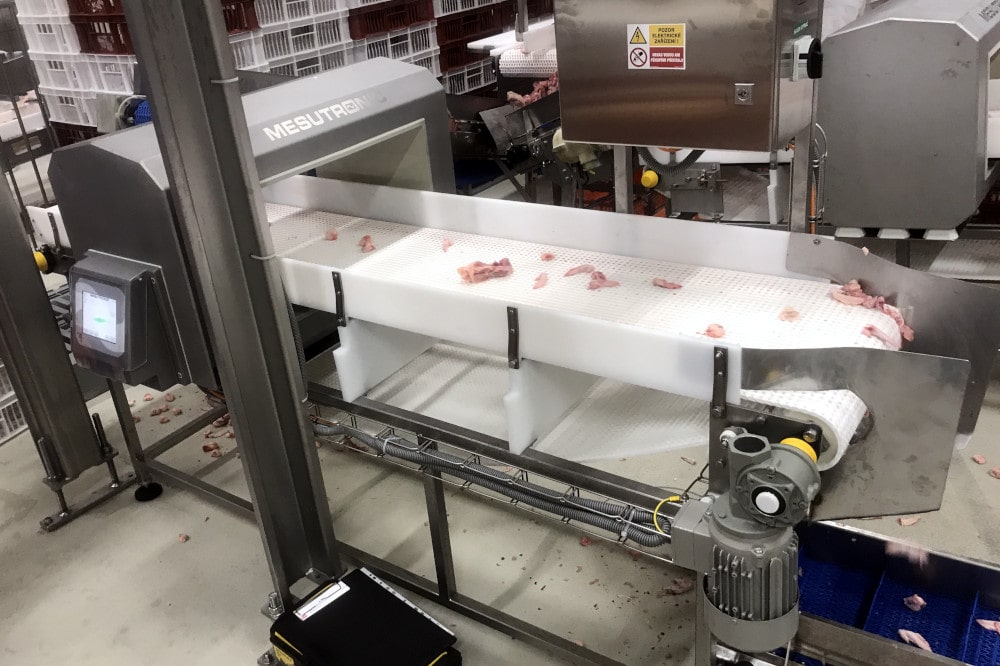
In the meat industry the most insidious contaminant is broken injector needles made of almost non-magnetic stainless steel and knife fragments; with frozen mixtures foreign bodies from field harvesting are added. Moist and salty products also complicate detection with a strong product effect.
The following equipment is most commonly used when processing meat and frozen foods:
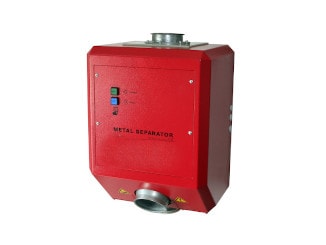
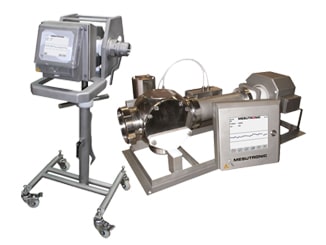
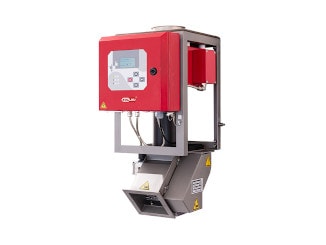
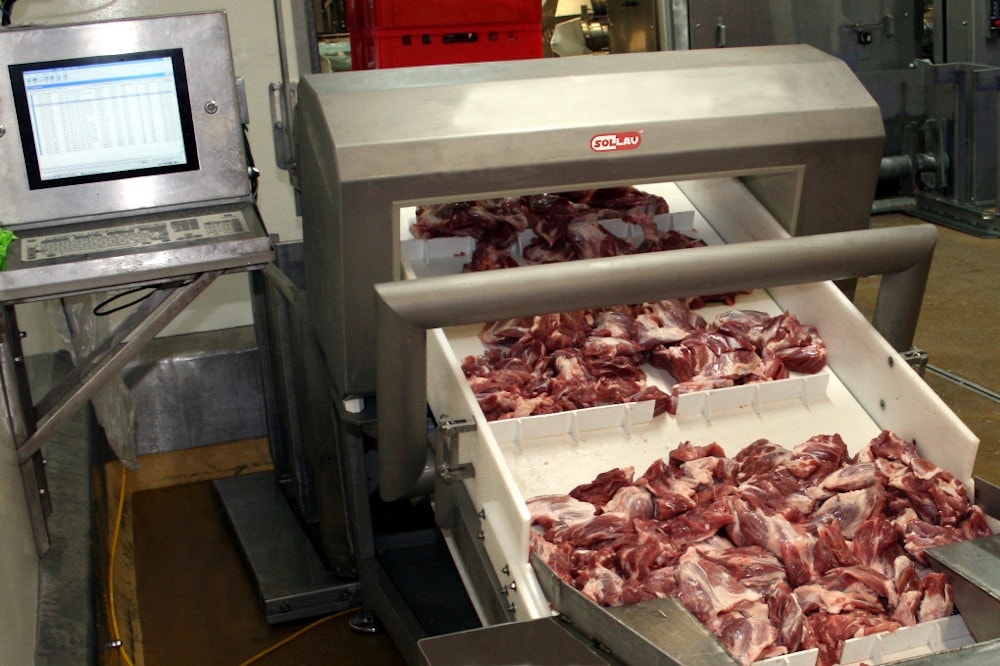
The tunnel detector METRON 07 CI is installed on a conveyor for both packaged and piece products.
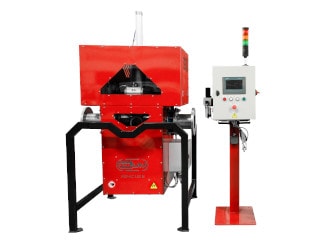
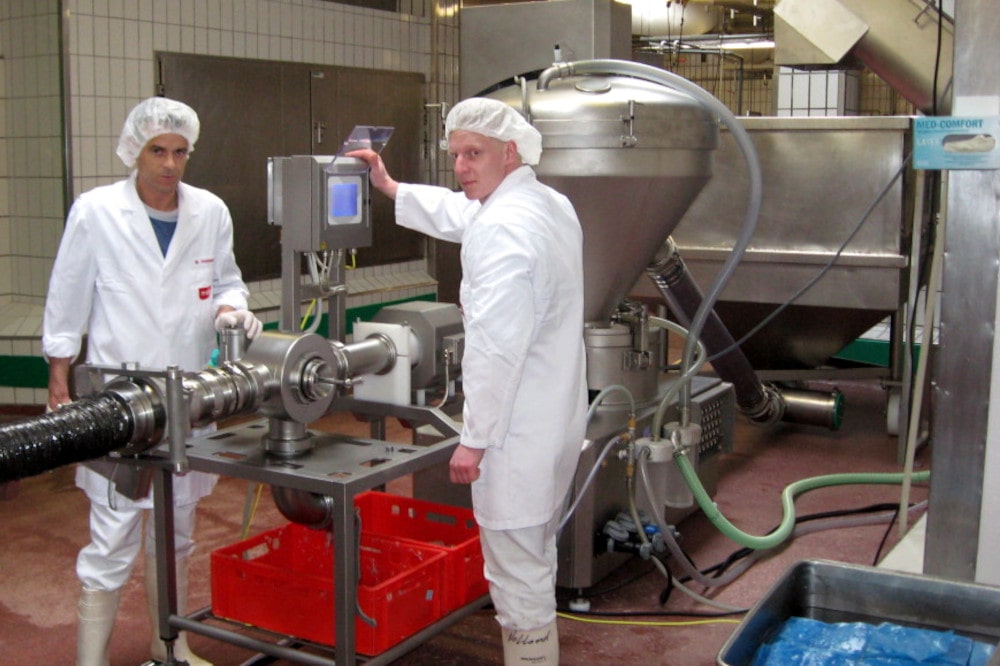
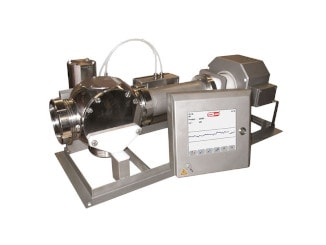
The metal detector MEATLINE 07 is designed for inspecting paste-like meat products directly during production. The mobile design allows it to be quickly connected to vacuum fillers, where it effectively detects metal contaminants even before the products are filled into packaging.
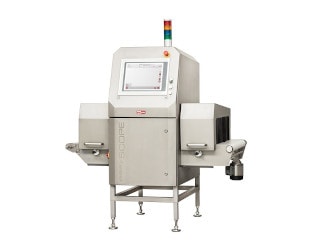
Where the detector reaches its limits – bones, glass, broken needles in a salty product – the easySCOPE inspection X-ray steps in.
Fragile and frozen products are conveyed gently and spread out ahead of the detector by vibrating conveyors.
Beverages and brewing
Most of the metal contamination of malt arises during transport and handling – which is why magnetic protection belongs right at intake. Otherwise metals damage grist mills, pumps and fittings and reduce the quality of the final beverage.
The following equipment is most commonly used in beverage operations:
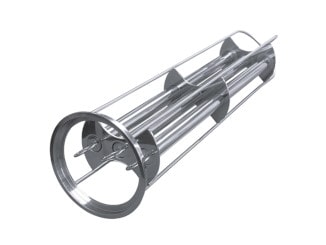
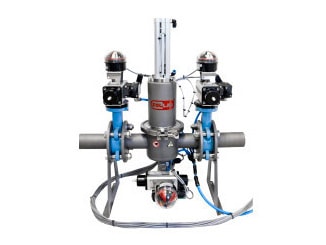
Grate separators and ML magnetic lanterns are installed at malt intake and ahead of the grist mill, while the MSP-S pipeline separator is used in the pressure conveying of malt into silos. Syrup and water lines are guarded by pipeline magnetic filters and the PIPELINE detector for pumped products.
Benefit: a protected grist mill, clean wort and a beverage without complaints.
Feed and premix production
Feed operations fight the same metals as food ones – and the most expensive victim is the pelletizing die. Granules and poorly flowing mixtures also call for robust flow-through separators.
The following equipment is most commonly used in feed production:
The separators are inserted into gravity chutes ahead of the pelletizing press and behind hoppers with screw take-off. Magnetic lanterns are often placed at the silo inlet to capture large contaminants – such as nails, screws and wires.
Damage to the pelletizing die = unnecessary machine maintenance costs!
Packaging, final inspection and hygiene zones
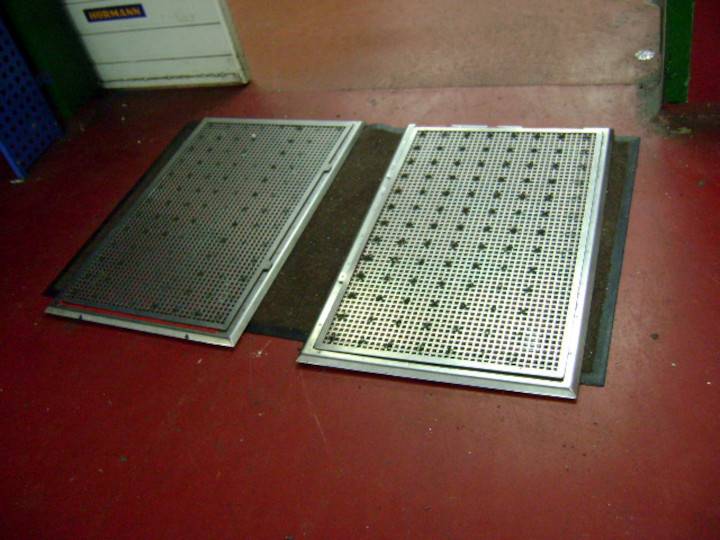
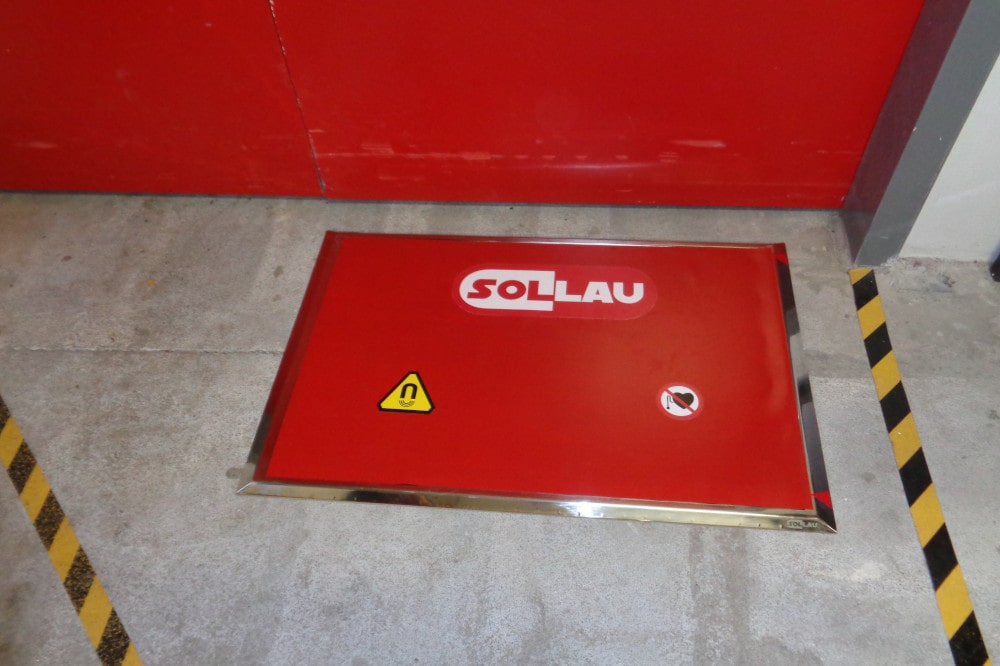
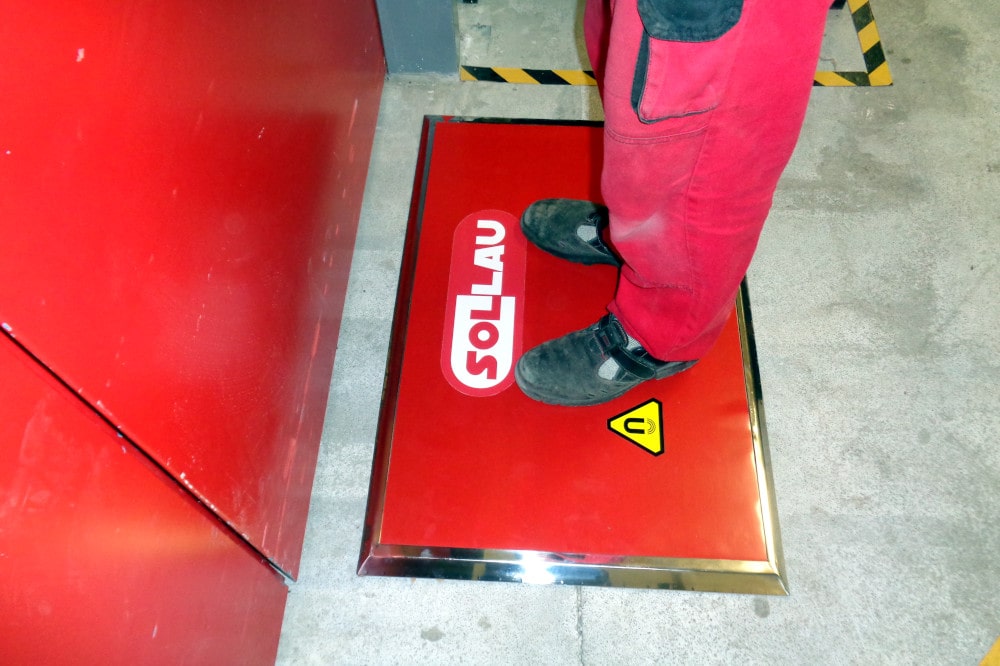
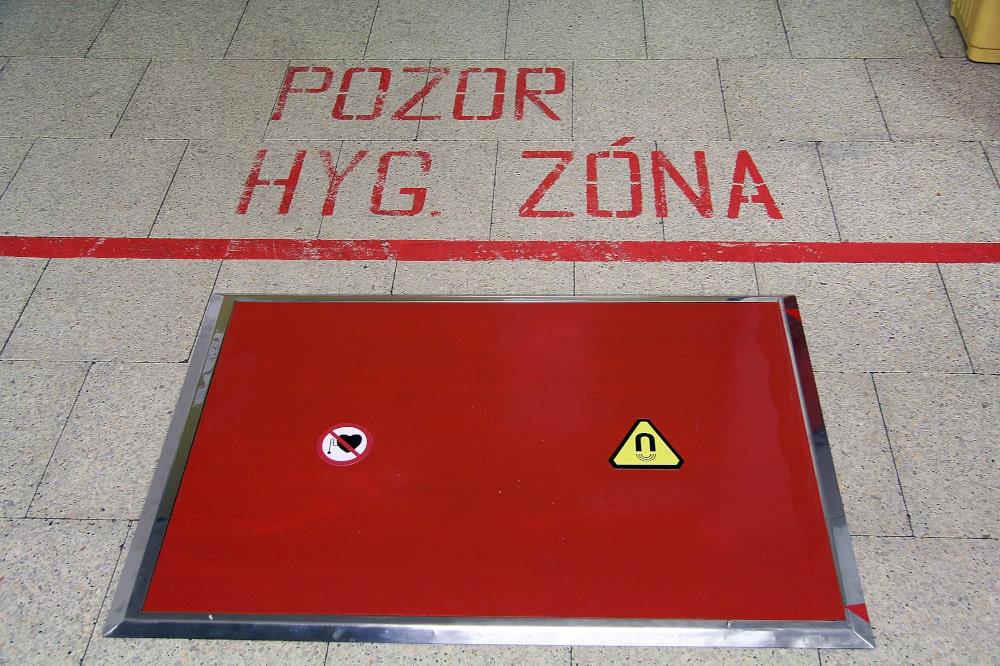
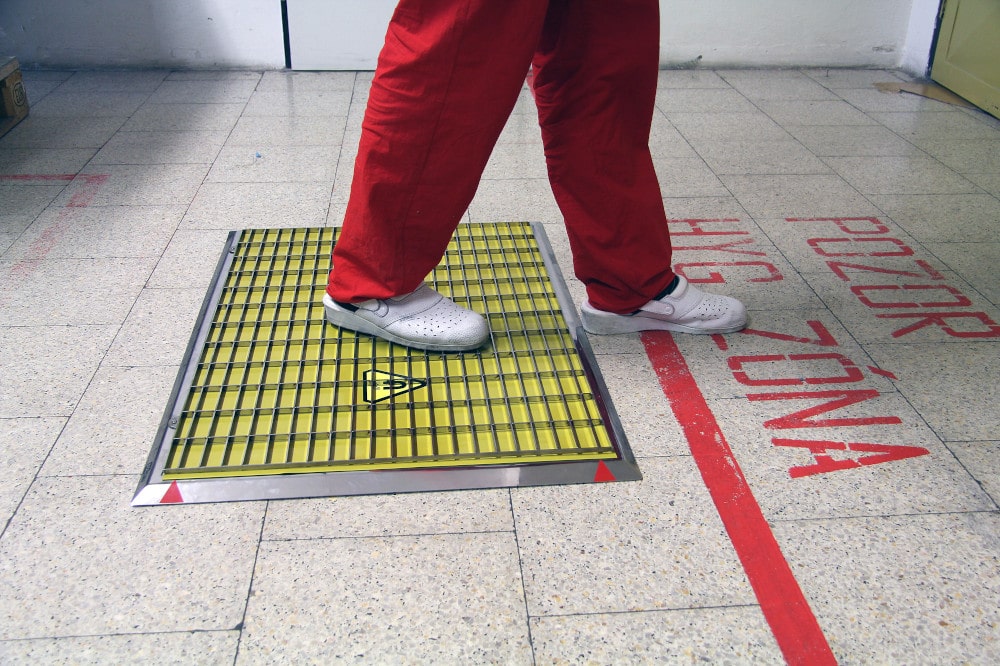
The last check before dispatch: metal detection at the end of the line is usually defined in HACCP plans as a critical control point. And metal contaminants also reach clean zones by an unexpected route – on employees' footwear.
The following equipment is most commonly used at the end of production:
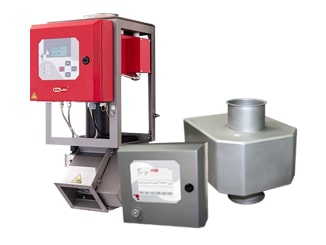
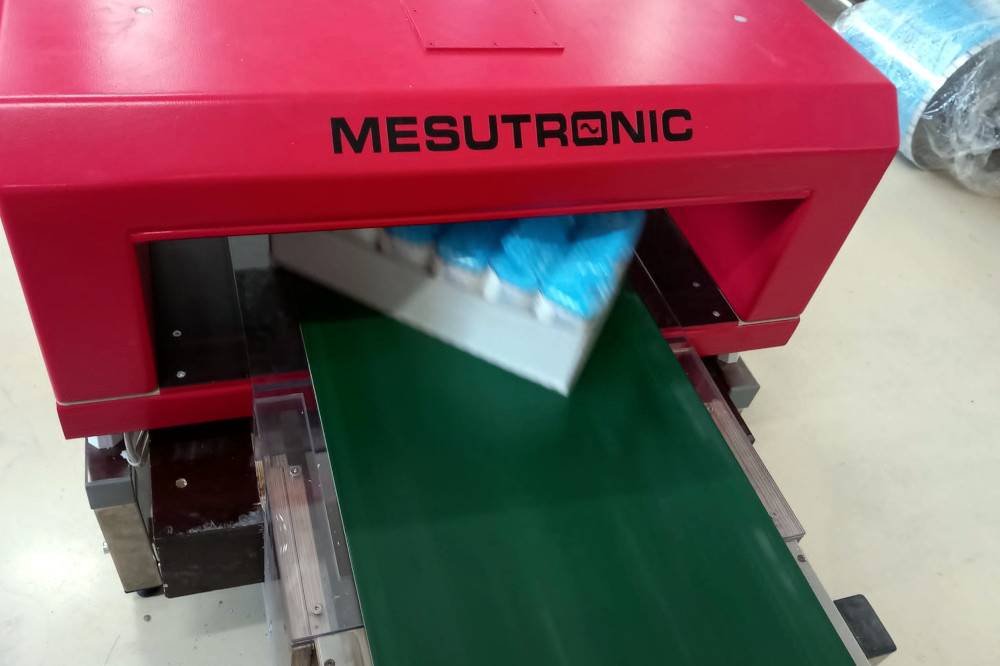
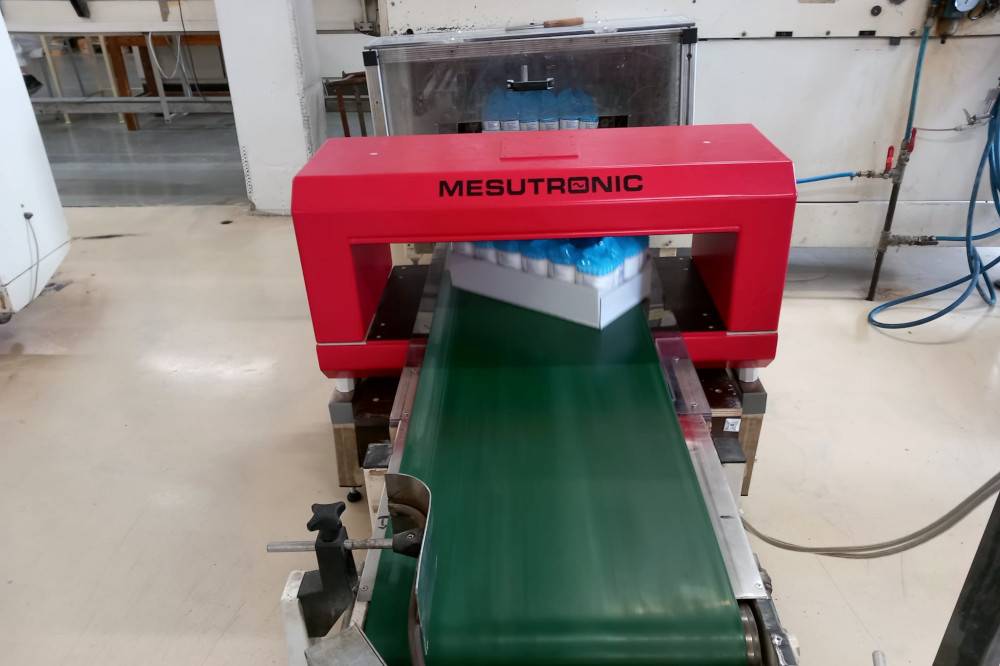
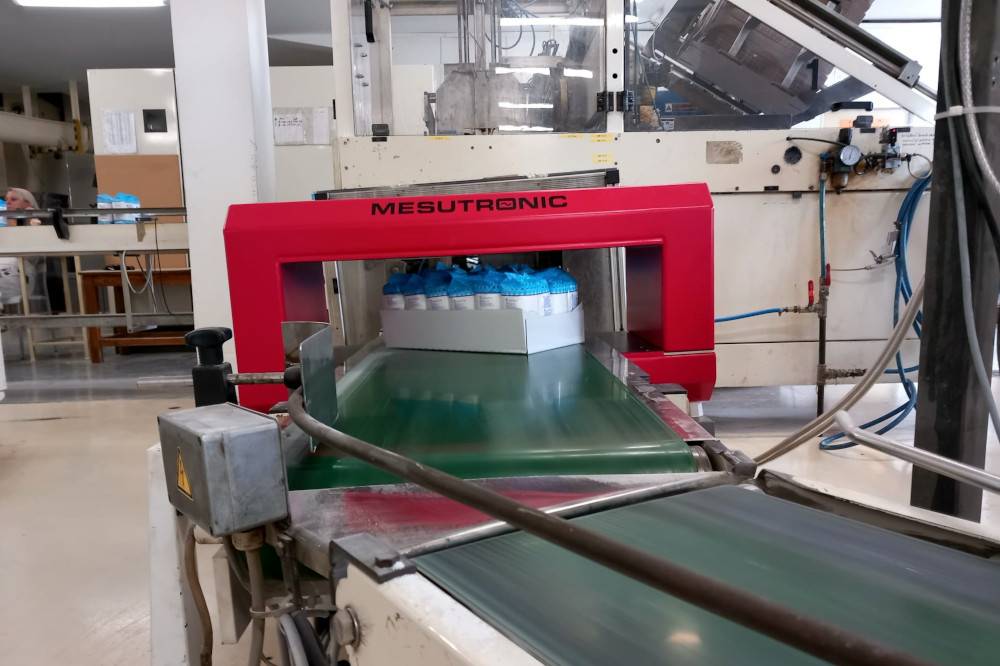
Free-fall detectors are inserted into gravity flow ahead of the packaging machine, while tunnel detectors inspect the packaged products behind the packer.
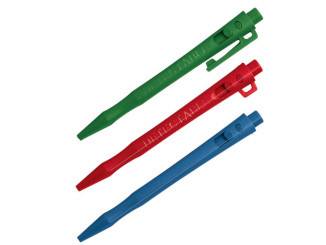
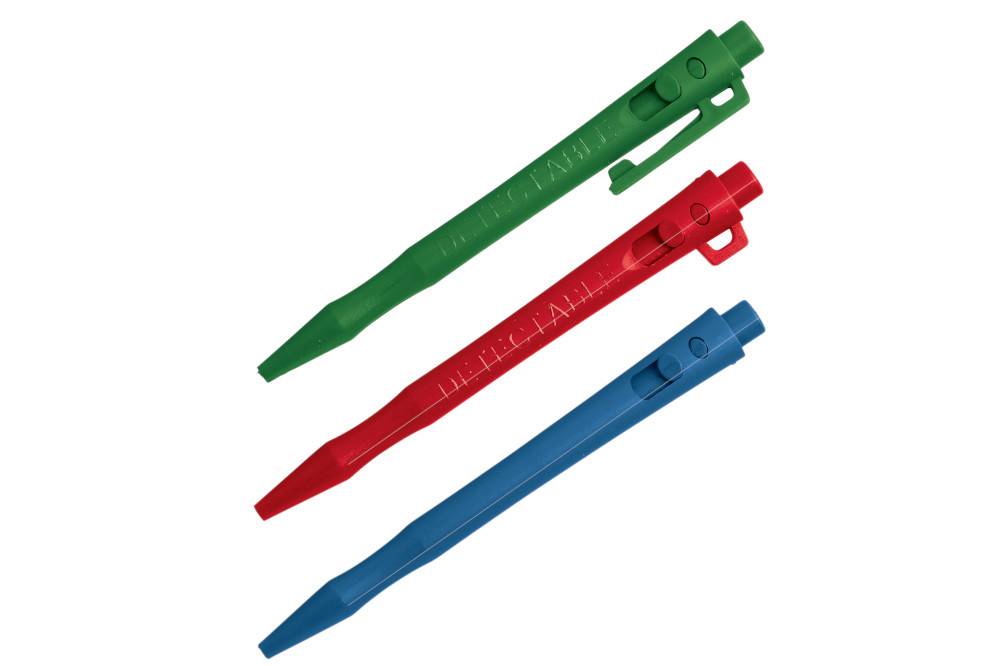
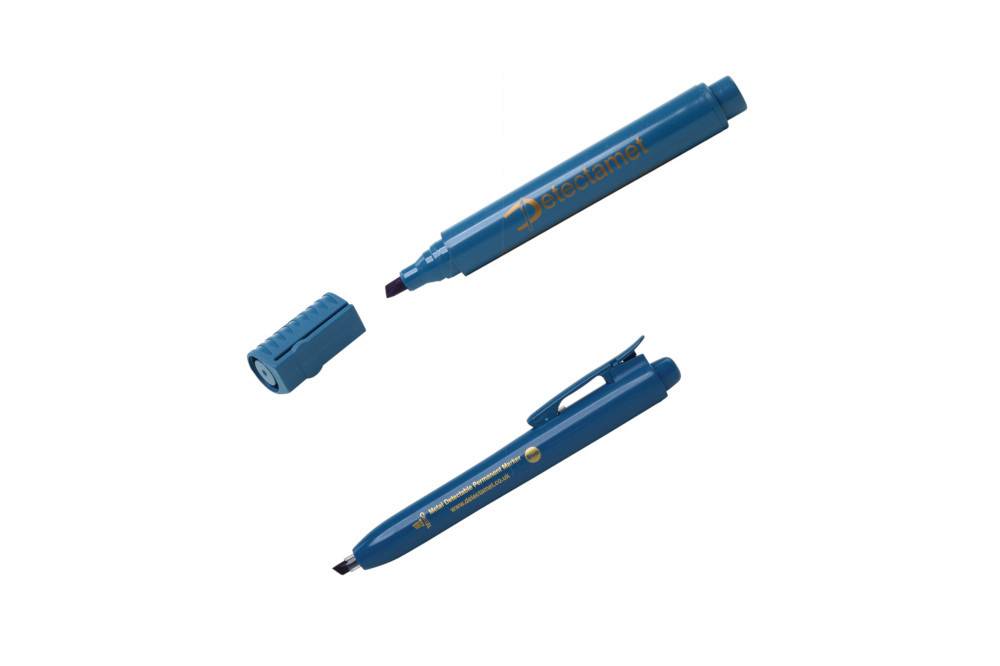
Magnetic mats MM at the entrances to hygiene zones capture metal contaminants from the soles of employees' shoes, and detectable pens and accessories complete the foreign-body prevention system.
FREQUENTLY ASKED QUESTIONS
CASE STUDIES
10. 2. 2026
Separation goal:
The aim was to increase the quality of magnetic separation during the processing of legumes and oilseeds. Fe particles larger than 1 µm should be captured...
27. 1. 2026
Filtration objective:
Removal of ferrous particles from 1 micron. Achievement of the maximum product purity.
Solution:
After the application of the magnetic fi lter no ferrous...
16. 5. 2025
A pasta maker was looking for an effective solution to remove ferrous contaminants when filling the silo.
Problem
To produce top-quality pasta, all the raw materials (cereals)...
11. 7. 2024
Initial status
One of the leading food manufacturers processes fats for confectionery production. 100 °C hot fat is led through pipes with diameters of 40 and 100 mm.
Problem
18. 4. 2024
Initial status
We were contacted by a salt producer with a request to design a metal detector. They were already using an older metal detector, but its sensitivity was completely...
4. 4. 2024
Initial status
We were dealing with a problem of magnetic separation in a company producing feed granules. Dried green fodder (alfalfa, clover) is processed into 8 mm granules...
21. 3. 2024
Initial status
In food production the final product is often contaminated with metal particles. A food manufacturer faced regular problems with the transfer of metal contaminants...
14. 12. 2023
Initial status
Our customer, who produces dried spices and herbs, was struggling with the fact that metal particles were constantly found in the final products.
Problem
For sugar production we have a separate industry page: Magnetic separators – sugar production.
REFERENCES
SOLLAU is a proud supplier of magnetic separators to the following companies
CONTACTS
Do you have questions about our products? Do not hesitate to contact us!
Our team of sales specialists is ready to give you full support and help you find the best solution for your needs in the field of magnetic separation. We offer not only standard solutions but also custom-made ones, so you need not shy away from even more complex technical challenges. Just contact us and we will be glad to help.
You can contact us by phone, email or through our web form.













 +420 773 323 773
 petr.zbranek@sollau.cz