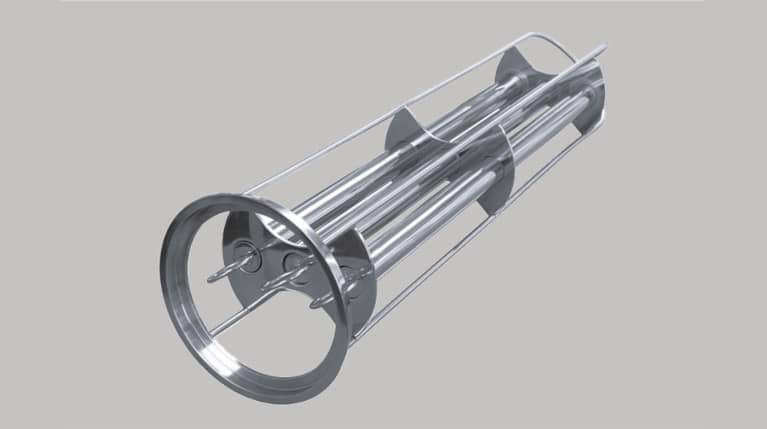
Magnets into bag filters MSF
The bag filter magnet is used wherever there is a need to separate metals from liquids and where fabric filters are still used for this separation. The separation efficiency of these fabric filters will be significantly increased by using our filter bag magnet, which will be inserted into the current fabric filter. This results in a double filtration - not only a mechanical (textile filter), but also a magnetic one (the magnet for bag filters is fitted with a magnetic rod generating a magnetic induction of 9,000 G!).
Benefits of using the separator
- Material without ferromagnetic impurities
- Significant increase in separation quality
- Extending the lifetime of textile filters
- Reducing the costs of textile filters
Easy placing an order in e-shop
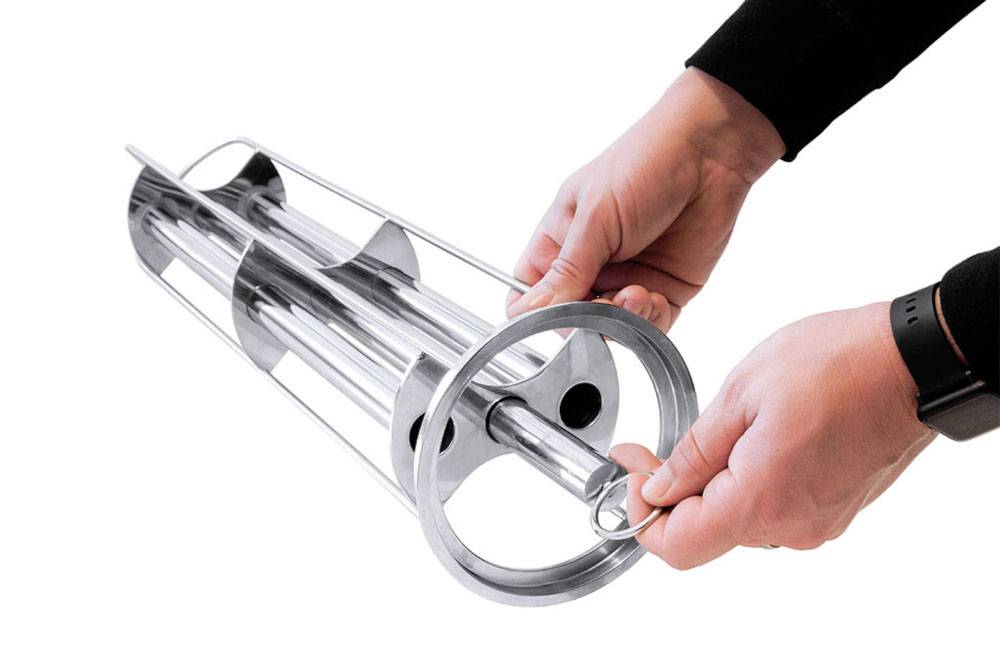
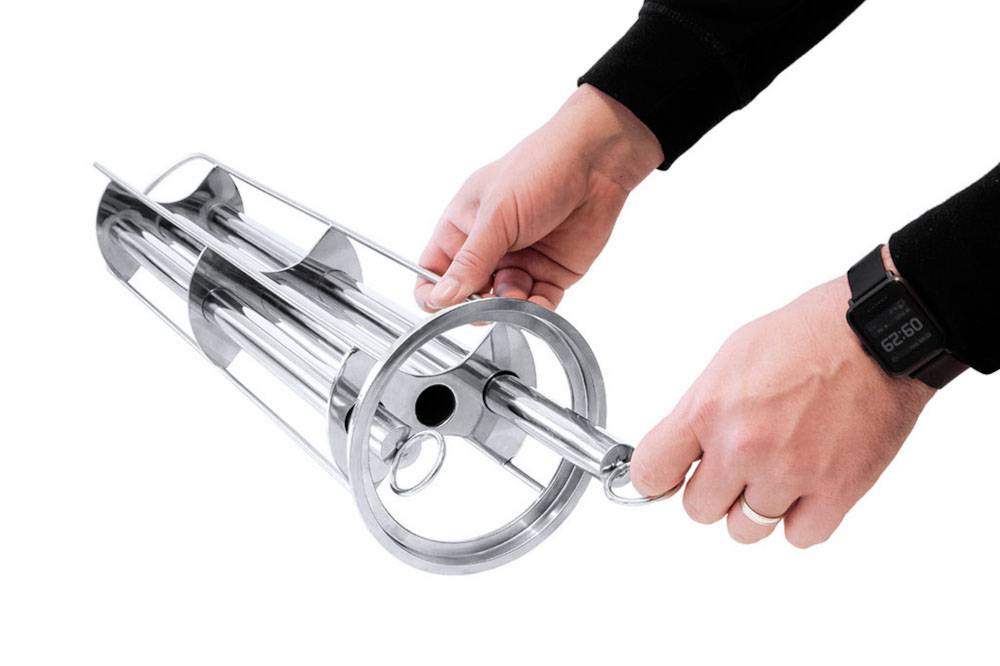
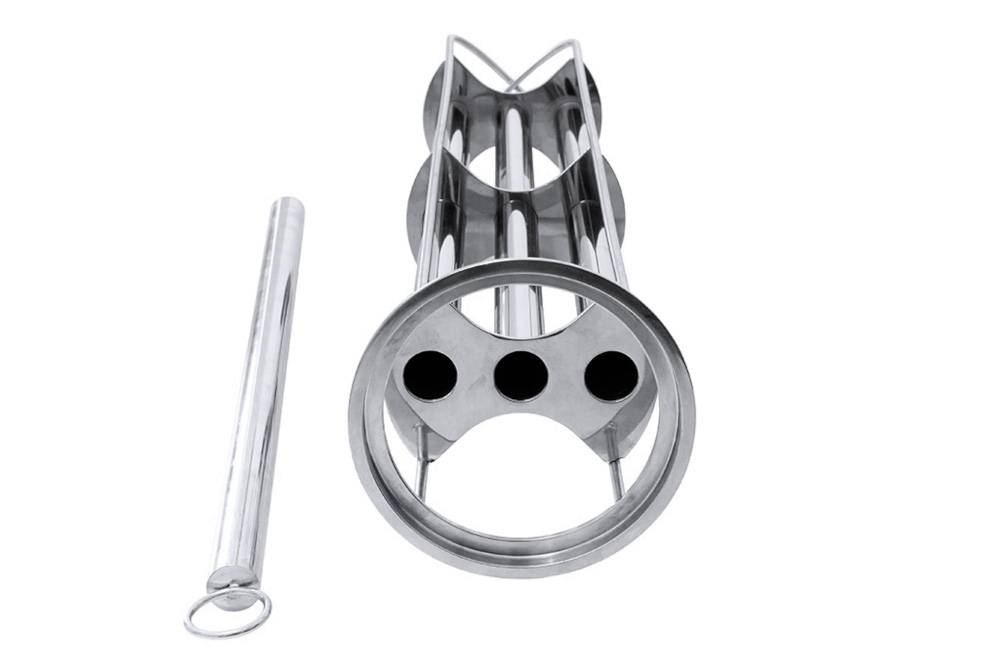
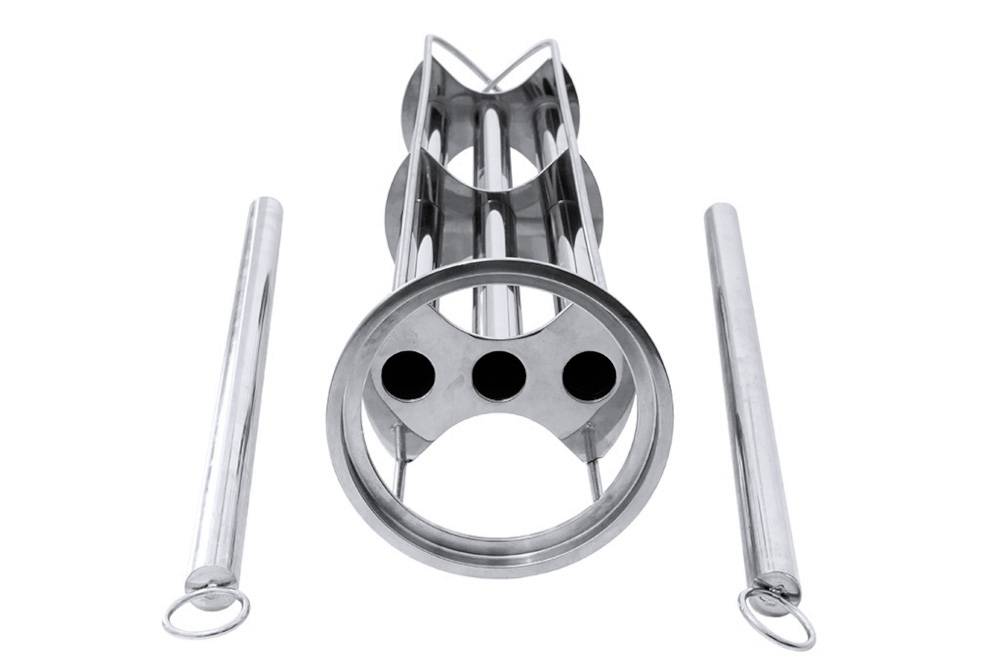
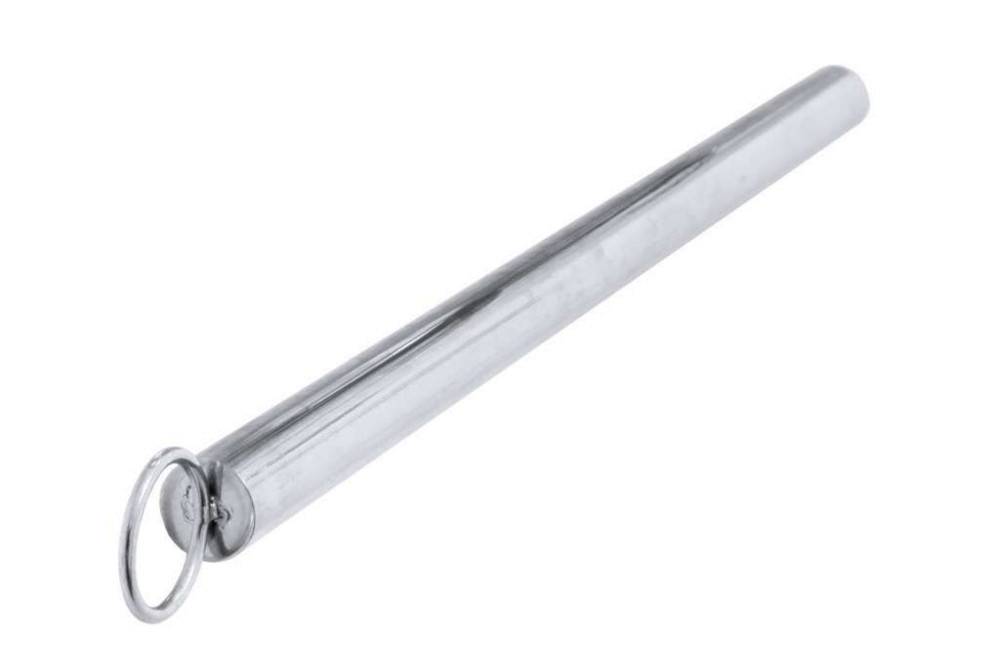
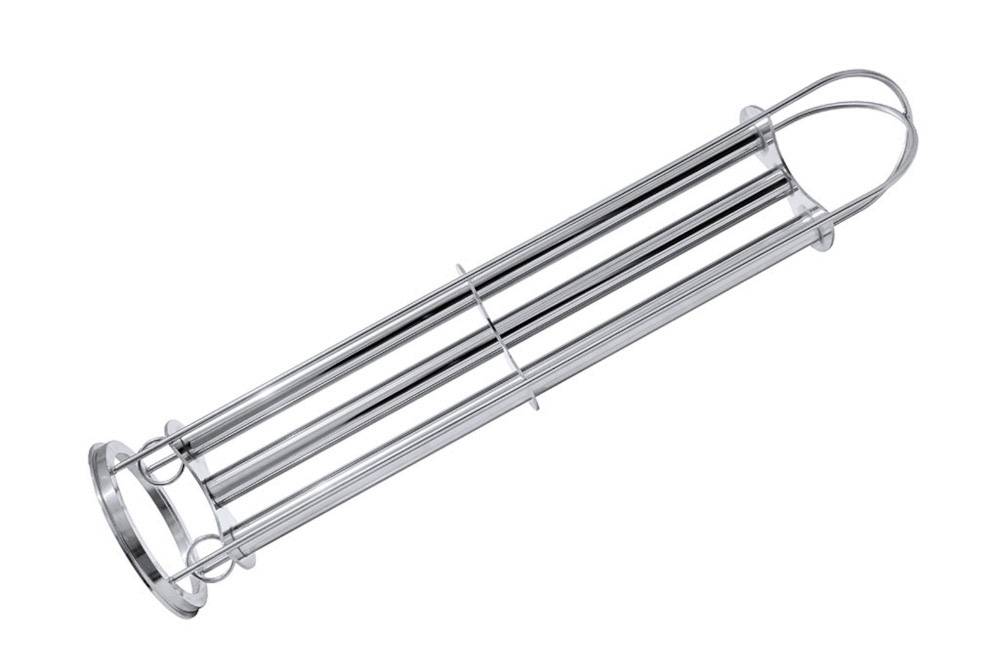
The bag filter magnet consists of a magnetic rod with very high magnetic induction (9,000 G) and a universal carrier. The rods will be inserted into it (one or two magnetic rods can be used - in dependence on the customer's requirement for the magnetic separation level). The carrier includes the cover tubes into which the magnetic rods will be inserted. In this way it will be achieved that contaminants will be trapped on the cover tube surface, making its cleaning easy and quick. Thanks to using magnetic rods with an optimally designed magnetic circuit, we can get a high magnetic induction - 9,000 G on the cover tube surface (i.e. at the point of contact with the separated medium).
Due to the use of these very strong magnetic rods, even very fine ferromagnetic impurities in the order of micrometer-units can be separated. The efficiency of the textile filters in use will be significantly increased.
The carrier of the magnetic rods is designed to comply in size with the sleeve filters used. We supply two types of carriers of different lengths.
Another major reason for using our separator (besides the high level of magnetic separation) is the fact that using the magnet bag filters extends the lifetime of used textile filters. This results in also reduced costs and longer replacement intervals.
Using
According to your needs, insert one or two magnetic rods into the carrier. Insert the magnetic separator, built-up in this way, into the bag filter. You will achieve a highly efficient device to separate very fine ferromagnetic and non-magnetic particles as well.
Which way is the bag filter magnet cleaned?
- Take out the carrier with magnets from the textile filter.
- Gradually remove the magnetic rods from the carrier and put them in a safe place .
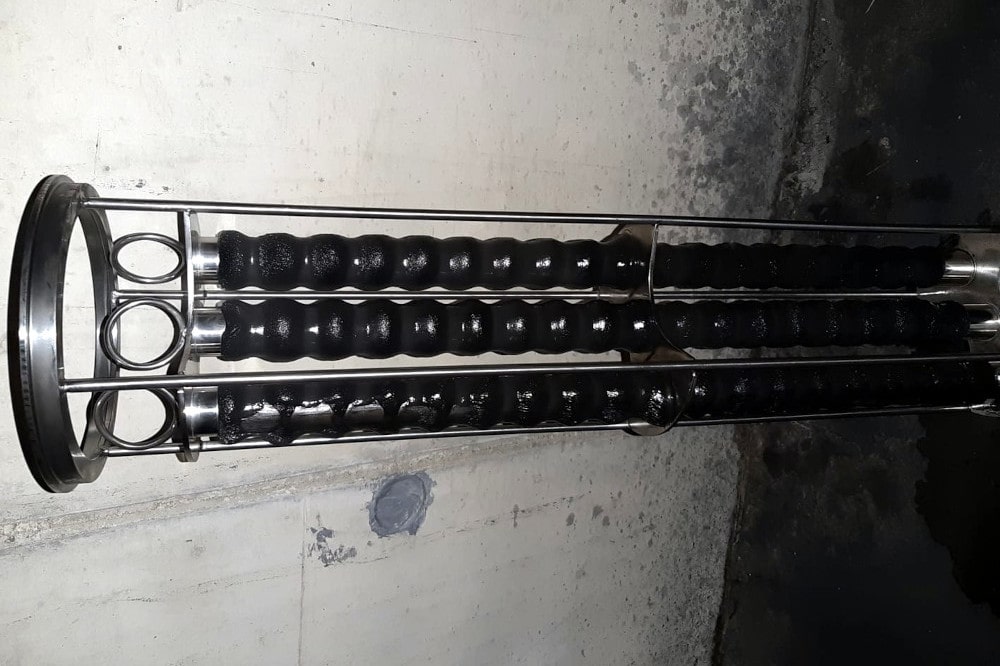
- Metals caught on the cover tubes of the carrier fall off spontaneously (no longer held with magnets). In case of need you can clean them manually by wiping or a water stream.
- Insert the magnetic rods back into the carrier and the carrier put back into the fabric filter.
MSF-S
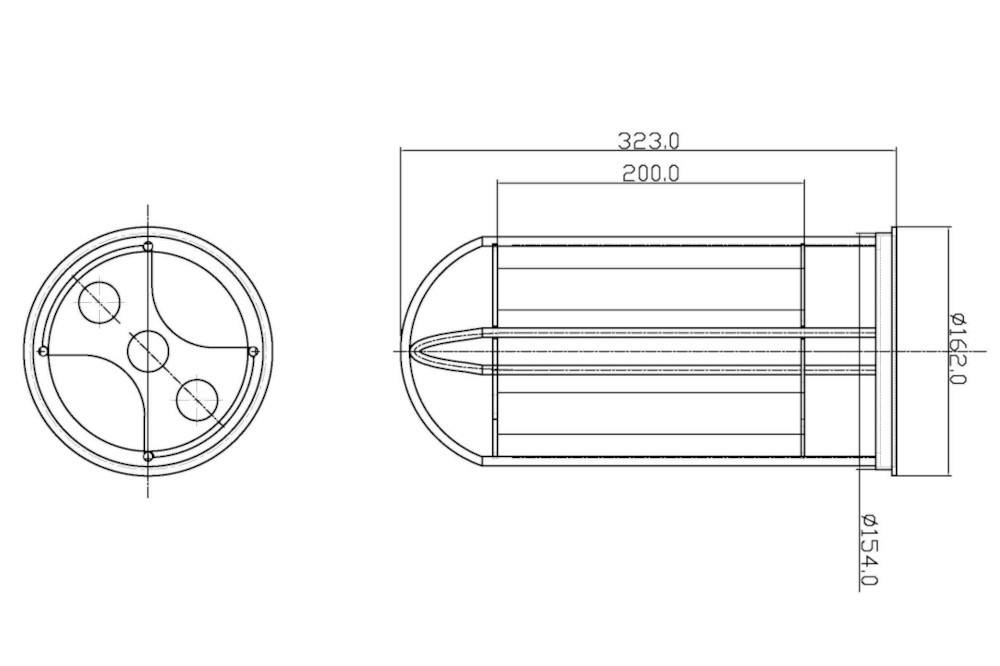
- Short magnets for bag filters
- Stainless steel carrier length: 323 mm
- Magnetic rod length: 200 mm
- Possible using of 1 to 3 magnetic rods
- High separation quality: 9 000 G at the point of contact with the processed material
- Dimensionally compatible with standard sleeve filters
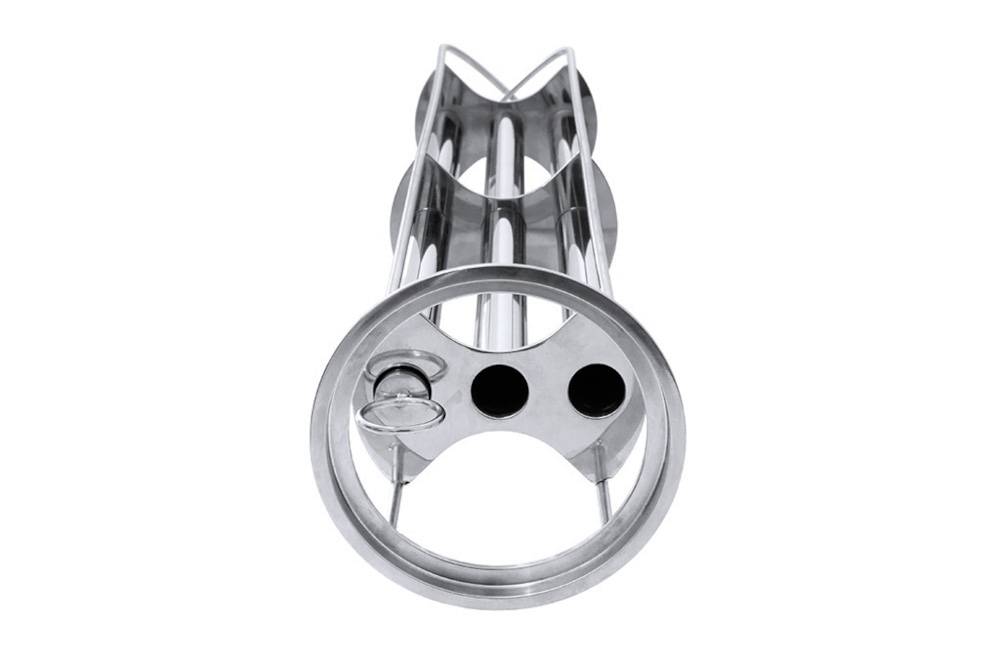
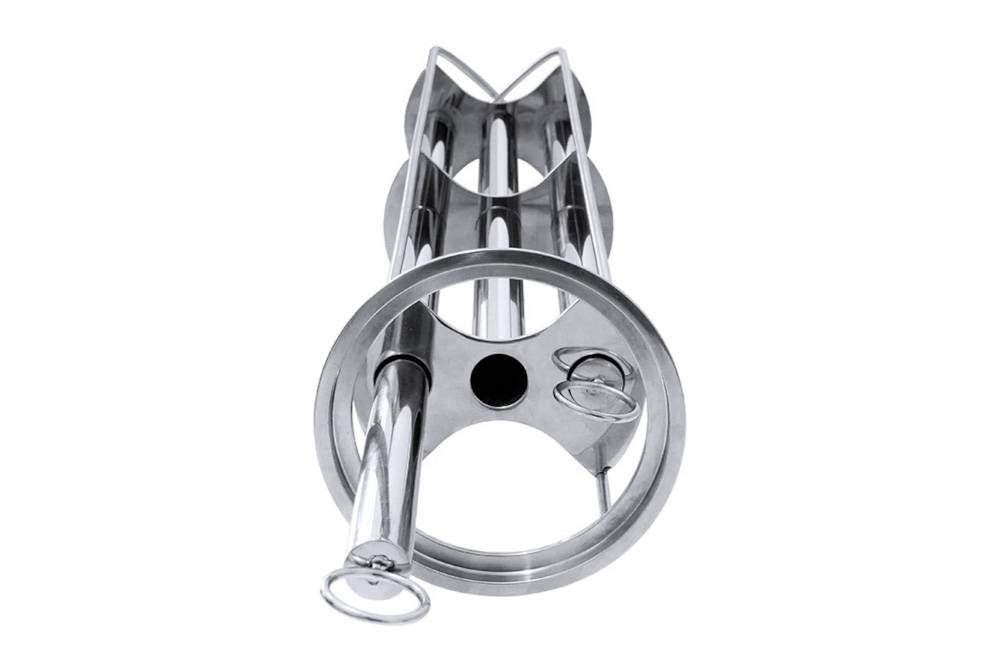
MSF-L
- Long magnets for bag filters
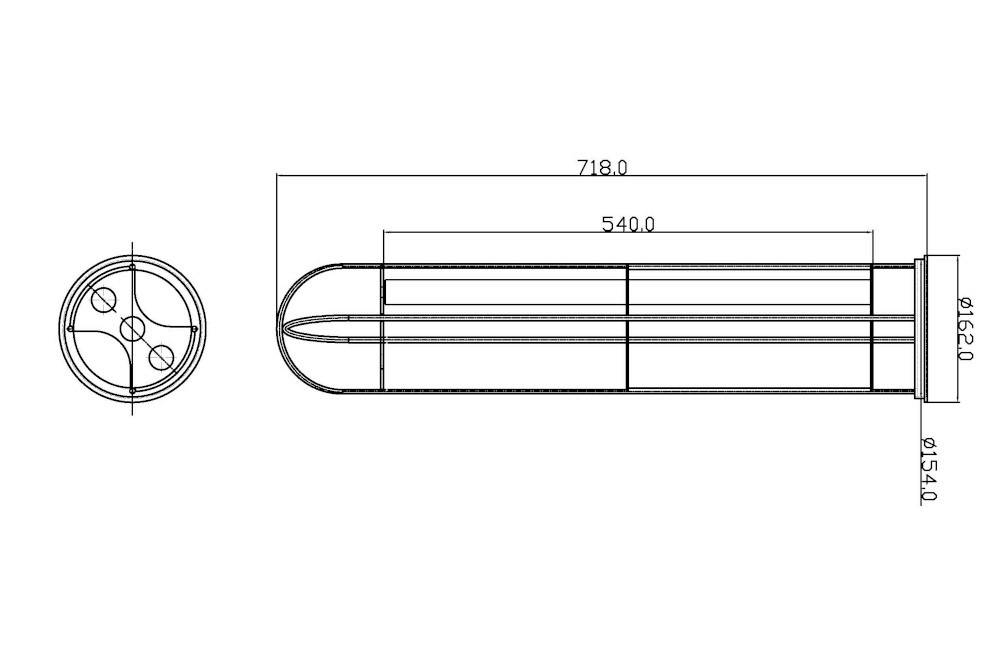
- Stainless steel carrier length: 718 mm
- Magnetic rod length: 540 mm
- Possible using of 1 to 3 magnetic rods
- High separation quality: 9 000 G at the point of contact with the processed material
- Dimensionally compatible with standard sleeve filters
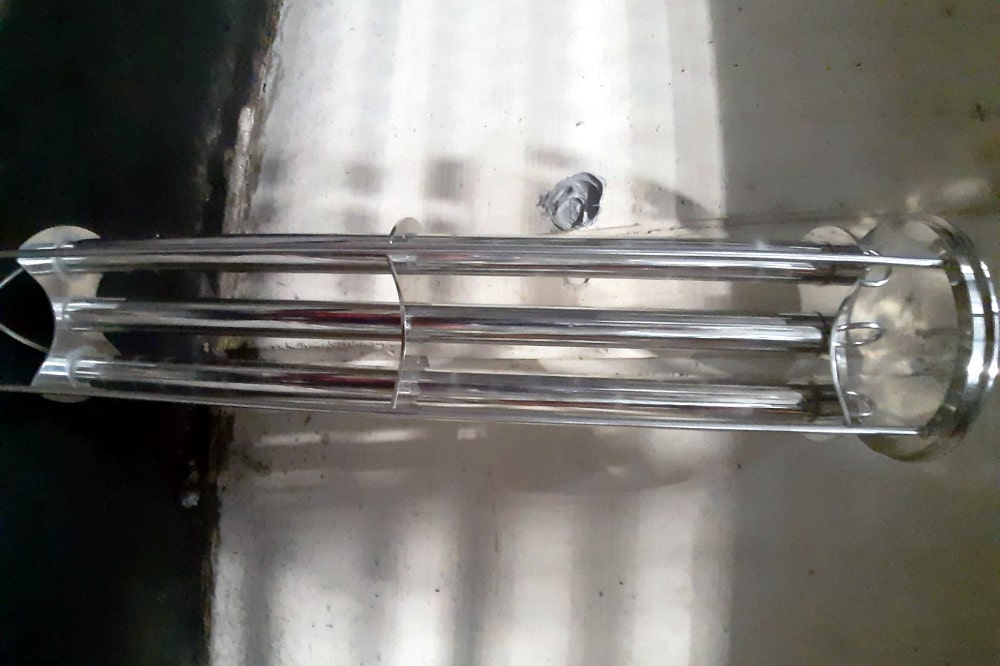
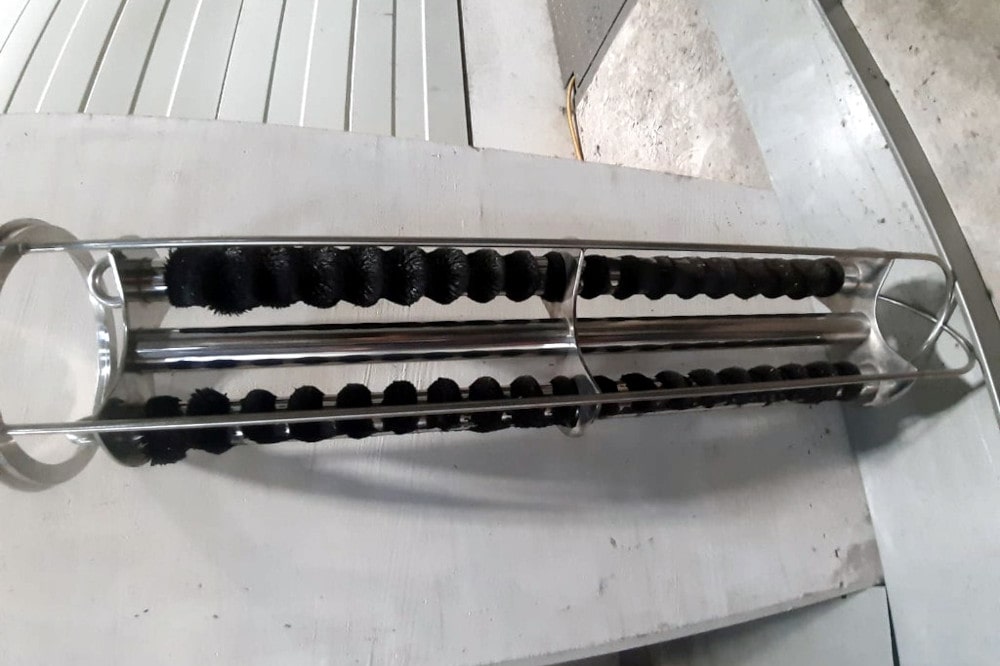
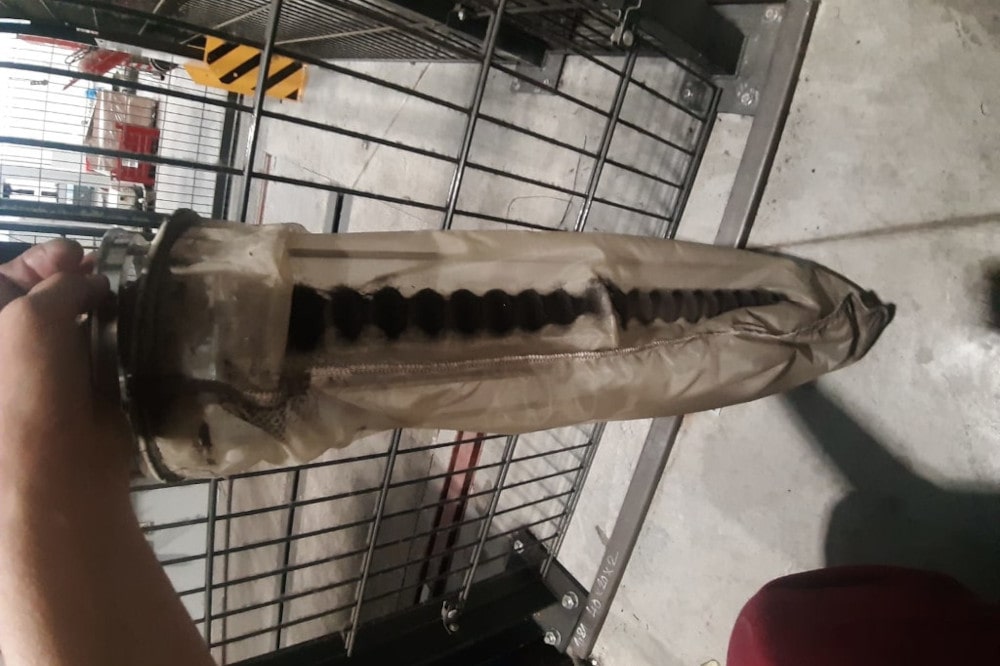
The MSF is designed for operations where bag (fabric) filters are already used for liquid filtration and where modifying the pipework is not possible or desirable. Simply insert it into the existing fabric filter and achieve dual filtration — both mechanical and magnetic — without any construction or piping changes. If the liquid does not pass through a bag filter, we recommend inline magnetic separators such as the MSP-MC or MSP-S.
Thanks to magnetic rods with an induction of 9,000 G on the surface of the protective tube, the MSF captures ferromagnetic contaminants from just a few micrometres in size. These are particles that a fabric filter alone would not retain — capturing them significantly extends the service life of the filter medium. Only ferromagnetic particles are captured; for separation of non-magnetic metals, a different solution must be chosen.
The MSF-S has a holder length of 323 mm (rod 200 mm) and the MSF-L a holder length of 718 mm (rod 540 mm); the holder diameter is 162 mm for both variants and both are dimensionally compatible with commonly used bag filters. The choice depends on the length of your existing filter basket — the shorter MSF-S for standard short filters, the MSF-L for larger filter bodies. We are happy to help you choose the right variant based on your filtration parameters.
One to three magnetic rods can be inserted into the holder depending on the required level of magnetic separation and the degree of contamination of the liquid with ferromagnetic particles. The more rods, the higher the capture capacity — and at the same time the higher the demands on cleaning frequency. We will help you determine the correct number of rods based on free tests of your material.
Cleaning is quick and requires no tools: remove the holder from the filter, pull the magnetic rods out of the protective tubes and the captured metals fall off by themselves — or wipe or rinse them off with a stream of water. The rod-in-tube system ensures that contaminants are collected on the surface of the protective tube, not directly on the magnet, which greatly simplifies the whole process. After cleaning, insert the rods back into the holder and return it to the fabric filter.
The MSF is used wherever fabric filters are employed for liquid filtration and where the presence of ferromagnetic metals in the medium is undesirable. We supply it most frequently to the food industry, the automotive industry and the chemical industry including paint and coating production. It is suitable for process liquids, cooling media, oils, emulsions and other industrial fluids.
By capturing ferromagnetic contaminants before they reach the fabric filter, the MSF extends the service life of the filter medium and lengthens its replacement interval. This reduces both the direct costs of filter bags and the indirect costs associated with downtime during their replacement. The initial cost of the MSF is quickly recovered in practice through savings on filtration operating costs.