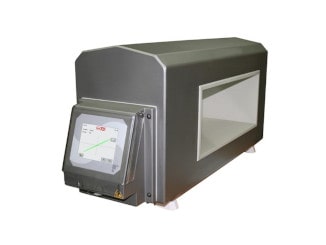
Separation of iron particles from feathers (case study)
20. 8. 2023
Initial status
A prominent Czech manufacturer and member of an international consortium of companies involved in feather processing and the production of high-quality duvets...
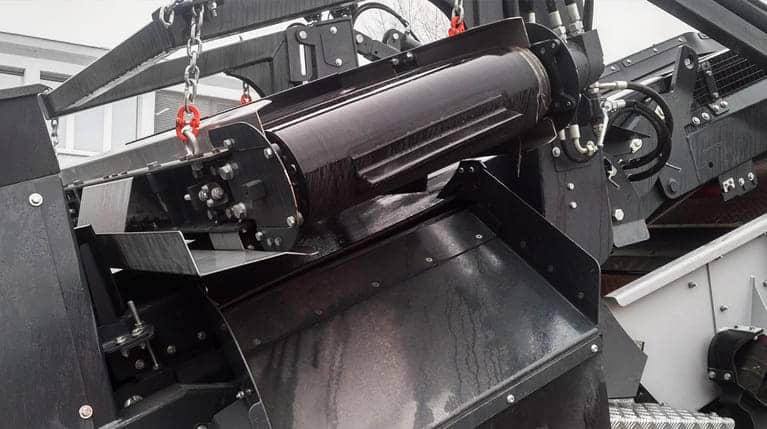
We develop, produce and apply devices for magnetic separation. Our magnetic separators are designed and manufactured exactly in a made-to-measure way as per your needs.
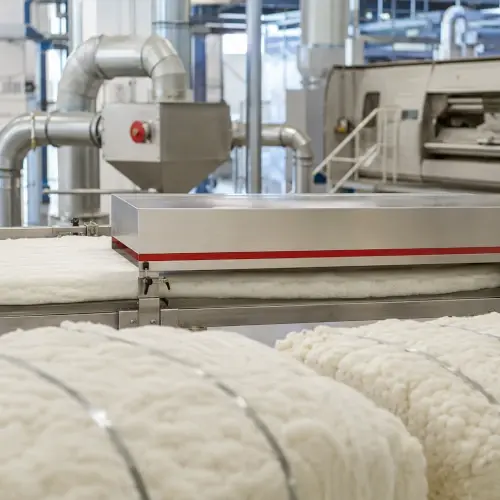 The textile industry processes natural and synthetic fibres into yarn, woven fabrics, knitted fabrics and nonwovens. Its products are used in clothing, home textiles, the automotive industry, healthcare and construction – from garments through hygiene and filtration materials to geotextiles.
As customers' demands for product safety grow (particularly in clothing and hygiene applications) and with the arrival of mandatory textile recycling in the EU, the importance of magnetic separation and metal detection is rising too. A metal contaminant in textiles means damaged machinery, a fire risk and a hazard to the end customer.
Did you know…? Clothing brands apply a so-called broken needle policy to their suppliers. Every fragment of a sewing needle must be tracked down, and if it cannot be found, the entire batch of products must pass through a metal detector.
Metals get into textile production in many ways: wires and straps from fixing fibre bales, metal parts from the cotton harvest, broken needles from needle-punching and sewing machines, zips, buttons and metal reinforcements in recycled textiles. Each of these contaminants threatens production in a different way – and all of them need to be captured.
Metal particles destroy the most sensitive machines in textile production: the wire clothing of carding machines, needle looms, calenders and tearing machines. Hard metal in a fast-moving fibre flow can also strike a spark – and a fire on a cleaning line is one of the most feared accidents in a spinning mill. A magnetic separator captures the metal before it even enters the machine.
A broken needle worked into a textile can injure the end customer. Clothing brands therefore require strict inspection from suppliers (broken needle policy) and every piece of metal in a product means a complaint for the whole batch. A metal detector reveals even small non-magnetic metals directly in the textile web.
Replacing the damaged wire clothing of a carding machine or the needles of a needle loom means downtime of hours to days. Effective metal separation = fewer stoppages, smooth production and higher profit!
We are the manufacturers of these separators. We produce them in our plant in the Czech Republic, which allows us to guarantee the highest quality and to adapt them to your requirements.

Natural and synthetic fibres arrive at spinning mills in pressed bales fixed with steel wires or straps. During opening, wire fragments get into the fibre flow, and with cotton there are also metal parts from harvesting machines. Fibres are conveyed pneumatically between machines – and it is precisely the pipeline routes that are the ideal place for separation.
The following equipment is most commonly used in fibre preparation:
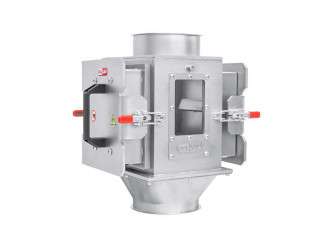
Tufts of fibres behave much like pulp in paper mills – conventional grate separators with magnetic rods would clog with fibres immediately. That is why we install ML-P chute magnets in the pipeline routes of cleaning lines: the magnets are placed on doors along the sides of the pipe, so no obstacle stands in the way of the fibre flow. Non-magnetic metals are revealed by a metal detector for pneumatic conveying, which automatically rejects the contaminated tuft of fibres with a diverter – without stopping the line.
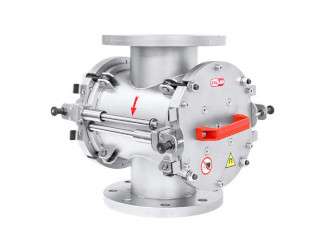
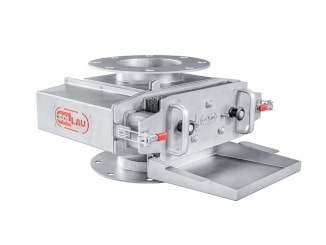
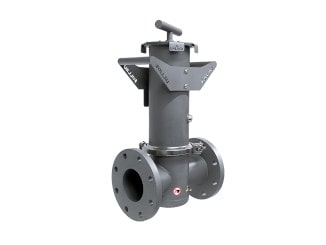
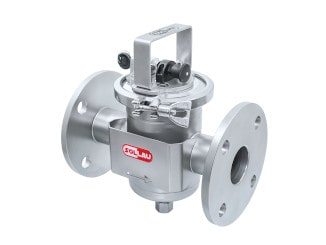
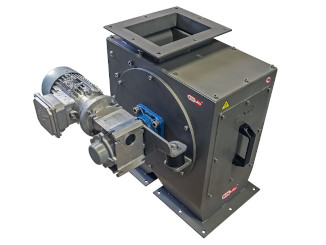
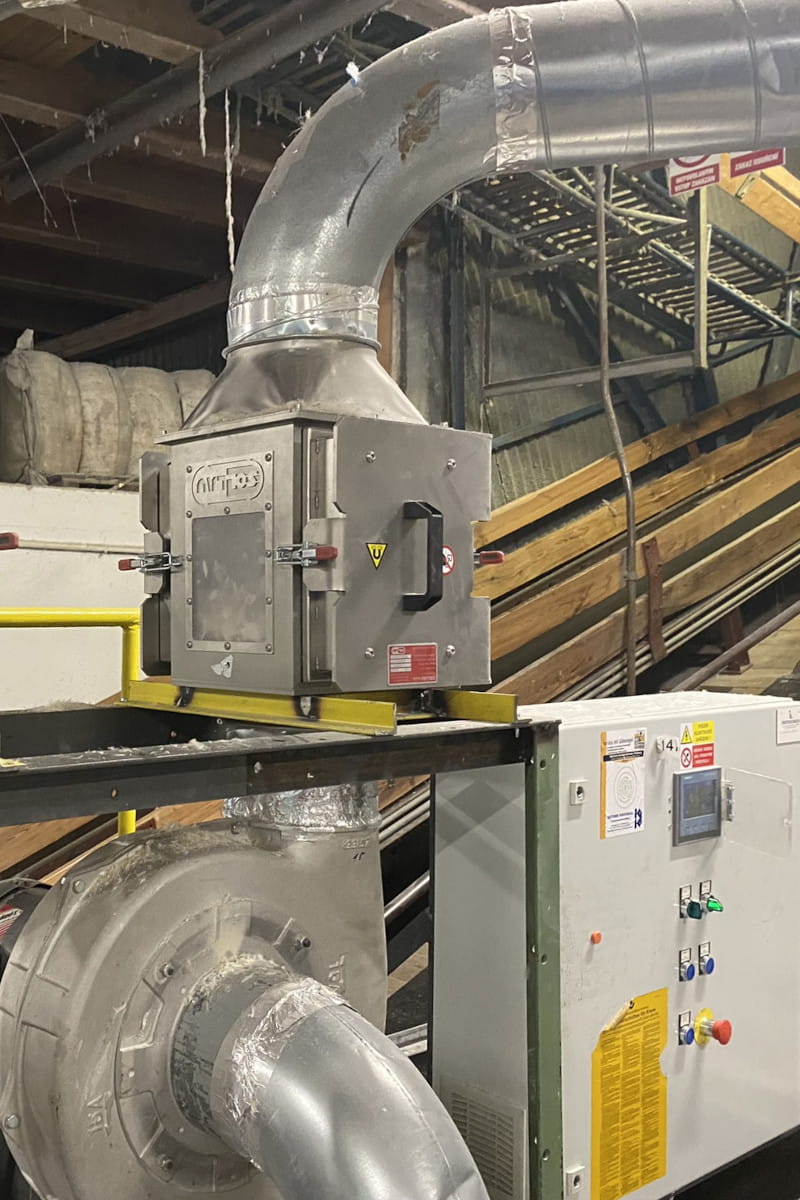
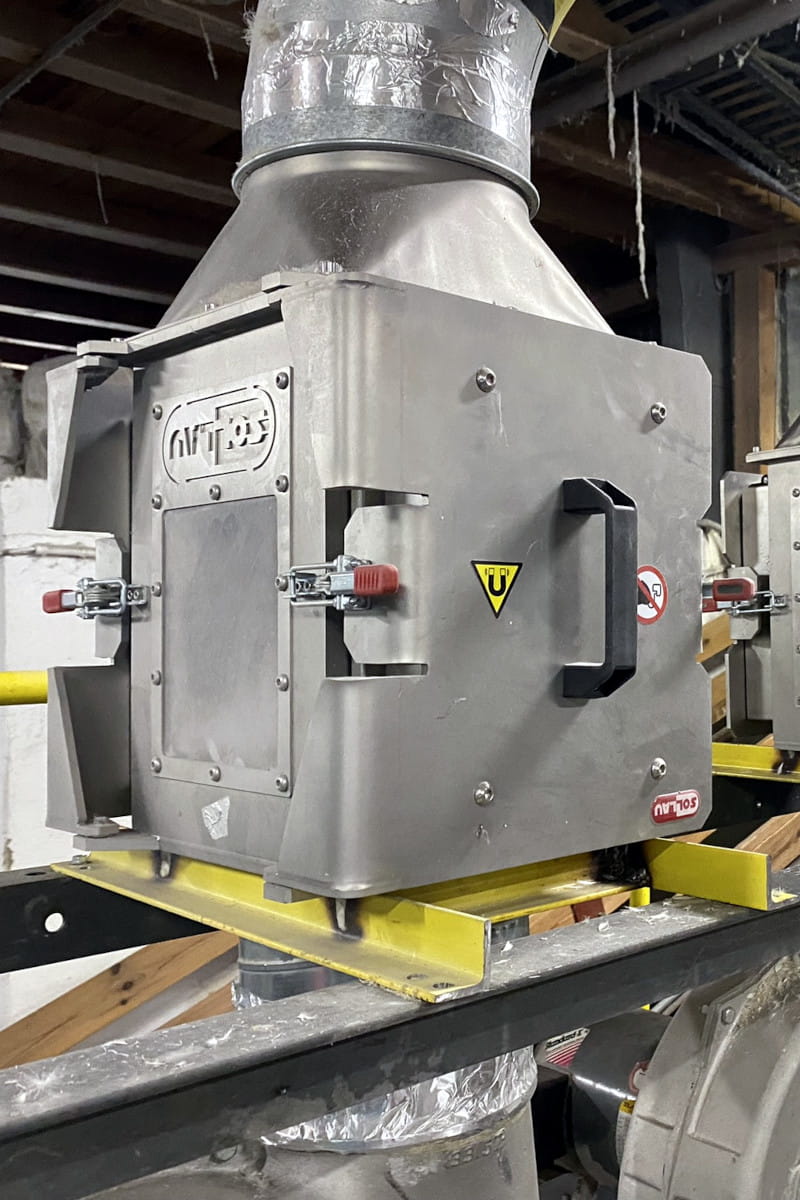
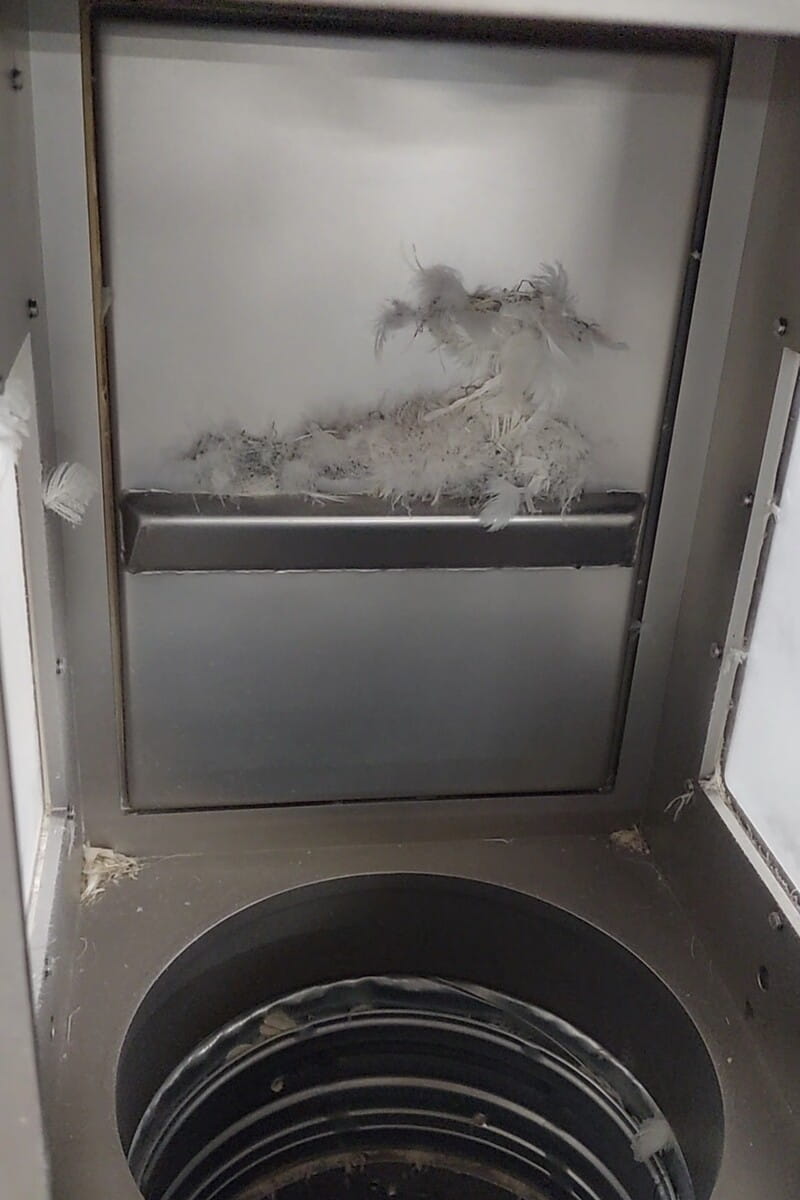
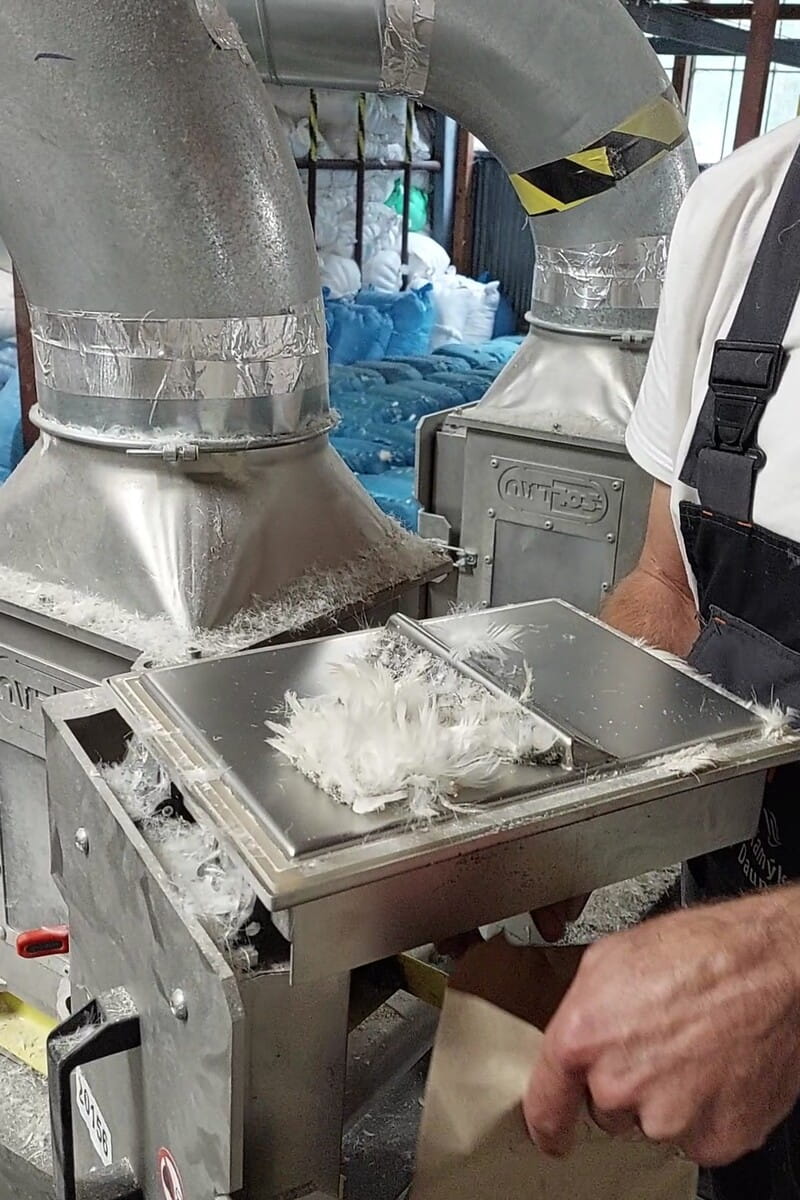
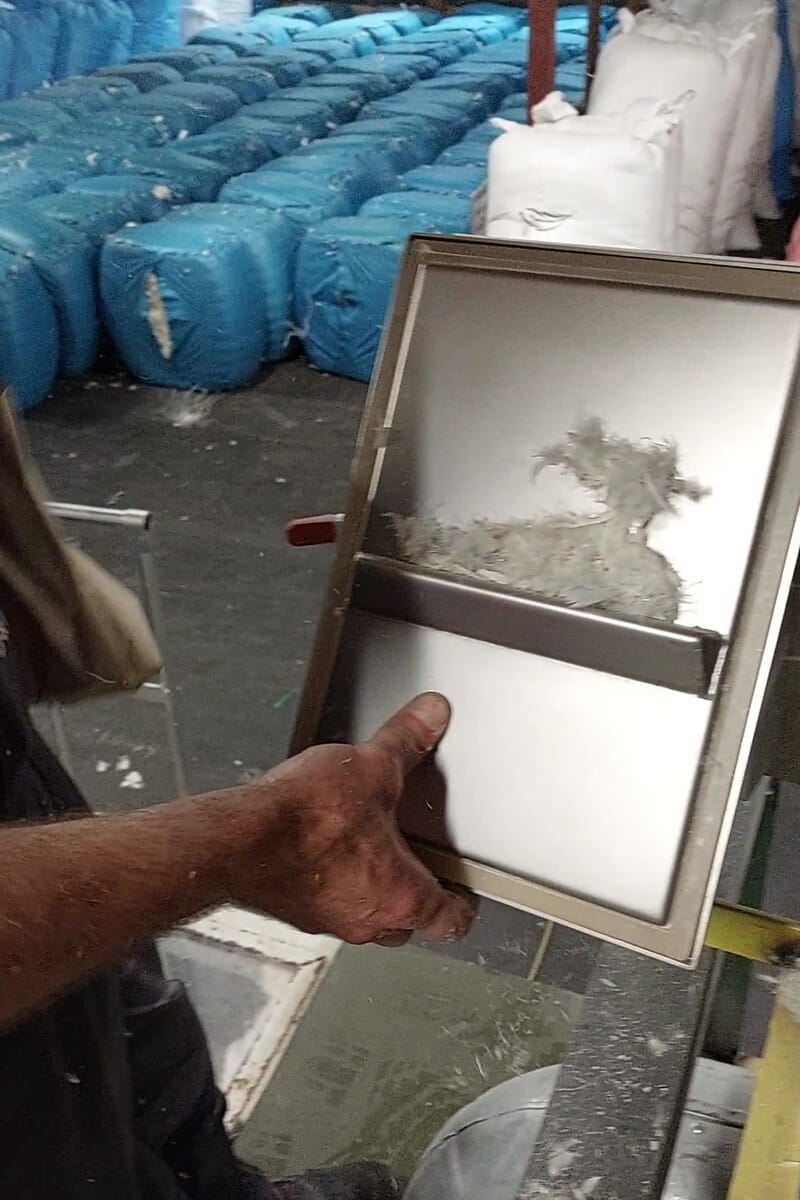
The same principle has also proved itself with very specific lightweight materials: at a major Czech processor of feathers for making duvets and pillows, two ML 200 N magnetic separators connected directly into the pipeline system clean the pneumatically conveyed feathers.
What problems it solves: wire fragments from bales in the fibre flow = fire risk and damage to downstream machines. Benefit for the customer: protection of the entire spinning mill by a single separation point at the inlet and a fundamental reduction of the fire risk.
A carding machine combs fibres into a fine web and is one of the most sensitive and expensive machines in a spinning mill. Its rollers are fitted with fine wire clothing, which a hard metal particle damages irreversibly.
The following equipment is most commonly used in carding:
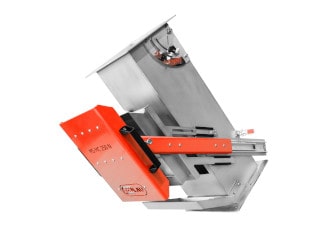
ML magnetic separators are installed in chutes and shafts immediately before the carding machine – again, there must be no obstacle in the fibre flow that would cause clogging. As a second stage of protection there is a plate metal detector placed under the feed belt, which reveals even non-magnetic metals and stops the machine before the metal reaches the wire clothing.
What problems it solves: destroyed wire clothing of carding rollers = hours of downtime and unnecessary maintenance costs. Benefit for the customer: significantly longer clothing life, lower maintenance costs and smooth yarn production.
Nonwovens for hygiene, healthcare, filtration or the automotive industry are made on needle looms and calenders. The greatest enemy here is broken needles from needle looms – hard, small and worked directly into the textile web. Relying on magnets under the belt alone is not enough: a fast-moving textile can pull the needle back out of the magnet.
The following equipment is most commonly used in nonwovens production:
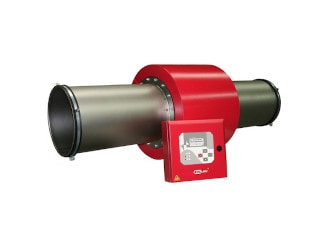
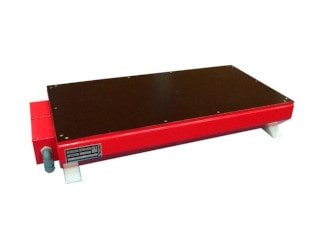
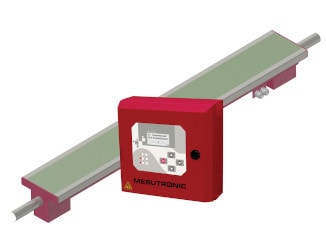
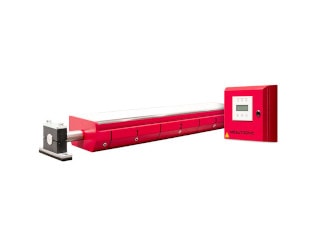
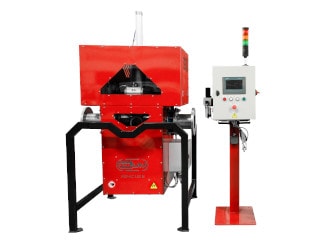
The METRON 05 ProfiLine plate metal detector is developed directly for textile lines: it is installed horizontally under the textile web (or vertically) with a detection width of up to 12 metres and reliably detects metals even at a belt speed of up to 30 m/s. Thanks to its minimal metal-free zone, it can easily be integrated into an existing line.
The multi-segment METRON 04 ProfiLine additionally determines in which segment across the width of the web the metal is located – so the operator finds and removes it within moments.
What problems it solves: broken needles worked into the textile = damaged calenders and complaints from customers in the hygiene and automotive segments. Benefit for the customer: demonstrable cleanliness of every roll of textile and fast localisation of metal without long downtime.
Polyester, polyamide and polypropylene fibres are made by melt spinning of plastic granulate. A metal particle in the granulate damages the extruder screw, clogs the screens of the melt filters and destroys the fine spinnerets – the most expensive parts of the entire line. The risk grows when processing recycled granulate (rPET).
The following equipment is most commonly used in the production of synthetic fibres:
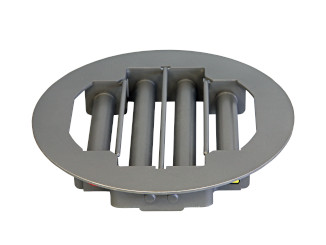
The TM magnetic separator is inserted directly into the conical hopper of the extruder and captures ferromagnetic particles from as small as 1 µm. MSS-MC magnetic grate separators in housing are installed in the granulate chutes between the dryer and the extruder.
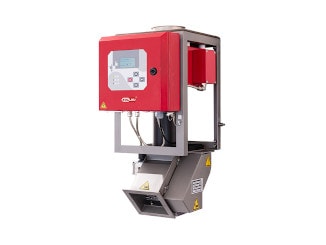
The QUICKTRON 05 A gravity free-fall metal detector rejects even non-magnetic metals before they enter the machine.
What problems it solves: destroyed spinnerets and clogged melt-filter screens = costly stoppages and fibre breaks during spinning. Benefit for the customer: protection of the most expensive parts of the line and safe processing of cheaper recycled granulate.
During dyeing, washing, finishing and coating, large volumes of process liquids, dye baths and suspensions flow through the textile plant. Metal wear from pumps, pipes and fittings causes stains and dyeing defects and damages the nozzles and valves of finishing machines.
The following equipment is most commonly used in dyeing and final finishing:
Pipeline separators are inserted directly into the piping of the liquid circuits – ahead of dyeing units, nozzles and filtration stages. Where contaminants occur only occasionally, the manually cleaned MSP-MC version is sufficient; in heavily contaminated circuits the automatically cleaned MSP-AC separator, which does not require interrupting operation, saves operator time. The pressure version MSP-S handles even the higher operating pressures of process circuits.
What problems it solves: metal wear in the dye bath = stains, dyeing defects and complaints for entire batches. Benefit for the customer: stable dyeing quality and longer life of pumps, nozzles and valves.
Textile recycling is the fastest-growing segment of the field – since 2025, mandatory separate collection of textiles has applied in the EU. Sorted textile waste is opened back into fibres on tearing lines. Garments, however, contain large amounts of metal: zips, buttons, snaps, rivets, metal reinforcements and clips. These destroy tearing machines and degrade the resulting fibre.
The following equipment is most commonly used in textile recycling:
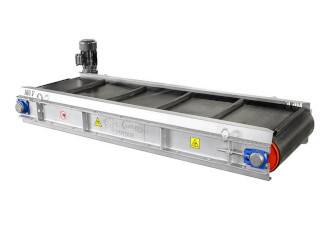
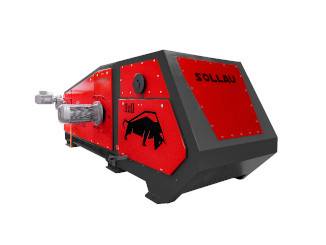
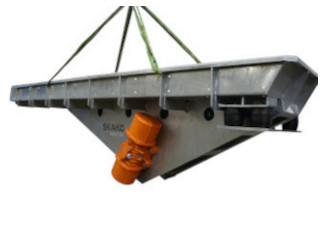
A self-cleaning DND-AC magnetic plate is suspended above the belt conveyor ahead of the tearing machine, removing iron zips, snaps and clips. After crushing or tearing, the material passes through an enclosed MBZ magnetic drum to capture smaller iron particles. Brass and aluminium zips and rivets are separated by the ECS eddy current separator – a vibrating conveyor ensures an even layer of material ahead of it. The TRANSTRON conveyor metal detector serves as the final check of the torn fibre.
What problems it solves: destroyed blades and working parts of tearing machines = unnecessary maintenance costs; metals in the torn fibre = unsuitable cleanliness for spinning recycled yarn. Benefit for the customer: higher yield and quality of the recycled fibre and the ability to process even heavily „metalised" garment waste.
-->Clothing brands apply a strict broken needle policy to suppliers: every product must be verifiably checked for the presence of sewing needle fragments and pins before dispatch.
The following equipment is most commonly used for the inspection of finished products:
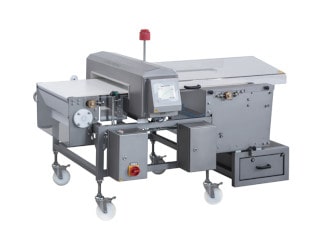
The METRON 07 CI tunnel metal detector is placed at the end of production – finished garments, bed linen or towels pass on a conveyor through a detection tunnel that reveals even a small needle fragment. Detection is recorded, so the manufacturer has a demonstrable inspection record of every batch for the customer.
What problems it solves: broken needles and pins in finished products = risk of injury to the end customer and returns of entire deliveries. Benefit for the customer: meeting the requirements of clothing brands and protecting the manufacturer's good name.
For fibres we recommend plate magnetic separators – ML-P for pneumatic conveying pipes, and ML magnetic separators for chutes and shafts. The magnets are placed along the sides of the material flow, so no obstacle stands in the way of the fibres and the separator does not clog.
With the plate metal detector METRON 05 ProfiLine installed under the textile web – it detects across a width of up to 12 m at a speed of up to 30 m/s. The multi-segment version METRON 04 ProfiLine additionally determines where across the width of the web the needle is located.
A magnet alone is not enough – a fast-moving textile can pull the captured needle back out of the magnet into the web. The reliable solution is a combination of a magnetic separator in the raw material and a plate metal detector on the line.
A self-cleaning DND-AC magnetic plate is suspended ahead of the tearing machine for iron zips and snaps, an MBZ magnetic drum belongs after crushing, and non-ferrous metals are separated by the ECS eddy current separator.
Non-ferrous metals cannot be captured by a magnet – they are separated by the ECS eddy current separator working on the principle of eddy currents. The final check of the torn fibre is provided by the TRANSTRON conveyor metal detector.
The TM separator is inserted directly into the conical hopper of the extruder, MSS-MC magnetic grate separators in housing into the granulate chutes, and the MSP-S pipeline separator into the pneumatic conveying. This protects the extruder screw, the melt filters and the spinnerets.
A separator with manual cleaning is cheaper and sufficient where metal contaminants occur only occasionally. With large amounts of captured metal, automatic cleaning pays off (e.g. DND-AC or MSP-AC), which requires no operator intervention and no interruption of operation.
We make each device to measure according to the line width, belt speed and required sensitivity, so the price varies by design. We will test your material free of charge within 3 days and recommend the optimal solution; request a no-obligation quote.
20. 8. 2023
Initial status
A prominent Czech manufacturer and member of an international consortium of companies involved in feather processing and the production of high-quality duvets...
Our sales team is ready to give you full support and help you find the best solution for your magnetic separation needs. We offer not only standard solutions but also custom-made ones, so you don't need to worry even about more complex technical challenges. Just get in touch and we will be happy to help.
You can contact us by phone, email or through our web form.







 +420 773 323 773
 petr.zbranek@sollau.cz