Our company is a specialist in field of magnetic separation
We develop, produce and apply devices for magnetic separation. Our magnetic separators are designed and manufactured exactly in a made-to-measure way as per your needs.
APPLICATION AREA — CEMENT, LIME AND BUILDING MATERIALS PRODUCTION
Cement and lime production are among the fundamental pillars of the construction industry. Crushing, grinding and firing limestone in rotary or shaft kilns produces clinker, cement, lime and hydrated lime — raw materials for concrete, dry mortar and plaster mixes as well as the chemical industry.
An increasingly important role is also played by the combustion of solid recovered fuels (SRF) made from sorted waste. It is precisely this combination of heavy-duty operation and waste-derived fuels that makes magnetic separation an essential part of the technology.
Did you know that modern cement plants already replace more than half of the heat previously obtained from coal by burning SRF? However, with every tonne of alternative fuel, metal contaminants also enter the operation and must be reliably separated.
WHY ARE MAGNETIC SEPARATORS AND METAL DETECTORS USED IN CEMENT, LIME AND BUILDING MATERIALS PRODUCTION?
Limestone already picks up loader bucket teeth, drill bits or bucket fragments back at the quarry. Further metal comes from wear on conveyors and crushing equipment, and alternative fuels contain large amounts of both ferrous and non-ferrous metal. Every such piece of metal threatens the downstream technology.
Equipment protection
Metal objects destroy the most heavily loaded machines in the plant: jaw and hammer crushers, roller presses, vertical and ball mills, and conveyor belts. A sharp piece of iron can slit a conveyor belt along its entire length, and repairing a mill means a shutdown lasting days. A magnetic separator captures ferromagnetic contaminants before they enter the machine, while a metal detector also reveals non-magnetic metals.
Improving production process efficiency
Cement and lime plants are continuous operations — any unplanned shutdown means immediate production losses. Metal particles also accumulate in grinding circuits and air ducts, where they slow down material transport. Effective metal separation = smooth production and higher profit!
Quality of the final product
Iron particles in hydrated lime, ground limestone or dry mortar mixes are unacceptable to customers — they cause rust stains on plasters and reduce concrete quality. Magnetic separation ensures product purity that can be documented throughout the whole process.
SOLLAU Manufacturer of magnetic separators for cement and lime plants
We are the manufacturer of these separators. We produce them at our plant in the Czech Republic, which allows us to guarantee the highest quality and to adapt them to your requirements.
WHERE WILL YOU FIND OUR MAGNETIC SEPARATORS IN CEMENT, LIME AND BUILDING MATERIALS PRODUCTION?
Limestone quarrying and crushing
Limestone is transported from the quarry to primary and secondary crushing. This is where the risk of metal contamination is greatest: loader bucket teeth and edges, drill bits from blasting operations, bolts and fragments from bucket-wheel excavators. These pieces of iron head straight into the crushers.
The following equipment is most commonly used in limestone quarrying and crushing:
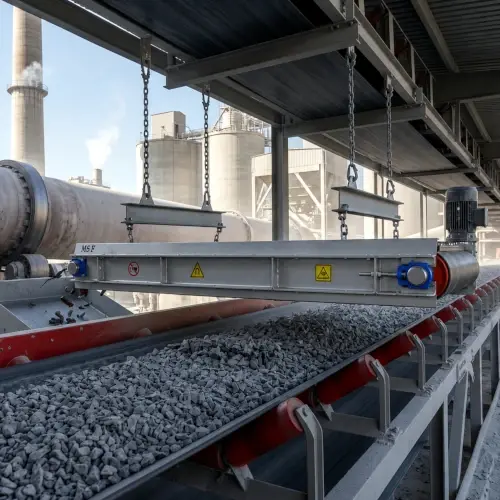
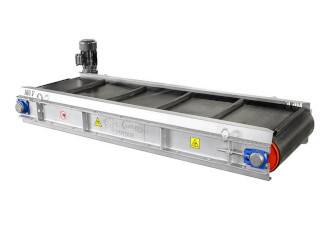
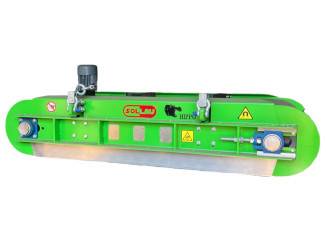
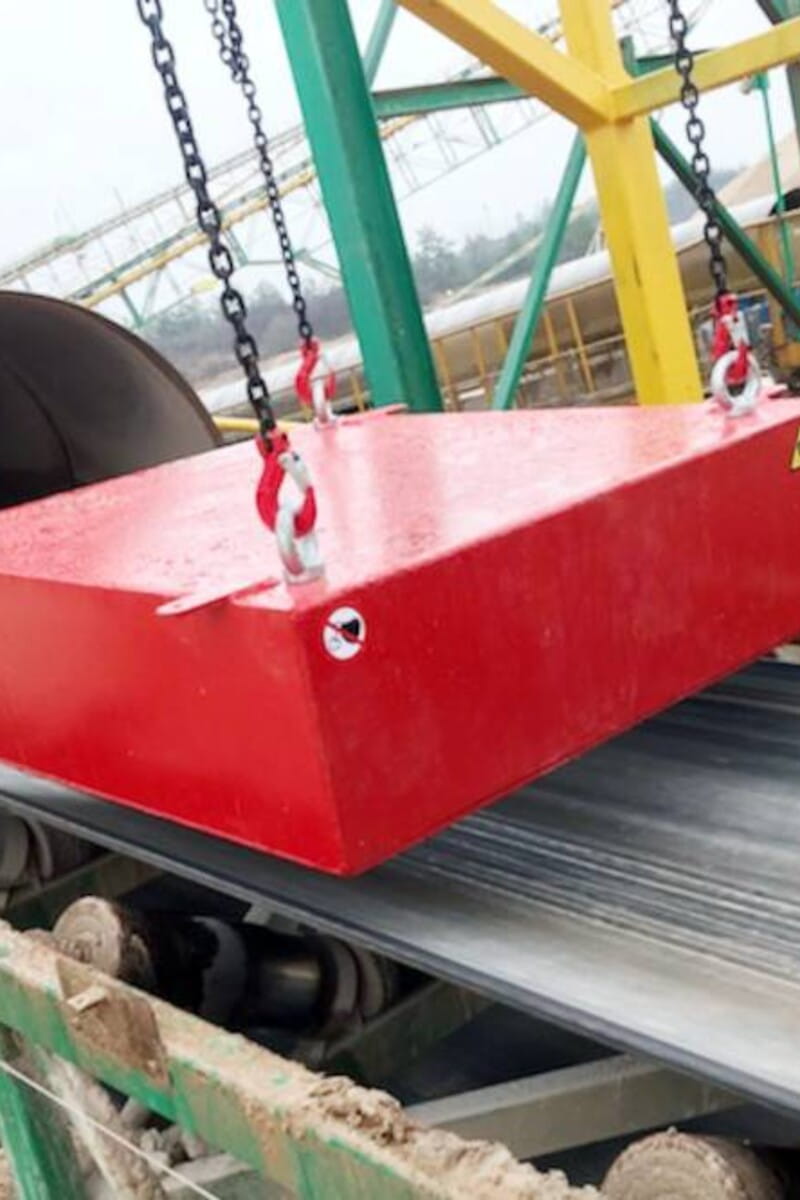
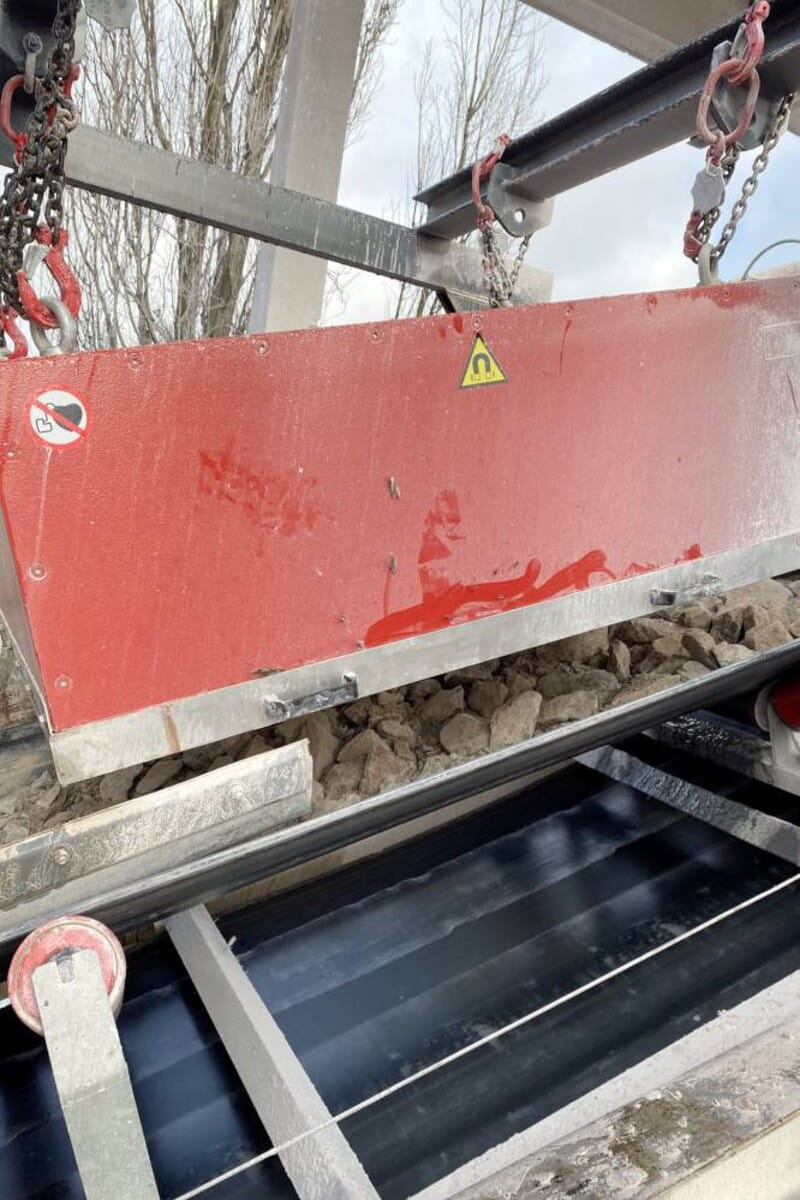
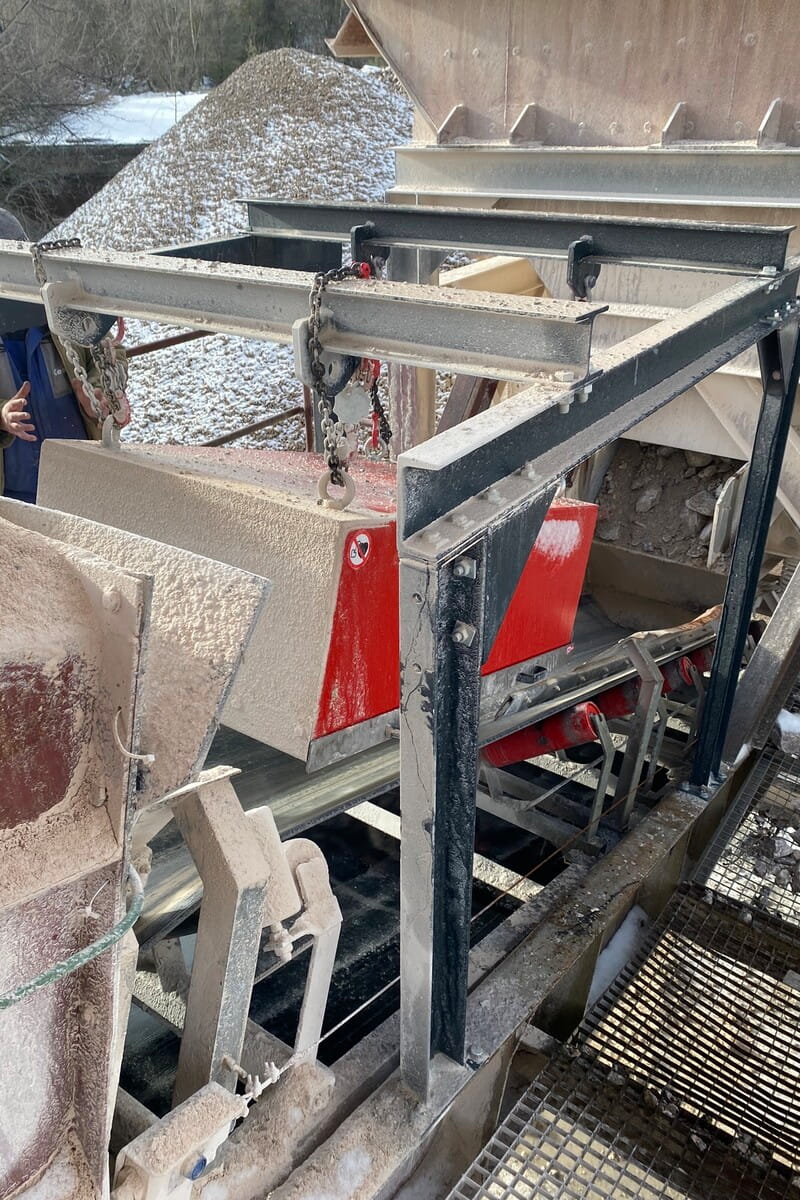
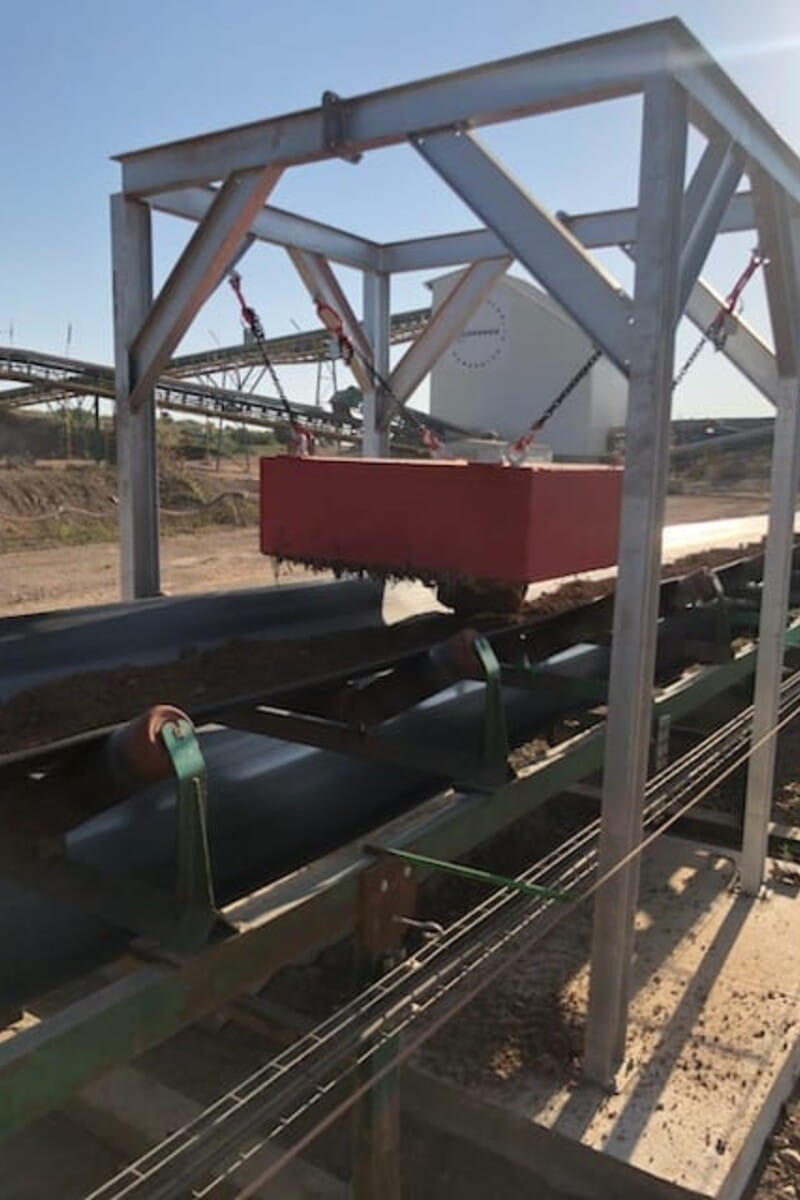
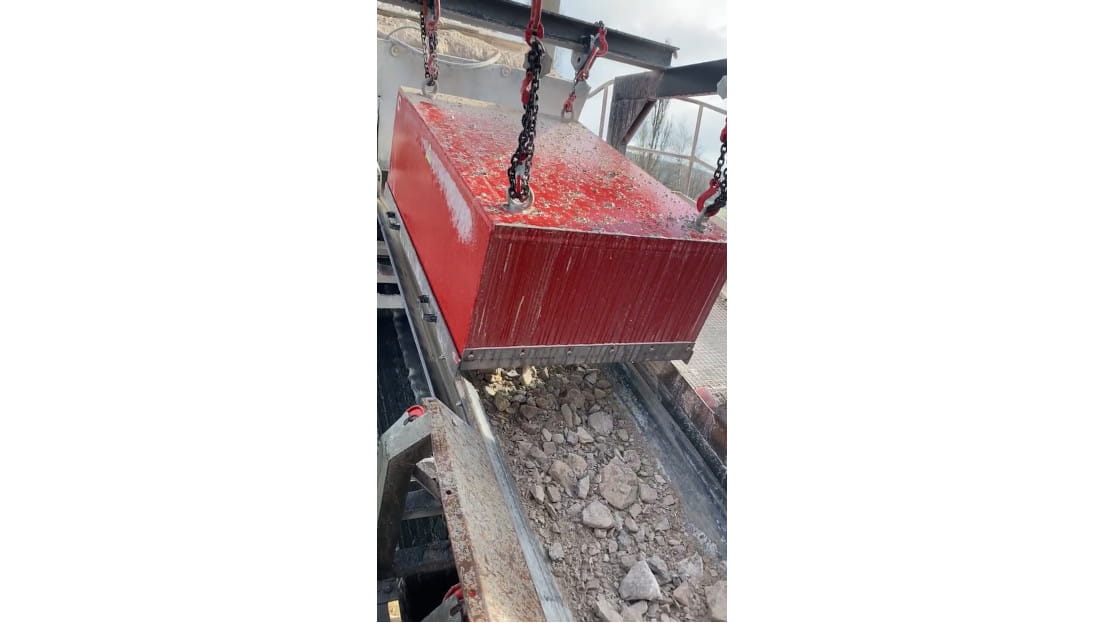
Magnetic plates are suspended above the belt conveyor before the primary crusher — for occasional metal occurrence, the manually cleaned plate DND-MC is sufficient; for large amounts of contamination, we recommend the self-cleaning plate DND-AC. For high material layers on wide belts, the electromagnetic overband DND-AC E with a deep-reaching magnetic field is intended.
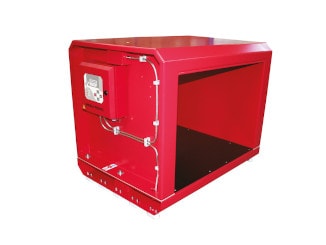
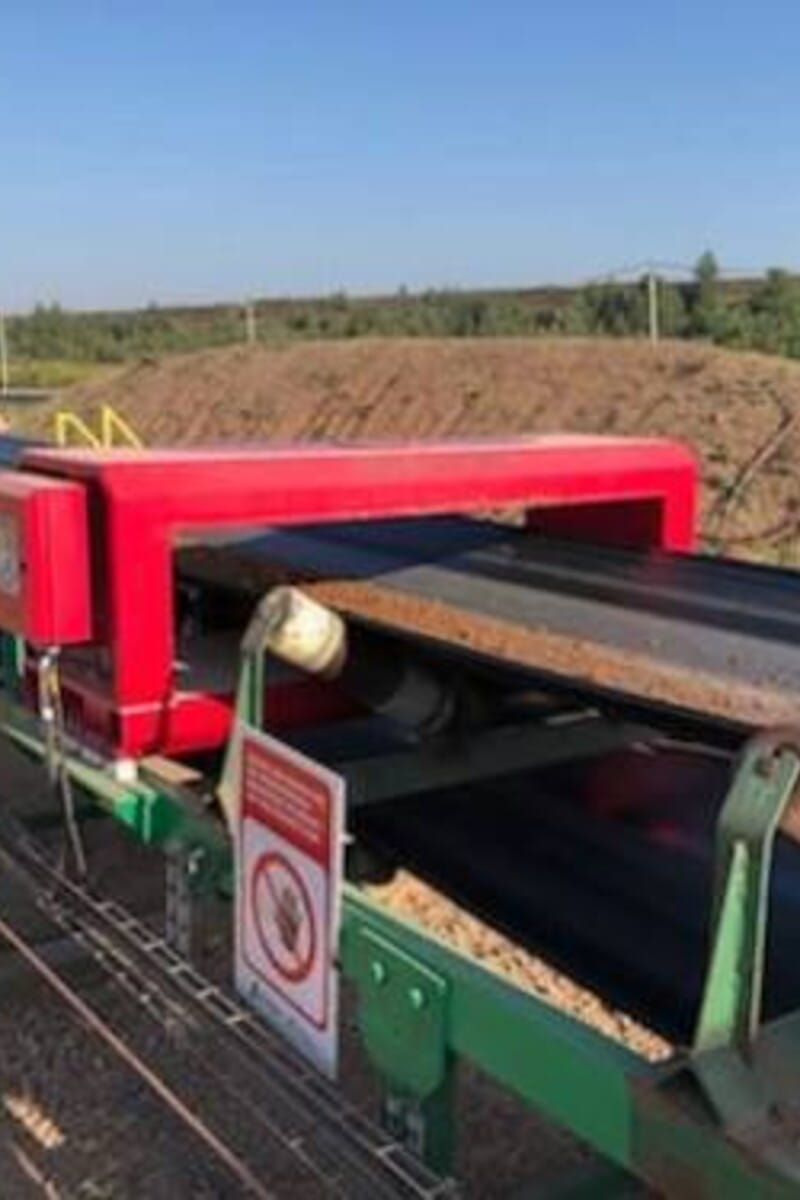
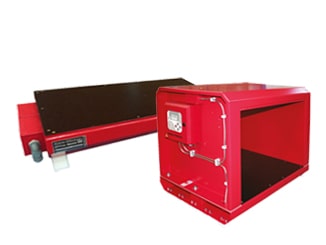
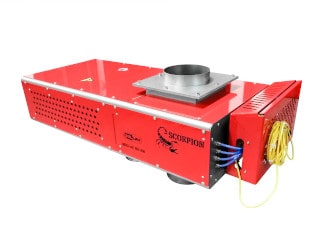
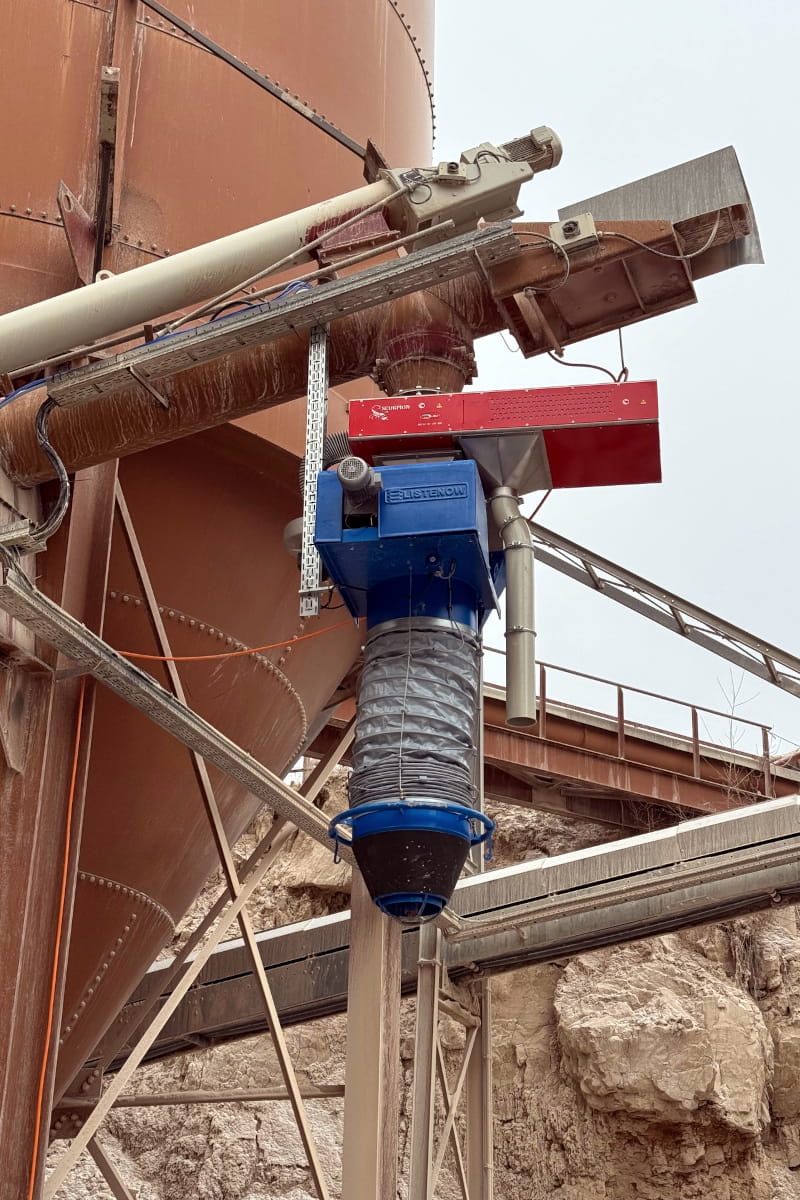
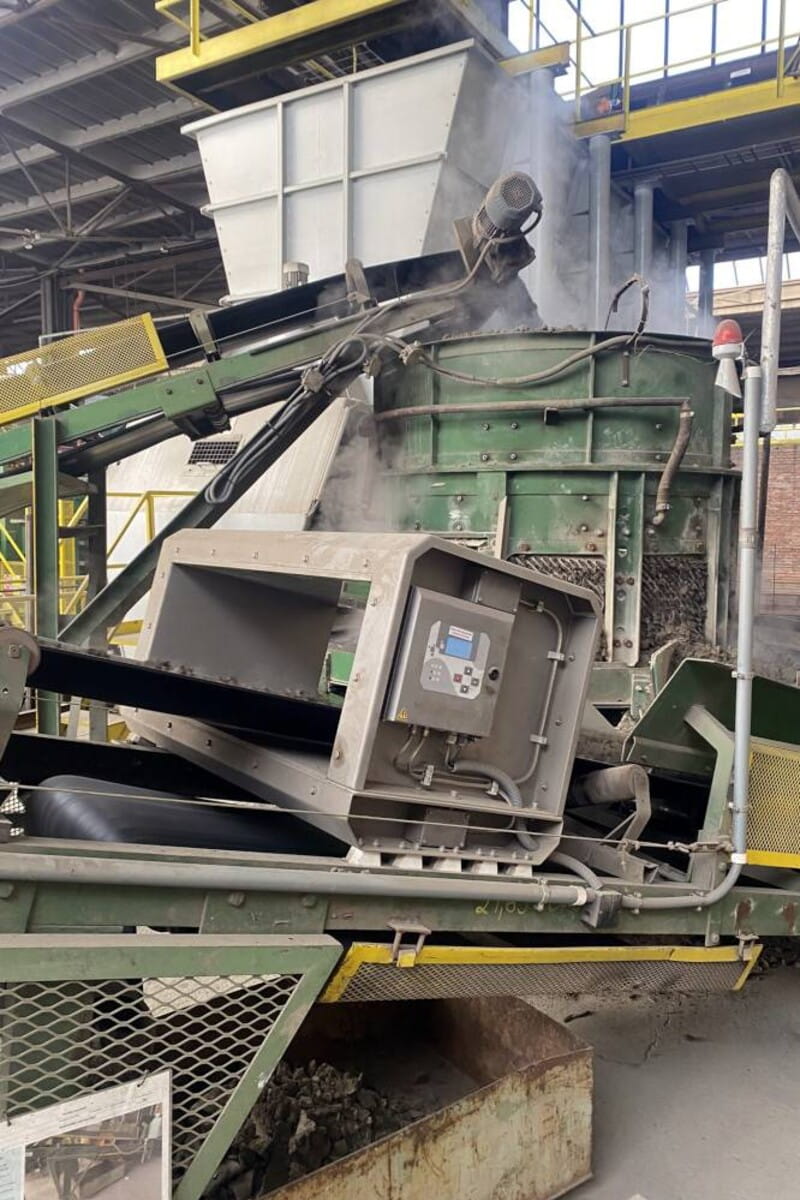
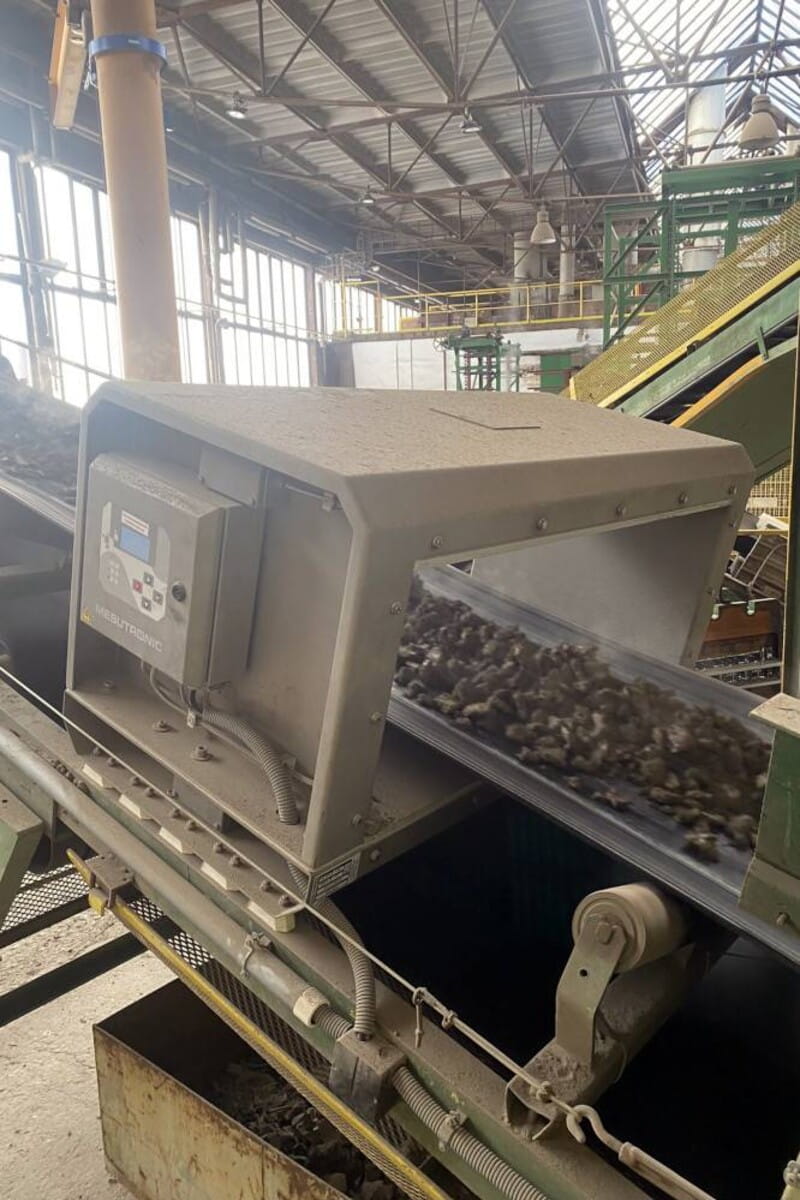
Because non-magnetic metals (manganese steel, stainless steel) are dangerous too, a tunnel metal detector is installed after the magnetic separator. This order is important: ferromagnetic metals are removed by the magnet, so the detector only stops the belt in exceptional cases, avoiding unnecessary downtime. We also supply the detector in a version with special treatment for outdoor environments.
Problems this solves: puncturing and longitudinal slitting of the conveyor belt, destruction of crusher jaws and hammers, shutdowns of the whole line.
Benefit for the customer: reduced repair costs, smooth operation and a fast return on investment.
Interesting fact: At a customer processing limestone, we deployed a combination of a magnetic plate and a METRON 05 D detector on a belt 1,200 mm wide at a speed of 2 m/s with a limestone layer of 250 mm — mill damage from metal was completely eliminated!
PHOTOS FROM PRACTICE
VIDEO FROM PRACTICE
Grinding of raw materials and cement — mill protection
Crushed limestone, together with correction materials, is ground into raw meal; after firing, clinker with additives (slag, gypsum) is ground into cement. Mills and roller presses are among the most expensive machines in a cement plant and metal particles in the grinding circuit cause serious operational problems.
The following equipment is most commonly used when grinding raw materials and cement:
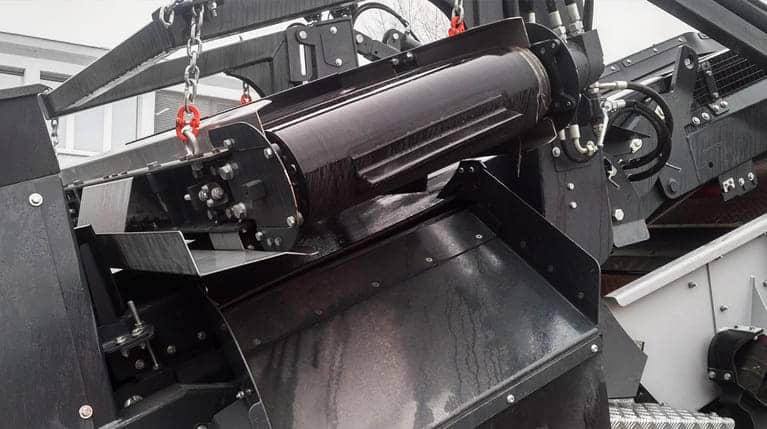
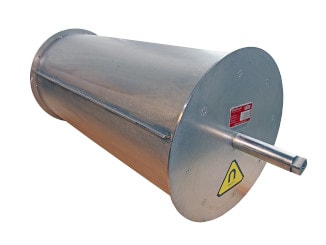
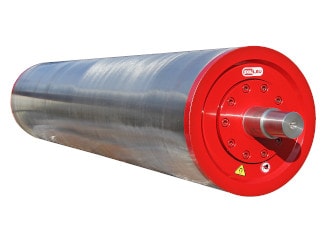
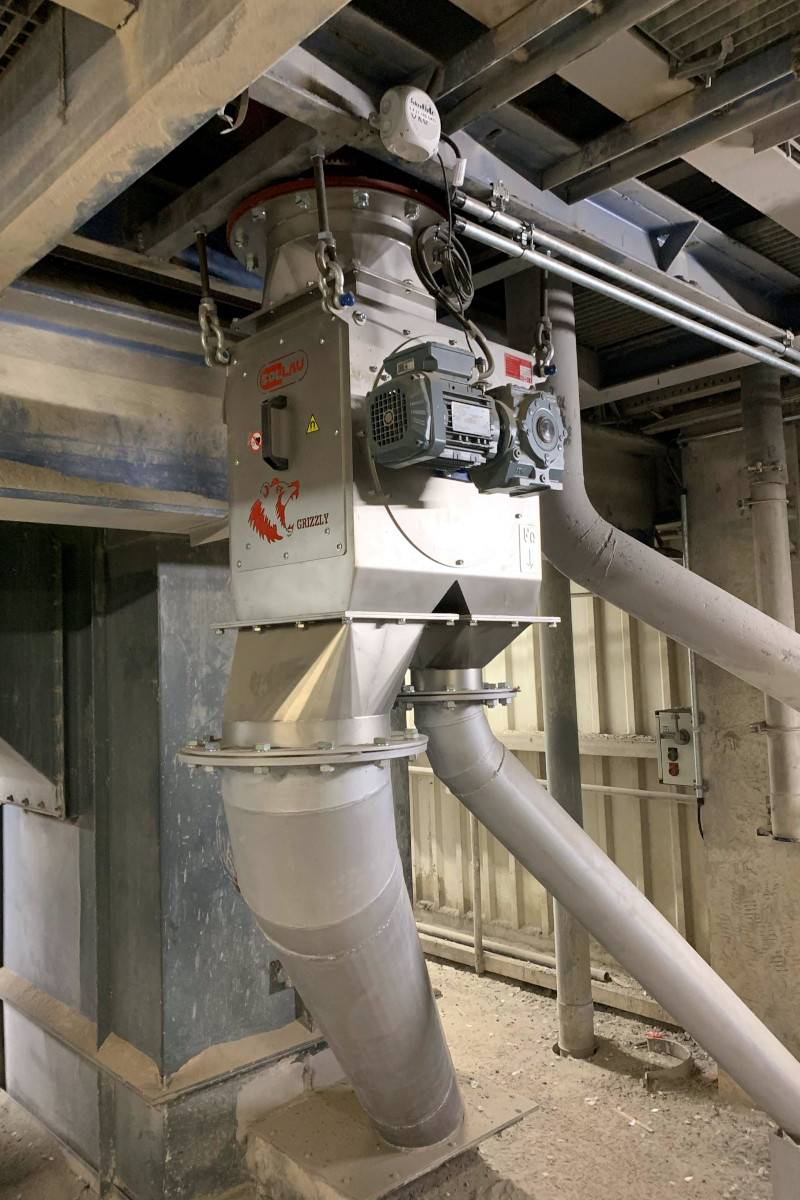
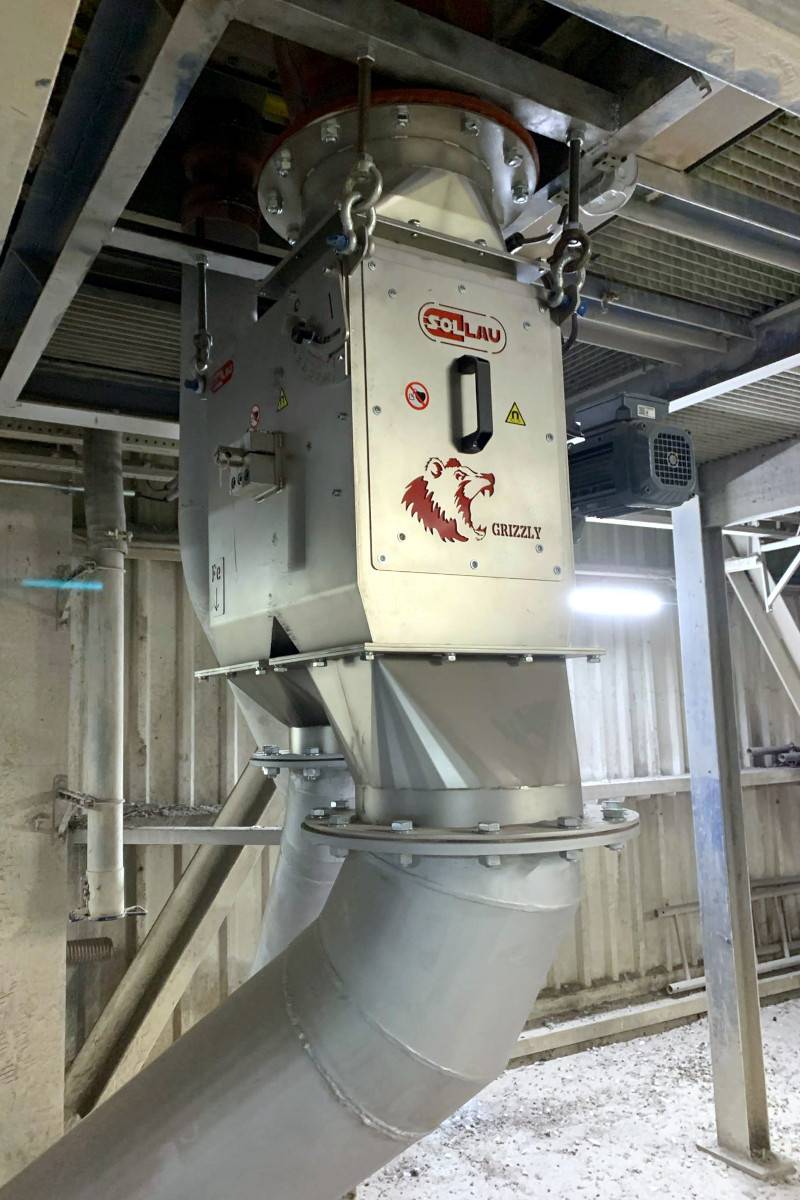
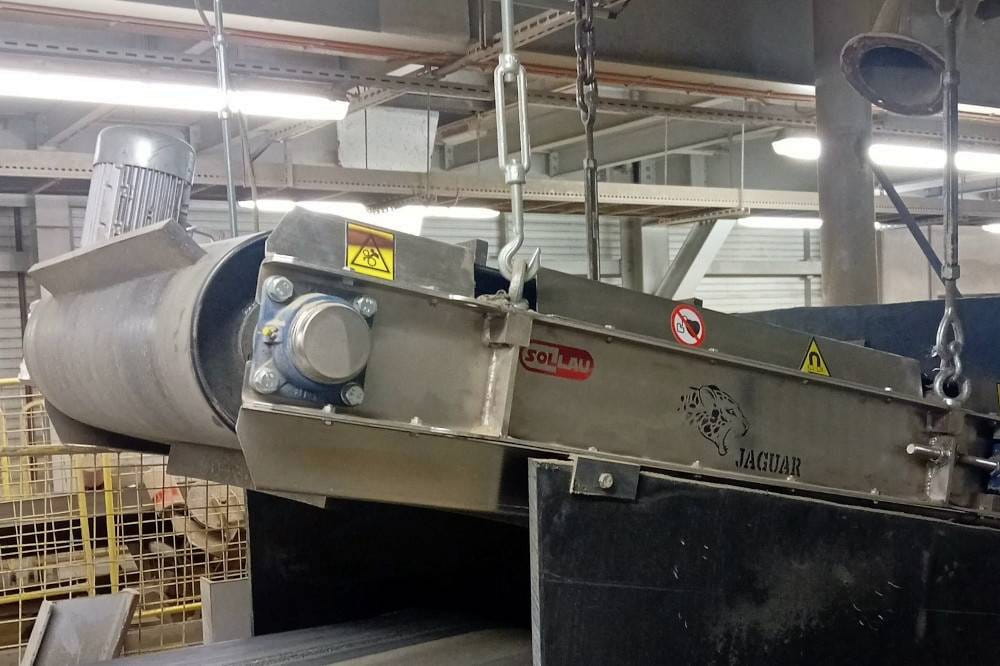
A magnetic drum MBZ is installed in chutes and transfer points before the mill, continuously removing iron particles from falling material without stopping the line — its robust design is built for bulky and abrasive materials. An elegant solution is also the conveyor head roller MV, which replaces the drive roller of an existing conveyor and separates metals without requiring additional space.
Problems this solves: accumulation of metal particles in the grinding circuit and air ducts, slowed material transport, damage to roller presses and mills.
Benefit for the customer: a stable material flow, fewer stoppages and more reliable operation.
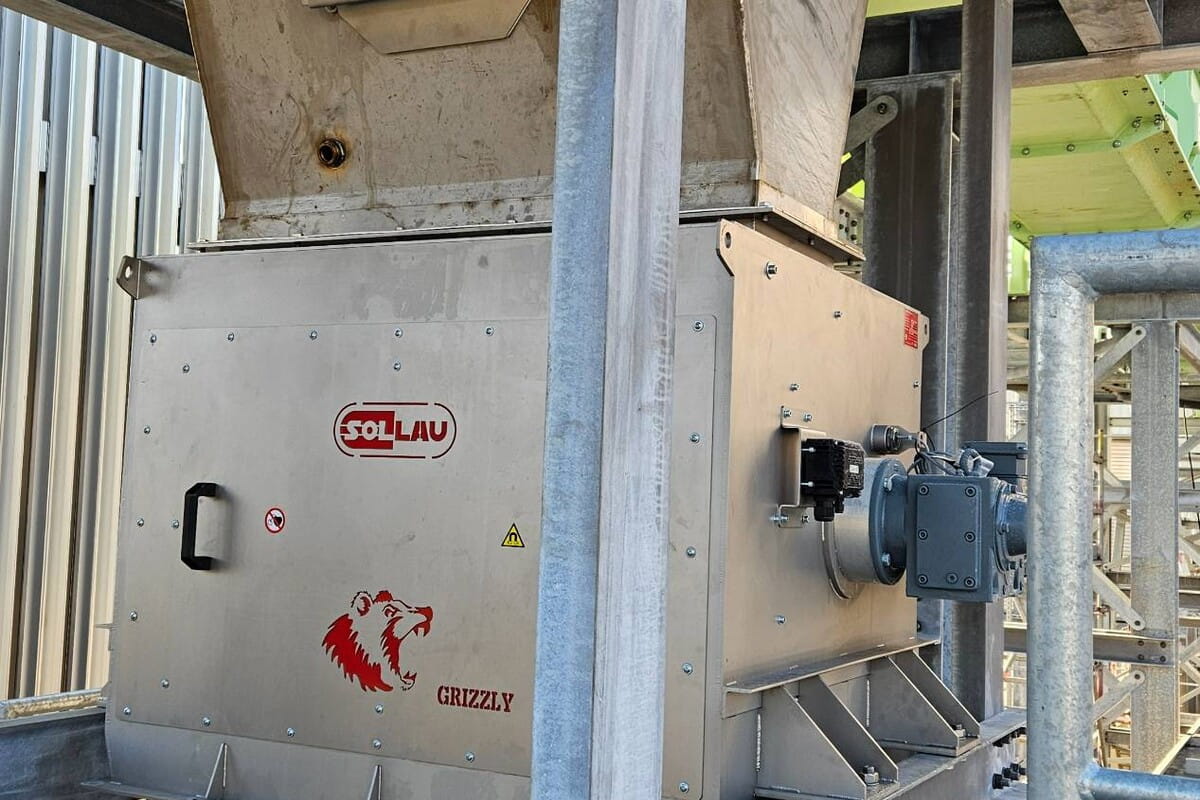
Interesting fact: At a cement plant where coarse metal particles were accumulating in the grinding circuit after a change in the input raw material composition, the problem was solved by a magnetic drum MBZ 304 N 300 GRIZZLY with a 5-year warranty. The customer was so convinced by its performance that they ordered a second, identical drum for another part of the line!
PHOTOS FROM PRACTICE
Combustion of solid recovered fuels (SRF)
Modern cement and lime plants are replacing coal with solid recovered fuels (SRF/RDF) made from sorted waste. However, SRF contains large amounts of both ferrous and non-ferrous metals, which damage dosing paths, burners and the calciner. Customers therefore carefully evaluate the quality of the fuel supplied.
The following equipment is most commonly used when processing and burning SRF:
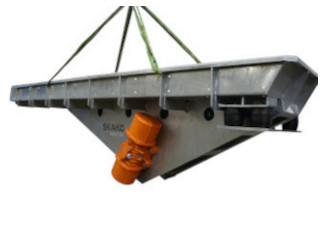
A self-cleaning magnetic plate DND-AC is suspended above the belt conveyor carrying pre-crushed SRF. For high material layers, we recommend the strongest range, MxF BEAST, with ferrite magnets, which can be suspended up to 500 mm above the conveyor and separates Fe particles from 0.5 to 300 mm. Non-ferrous metals (aluminium, copper) are separated by the eddy current separator ECS — a precondition for effective separation is an even, thin layer of material, ensured by the vibrating conveyor placed before the separator. The metal detector at the dosing inlet then serves as a final safeguard before the burner. For environments with explosion hazard, we supply equipment in ATEX design.
Problems this solves: damage to dosing technology and combustion equipment, customer complaints about SRF quality, aluminium in the fuel.
Benefit for the customer: safe combustion of cheaper fuel and demonstrable SRF quality.
Interesting fact: At a leading Czech SRF producer supplying fuel to cement and lime plants, metals are separated from the 0–300 mm fraction on a belt 1,400 mm wide by a DND-AC Mx8 F BEAST magnetic plate suspended 500 mm above the belt — with a 10-year warranty!
PHOTOS FROM PRACTICE
Lime and hydrated lime production
In lime plants, graded limestone is fired in shaft or rotary kilns into quicklime, which is further ground or slaked into hydrated lime. Finely ground materials place specific demands on separation — they tend to bridge and require the capture of even fine iron particles from mill wear.
The following equipment is most commonly used in lime and hydrated lime production:
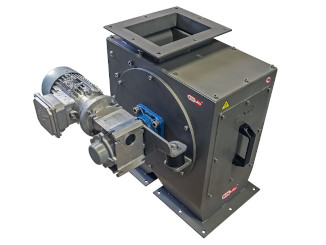
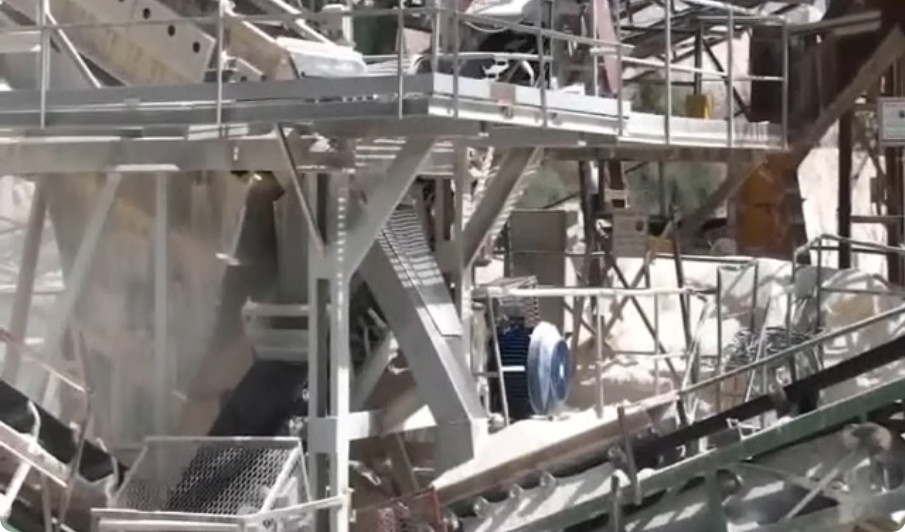
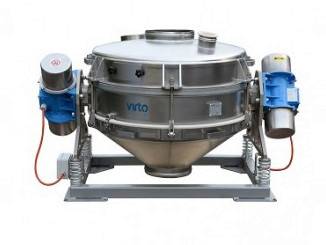
Before the kiln, vibrating screens ensure the required limestone fraction — correct grading is a precondition for even firing. For chutes carrying ground lime and hydrated lime, we recommend the rotational magnetic separator MSR-MC: the rotating magnetic grate keeps poorly free-flowing powder in motion and prevents bridging. Where no obstruction can be tolerated in the material flow, chute magnets ML (magnetic lanterns) with magnets positioned along the sides of the chute are used.
Problems this solves: clogging of chutes by bridging hydrate, iron particles from mill wear in the product, uneven firing due to poorly graded fraction.
Benefit for the customer: a clean product meeting the requirements of construction and chemical industry customers, and a smooth material flow without clogging.
PHOTOS FROM PRACTICE
VIDEO FROM PRACTICE
Production of dry mortar and plaster mixes
Dry mortar, plaster and concrete mixes are made by blending graded sand, cement, hydrated lime and additives. Iron contaminants here cause rust stains on finished plasters — and thus complaints.
The following equipment is most commonly used in the production of dry building mixes:
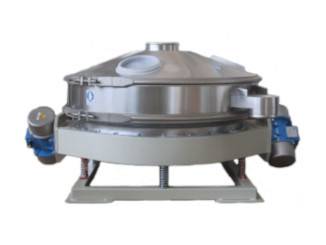
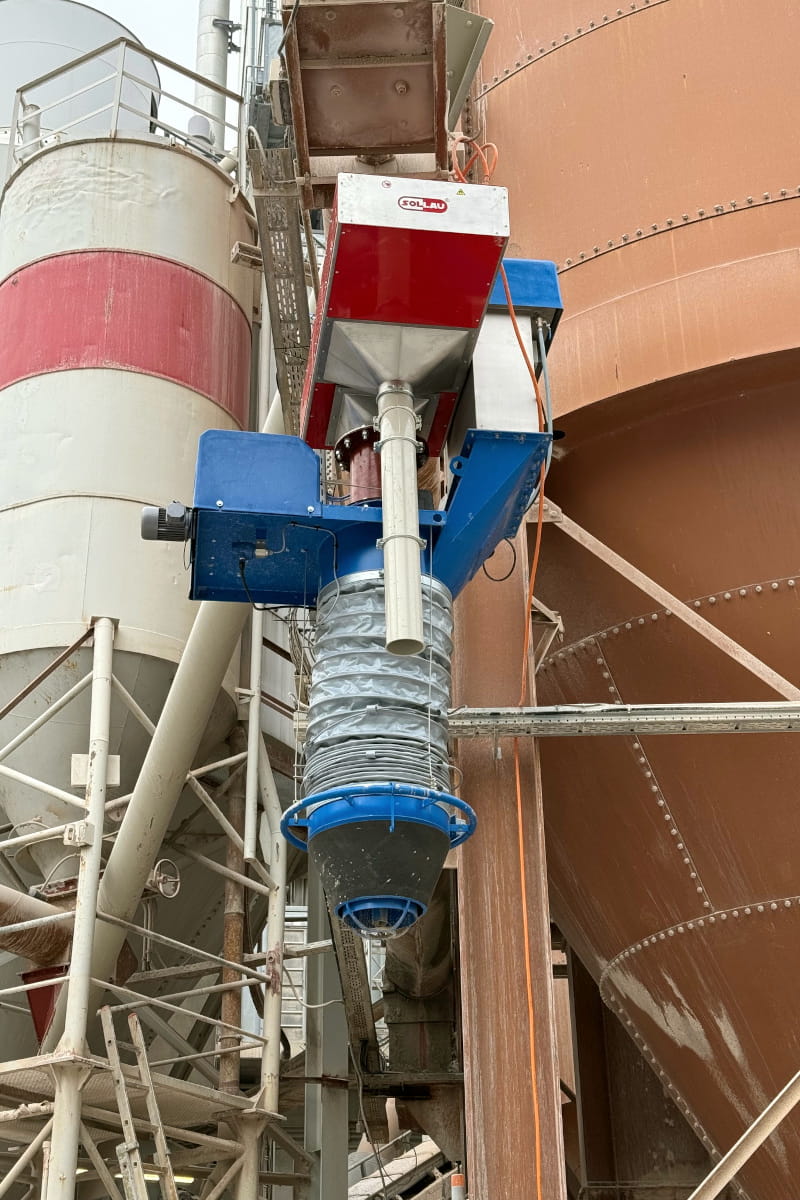
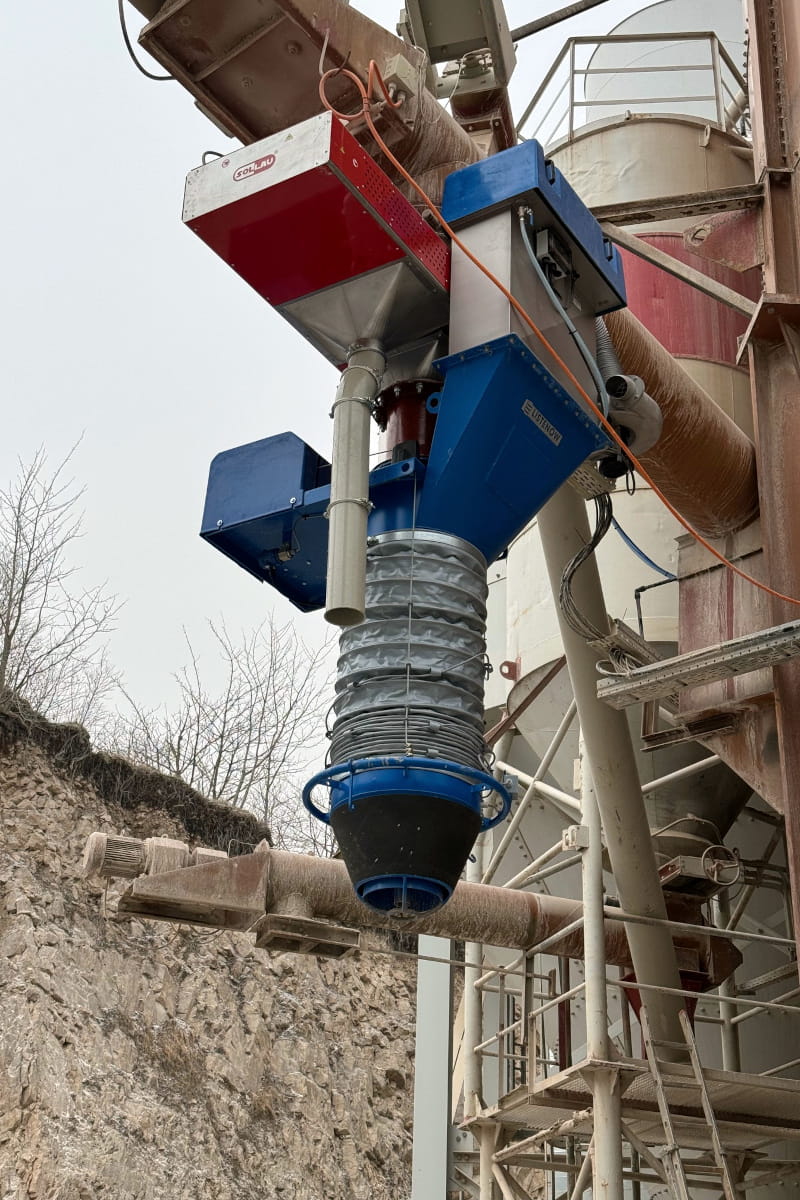
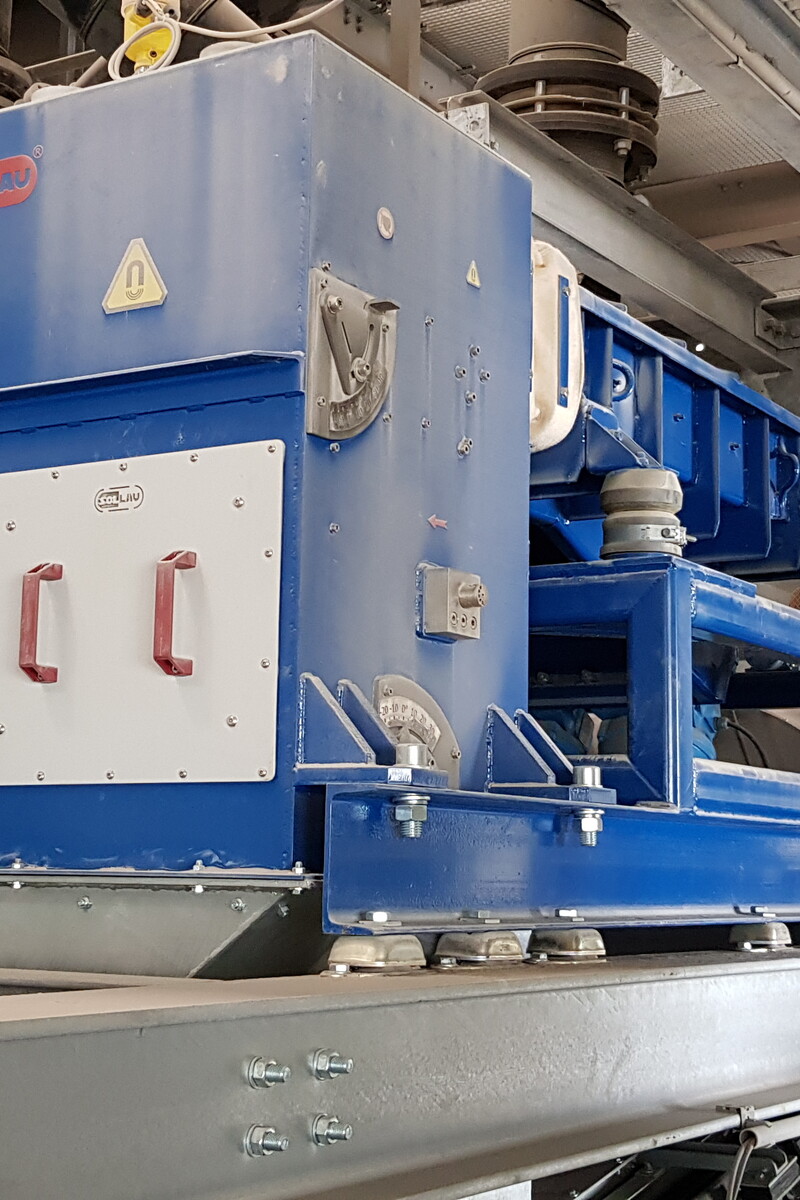
Vibrating screens grade dried sand into precise fractions, break up lumps of cement, limestone and gypsum, and ensure even flowability of powders before dosing. Into the chutes of individual components as well as the finished mix, magnetic grate separators in housing MSS-MC are installed — for large amounts of contamination, in the self-cleaning version MSS-AC, whose cleaning cycle runs fully automatically without human operation. Where the material has poor flow properties, we use enclosed magnetic drums MBZ.
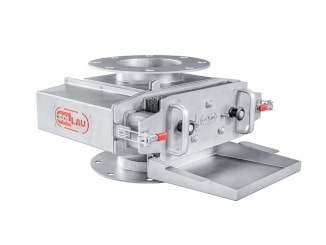
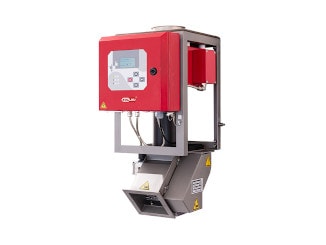
Before bagging, a gravity free-fall style metal detector QUICKTRON 05 A is installed as a final check.
Problems this solves: rust stains on plasters, complaints from builders' merchants and end customers, damage to bagging machines.
Benefit for the customer: documented purity of every batch and fewer quality complaints = higher profit.
PHOTOS FROM PRACTICE
Site maintenance
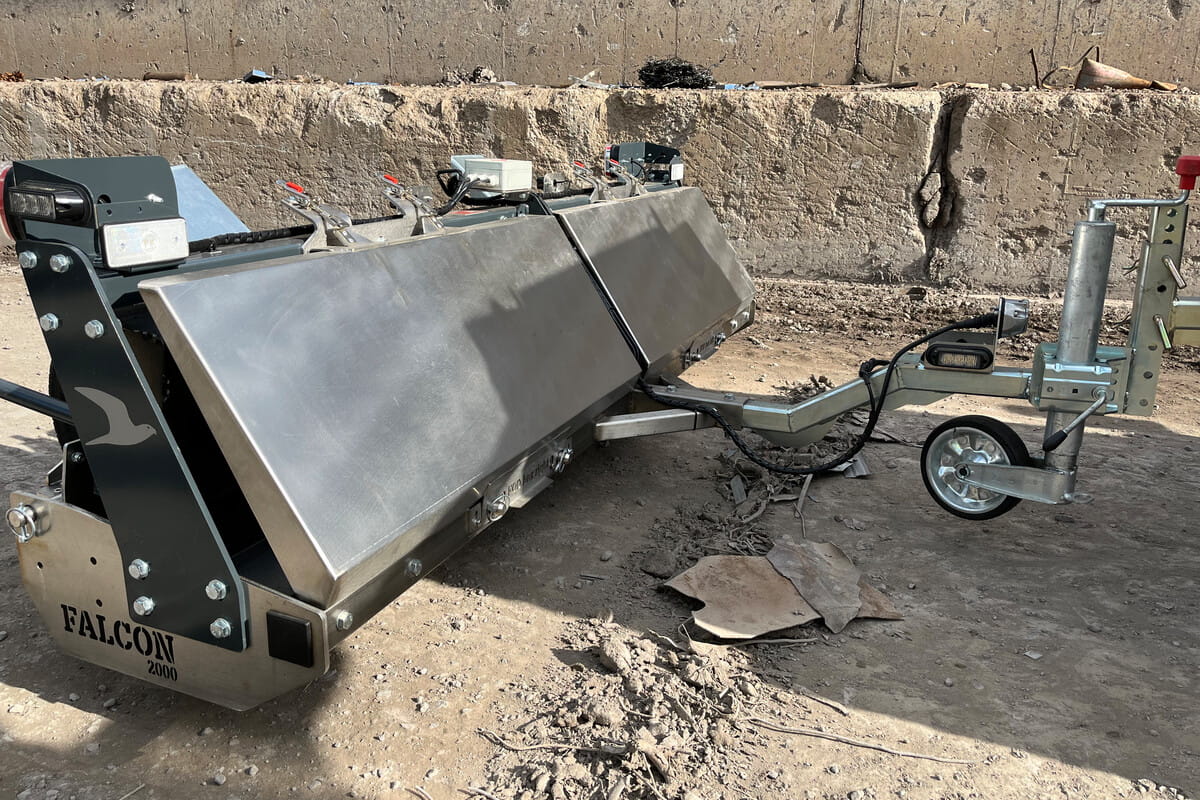
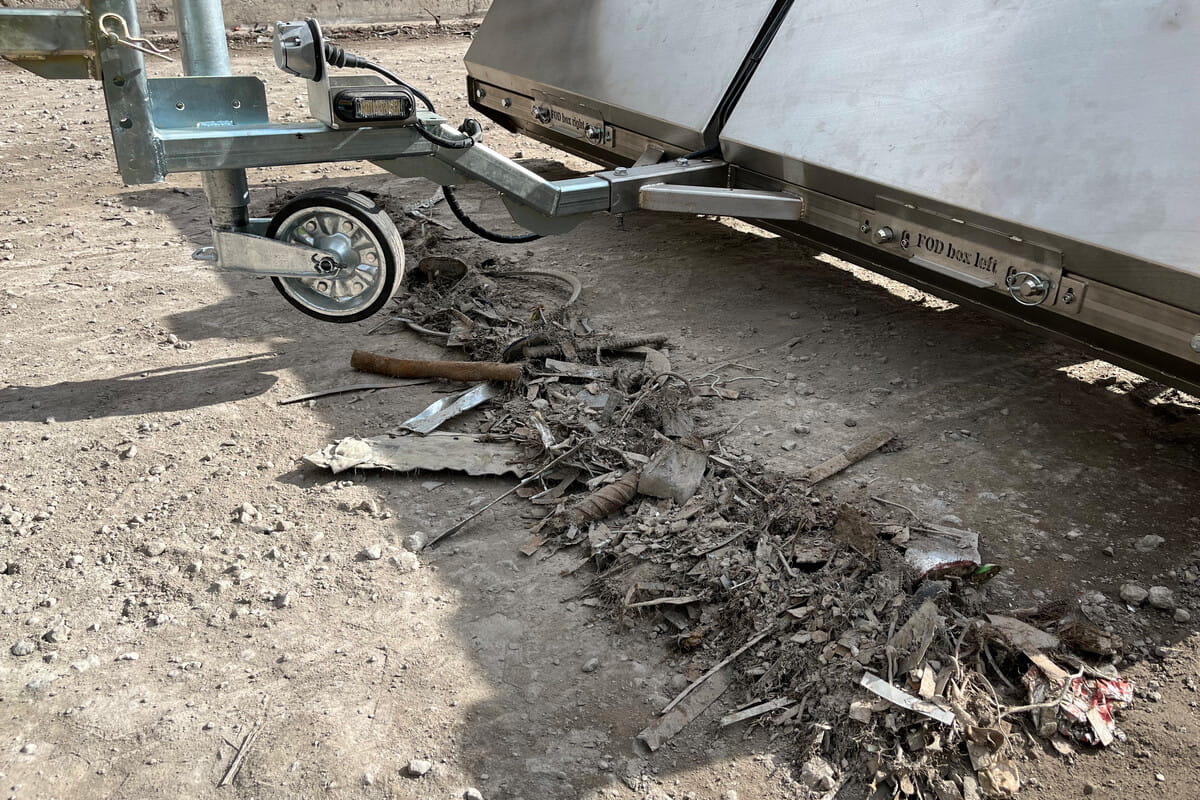
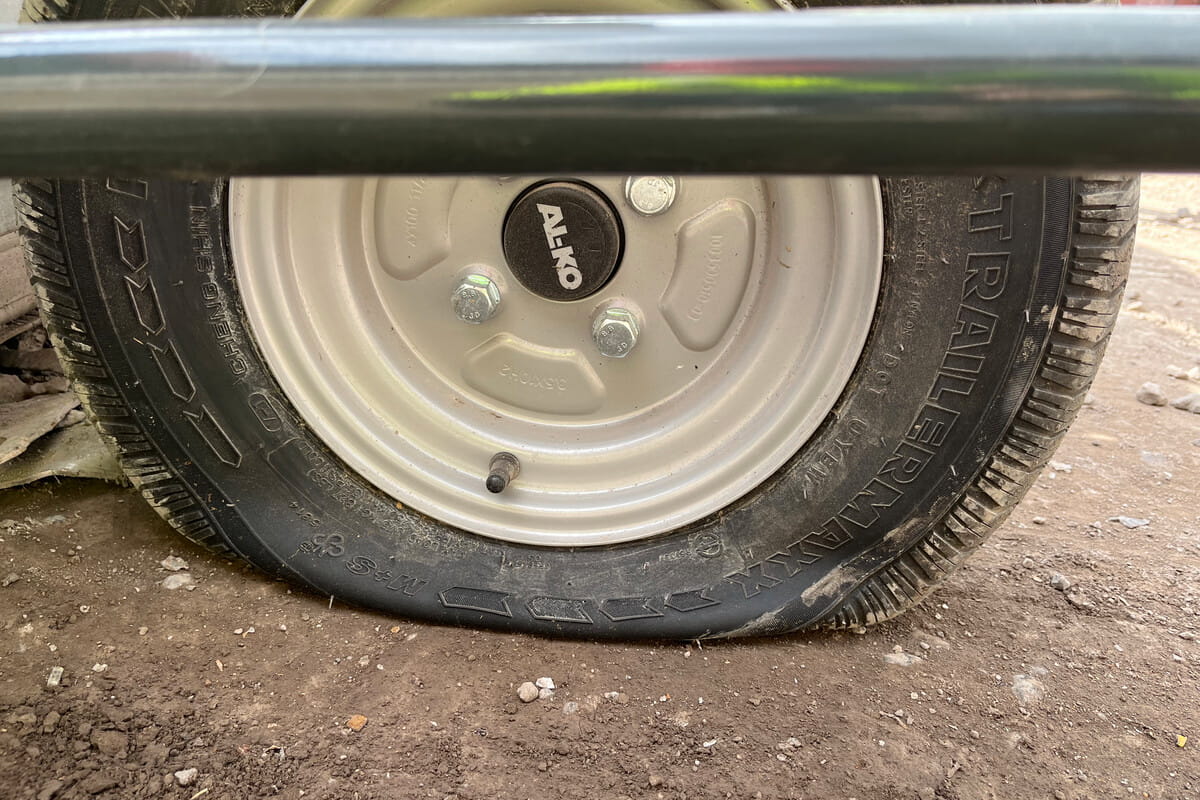
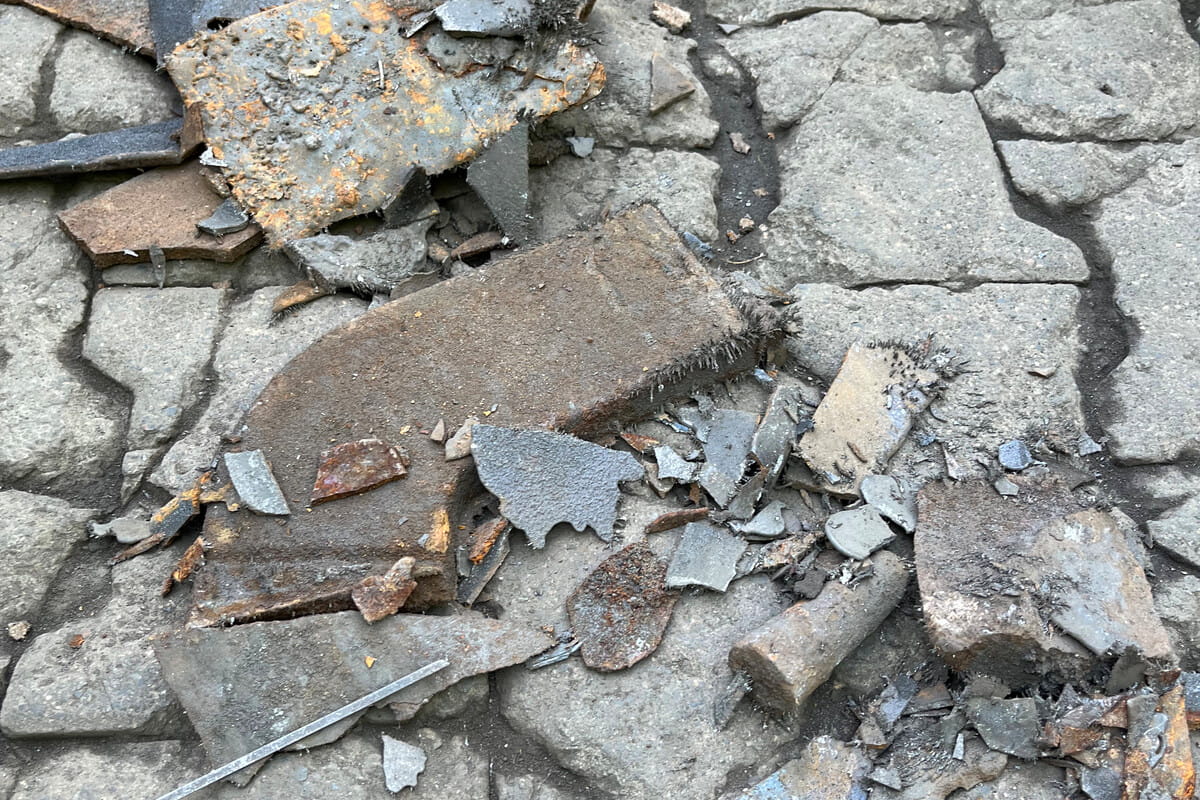
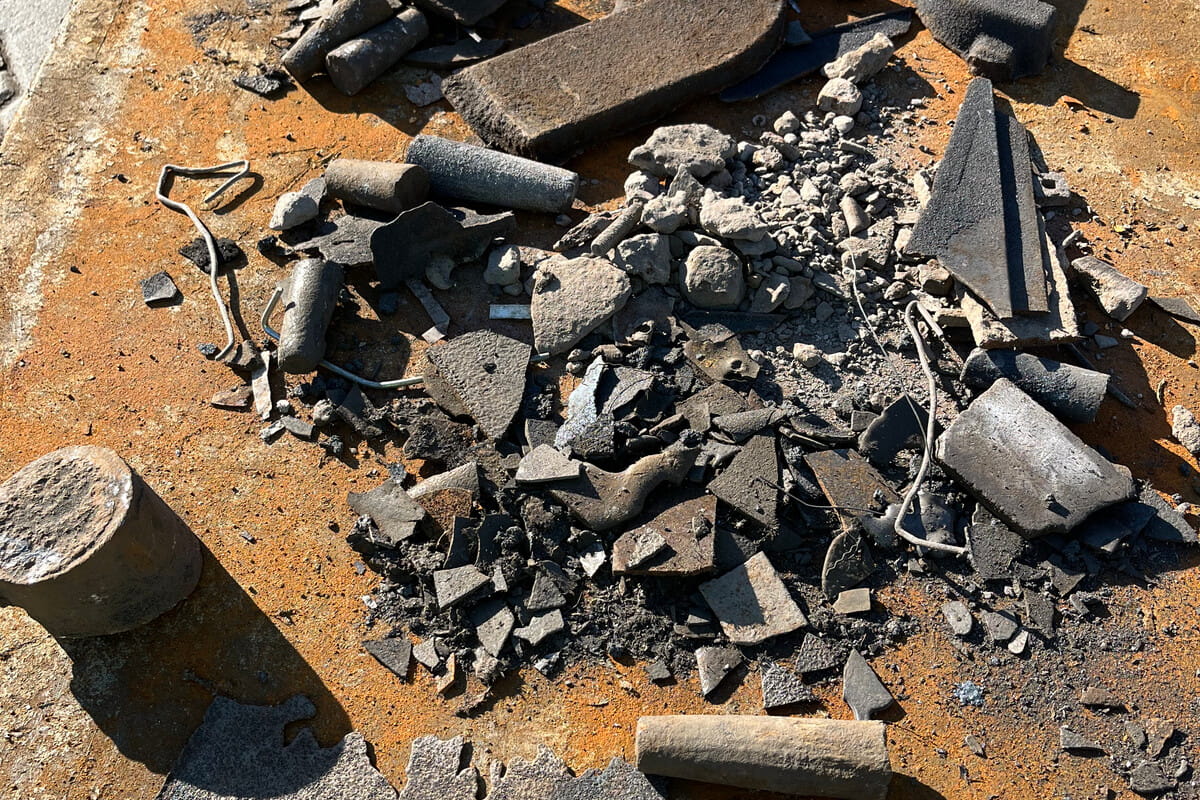
Cement plant, lime plant and quarry premises are full of sharp metal contaminants that cause tyre damage on loaders, dumpers and trucks.
The following equipment is most commonly used for site maintenance:
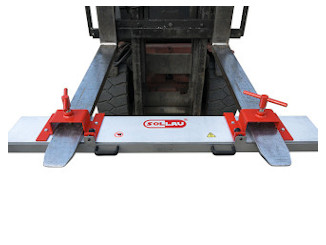
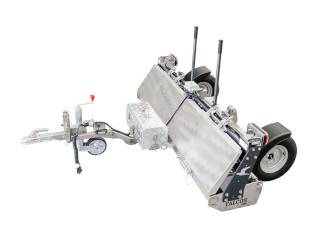
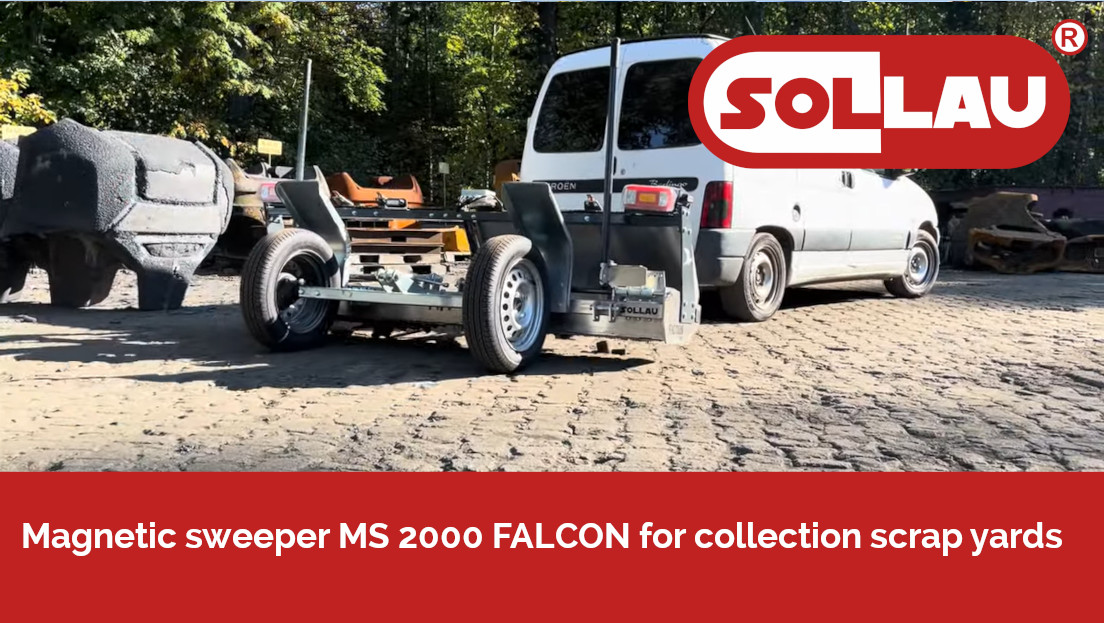
A magnetic sweeper attached to a forklift's forks or towed behind a vehicle collects nails, wires and sharp fragments from service roads — significantly reducing tyre damage on heavy equipment.
Problems this solves: downtime of handling equipment due to tyre damage.
Benefit for the customer: lower operating costs for tyres.
PHOTOS FROM PRACTICE
VIDEO FROM PRACTICE
FREQUENTLY ASKED QUESTIONS
A magnetic plate is suspended above the belt conveyor before the limestone crusher — for occasional metal occurrence, one with manual cleaning (DND-MC); for large amounts, a self-cleaning one (DND-AC). For high material layers, we recommend the electromagnetic overband DND-AC E or the strongest MxF BEAST range with an installation height of up to 500 mm.
Magnetic separators in a cement plant are installed at four key locations: above the belt conveyor before the crusher, in chutes and transfer points before the raw meal and cement mills, on the solid recovered fuel (SRF) line, and in the dispatch paths of the final product. Each location suits a different type — from magnetic plates through enclosed drums MBZ to grate separators.
The magnet first removes ferromagnetic metals, so the detector reacts only to the remaining non-magnetic metals (manganese steel, stainless steel, aluminium). This means the belt stops only in exceptional cases, avoiding unnecessary downtime.
By combining a self-cleaning magnetic plate above the conveyor (ferrous metals) with an eddy current separator ECS (aluminium and other non-ferrous metals). An even material layer before the ECS separator is ensured by a vibrating conveyor.
For poorly free-flowing powders, we recommend the rotational magnetic separator MSR-MC, whose rotating grate keeps the material in motion, or chute magnets ML (magnetic lanterns) that present no obstruction in the material flow.
A separator with manual cleaning is cheaper and sufficient where metal contamination occurs only occasionally — the operator cleans it by hand. A self-cleaning separator is cleaned fully automatically without stopping operation and pays off where there is a large amount of contamination, for example on limestone from a quarry or on an SRF line.
Vibrating screens are used for grading limestone fractions, breaking up lumps of cement and gypsum, and evening out the grain size of mixes. They are placed after crushing, before firing, before dosing into silos, or before the bagging line.
We manufacture every separator to order according to belt width, fraction and amount of contamination, so the price varies depending on the design. We will test your material FREE OF CHARGE within 3 days and recommend the optimal solution.
A German family-owned lime plant engaged in limestone mining and lime production faced an issue with metal and rusty particles in a fine dolomite product...
After a change in the iron-bearing raw material, coarse metal particles started to appear in the grinding circuit of a cement plant. They accumulated in...
Our customer specializes in mining and processing of limestone. During this procedure the mineral gets contaminated with tramp metal (such as bolts, nuts,...
One of the leading companies in the field of building materials industry faced a problem with metal contaminants in clay, which is the basic raw material for...
The Solid Recovered Fuels (SRF) and Refuse Derived Fuels (RDF) represent an important source of energy in modern industry. However, when using SRF or RDF,...
Our customer specializes in the mining and processing of limestone. When transporting limestone on a belt conveyor, problems arise with metallic impurities...
Excavated limestone is transported on a conveyor. During mining and subsequent processing of limestone, it is contaminated with ferromagnetic impurities (screws,...
Autoclaved aerated concrete (ACC) - sometimes also called cellular or porous concrete - is a lightweight foam concrete building material enabling the reduction...
REFERENCES SOLLAU is a proud supplier of magnetic separators to the following companies
CONTACTS Do you have questions about our products? Don't hesitate to contact us!
Our team of sales representatives is ready to provide you with full support and help you find the best solution for your magnetic separation needs. We offer not only standard solutions but also custom-made ones, so you need not worry even about more complex technical challenges. Just contact us and we will be happy to help.
You can contact us by phone, e-mail or through our web form.
 Cement and lime production are among the fundamental pillars of the construction industry. Crushing, grinding and firing limestone in rotary or shaft kilns produces clinker, cement, lime and hydrated lime — raw materials for concrete, dry mortar and plaster mixes as well as the chemical industry.

















 +420 773 323 773
 petr.zbranek@sollau.cz