WHERE IN RECYCLING AND WASTE PROCESSING WILL YOU FIND OUR MAGNETIC SEPARATORS?
Sorting lines for municipal waste and separate collection
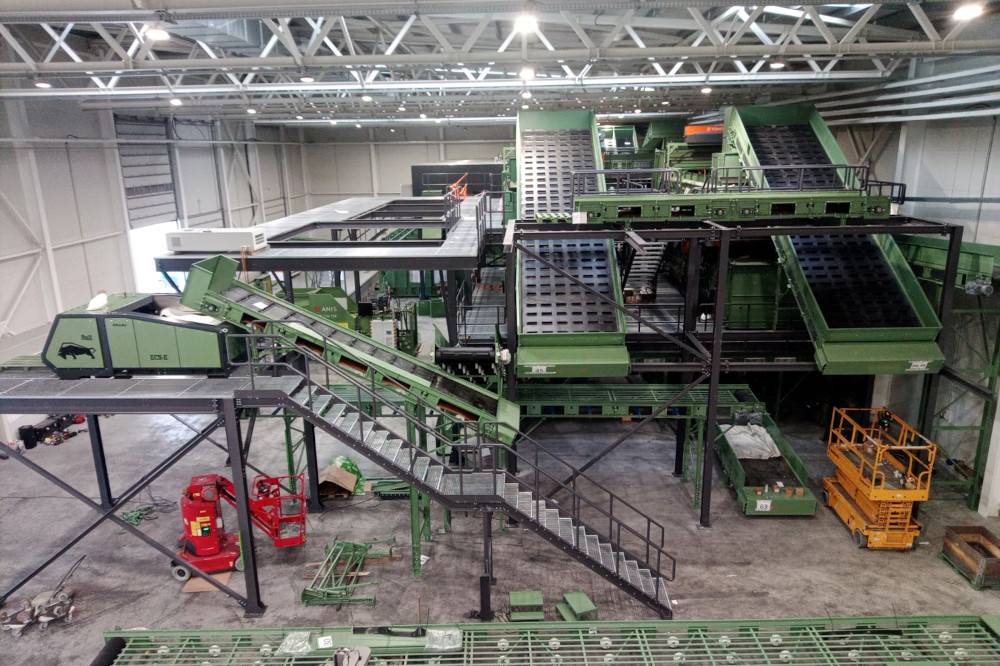
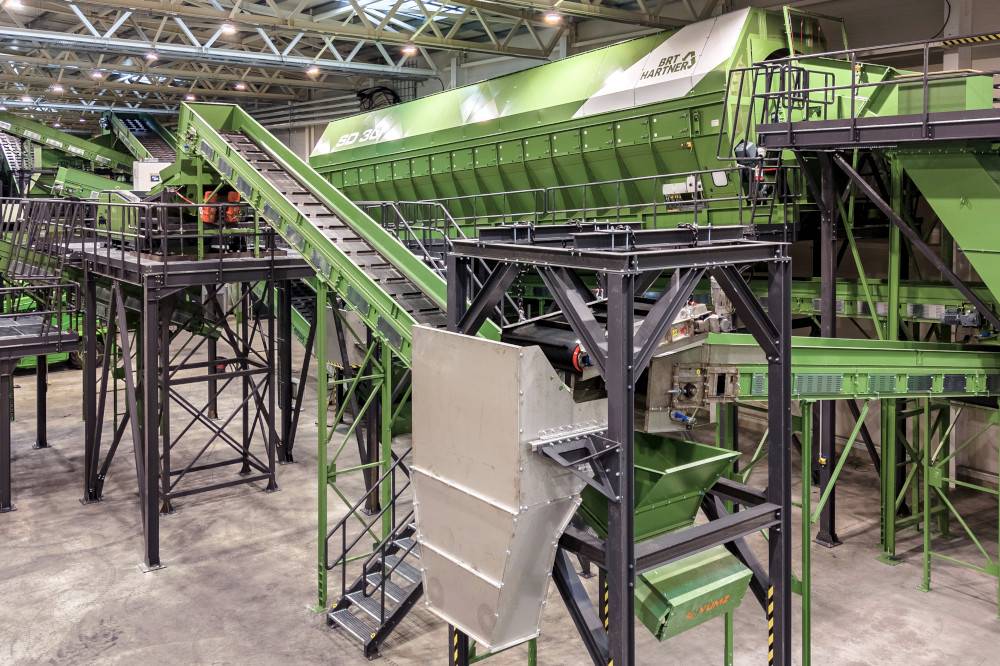
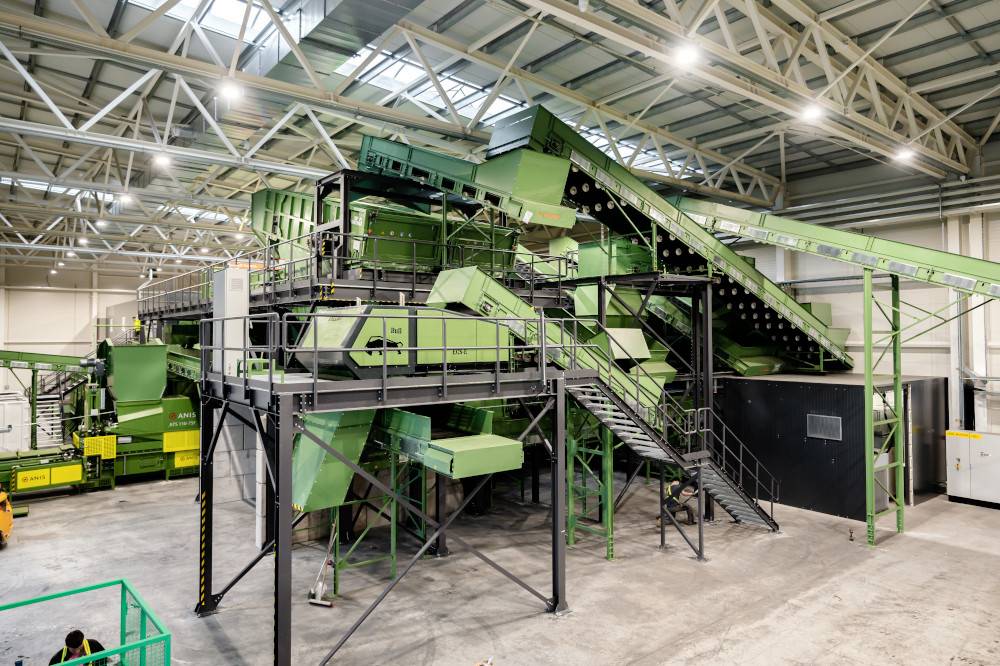
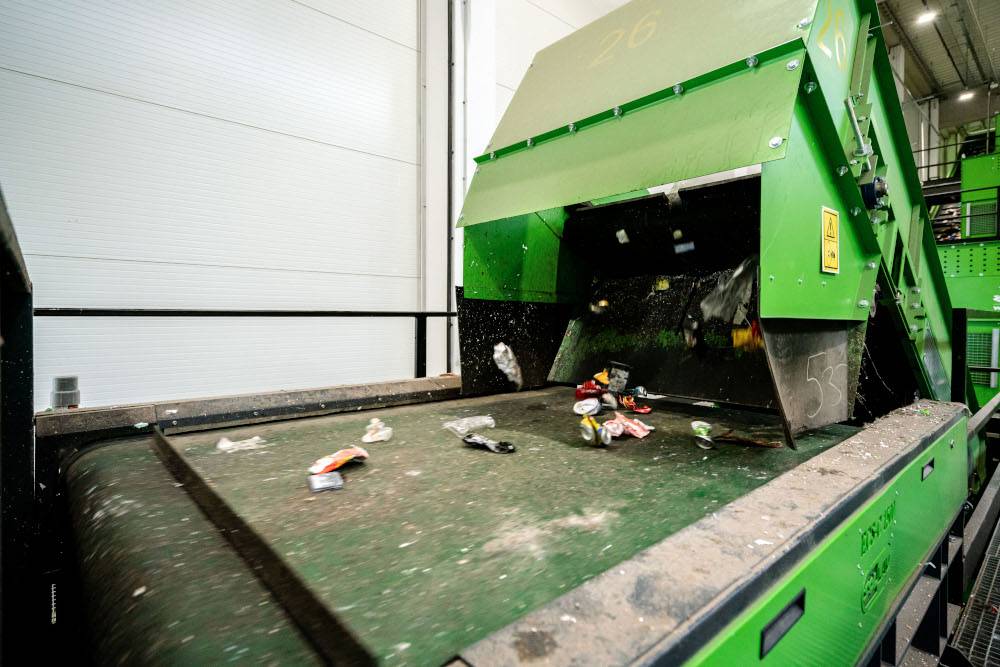
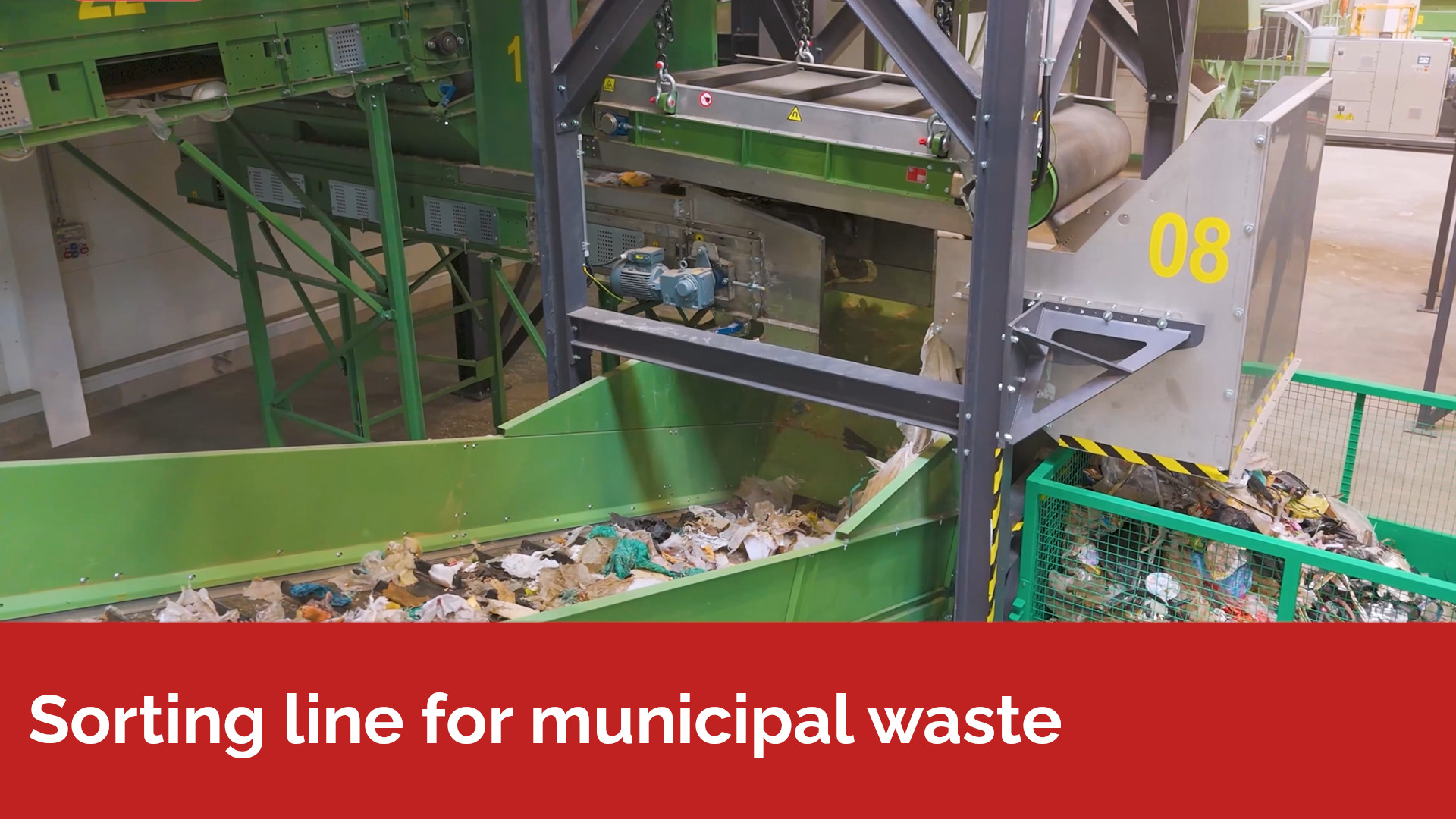
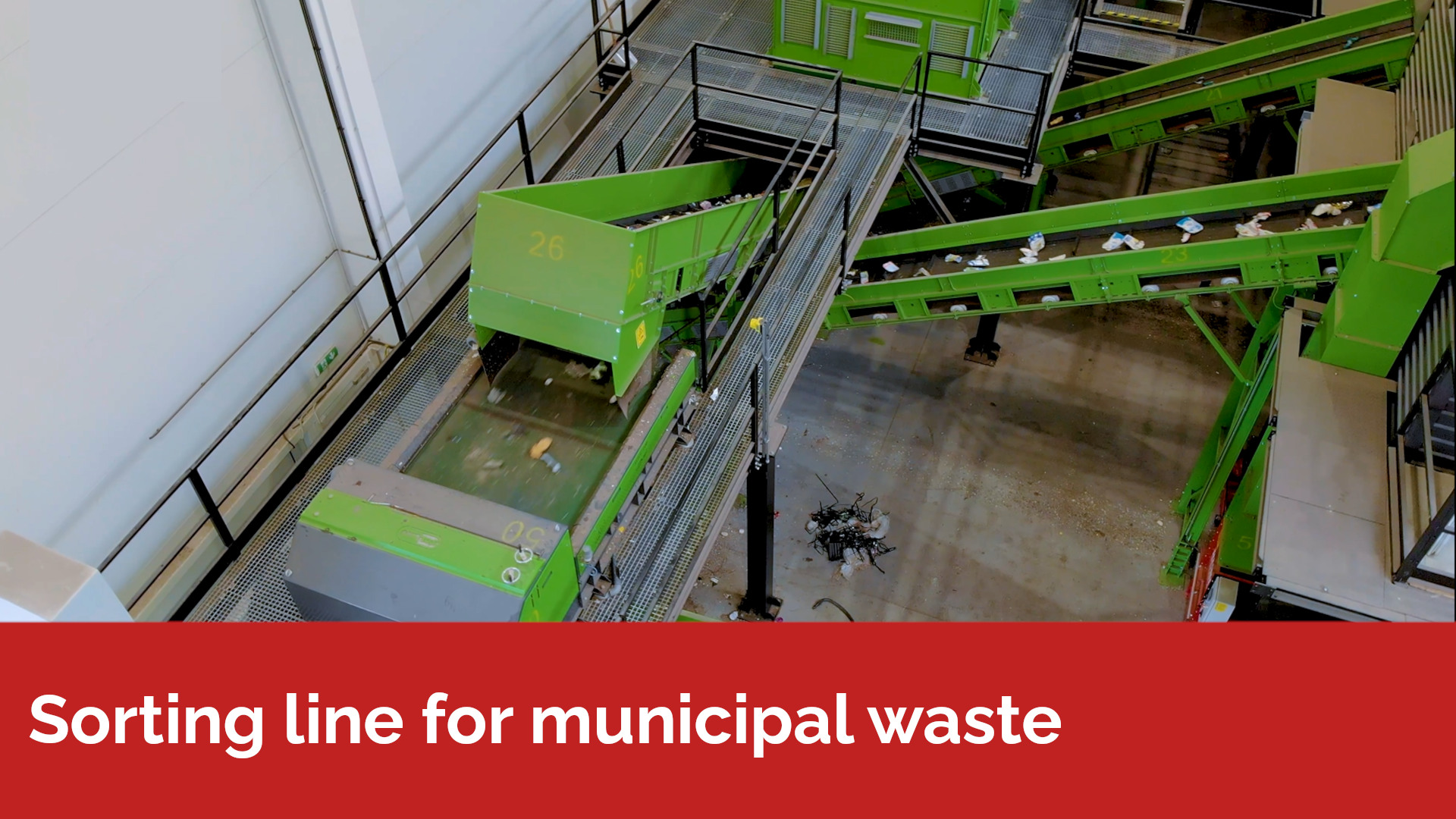
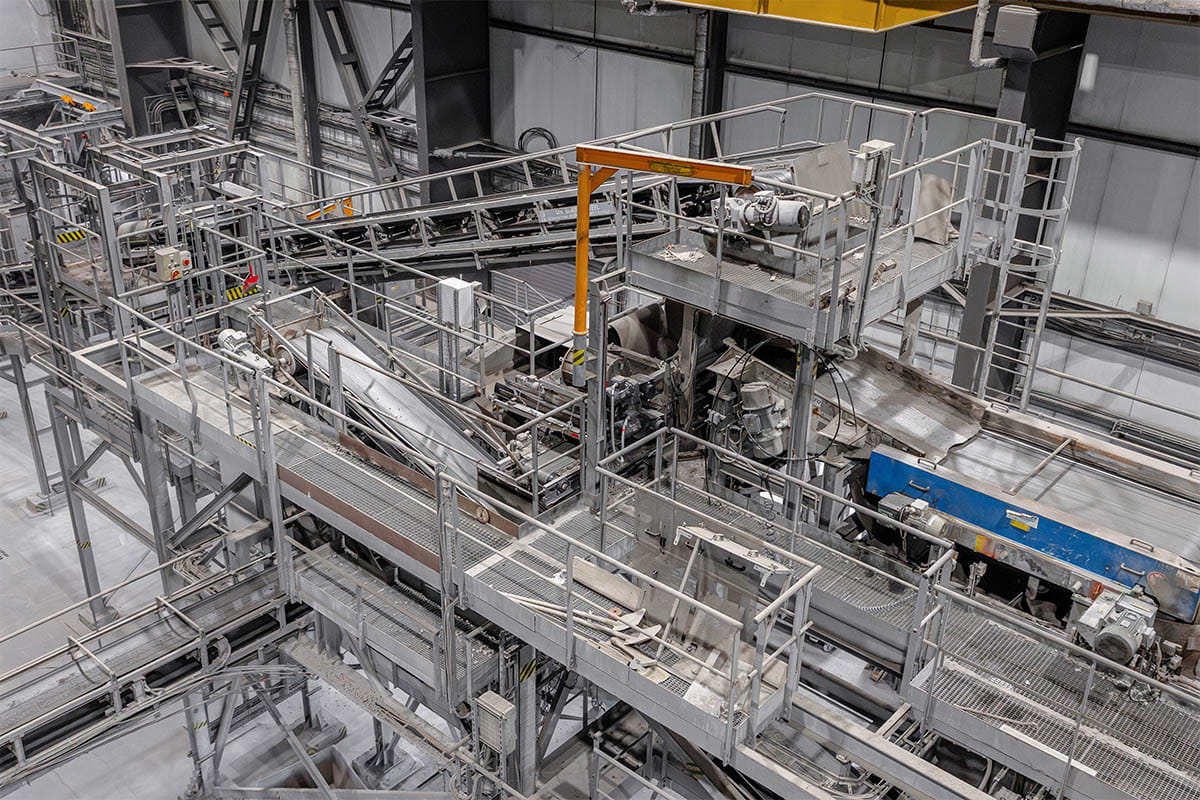
On sorting lines, mixed municipal waste or the contents of yellow containers pass through a bag opener, a trommel screen and manual or optical secondary sorting. Metals – cans, lids, wires, batteries and bulk iron – need to be removed as early as possible: this protects presses and secondary-sorting technology while also creating a saleable metal fraction. SOLLAU also supplies complete automated sorting lines – our reference line for sorting municipal waste, plastics and paper processes 31 tonnes of municipal waste per hour with a guaranteed separation efficiency of 95 %.
The following equipment is most commonly used in sorting municipal waste:
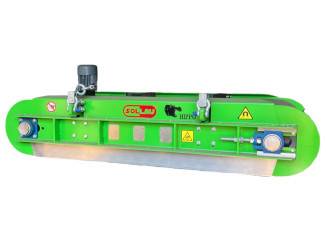
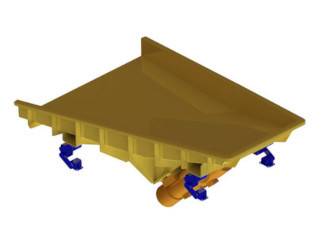
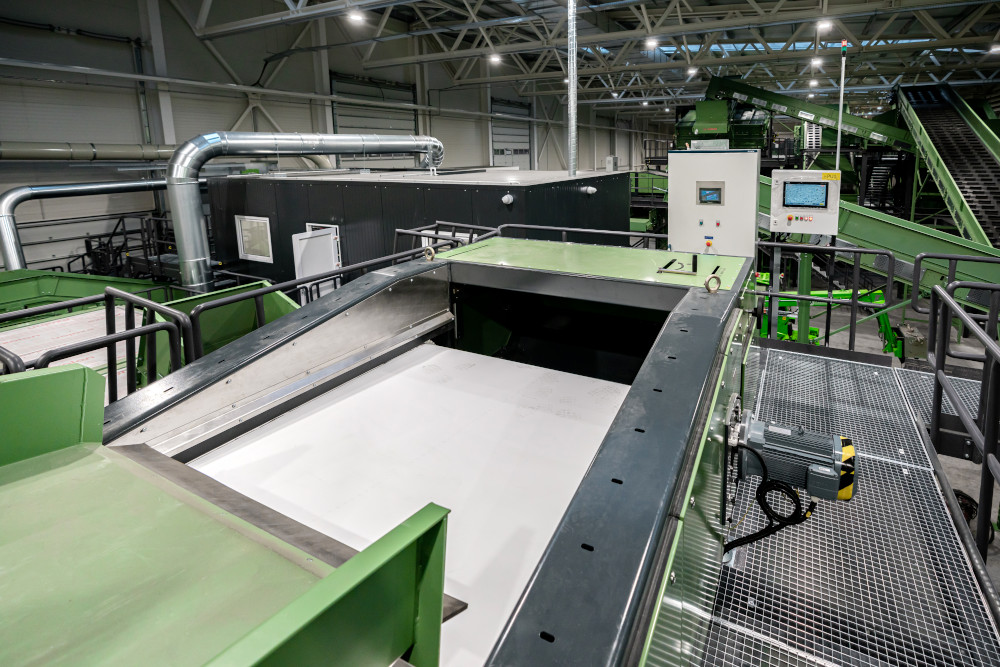
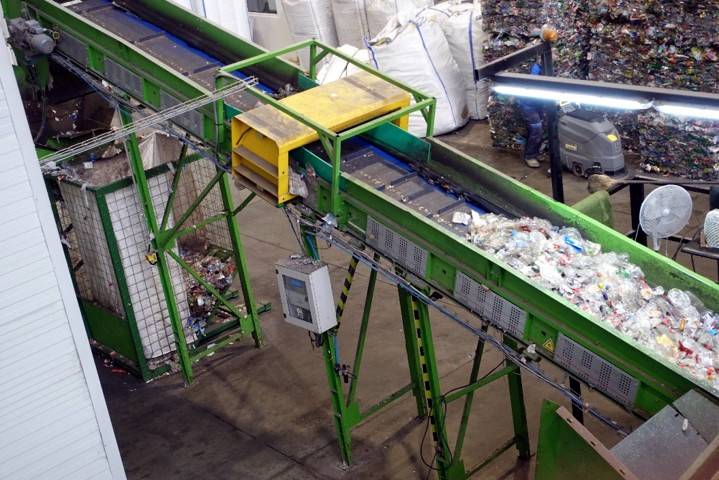
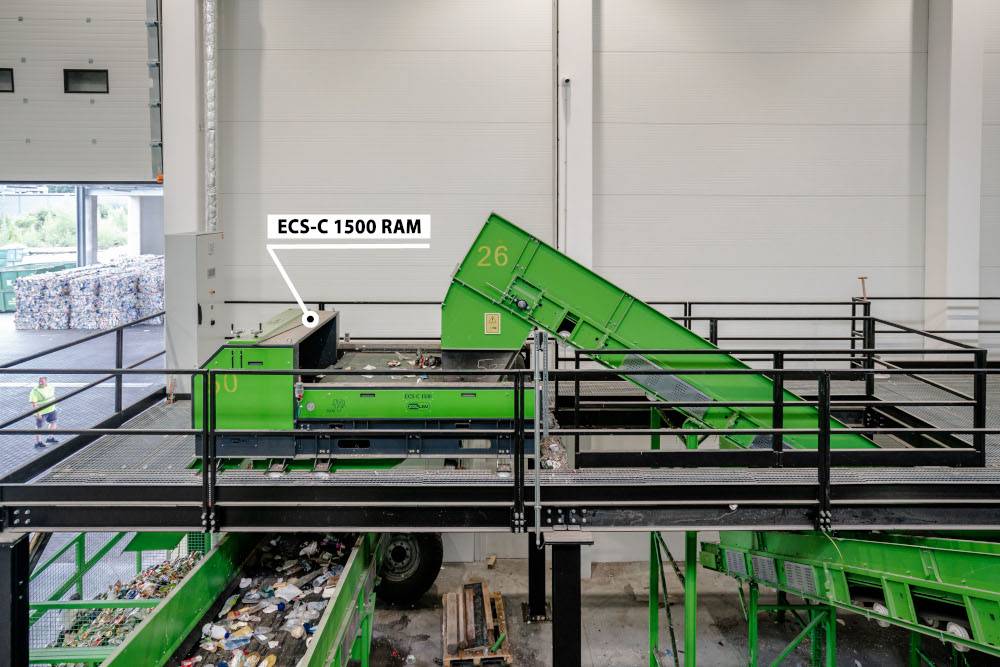
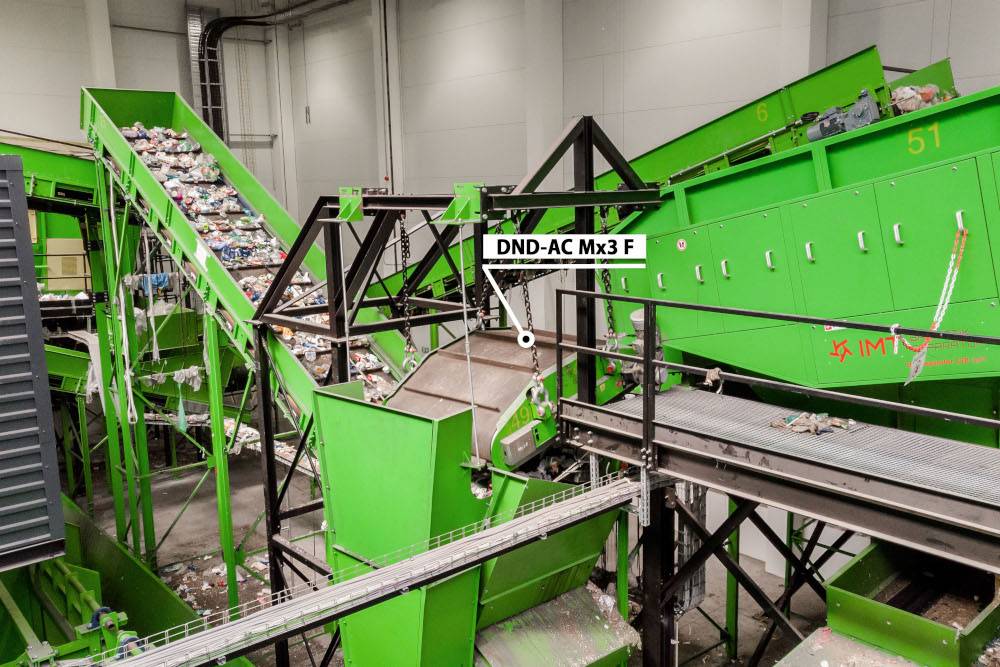
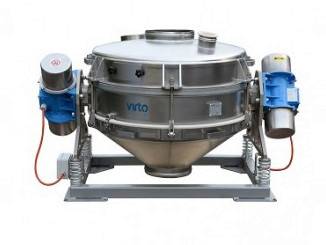
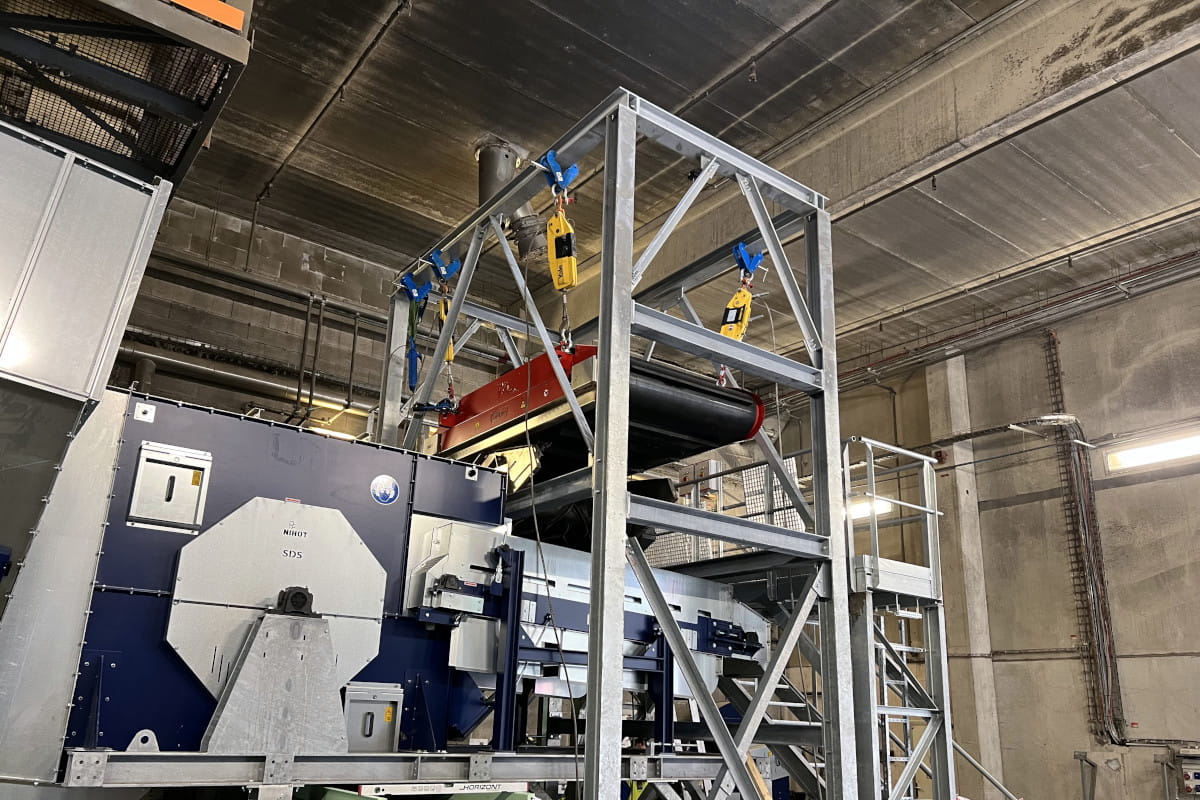
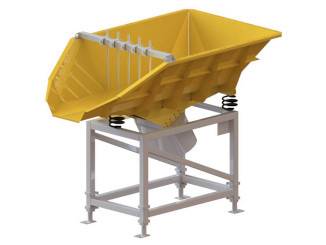
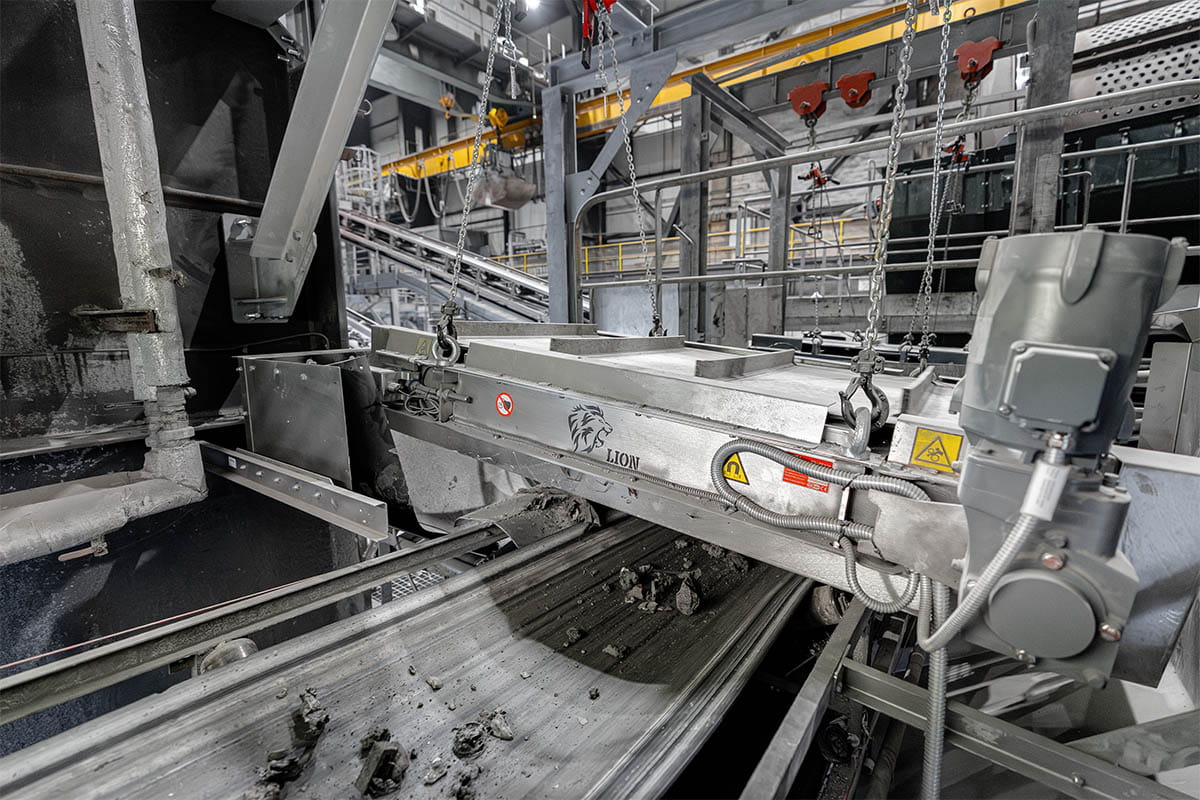
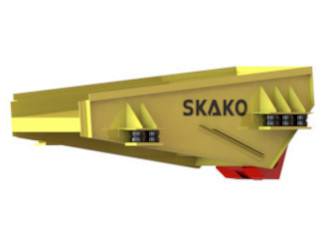
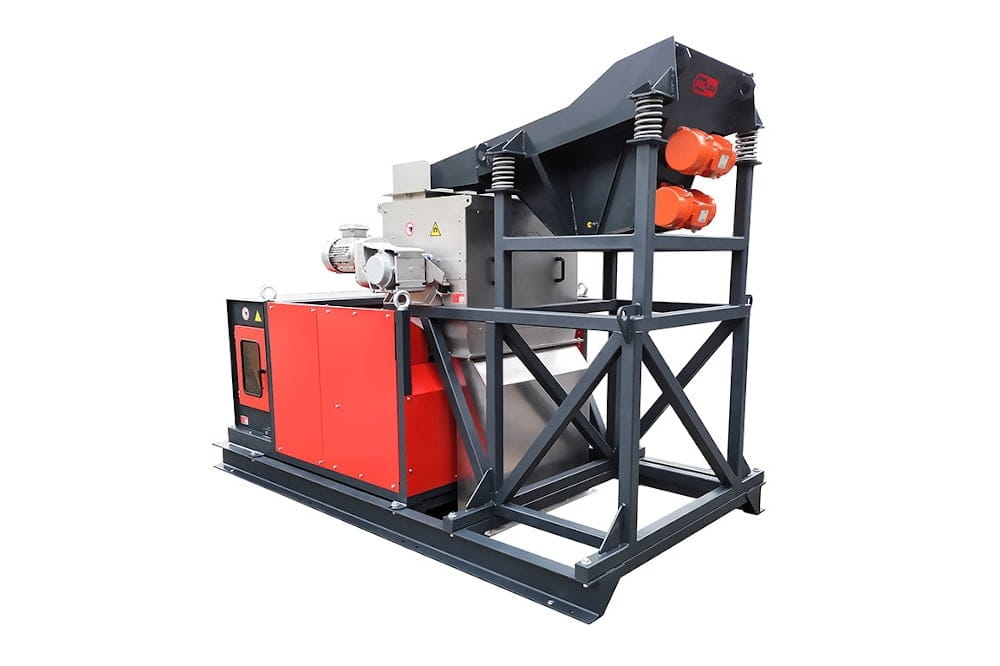
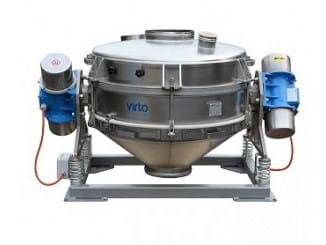
The self-cleaning DND-AC plate is suspended crosswise above the belt conveyor behind the trommel screen; for a thick material layer or a poorly permeable mixture we recommend a lengthwise installation above the transfer point of the head pulley, or the electromagnetic overband DND-AC-E with a deeper field reach. The eddy current separator ECS always belongs after de-ironing – and ahead of it a vibratory spreading feeder, which spreads the material into an even layer across the full width of the belt.
Production of solid recovered fuel (SRF / RDF)
Solid recovered fuel from sorted waste is taken mainly by cement plants – in the Czech Republic alone they burned 267 thousand tonnes of it in 2024. Cement plants, however, apply strict penalties for metal content in the fuel: metals damage the burners, dosing routes and the calciner. Metal impurities get into SRF from crushed waste – wires, thin metal sheets, screws, packaging residues.
The following equipment is most commonly used in the production of alternative fuels:
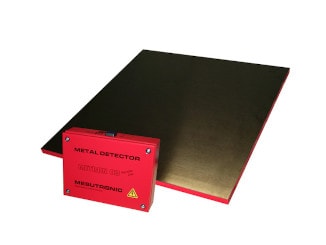
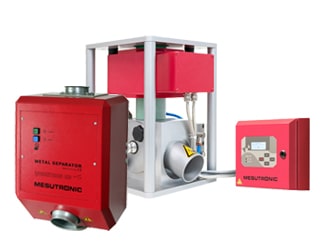
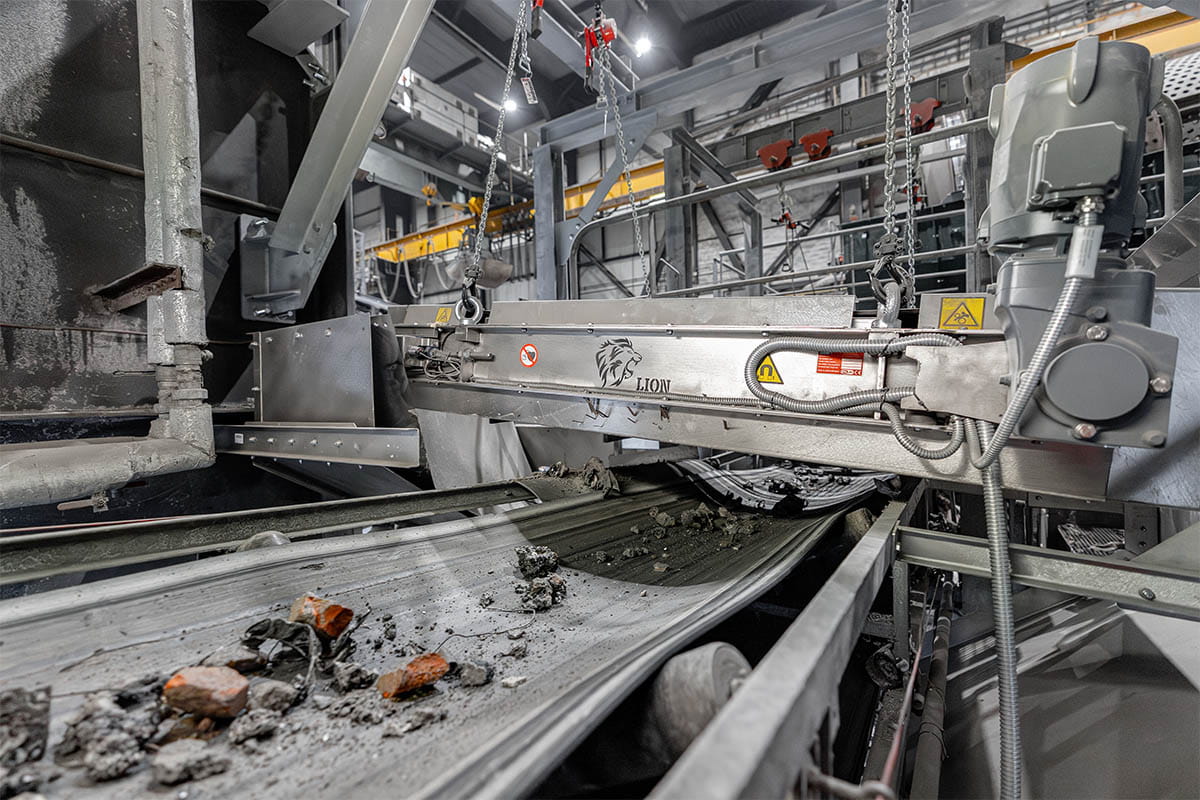
The self-cleaning DND-AC plate is installed above the discharge belt behind the crusher; the magnetic drum MBZ further cleans the finer fractions at the transfer point, and the ECS removes non-ferrous metals before final crushing or pelletizing. The metal detector serves as a final check before dispatch – it also captures stainless steel that the magnet does not.
In our case study at a leading Czech SRF producer, the customer deployed the strongest model, the DND-AC Mx8 F BEAST, which captured metal contaminants from the 0–300 mm fraction from a distance of up to 500 mm at a belt width of 1,400 mm and a material layer of 300 mm.
Result: stable fuel quality without penalties = a higher sale price of SRF.
Municipal waste incinerators and bottom-ash processing
Bottom ash (slag) from municipal waste incinerators is literally a metal mine: according to the European association CEWEP it contains 10–12 % ferrous metals and 2–5 % non-ferrous metals, of which roughly two thirds is aluminium. After sorting out the metals, the mineral residue can be used in construction – metal separation is therefore the main source of return of the entire bottom-ash processing line.
The following equipment is most commonly used in processing bottom ash and ash:
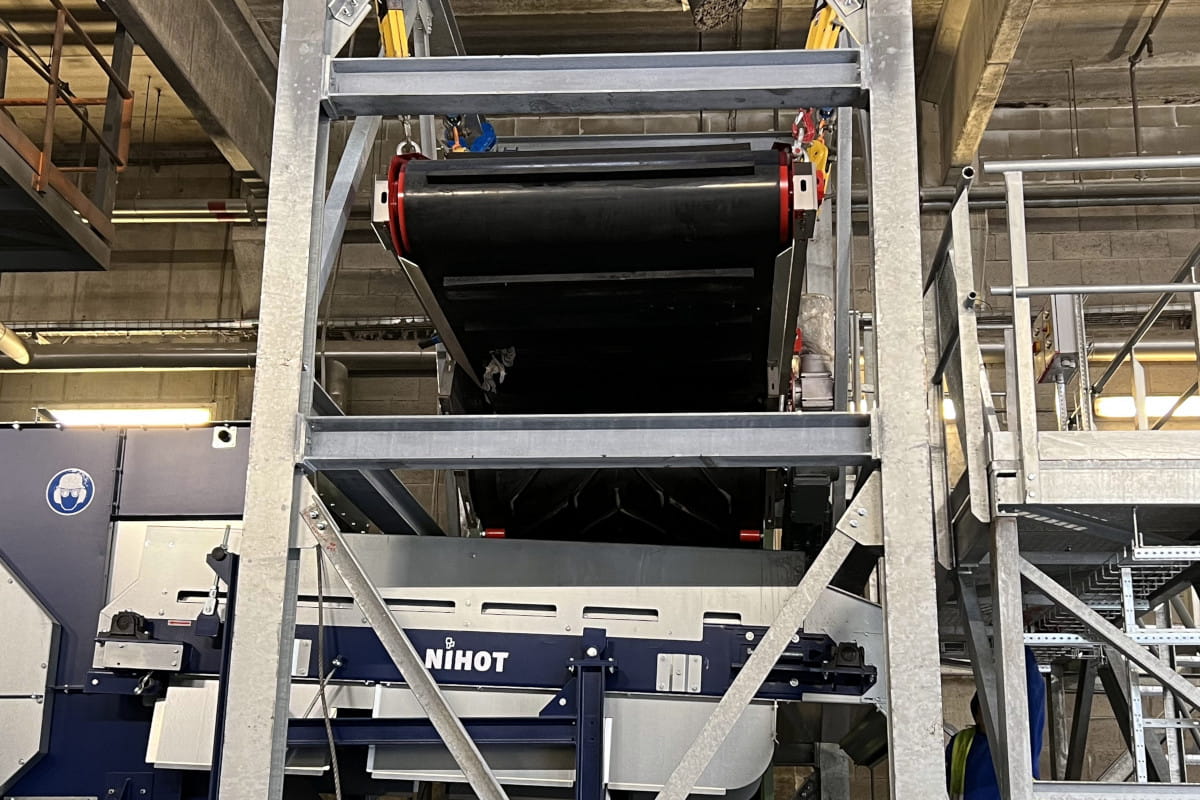
The bottom ash is first sorted into grain-size fractions. The metals are then removed by the magnetic plate DND-AC suspended above the conveyor, or by the electromagnetic overband DND-AC-E.
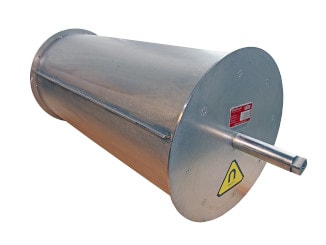
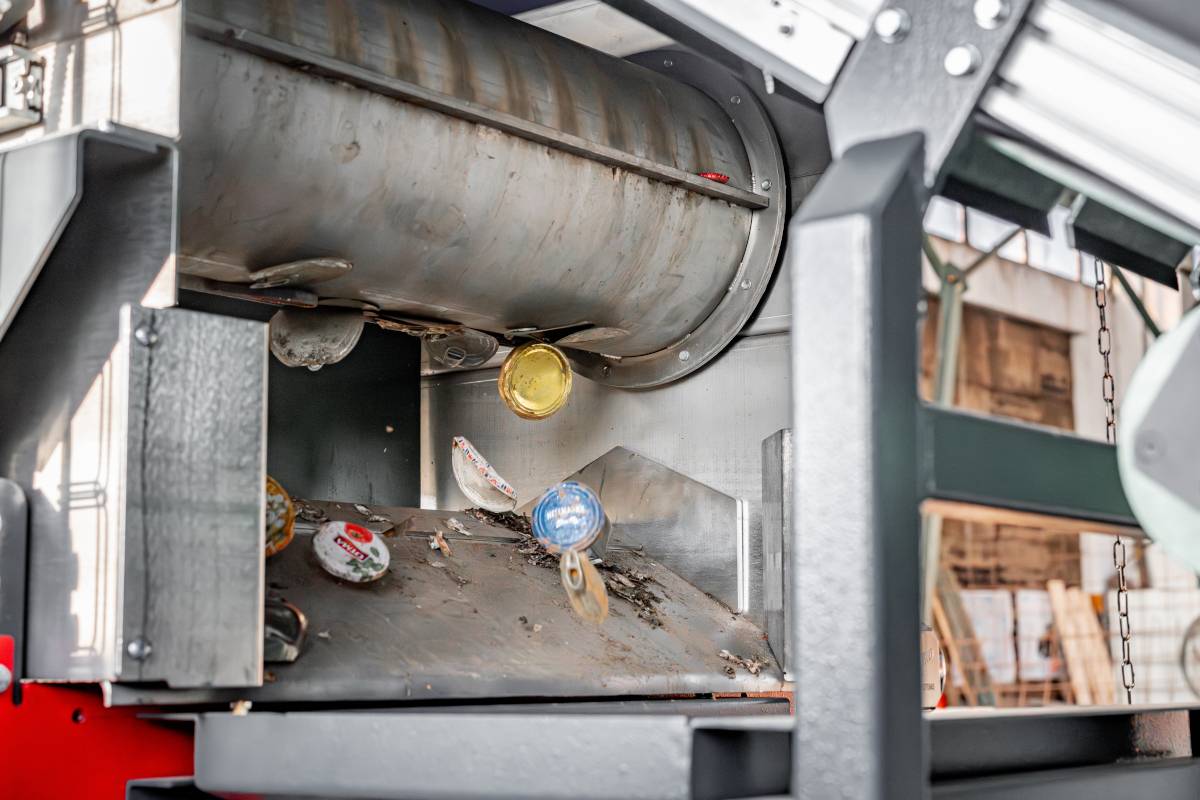
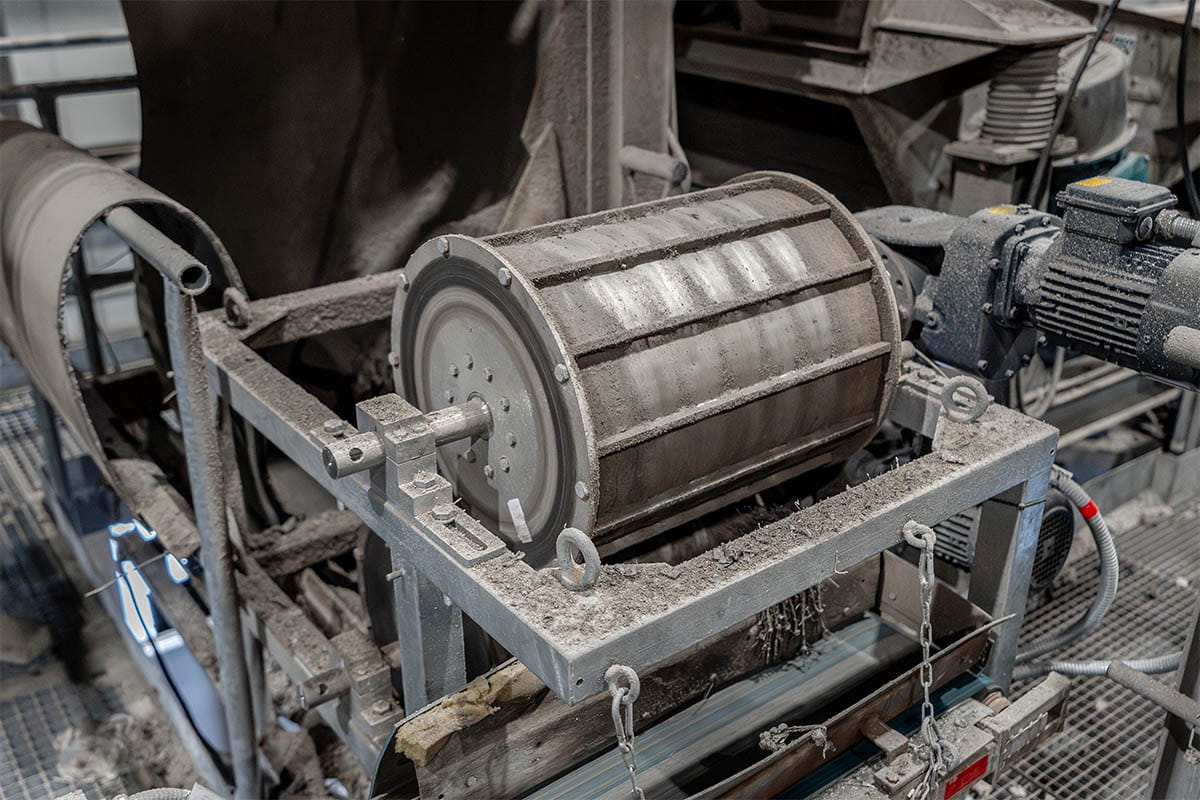
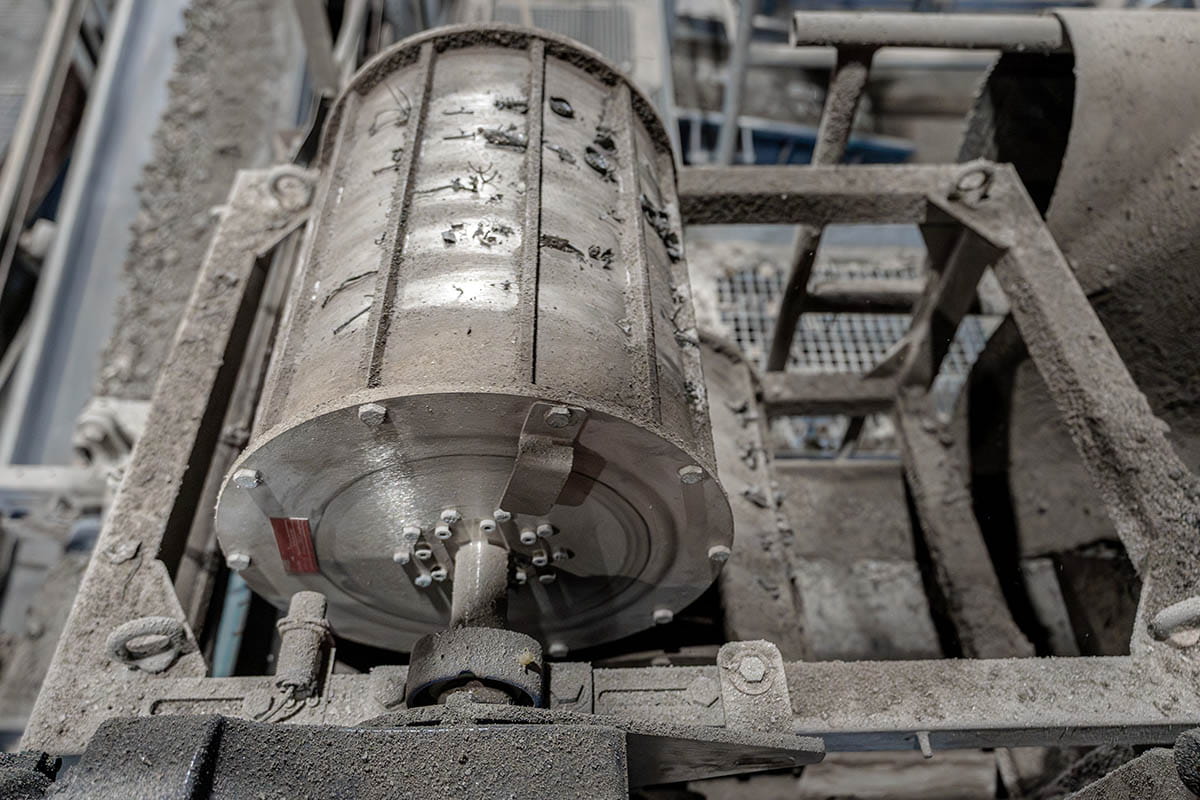
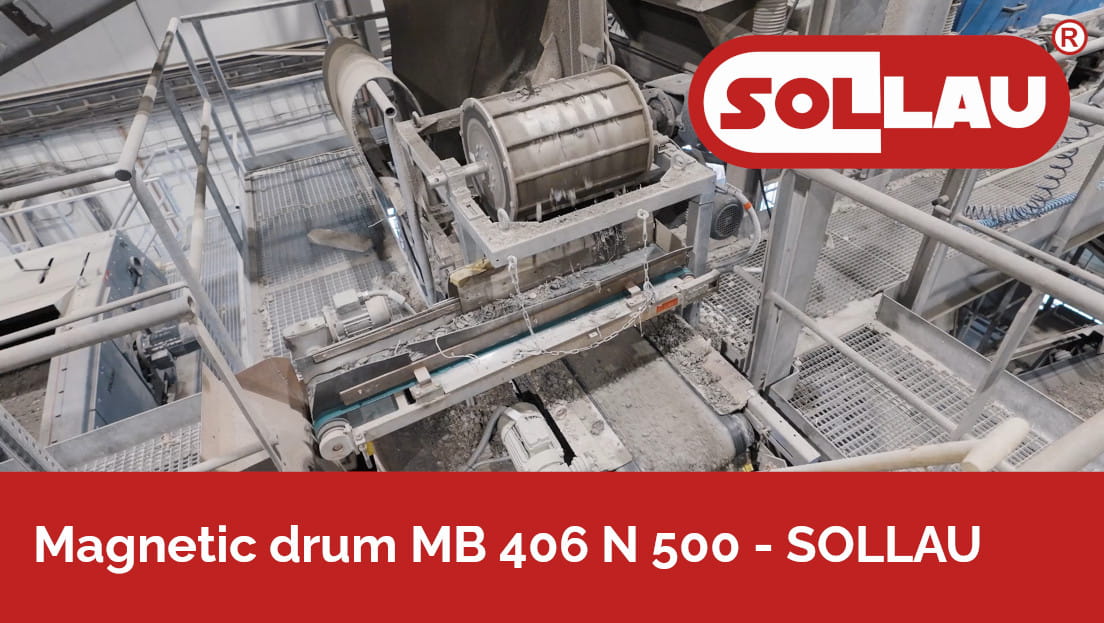
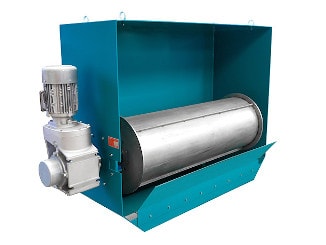
A further stage of magnetic separation is provided by a magnetic drum – we often deploy a combination of two drums placed above the bottom-ash conveyor, in order to catch the metals from the ash and at the same time prevent the drum shell from becoming clogged with wet ash.
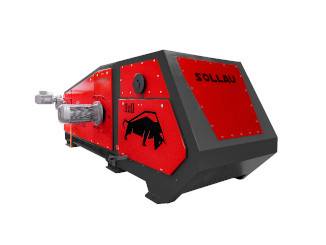
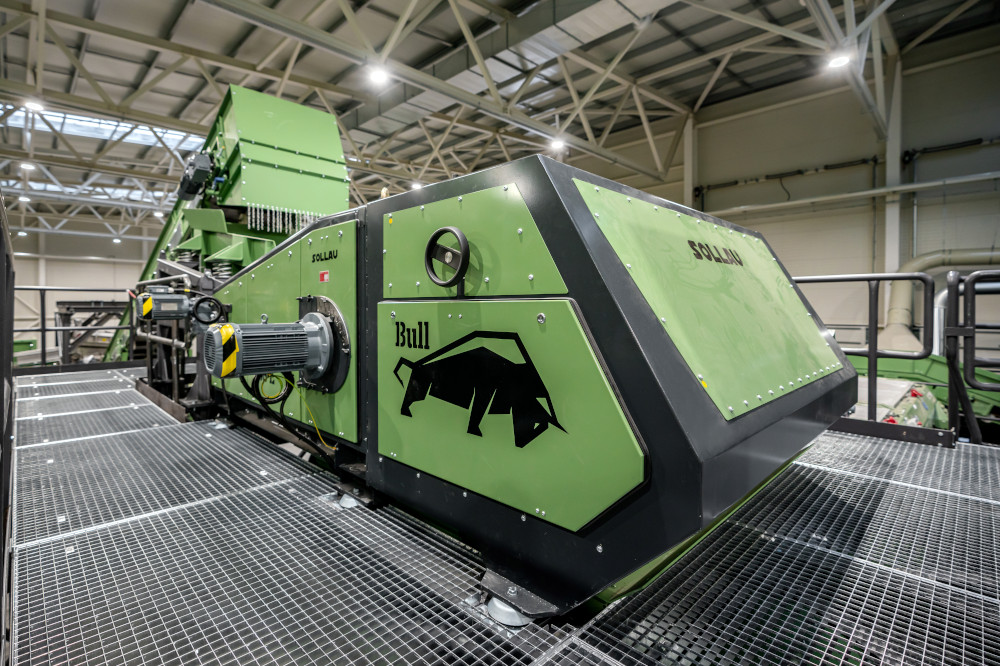
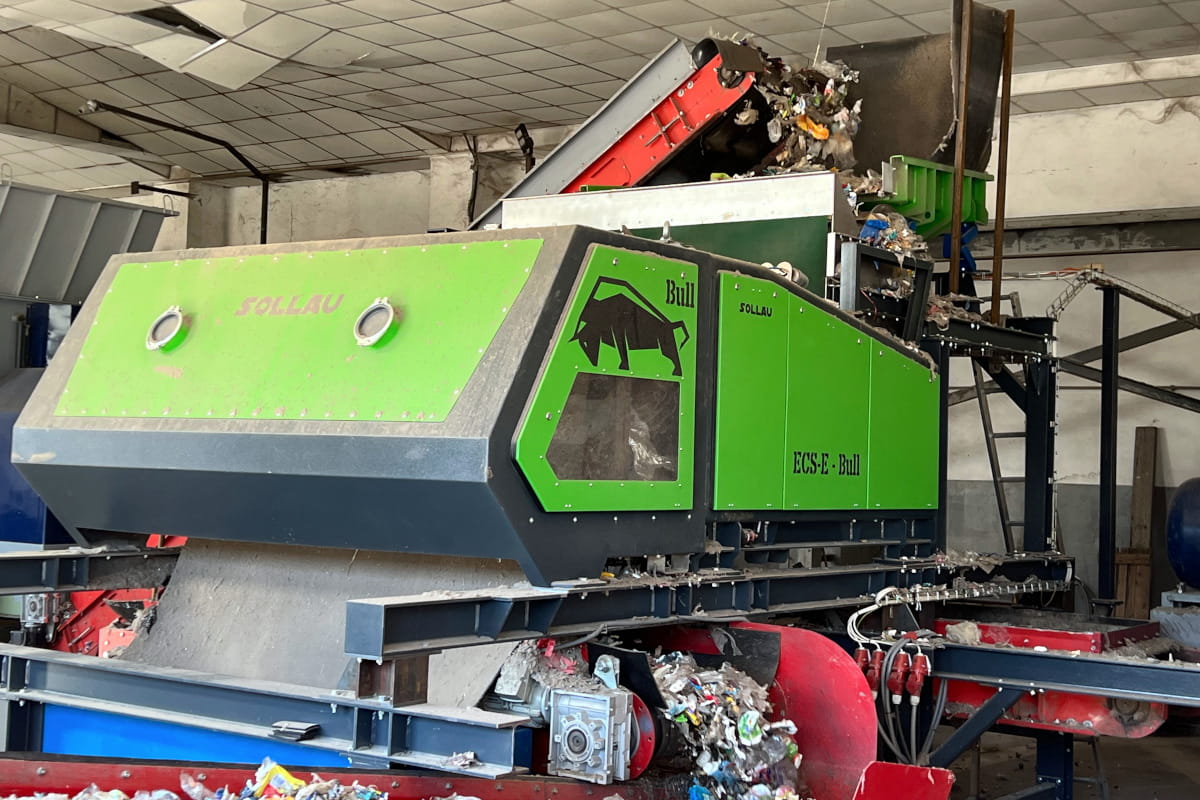
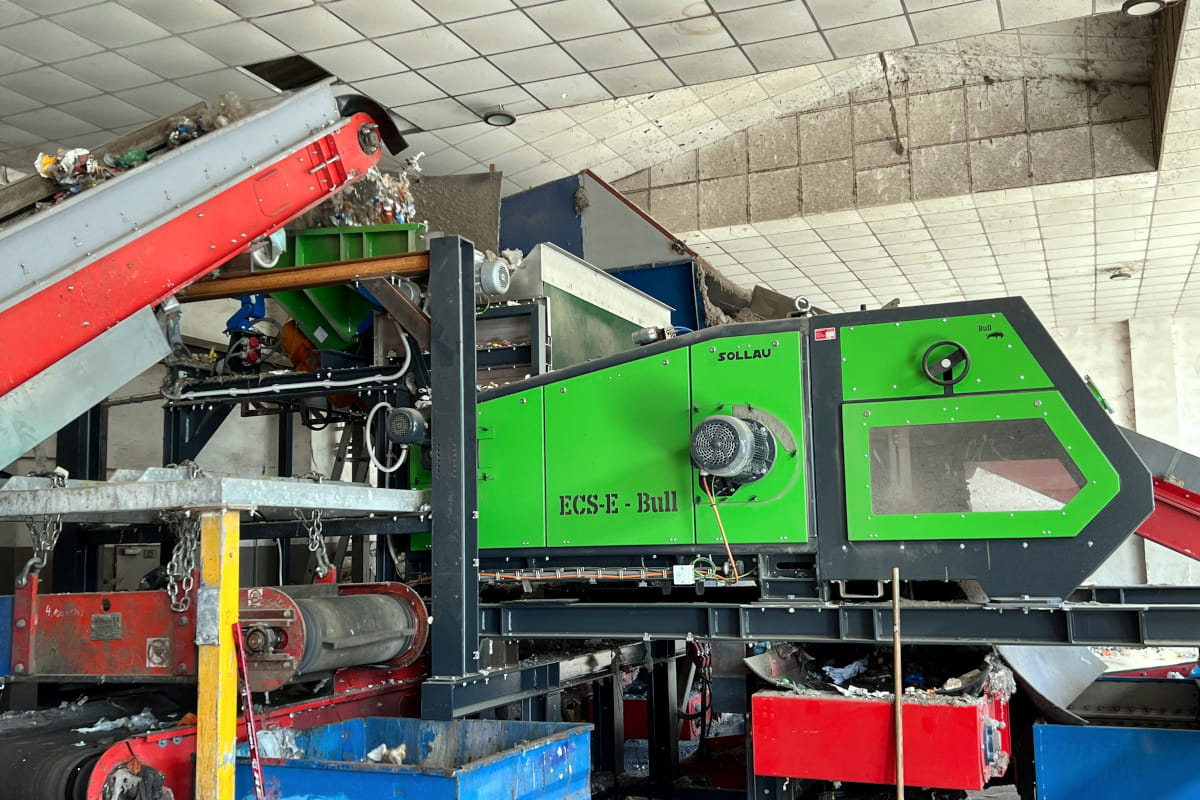
Non-magnetic metals are separated by an eccentric eddy current separator. The ECS-E BULL and ECS-E BUFFALO models separate non-ferrous particles from as little as 1 mm and 0.5 mm respectively, which is decisive with fine bottom ash: it is precisely the fraction below 10 mm that contains a high proportion of copper and other valuable metals.
In 2024, Czech incinerators recovered energy from a record 830 thousand tonnes of municipal waste – each of them faces the question of how to extract the maximum from the bottom ash: unsorted metal in the ash = money carted off to the landfill.
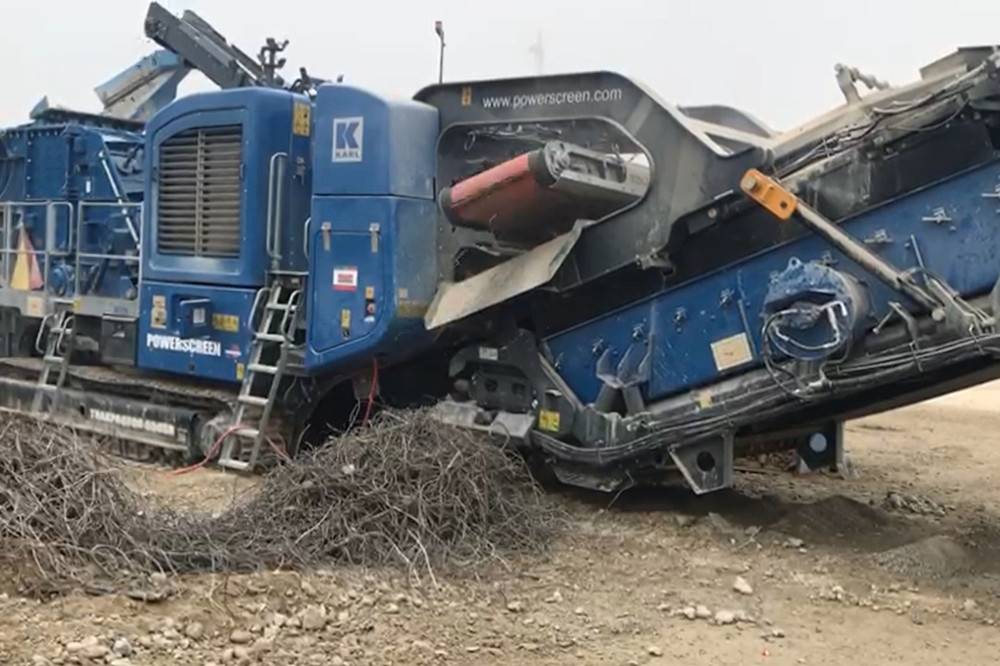
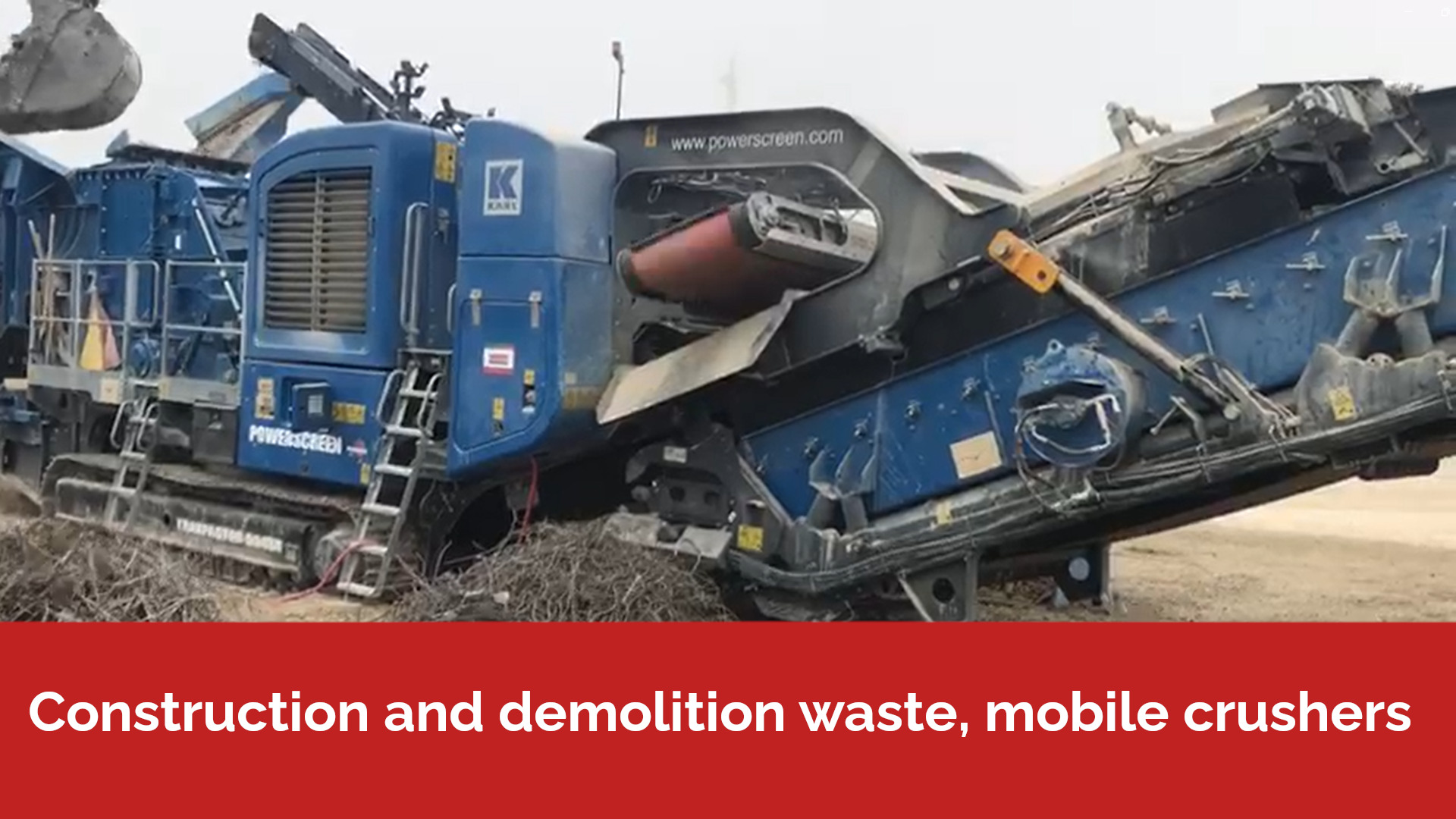
Construction and demolition waste, mobile crushers
When crushing concrete and rubble, the main enemy is steel reinforcement (rebar), mesh, screws and sheets: they break the hammers and jaws of the crushers and contaminate the recycled aggregate.
The following equipment is most commonly used in construction waste recycling:
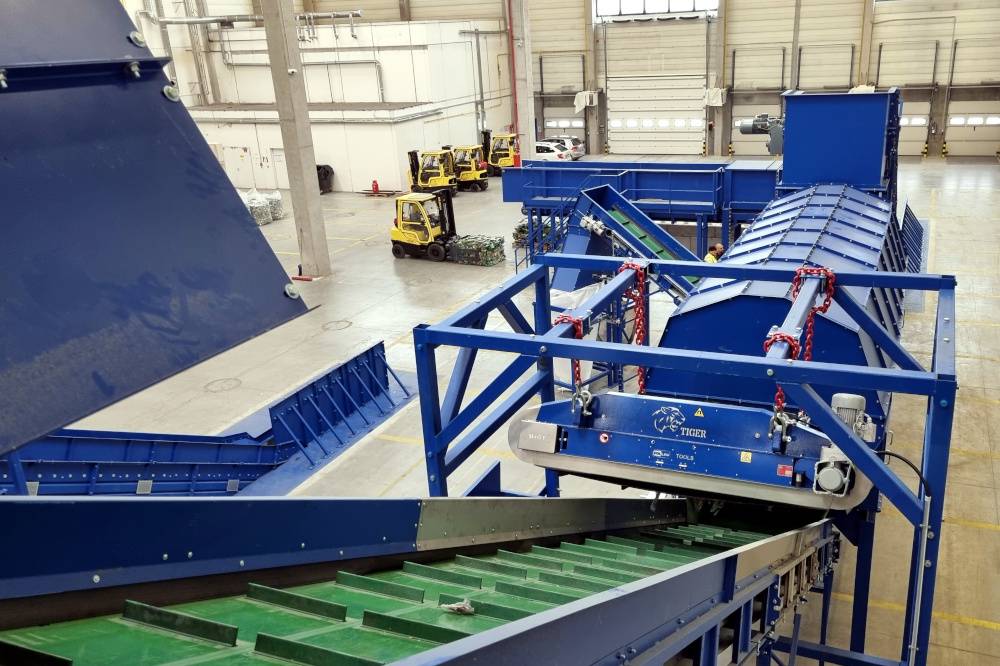
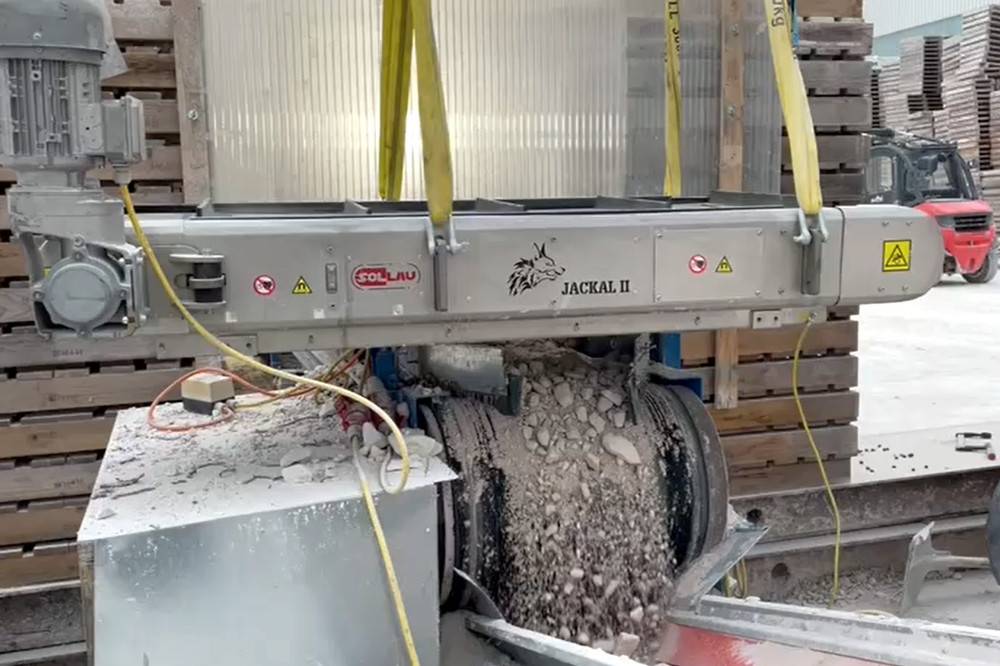
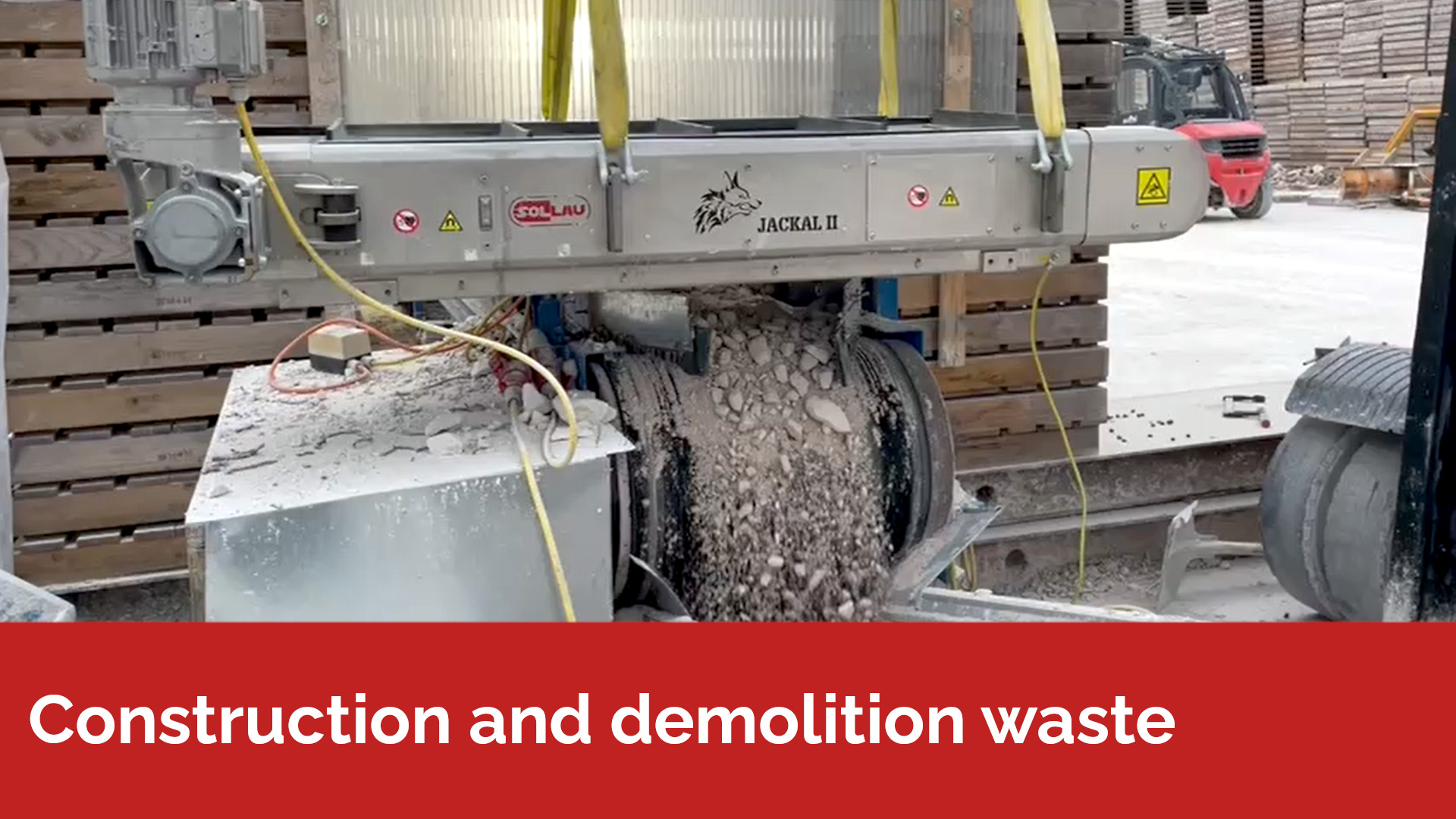
The magnetic separator is mounted above the output conveyor of the primary crusher, where it pulls out the reinforcement right after crushing; on stationary lines a second stage for the remaining steel is added behind the impactor.
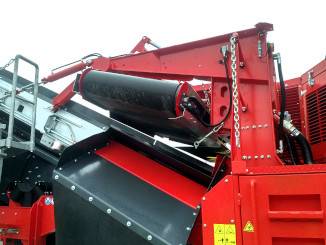
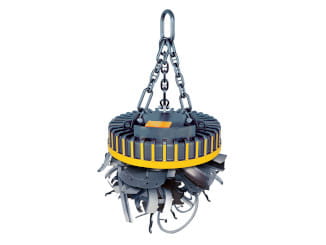
For mobile crushers we supply special low-weight self-cleaning plates (from 480 kg, Fe capture from 0.5 mm from a height of up to 450 mm) with a drive by electric motor, hydraulic motor or electric cylinder – SOLLAU supplies them to leading manufacturers of mobile crushers. The sorted iron is then loaded at the landfill by the scrap electromagnet EMG-SM suspended from an excavator or crane. We also offer a complete mobile crushing and sorting line.
The benefit is threefold: clean recycled aggregate, saleable scrap iron and a longer service life of the crushers. As our case study on the separation of steel rebar during concrete crushing shows – a strong yet lightweight magnet is key in mobile deployment.
Advantages of the magnetic plates for mobile crushers and screeners: low weight from 480 kg – suitable for mobile machines, capture of ferromagnetic particles from 0.5 mm from an installation height of up to 450 mm, drive by electric motor, hydraulic motor or electric cylinder.
Municipal solid waste landfills – sorting before disposal and landfill mining
Landfills are ceasing to be the final destination for waste – and this is happening from two directions at once.
First, what is allowed into a landfill at all is changing. From 1 January 2030, landfill operators in the Czech Republic may not accept waste whose calorific value in dry matter exceeds 6.5 MJ/kg, which does not meet the AT4 biological stability parameter, or which can reasonably be recycled (Section 40 of Act No. 541/2020 Coll.). EU legislation is heading in the same direction: under Directive (EU) 2018/850, no more than 10% of municipal waste may be landfilled from 2035. Incoming material will therefore have to be sorted before disposal – and in every such line, the question of metal has to be solved.
Second, the view of what already lies in landfills is changing. Landfill mining has moved from research projects into practice: the old landfill body is excavated and re-sorted, and ferrous as well as non-ferrous metals – aluminium, copper, brass – are separated from the material. The European consortium EURELCO estimates that there are around half a million landfills in Europe, mostly closed, created at a time when metals were not sorted at all or only roughly. Landfill mining makes economic sense where revenue from recovered metals, reclaimed land and savings on remediation and monitoring costs add up; from an environmental perspective, an old, unsecured landfill body is eliminated and material returns to circulation instead of new raw materials being extracted.
Both tasks – sorting and landfill mining – rely technically on the same set of machines. We supply it complete, from the feeder to the eddy current separator:
Sorting incoming waste starts with the question of whether the landfill sorts temporarily or permanently. For temporary deployment, a mobile crusher or screener with a self-cleaning overband magnet on the discharge belt is sufficient – overband magnets for mobile machines weigh from 480 kg, capture ferrous particles from 0.5 mm at an installation height of up to 450 mm, and are driven by an electric motor, a hydraulic motor or a drum motor. Lump iron from incoming loads is picked up by a scrap electromagnet EMG-SM suspended from an excavator or material handler. A permanent sorting line follows the same sequence as any sorting line: coarse ferrous removal with an overband magnetic separator DND-AC above the belt or transfer point, cleaning of the flow with a magnetic drum – for dusty and wet operations, the enclosed MBZ version is suitable, as it discharges captured metal continuously without stopping the line – and finally an eddy current separator ECS for aluminium, copper and brass.
Material from landfill mining behaves differently from fresh waste: it has been decomposing for a long time, is wet and highly variable, and a large share of the metal is in the fine fraction. The material is therefore first screened and spread into an even layer by a vibratory feeder, and only then goes to magnetic separation and the eddy current separator. For fine fractions, the choice of rotor is decisive – the eccentric models ECS-E BULL and ECS-E BUFFALO separate non-ferrous particles from 1 mm and 0.5 mm respectively, precisely in the range where old landfills usually contain the most aluminium and copper. The ECS must always be installed downstream of magnetic separation, otherwise iron enters its rotor.
As the composition of material differs from landfill to landfill, there is no point in estimating the set-up from behind a desk. Send us a sample – within three working days you will receive a report with the measured capture rate and a recommended set-up. Free of charge and without obligation.
Metal buried in a landfill is a raw material that someone once paid to dispose of. Recovering it – whether from new waste before disposal or through landfill mining of an old site – means meeting the obligation under Section 40 and, at the same time, recovering material that has real value.
Mobile sorting line
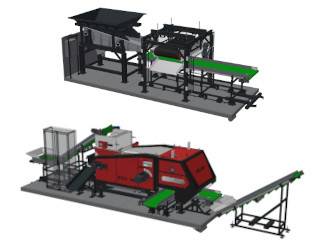
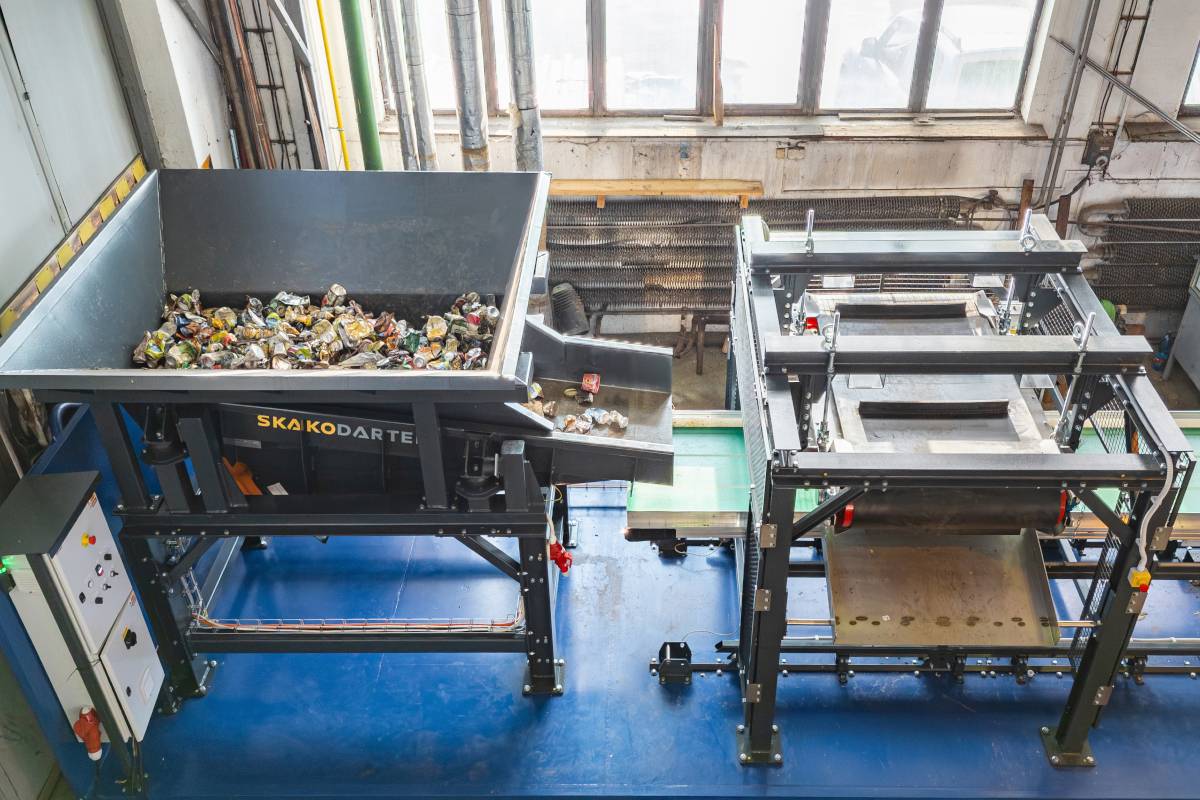
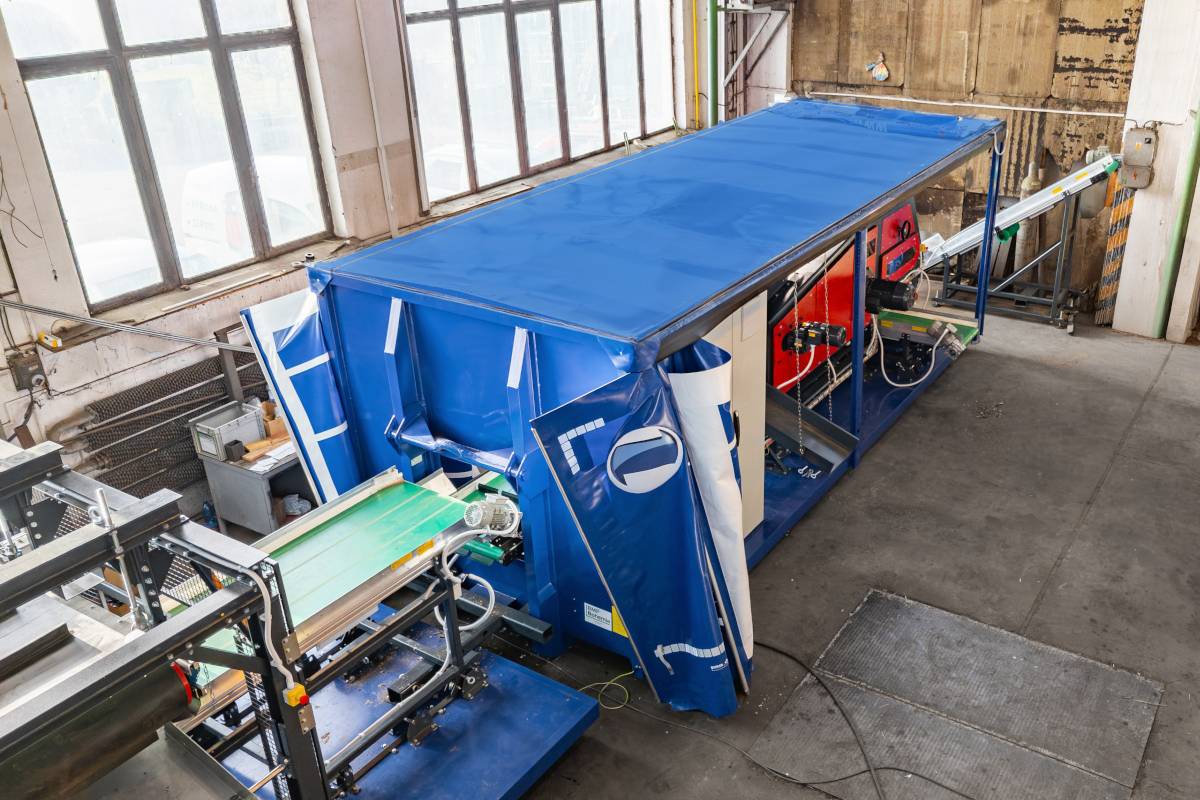
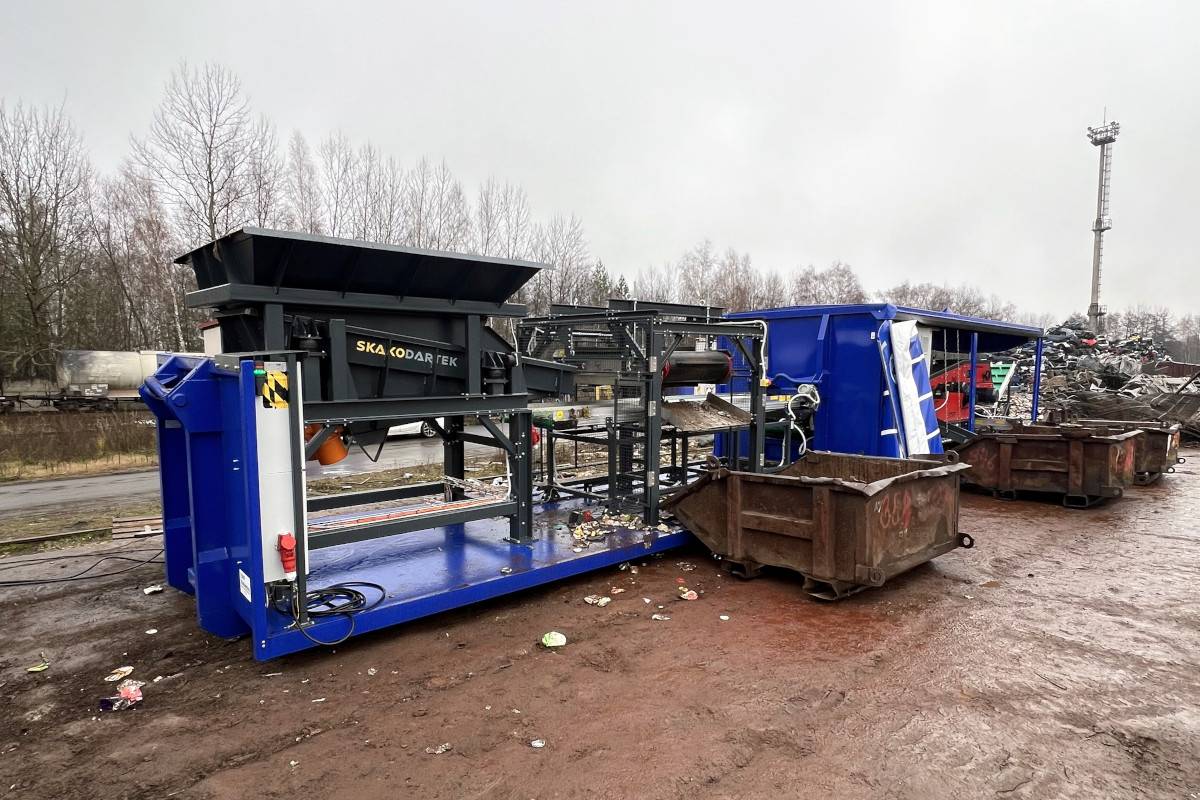
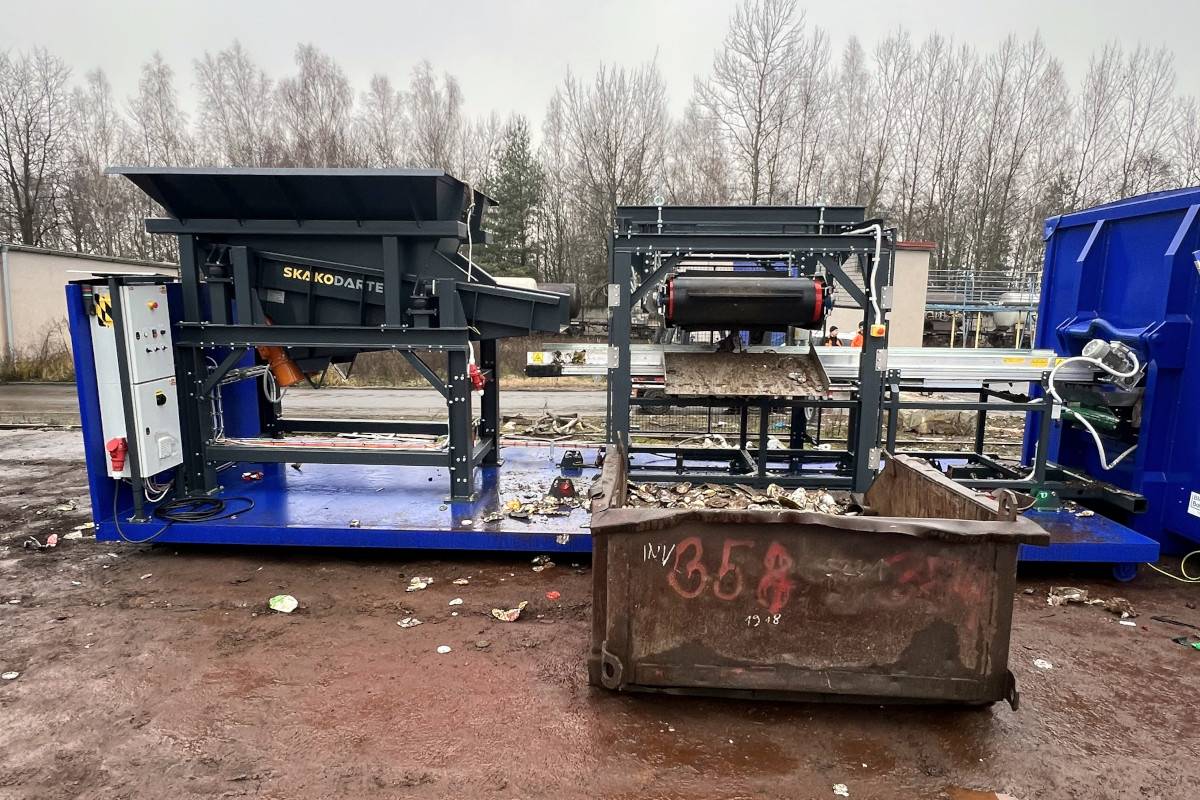
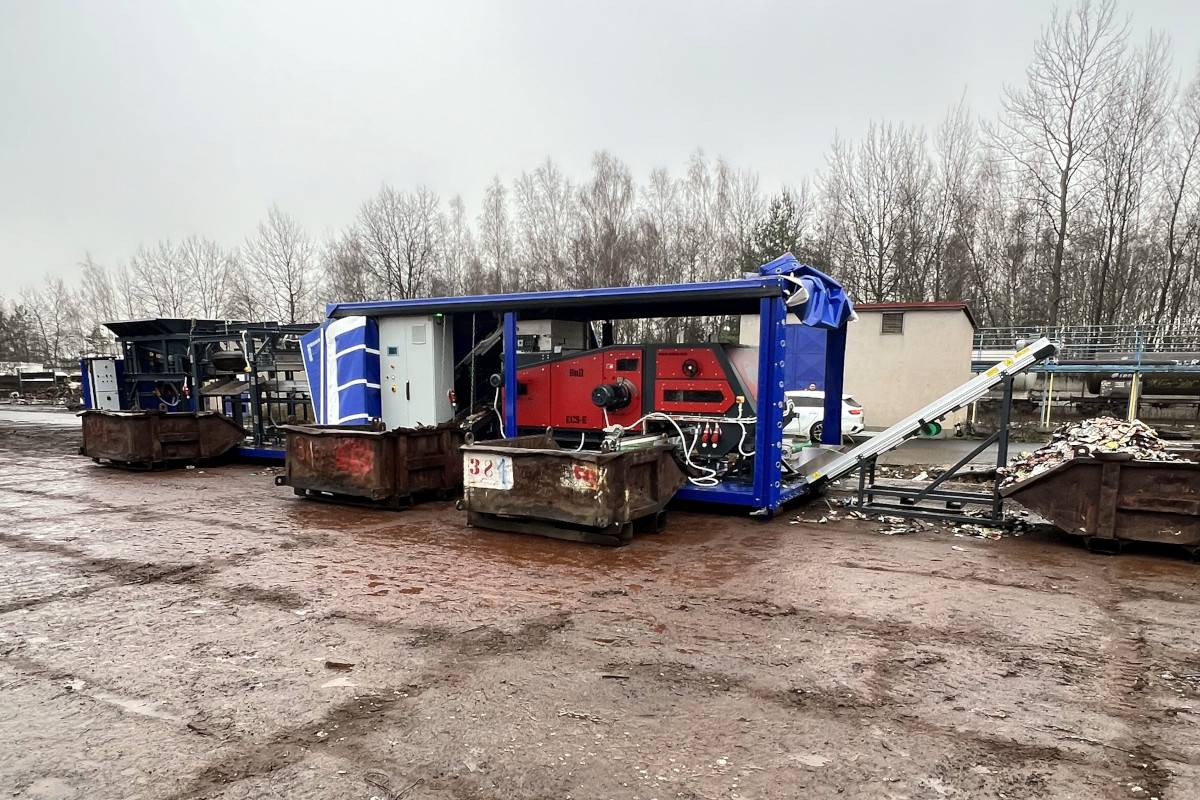
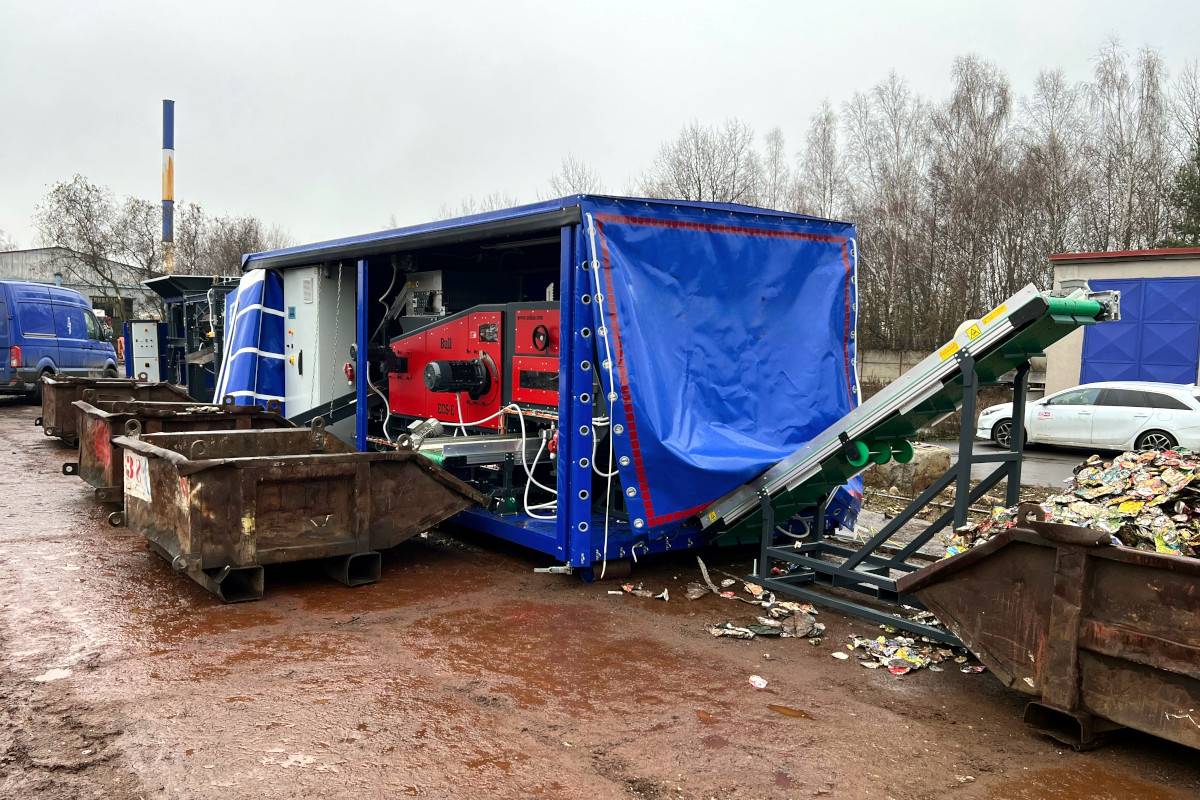
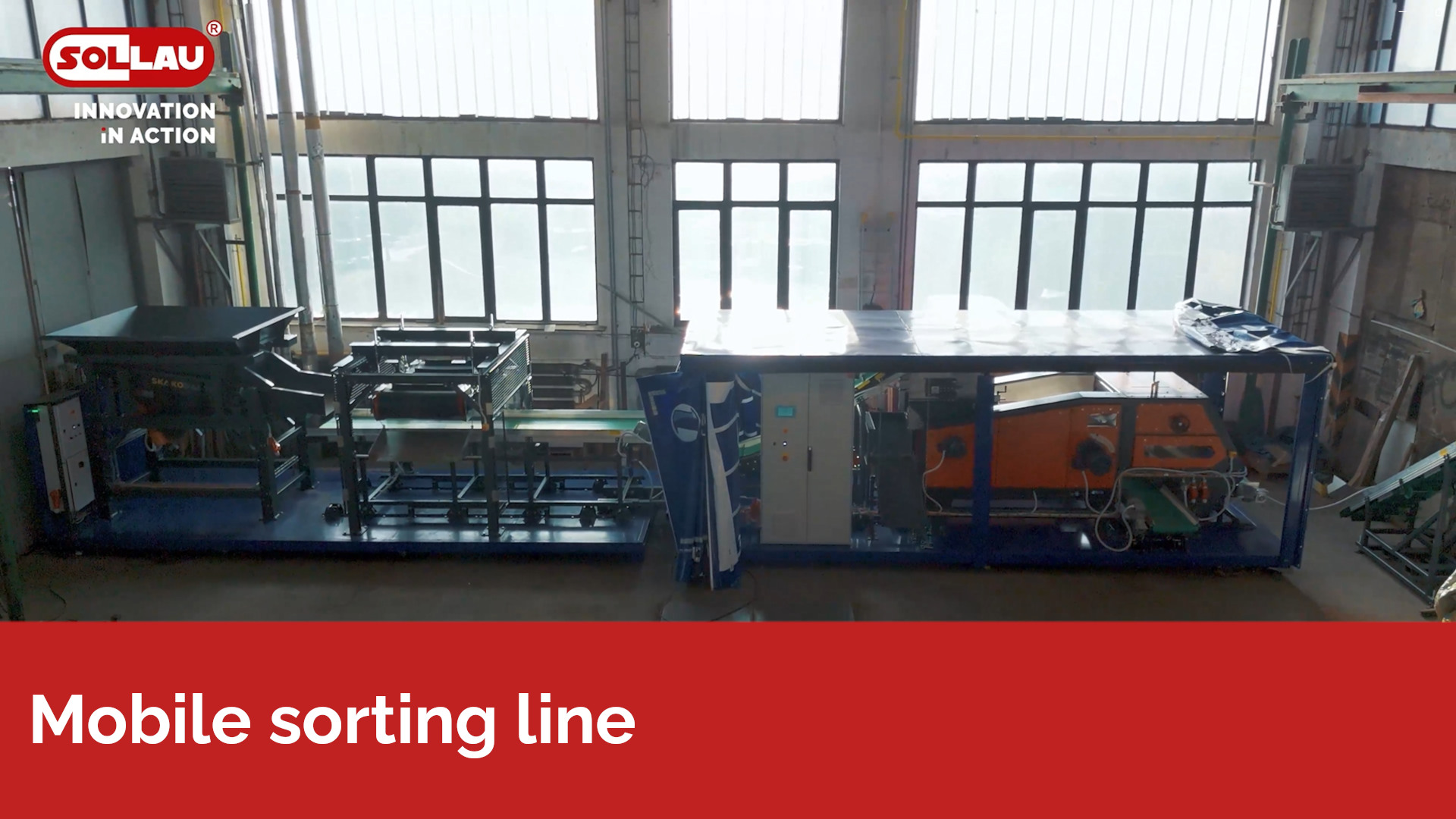
The mobile sorting line makes it possible to efficiently separate both ferrous and non-ferrous metals directly at the waste processing site. Thanks to its modular design on roll-off platforms, the technology can easily be transported between individual operations and adapted to the specific requirements for capacity and processed material.
The following equipment is most commonly used in mobile sorting:
The line is composed as standard of a vibratory feeder that meters the material evenly, a magnetic plate DND-AC for the separation of ferrous metals, a magnetic drum MBZ for their further cleaning and an eddy current separator ECS for the separation of non-ferrous metals.
The configuration can be adjusted according to the required application, capacity and processed material. Thanks to the mobile design it represents a flexible solution for recycling yards, scrap yards and mobile waste processing.
Glass recycling
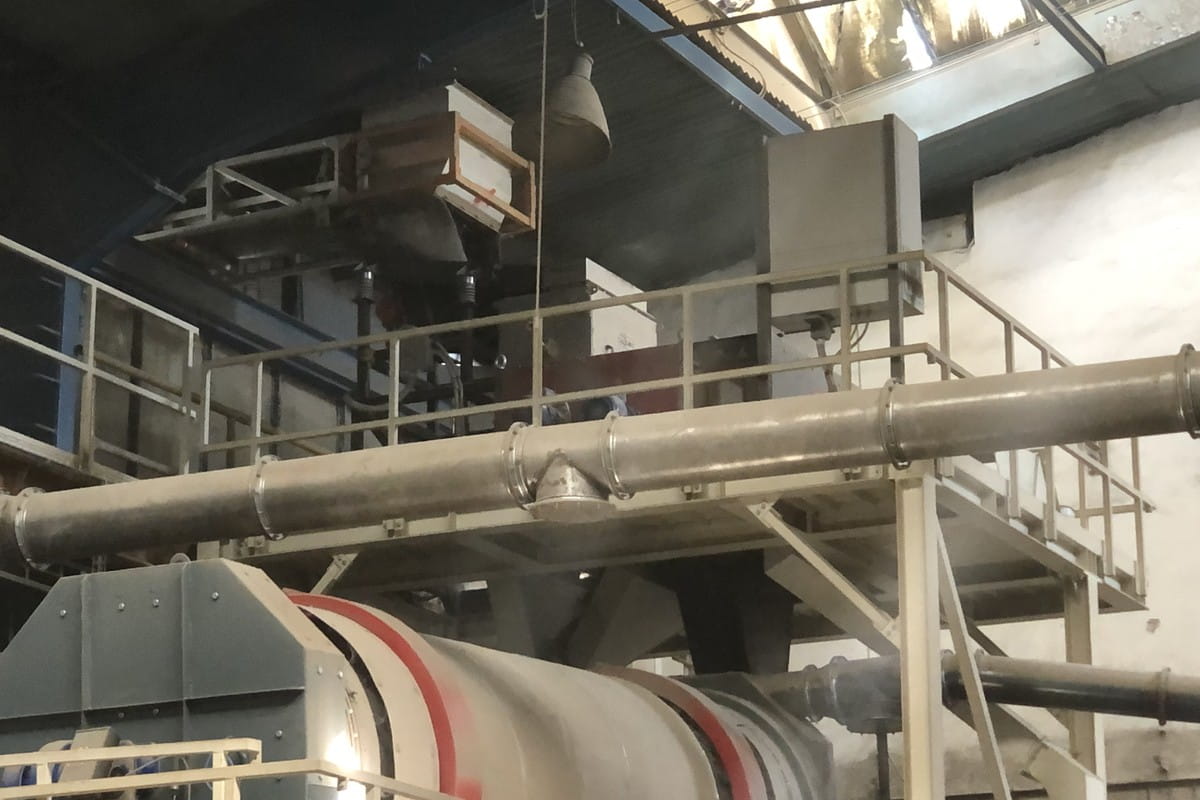
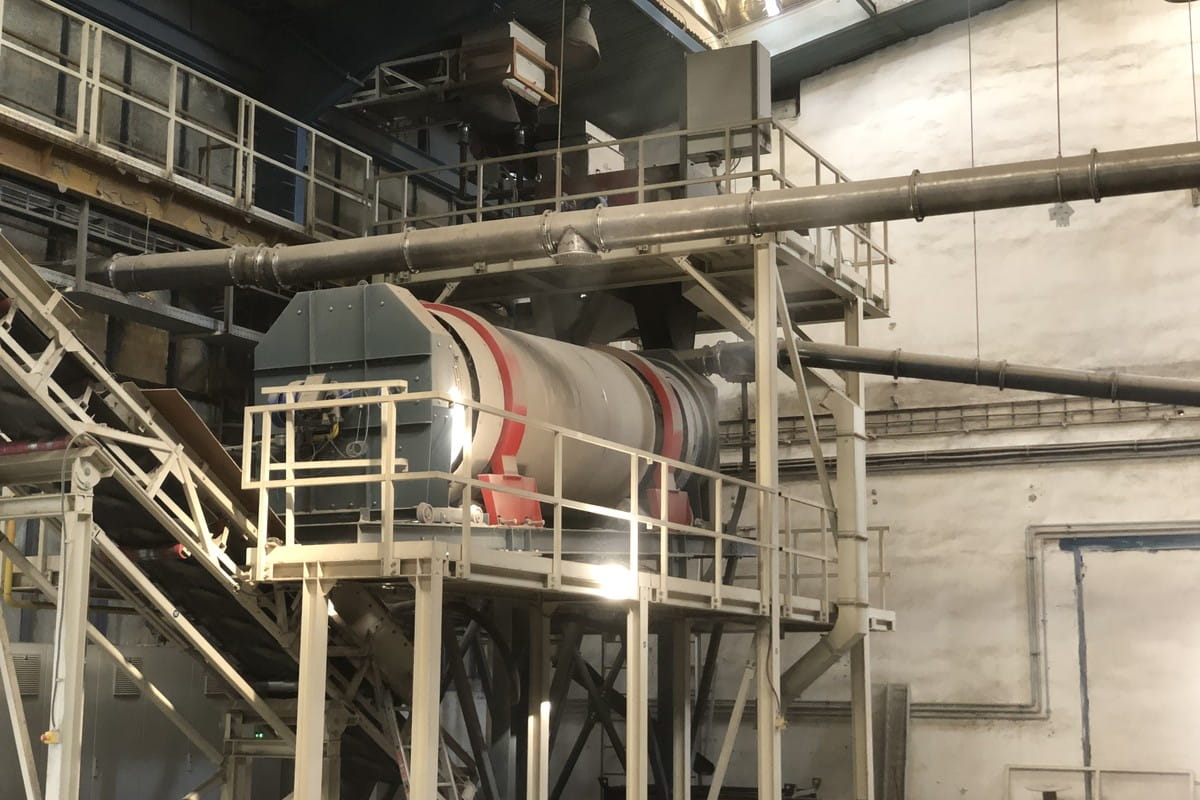
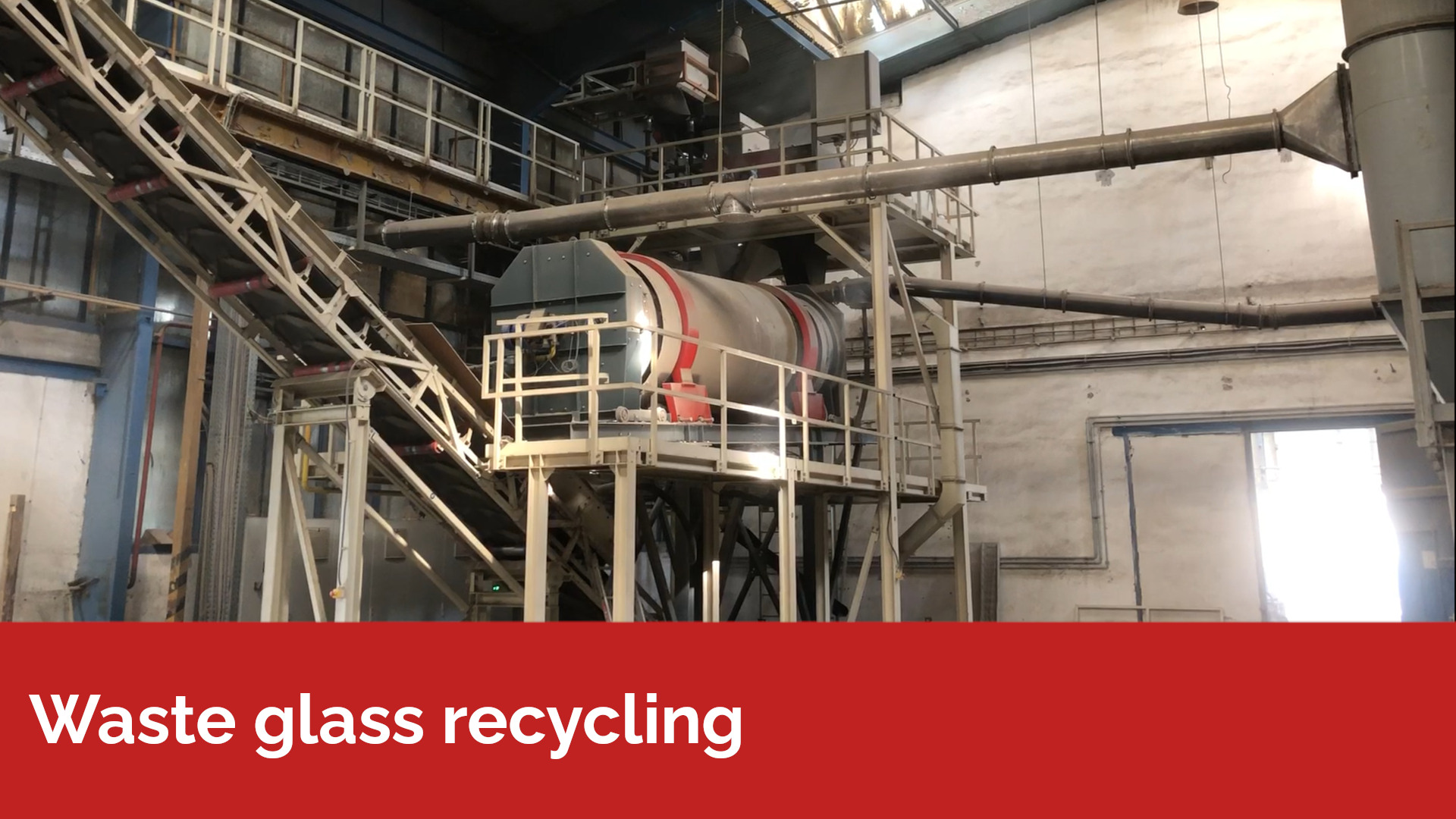
Crushed waste glass (cullet) is an extremely abrasive material and at the same time a raw material with strict purity limits: metal lids, closures and wires damage the melting units of glassworks and degrade the batch. Our reference sorting line for waste glass recycling processes up to 10 t/h of crushed glass with a fraction of up to 35 mm.
The following equipment is most commonly used in glass recycling:
The magnetic drum MBZ is installed after the crushing of the glass, and the ECS subsequently separates aluminium lids and foils. Because of the abrasiveness of glass, we supply assemblies in an anti-abrasive design – in the reference line the vibratory feeder was reinforced with Hardox sheets and the ECS fitted with a reinforced belt. The result is a cleaner cullet, a lower melting temperature and energy savings in the glassworks.
Composting plants, biowaste and wood waste
Since 2024 biowaste has had to be consistently sorted, and its volume is growing – it makes up 30–40 % of residual municipal waste. In composting plants, biogas stations and in the processing of wood waste, nails, wires and thin metal sheets damage crushers, turners and pelletizing presses and contaminate certified compost or fuel wood chips.
The following equipment is most commonly used in processing biowaste and wood waste:
The magnetic plate is suspended above the conveyor ahead of the crusher (technology protection) and a second stage is installed at the output before dispatch (product purity). The semi-open drum MBO, thanks to its robust design, is ideal for coarse wood chips; the ECS recovers non-ferrous metals from the crushed chips as well – in our case study the ECS-E 500 BULL separated non-ferrous metals from wood chips of the 5–30 mm fraction.
Metal in certified compost = a threat to certification and sales – two-stage magnetic separation reliably prevents this risk.
FREQUENTLY ASKED QUESTIONS
CASE STUDIES
28. 5. 2026
In plastics processing today, it’s no longer just about volume. Purity is what matters. That was exactly the customer’s requirement during material separation testing...
12. 11. 2025
Separation goal
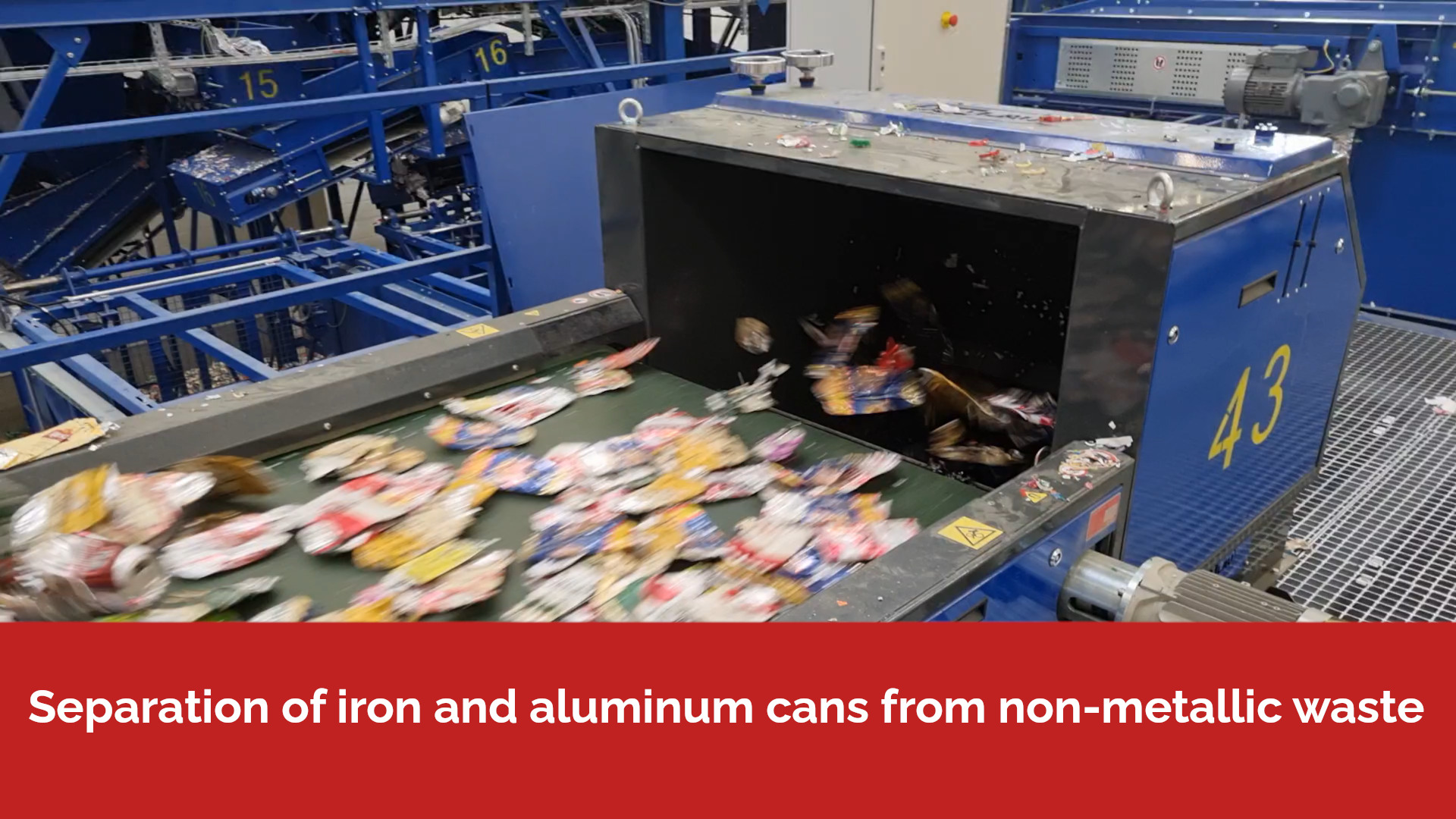
Separate the aluminum cans from the iron ones so that the maximum material uniformity (of both materials) is achieved. The aim is to prevent the contamination...
17. 10. 2024
Initial status
The customer is engaged in construction debris recycling.
Problem
During recycling, the demolition waste is crushed to the desired size. After its crushing,...
13. 6. 2024
Initial status
The Solid Recovered Fuels (SRF) and Refuse Derived Fuels (RDF) represent an important source of energy in modern industry. However, when using SRF or RDF,...
23. 11. 2023
Initial status
The customer is engaged in concrete recycling.
Problem
The customer uses a mobile crusher to grind the waste concrete. After grinding the concrete, it is...
1. 9. 2020
A big municipal waste processor from our region needed a reliable system for the separation of metal objects (especially of the bigger sized ones) from pre-sorted plastic...
3. 8. 2020
A waste glass recycling company from the Czech Republic needed an efficient and at the same time affordable system for removal of metal contaminants. It was a demanding application,...
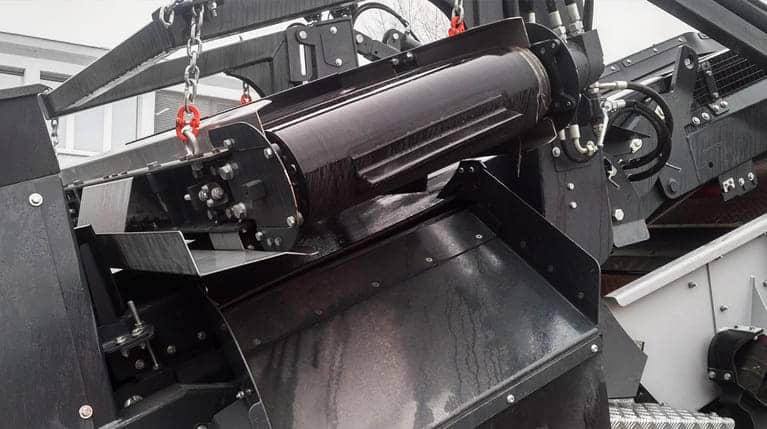
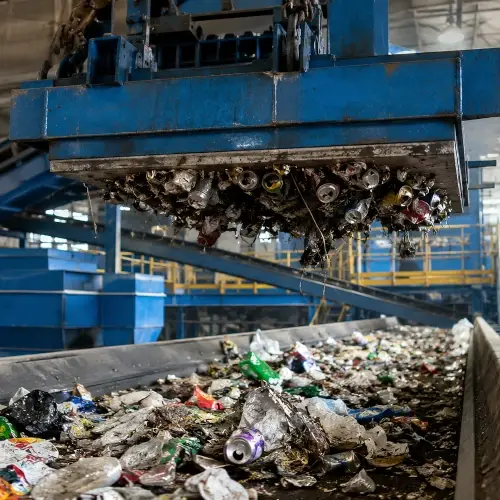 Recycling and waste processing covers sorting lines for mixed municipal waste and separate collection, the production of solid recovered fuel (SRF/RDF), municipal waste incinerators and bottom-ash processing, the recycling of construction and demolition waste, glass, biowaste, as well as the operation of collection yards and secondary-raw-material buy-back centres.








 +420 773 323 773
 petr.zbranek@sollau.cz