WHERE IN ENGINEERING AND FOUNDRIES WILL YOU FIND OUR MAGNETIC SEPARATORS?
Cleaning coolant emulsions, cutting oils and process baths
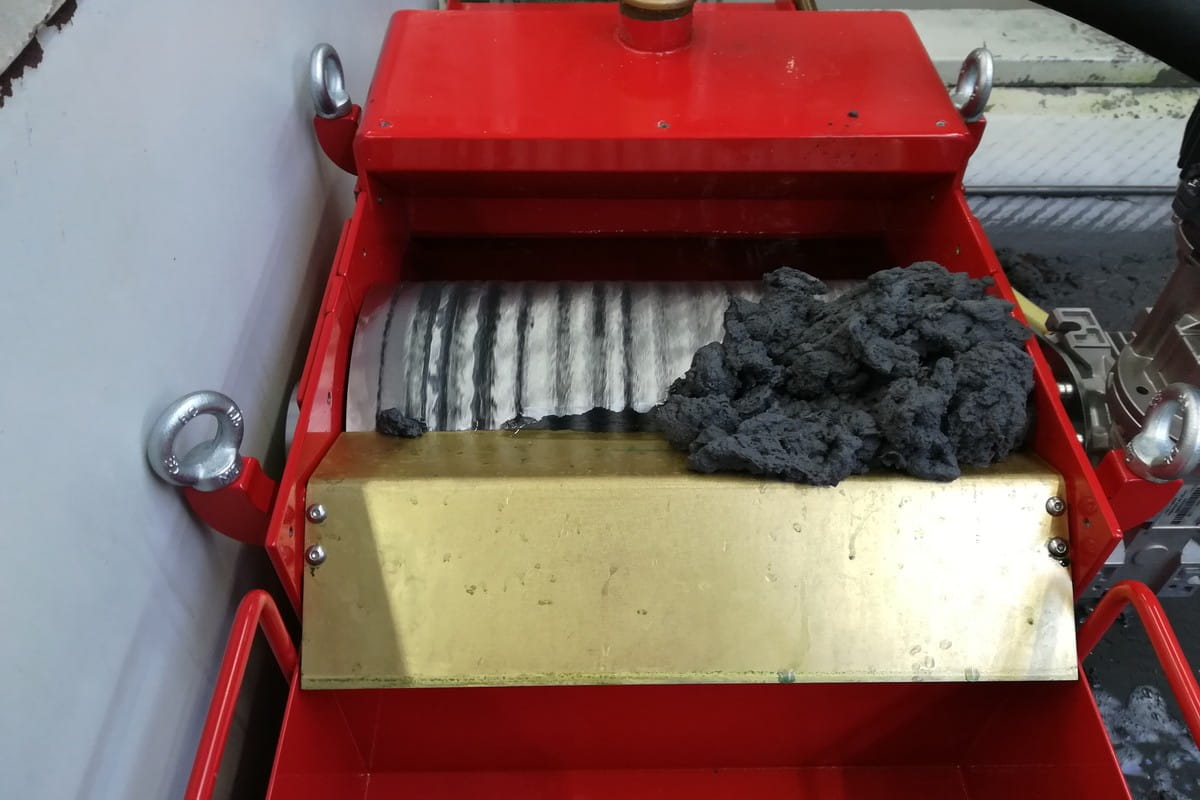
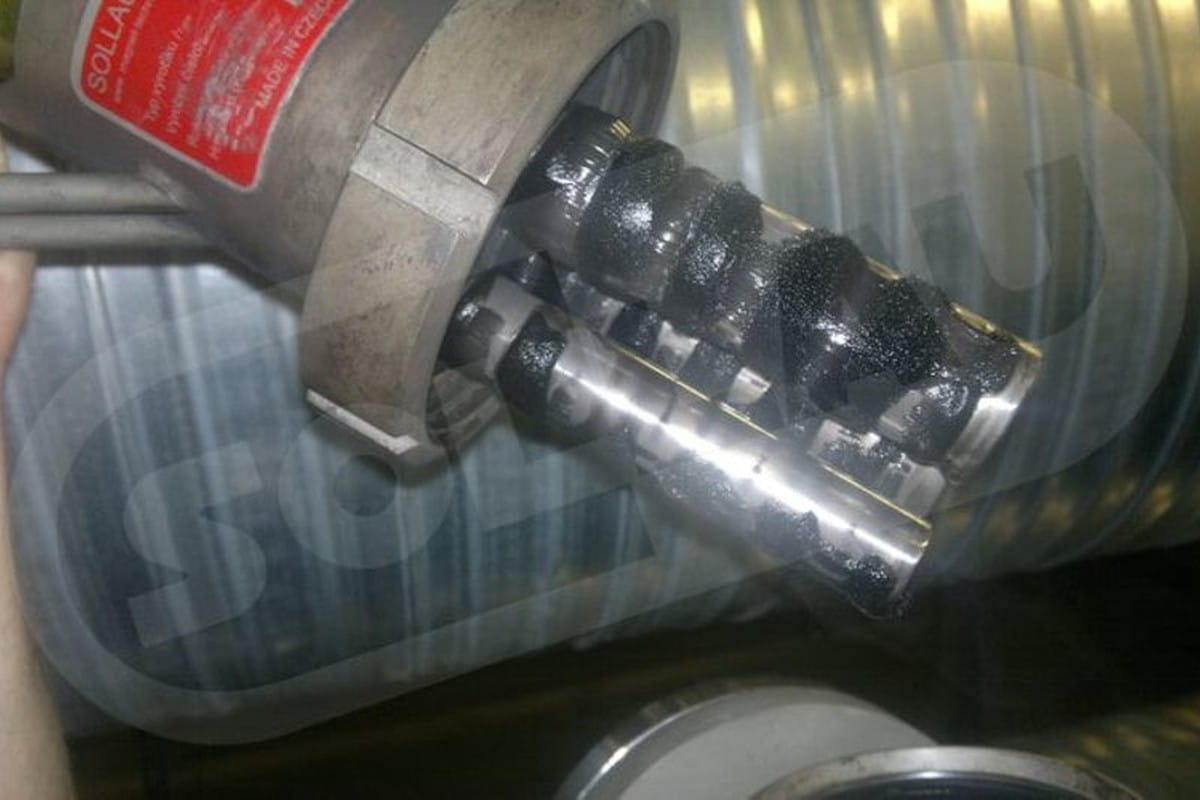
During milling, turning, grinding, honing and drilling, fine ferromagnetic particles and grinding sludge get into the coolant emulsions and cutting oils. They circulate with the liquid back to the machine, where they clog pumps and nozzles, destroy internally cooled tools and worsen surface quality.
The following equipment is most often used for cleaning process liquids:
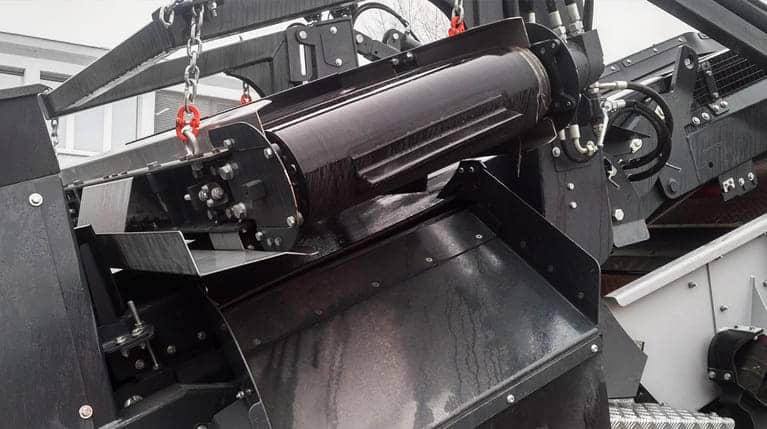
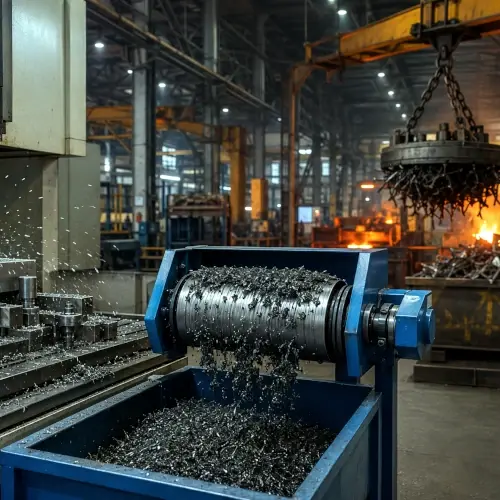
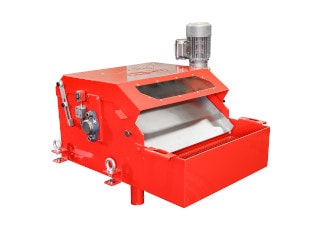
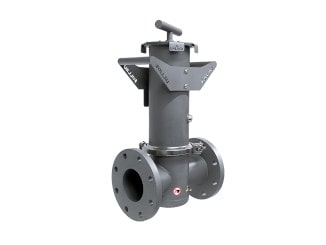
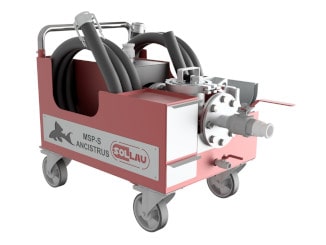
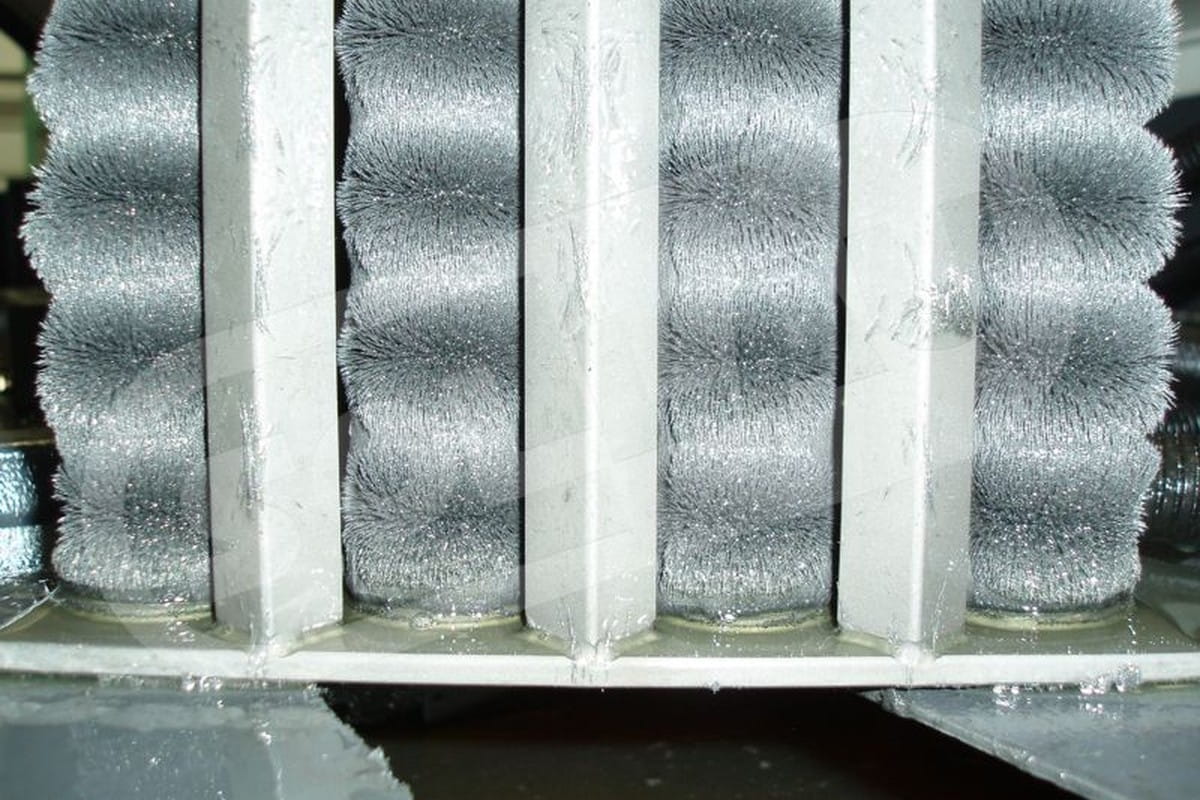
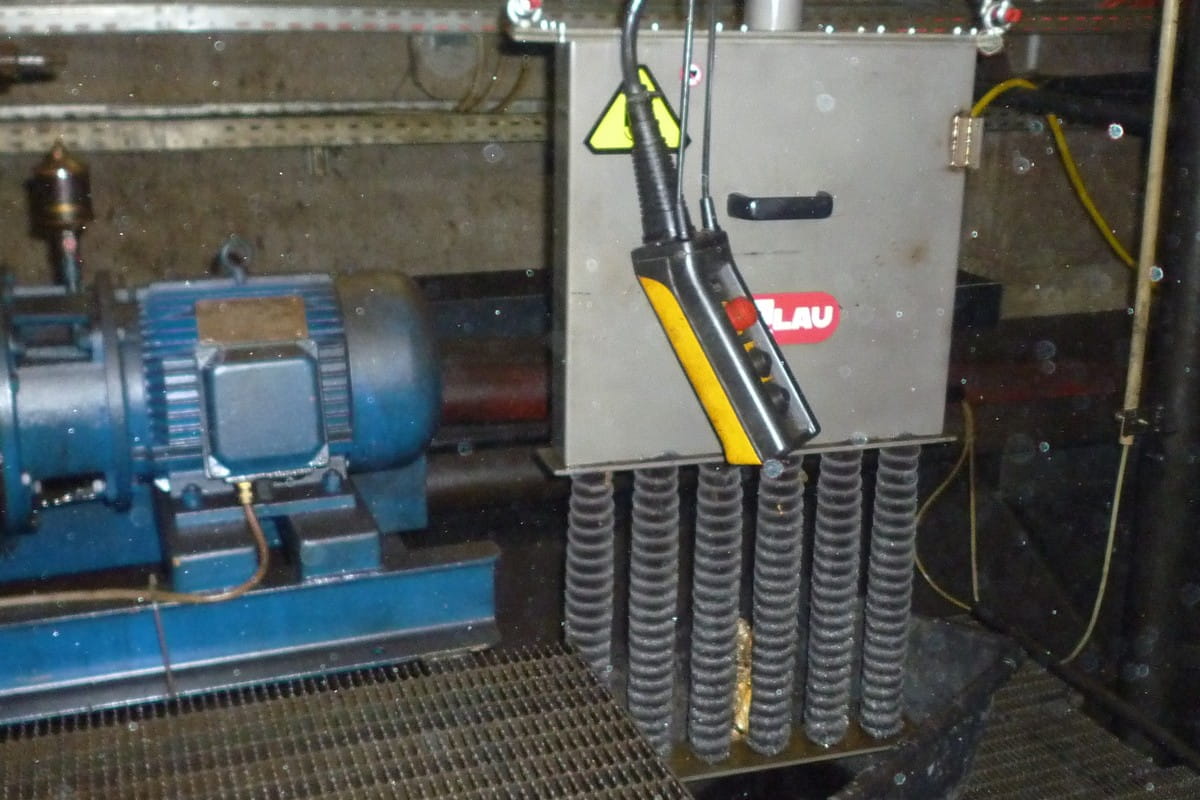
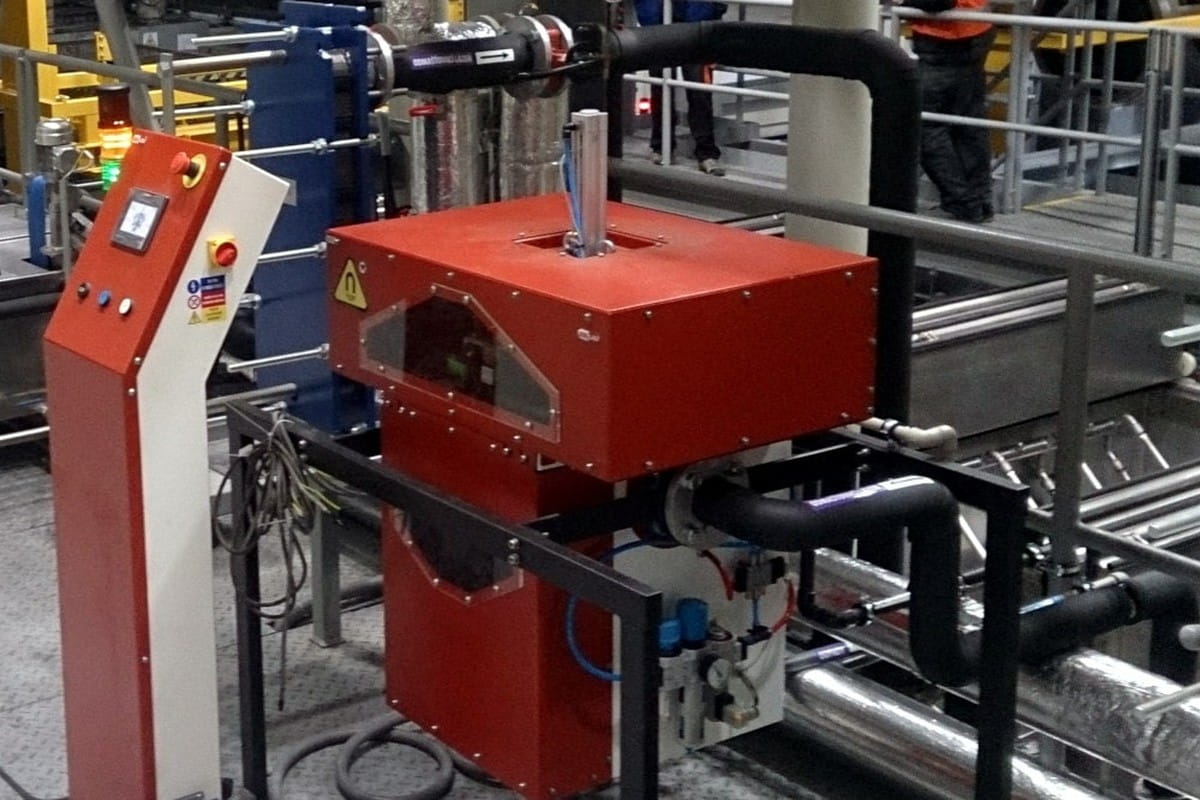
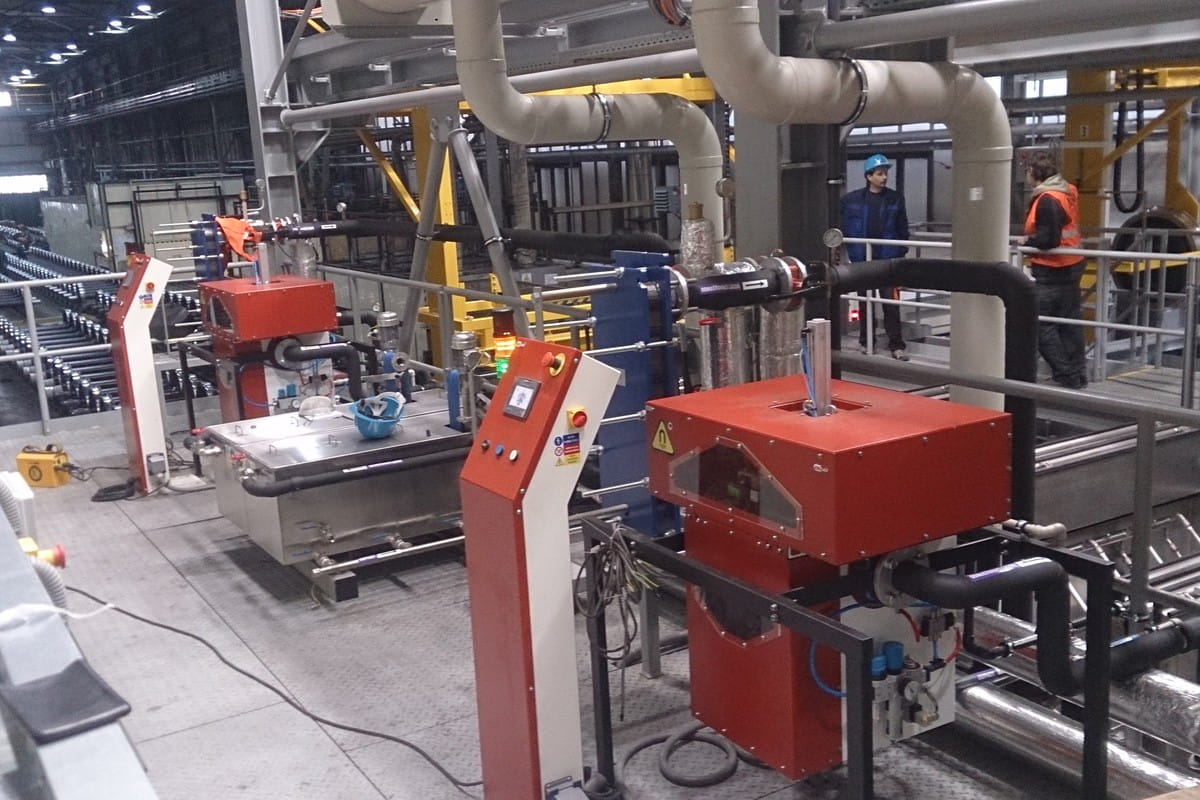
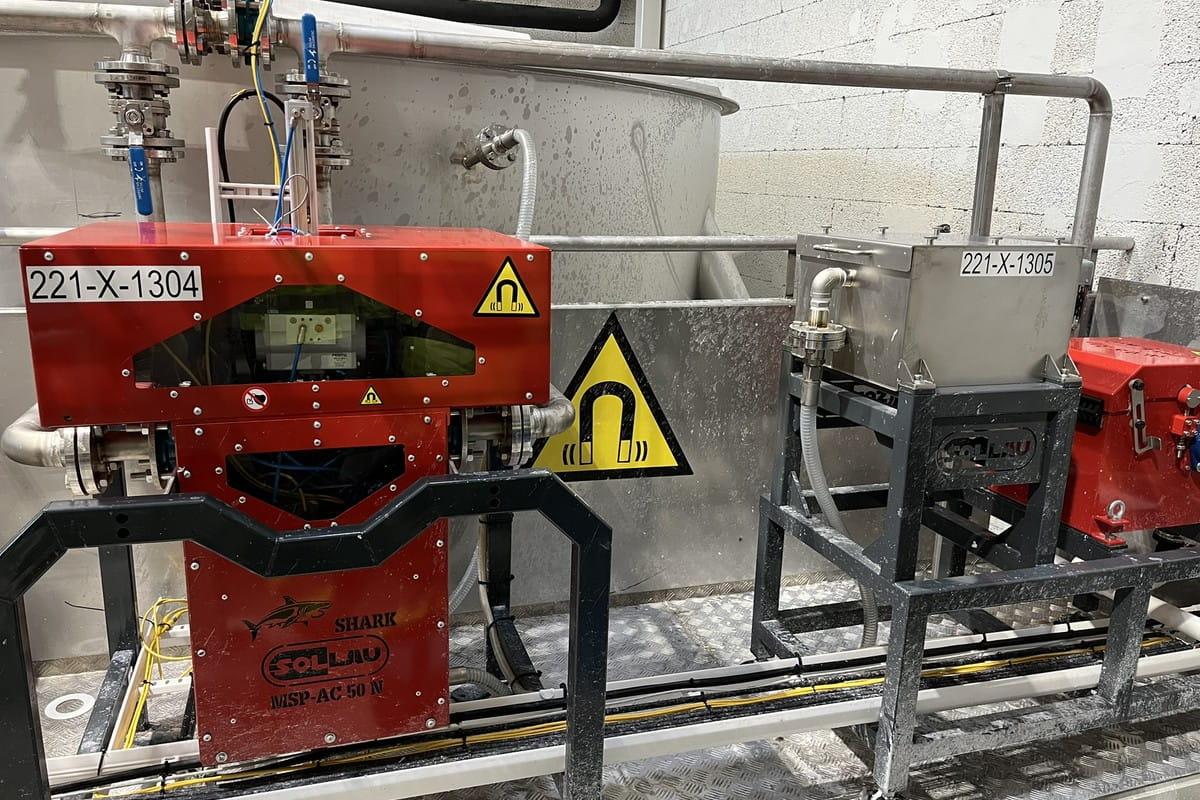
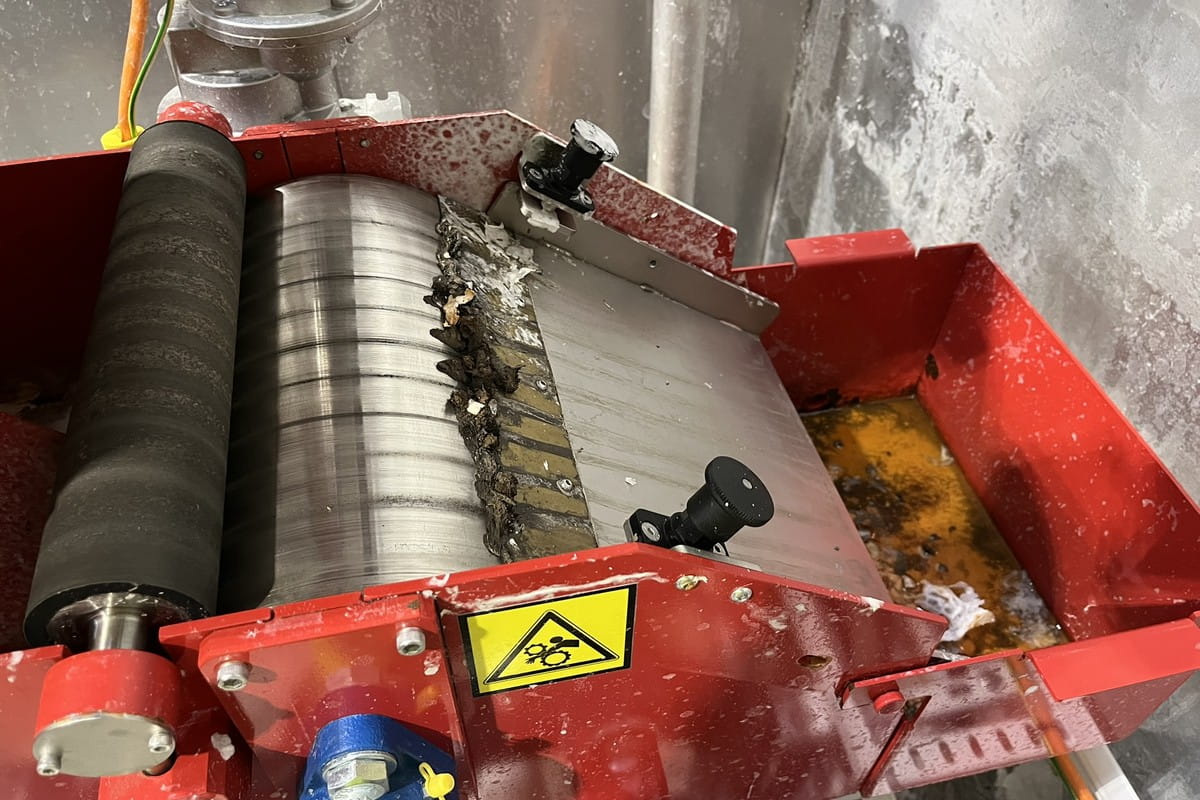
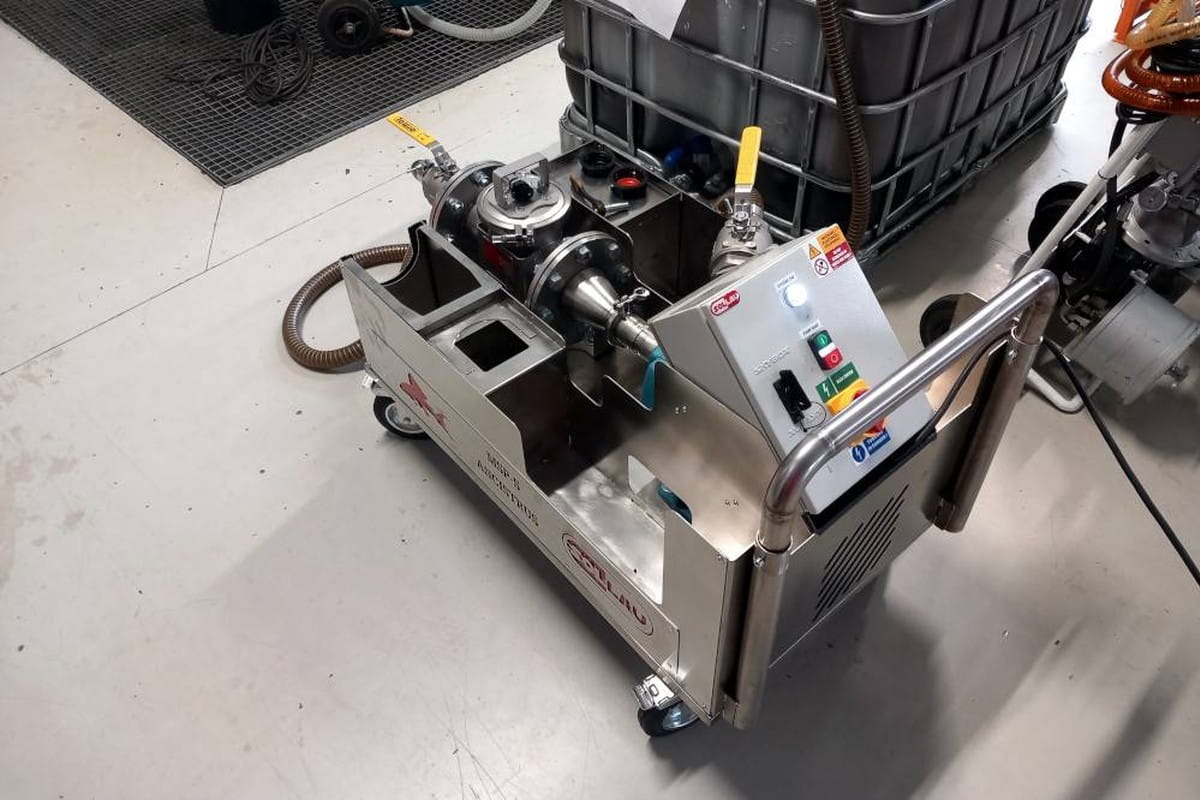
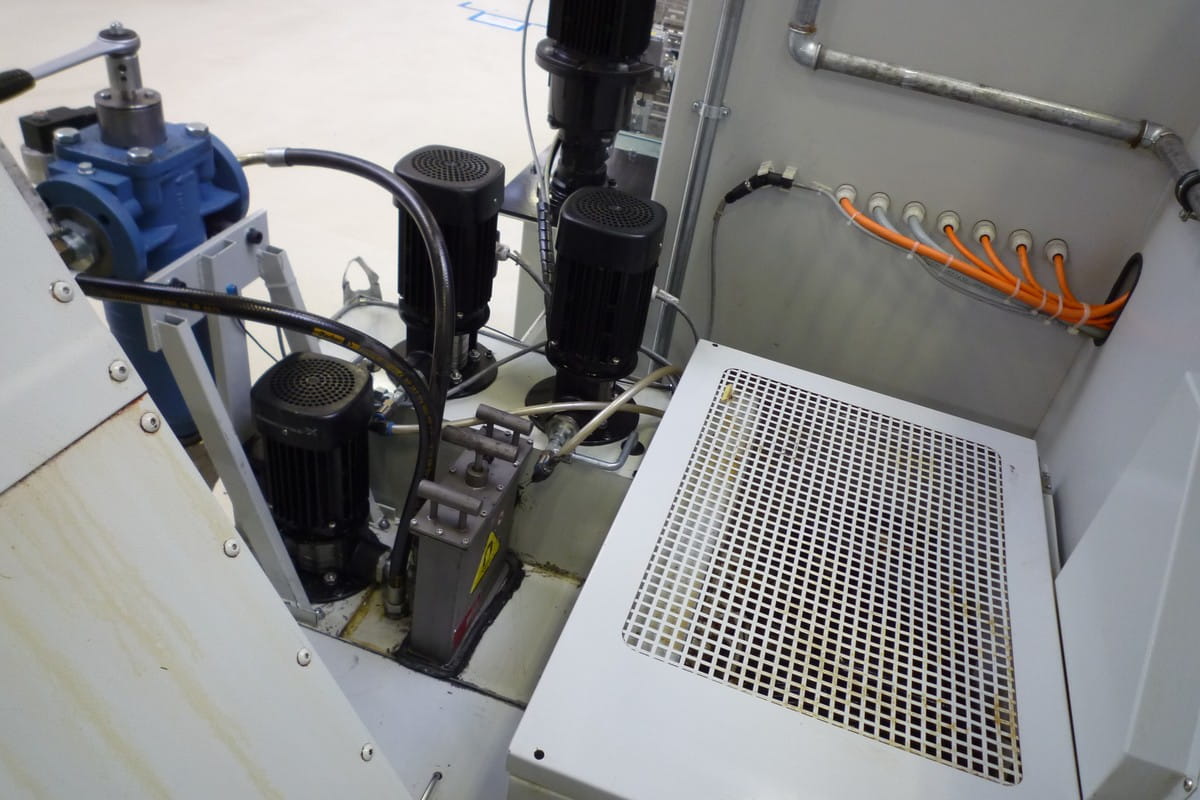
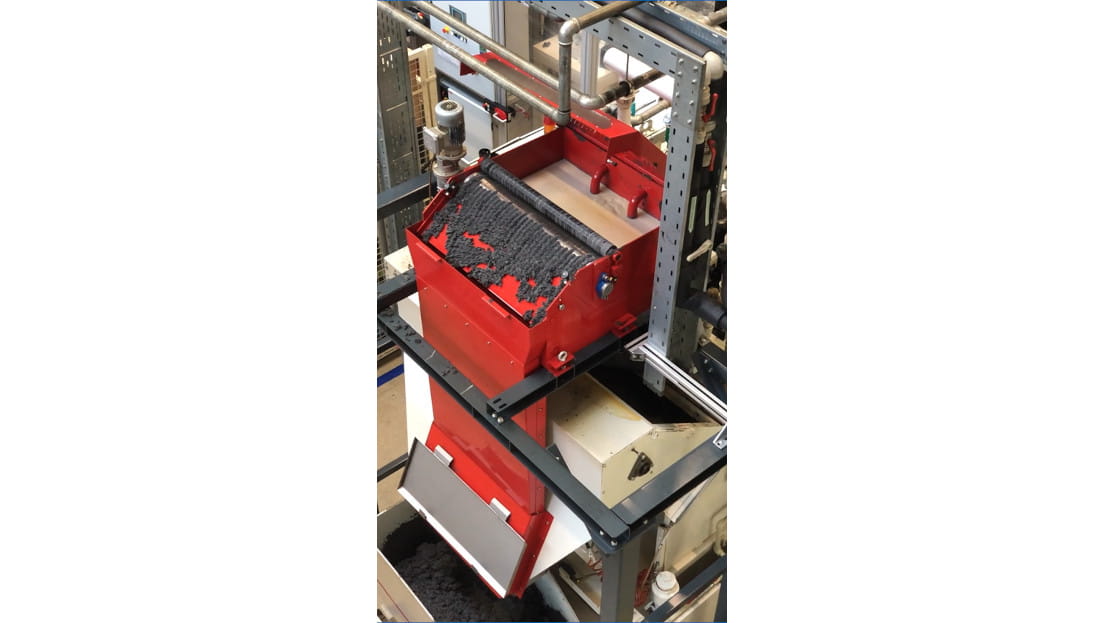
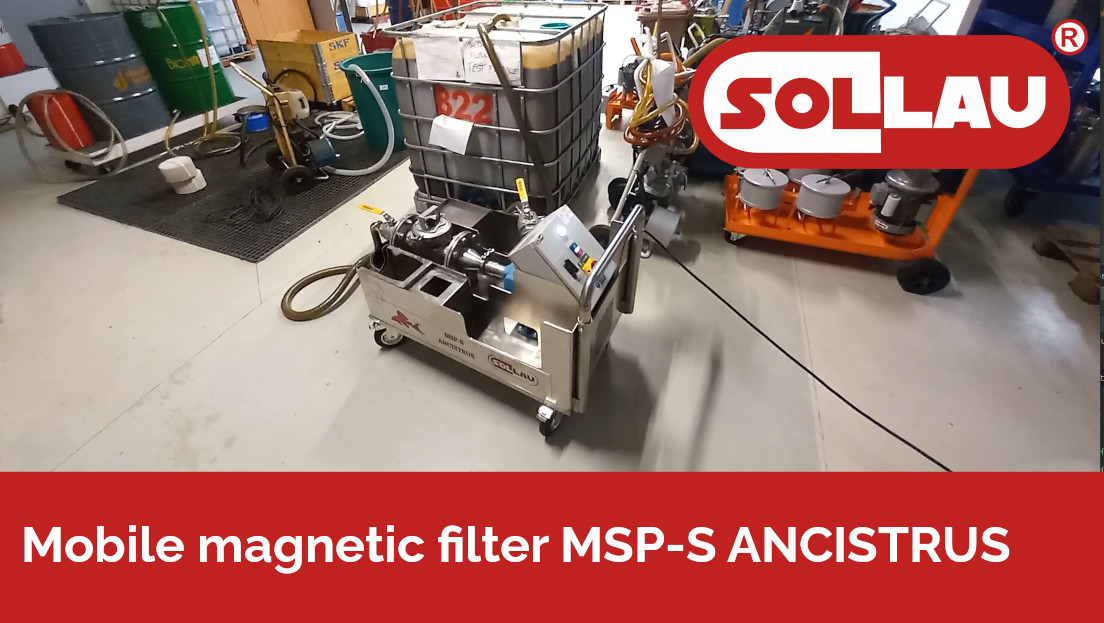
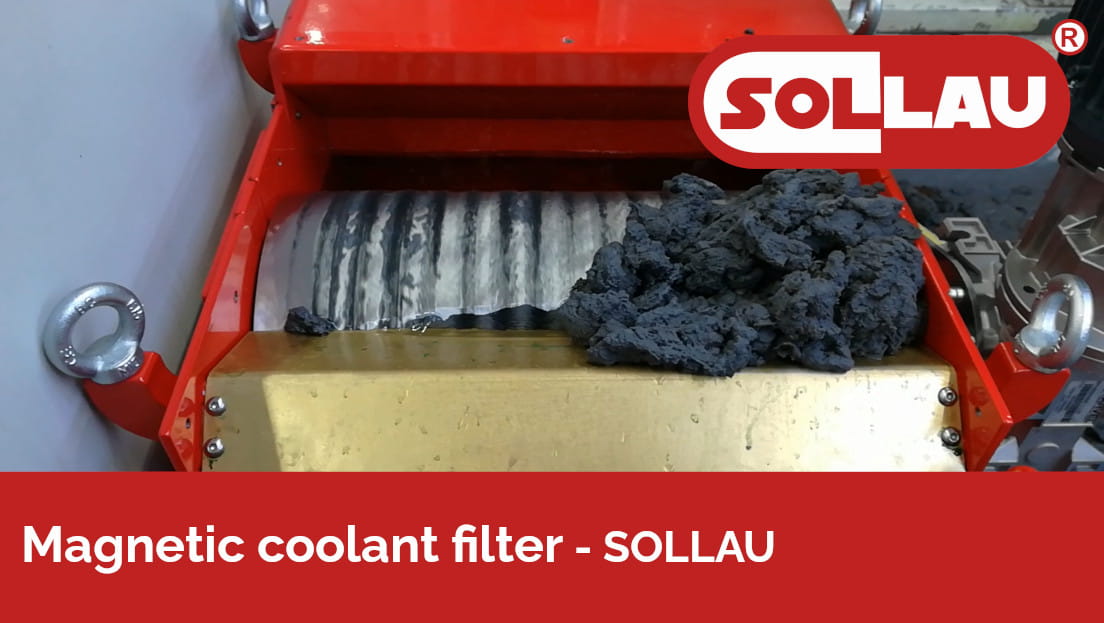
The MVS discharge roller is installed in the coolant circuit at the machine tool: the liquid flows under the rotating magnetic roller, the captured particles are carried up to the scraper blade and wiped off into a collecting container. The MRZ grate separator belongs in open flow-through systems, the MSP flow separators in the pressure pipeline and bypass branches of a central emulsion plant; the mobile ANCISTRUS cleans the baths of several machines one after another.
For occasional contamination, separators with manual cleaning (MRZ, MSP-MC) are sufficient; for continuous operation and a higher concentration of impurities, choose automatic cleaning – the MVS or MSP-AC work without operator intervention.
Results from practice: extending the life of the emulsion by 38 %, of internally cooled drills by 72 % and of the degreasing-bath replacement interval by 27 %.
Contaminated emulsion = destroyed tools and poor surface quality!
Reclamation of foundry sand and moulding mixtures
After the moulds are knocked out, the return foundry sand contains iron fragments – solidified overflows, flash, broken-off parts of the gating systems and abrasive iron dust. In the moulding-mix preparation circuit, the sand is crushed, cooled, screened and returned to mould production – metal contaminants would destroy both the mills and the quality of the new moulds.
The following equipment is most often used for reclaiming moulding mixtures:
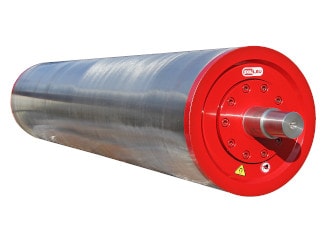
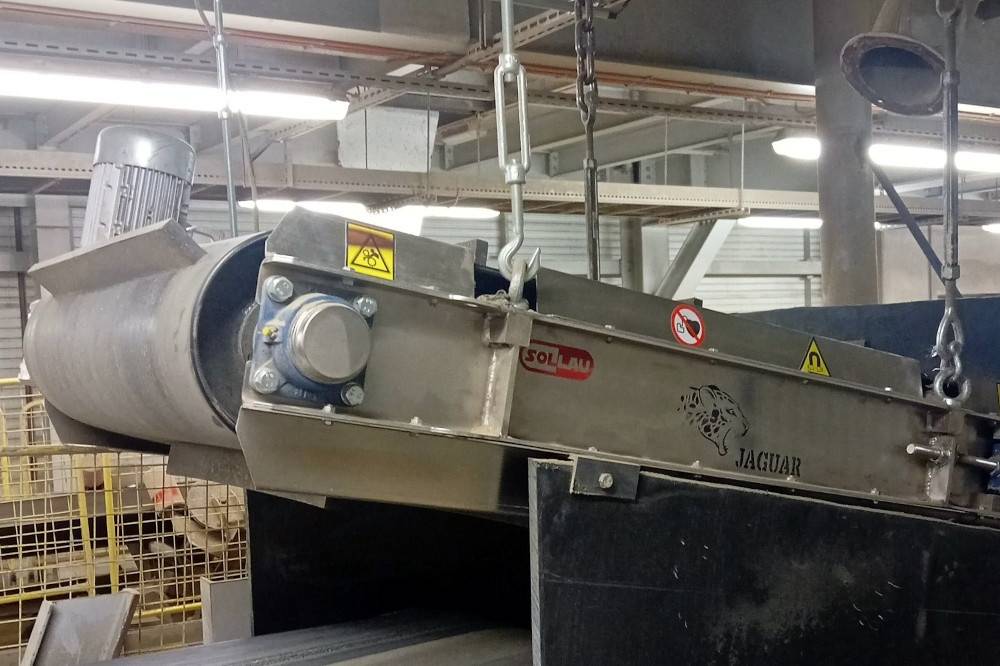
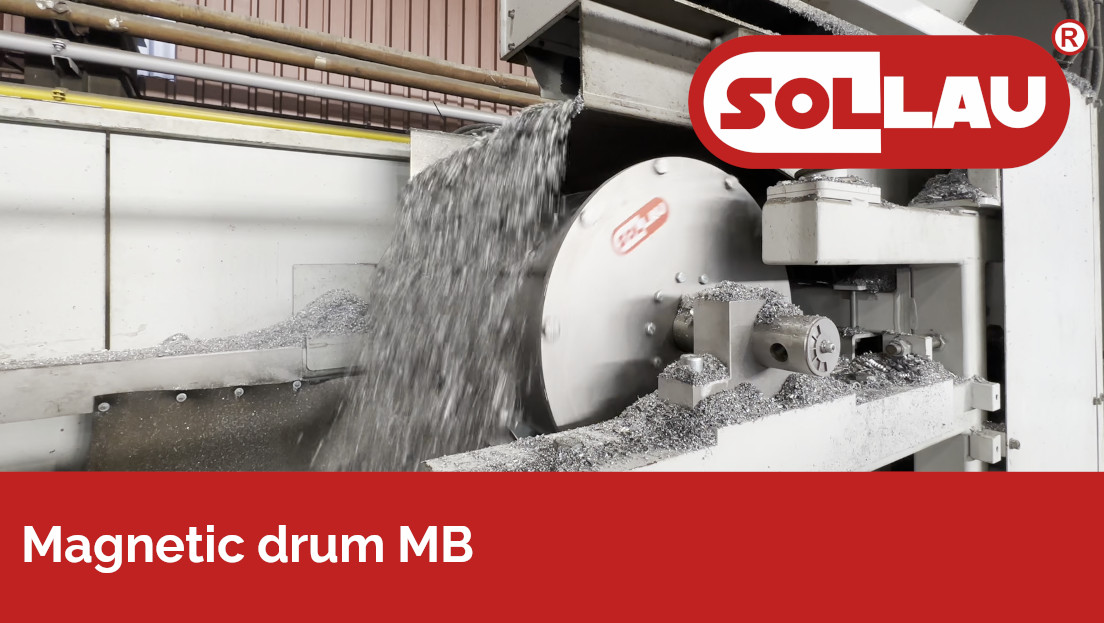
A magnetic drum is placed on the return conveyor behind the knock-out grid, and the magnetic roller MV replaces the head roller of the belt conveyor. Foundry sand is highly abrasive – which is why we supply drums with a replaceable manganese-steel cover shell that extends service life several times over.
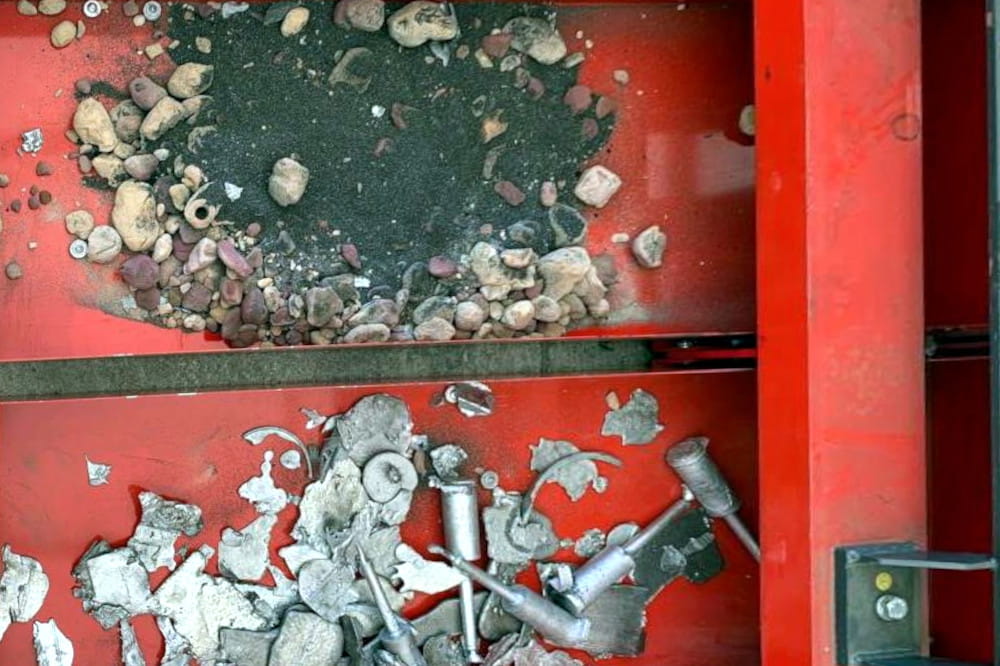
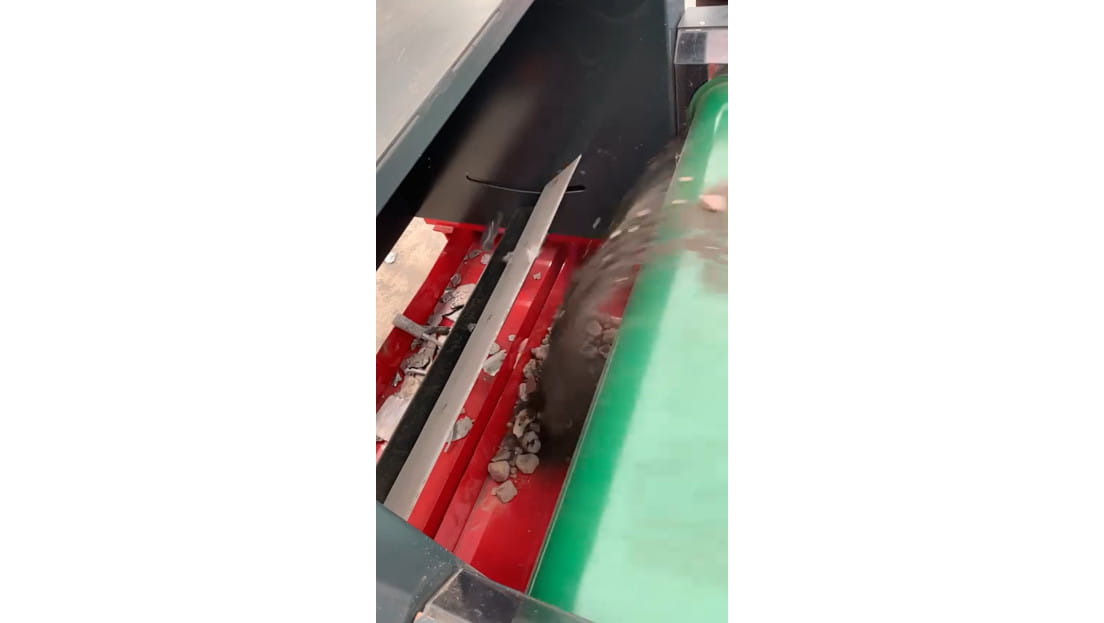
In aluminium foundries, non-magnetic aluminium overflows also remain in the sand – an ordinary magnet does not capture these. In our case study, the eddy current separator ECS-C 1000 RAM with a vibrating feeder separated them: the customer achieved the required sand purity and now revalues the overflows.
Sorting metal chips and swarf from machining
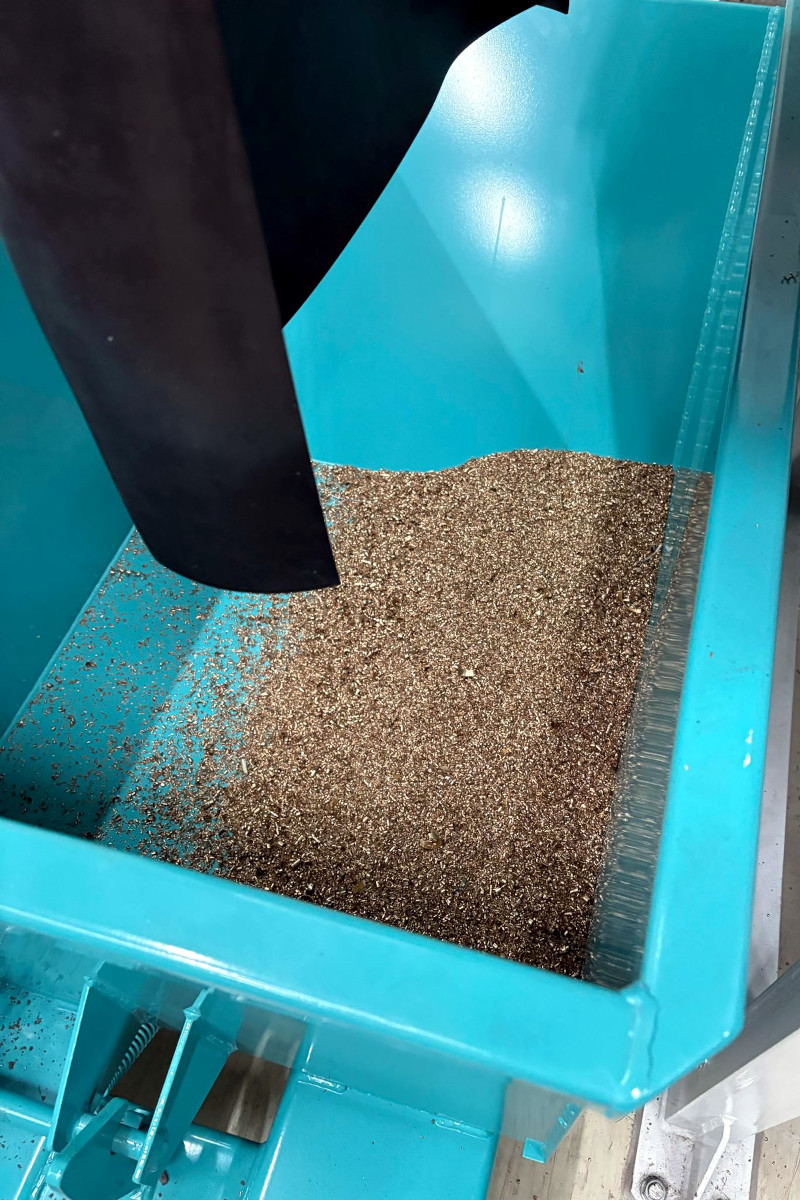
Turning and milling of various materials produce mixed chips – for example bronze with cast iron. Without sorting they are sold at a fraction of the price; sorted fractions have the full value of a secondary raw material.
The following equipment is most often used for sorting chips:
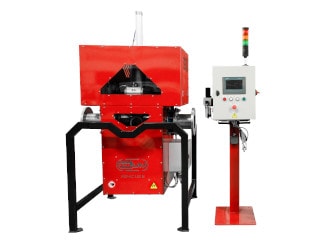
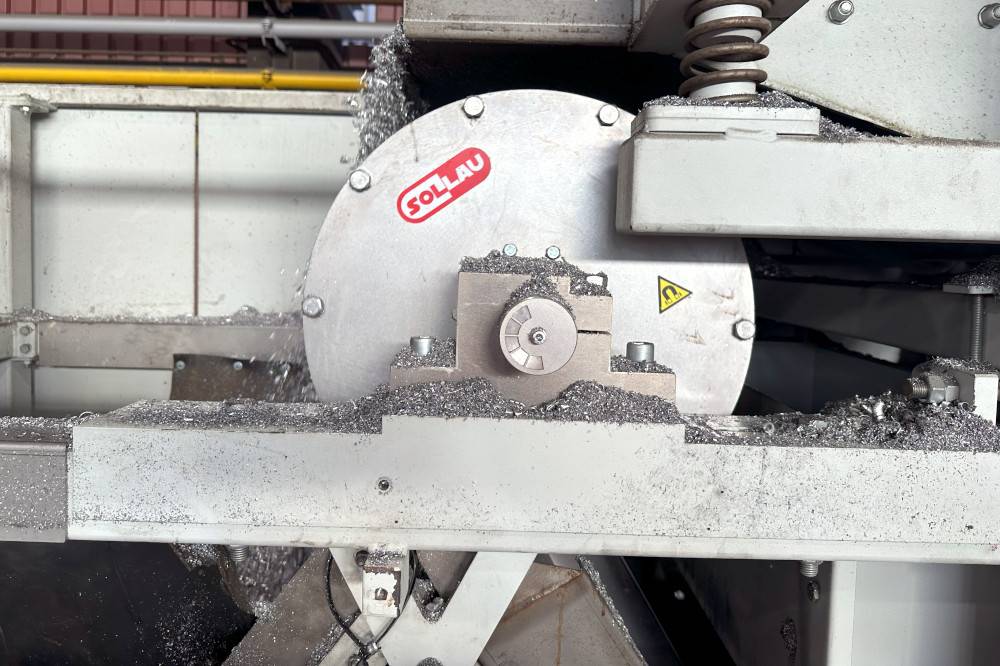
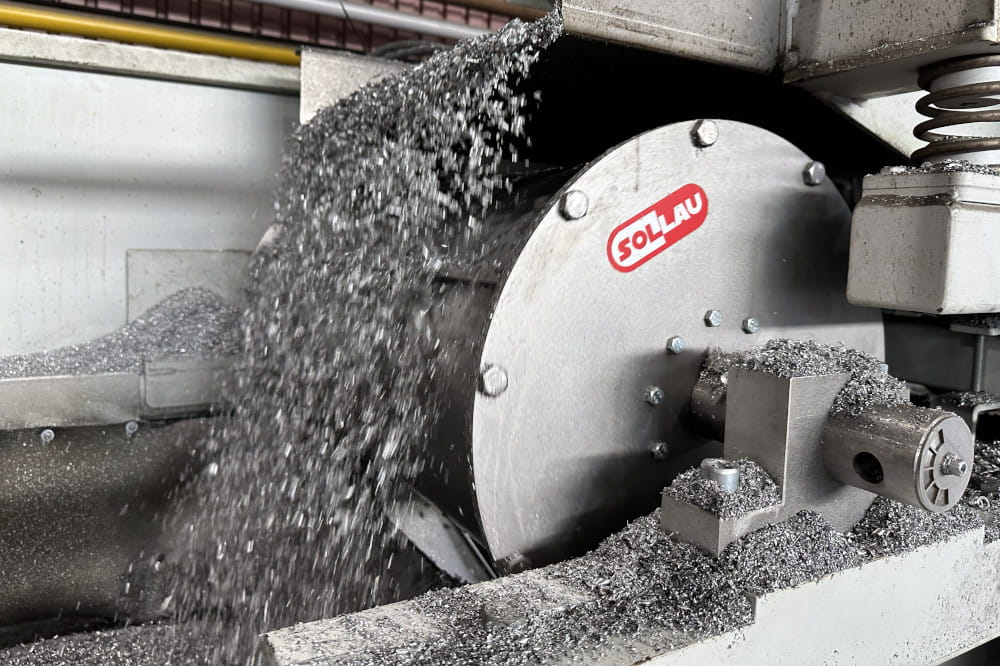
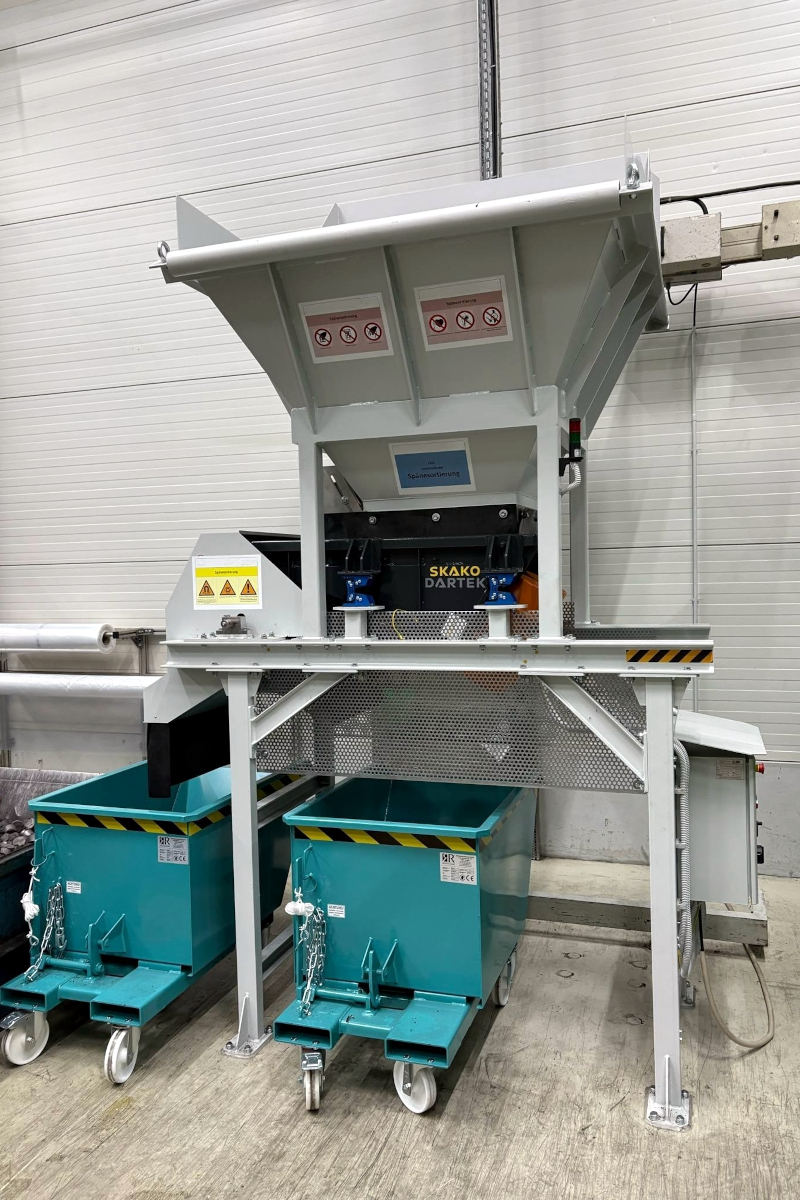
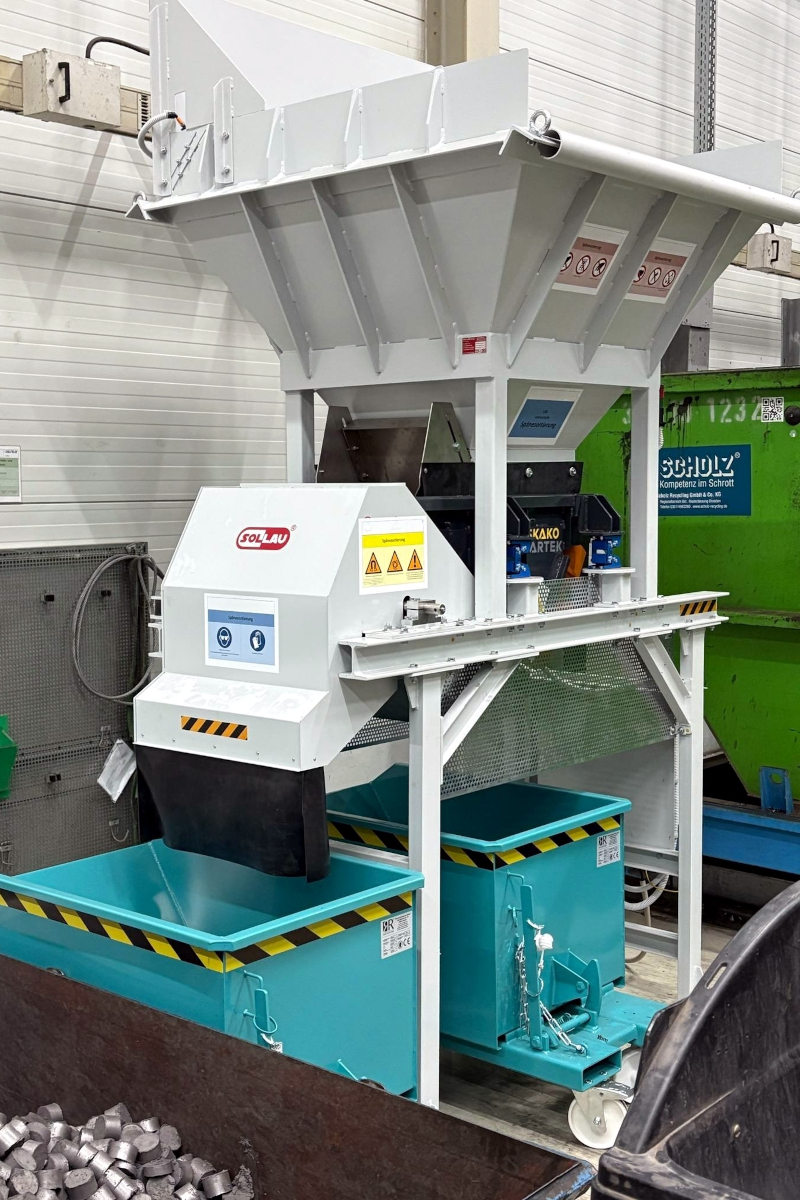
The setup is simple: a hopper, a vibrating feeder for even dosing and a magnetic drum that automatically separates the ferromagnetic fraction from the non-magnetic one. In our case study, the MBZ 304 N 500 drum with neodymium magnets separates cast iron from bronze – from just 2 tonnes of mixed chips a year, clean bronze arose with a significantly higher purchase price and a payback of 1.5 years.
For highly abrasive chips (e.g. aluminium chips in a foundry) we recommend a drum with a manganese-steel shell – in our study, since the installation of the MB 406 F 800 the customer has recorded no shell wear-through.
Mixed chips = money sold below value!
Pressing shops – transport of stampings and sheet-metal handling
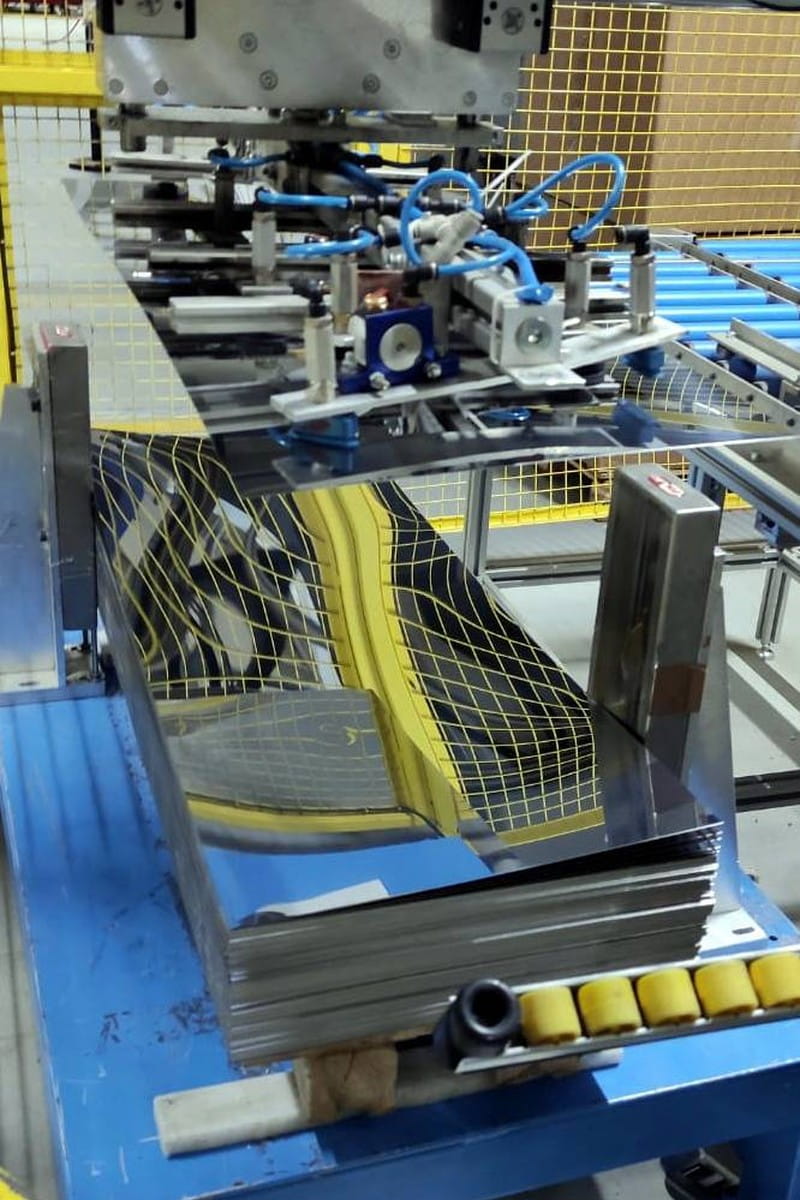
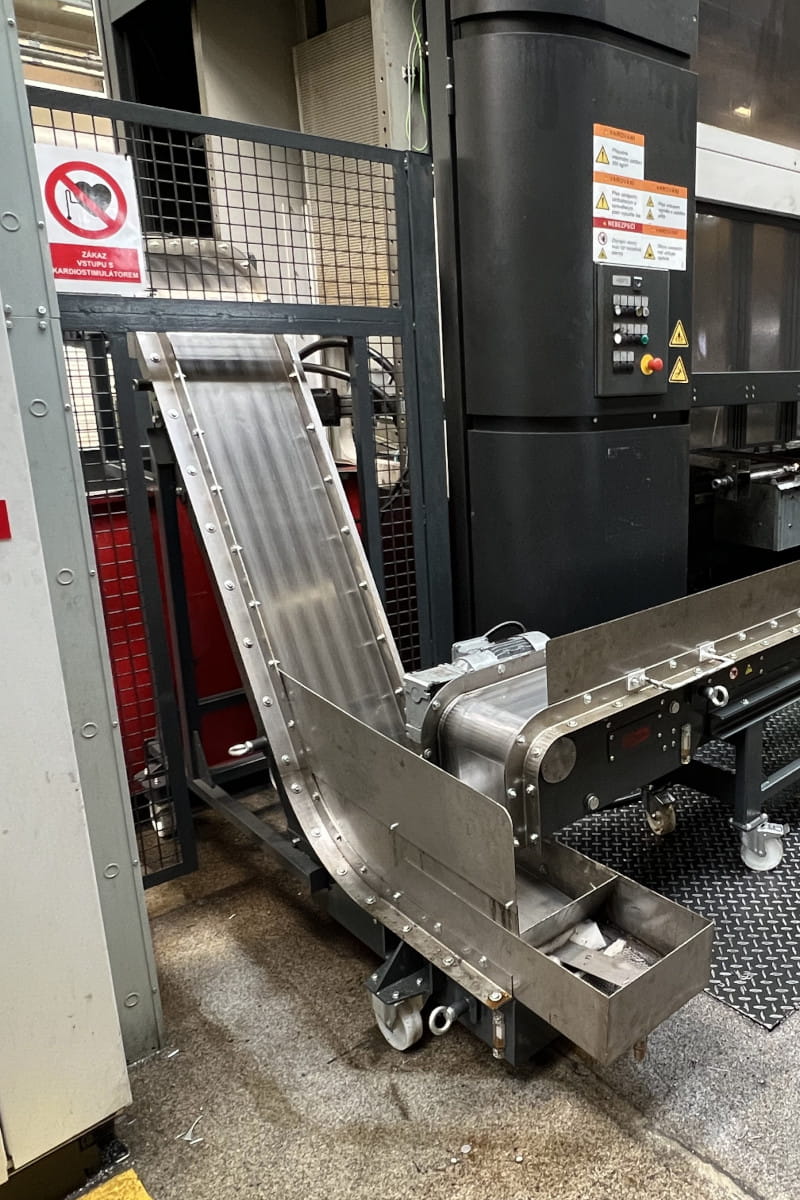
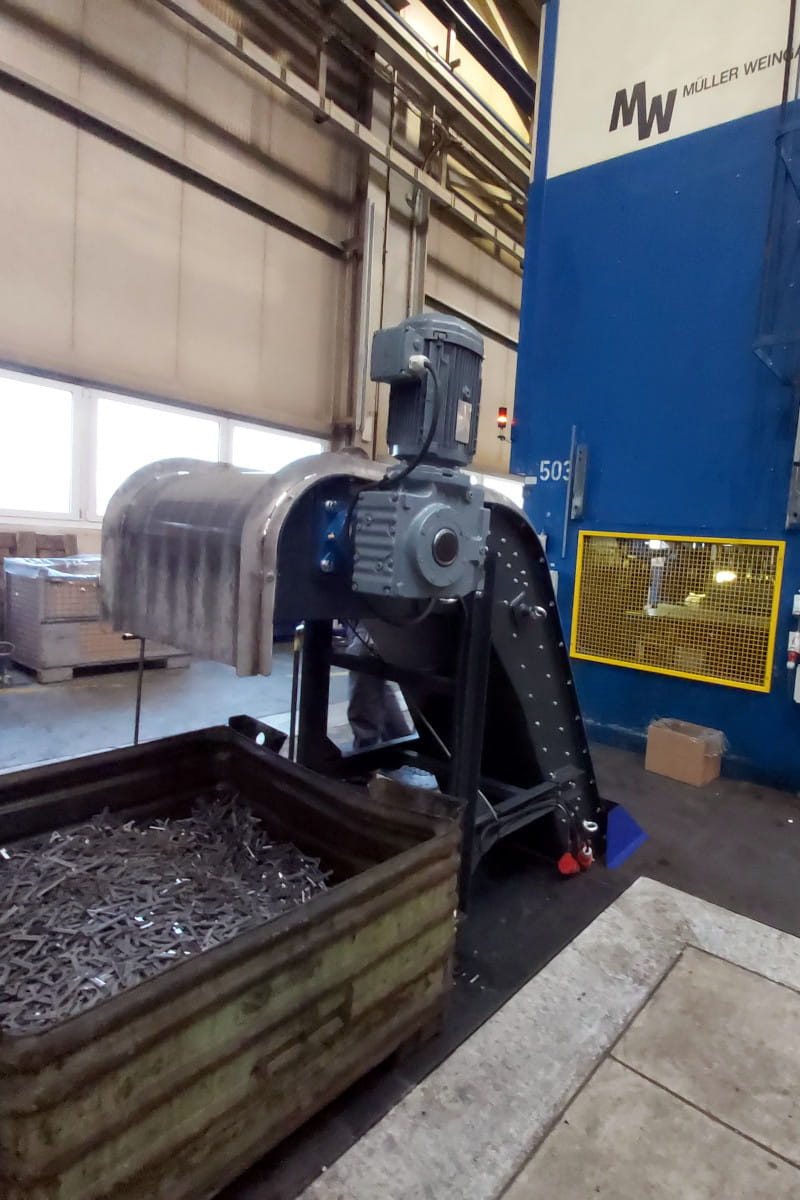
In pressing shops, oily and sharp stampings, blanks and scrap fall from beneath the presses and progressive dies. On an ordinary belt, oiled parts slip and fall through; manual handling causes delays and risks cutting the operator. A second problem is the sticking of thin sheets in stacks – there is a risk of feeding two sheets at once and damaging the tool.
The following equipment is most often used in pressing shops:
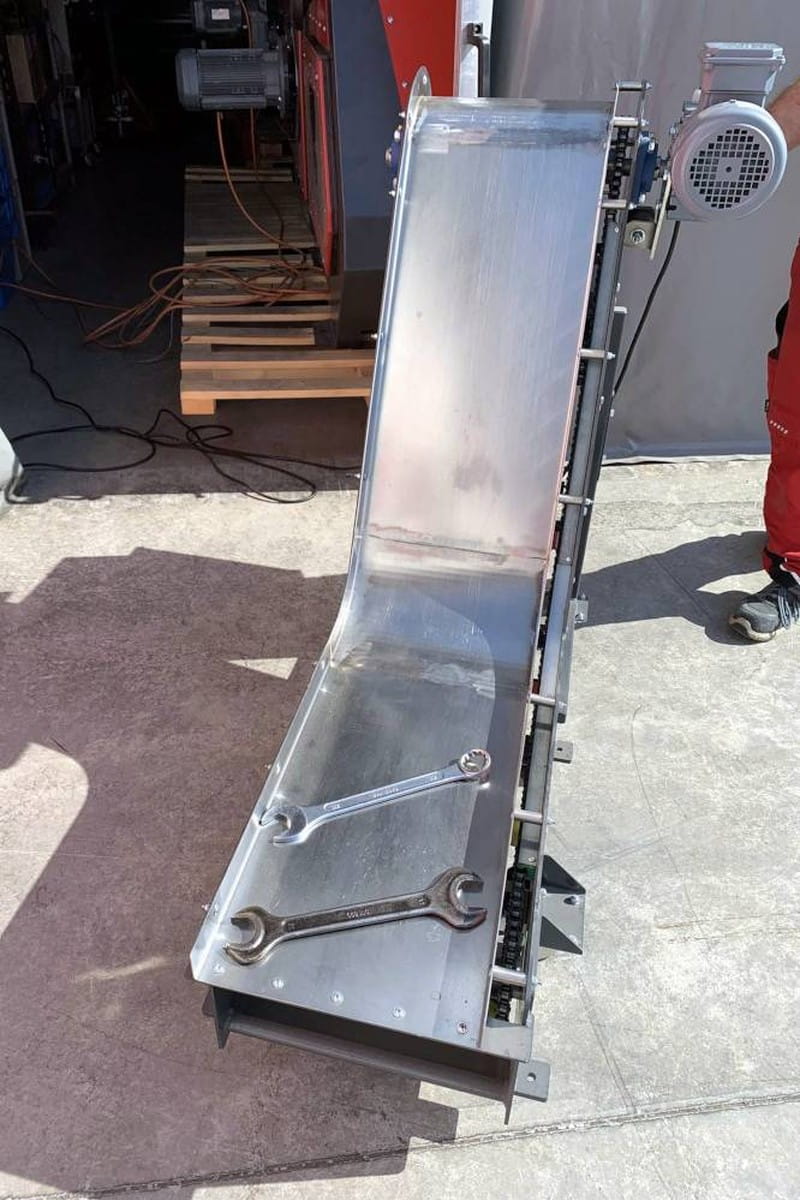
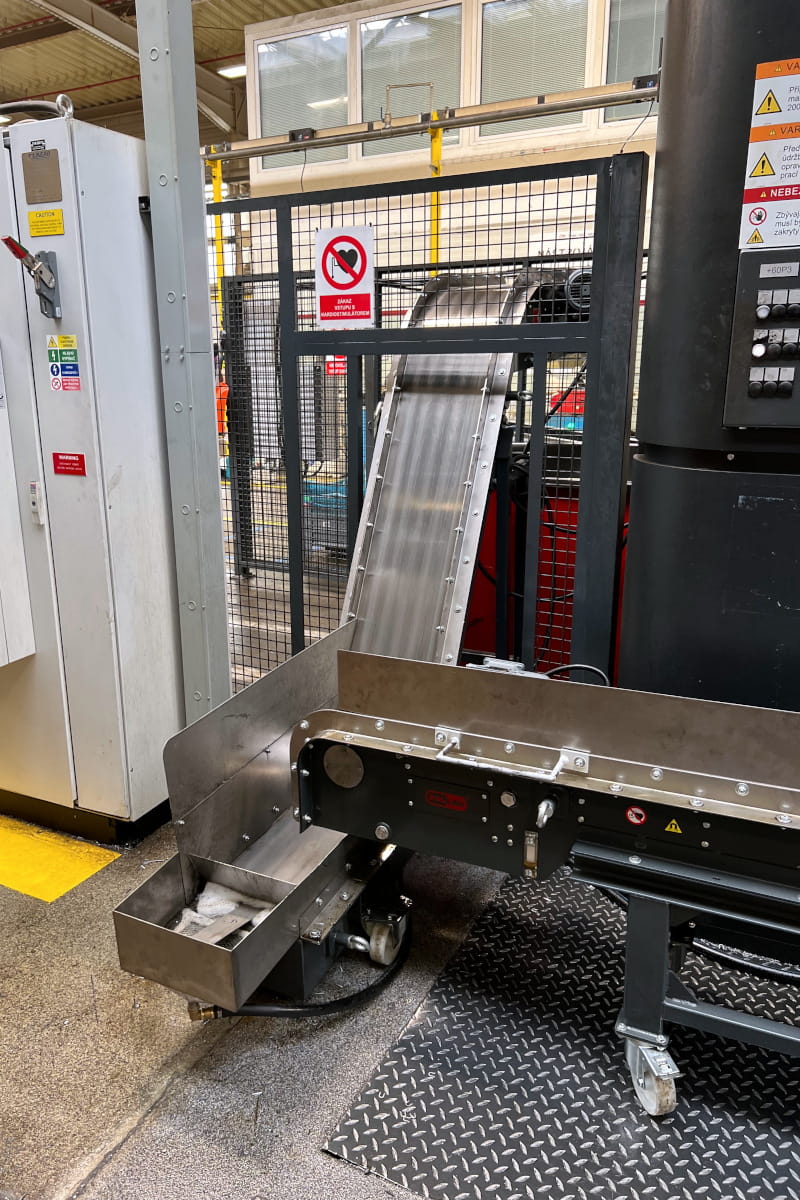
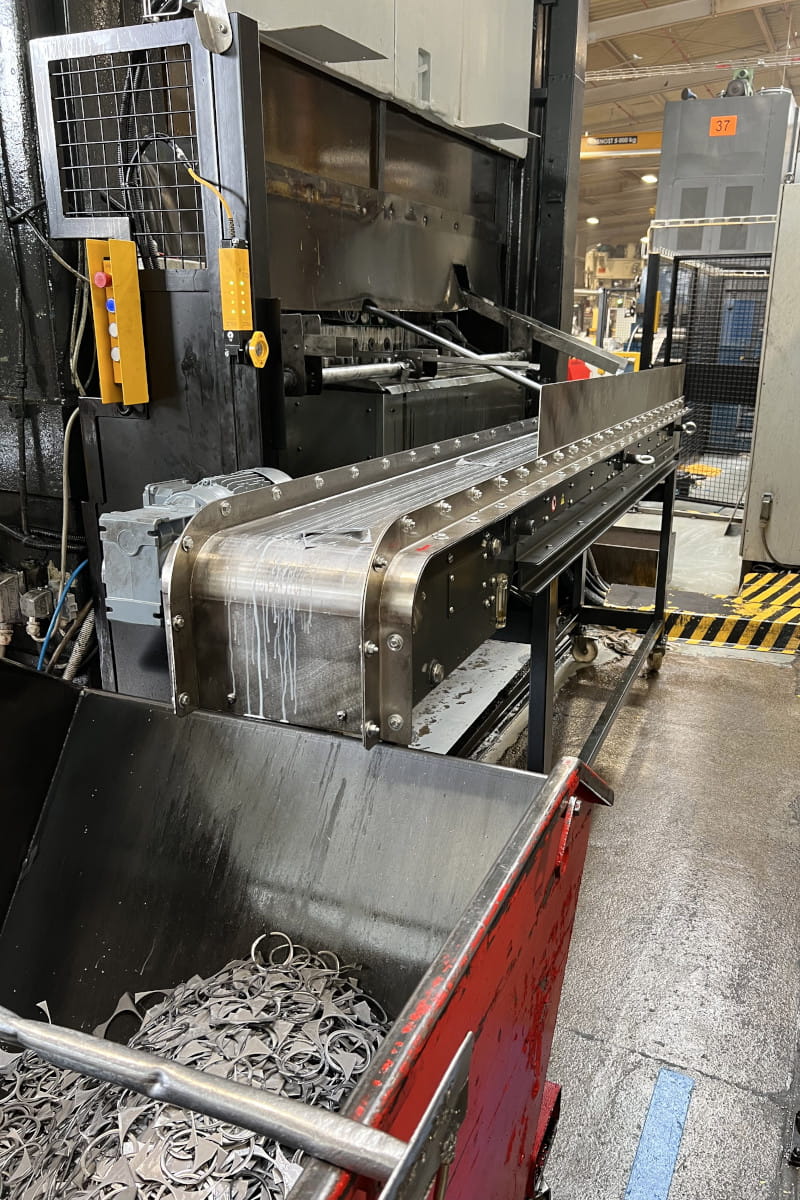
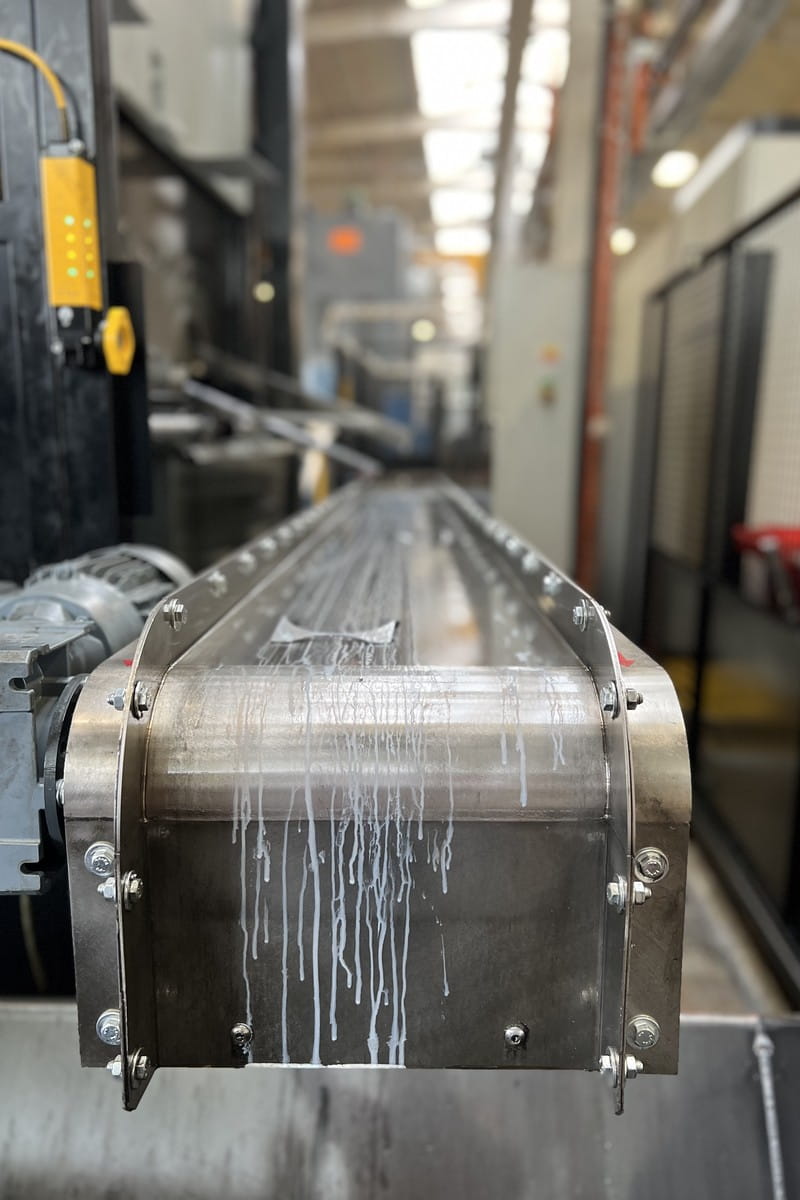
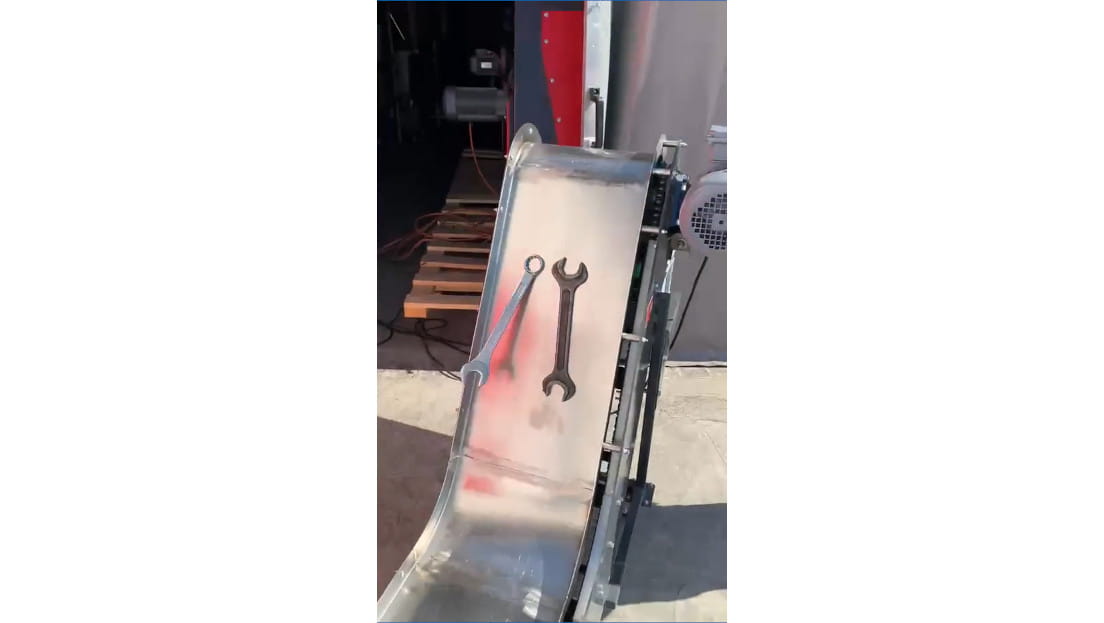
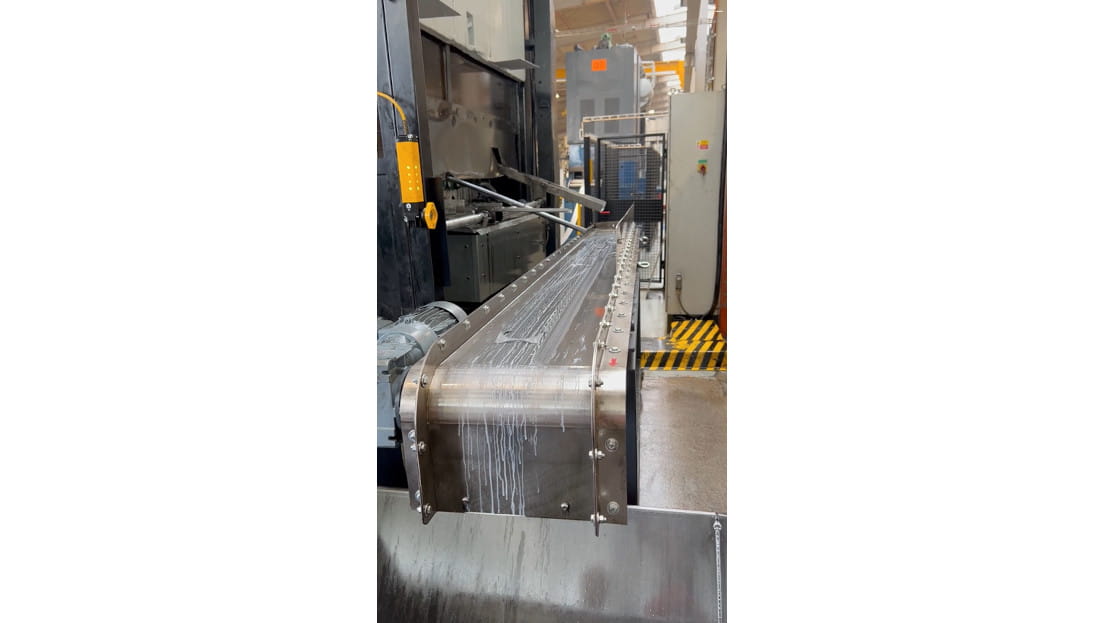
The magnetic conveyor MD has no external moving parts – the parts are held by the force of the magnetic field on a stainless-steel slide plate, so it carries them even steeply or vertically, and oily blanks do not slip. The straight conveyor MD VIPER is placed under the press outlet, the angled MD-Z COBRA lifts the parts up to container height; for hot parts we supply HOT versions. In our installation for a pressing shop, the MD + MD-Z system transports stampings at a press rate of 45–60 pcs/min, is mounted on wheels for moving between presses, and collects the emulsion, which it returns to the press.
If the stampings need to be freed of residual magnetism, it is advisable to use a tunnel demagnetizer – the conveyor with the stampings passes through a demagnetizing coil, and the stampings are demagnetized quickly, reliably and without the need for human operation.
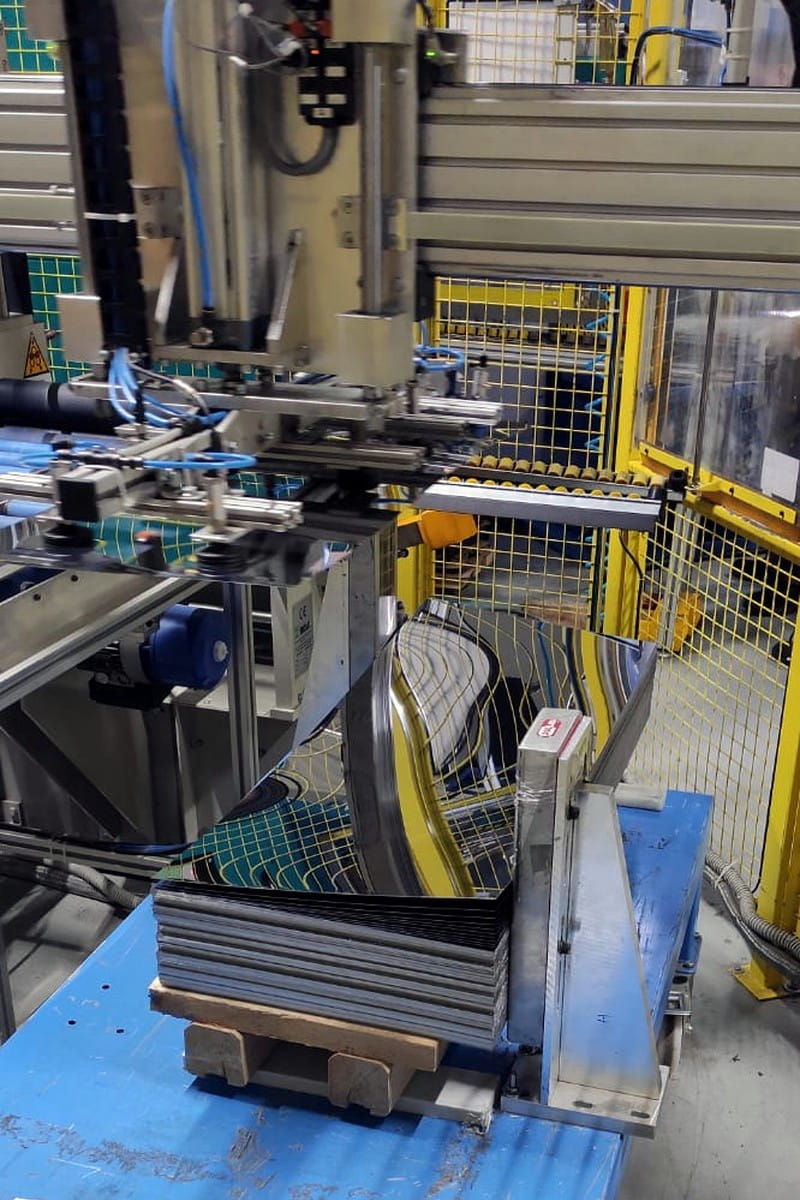
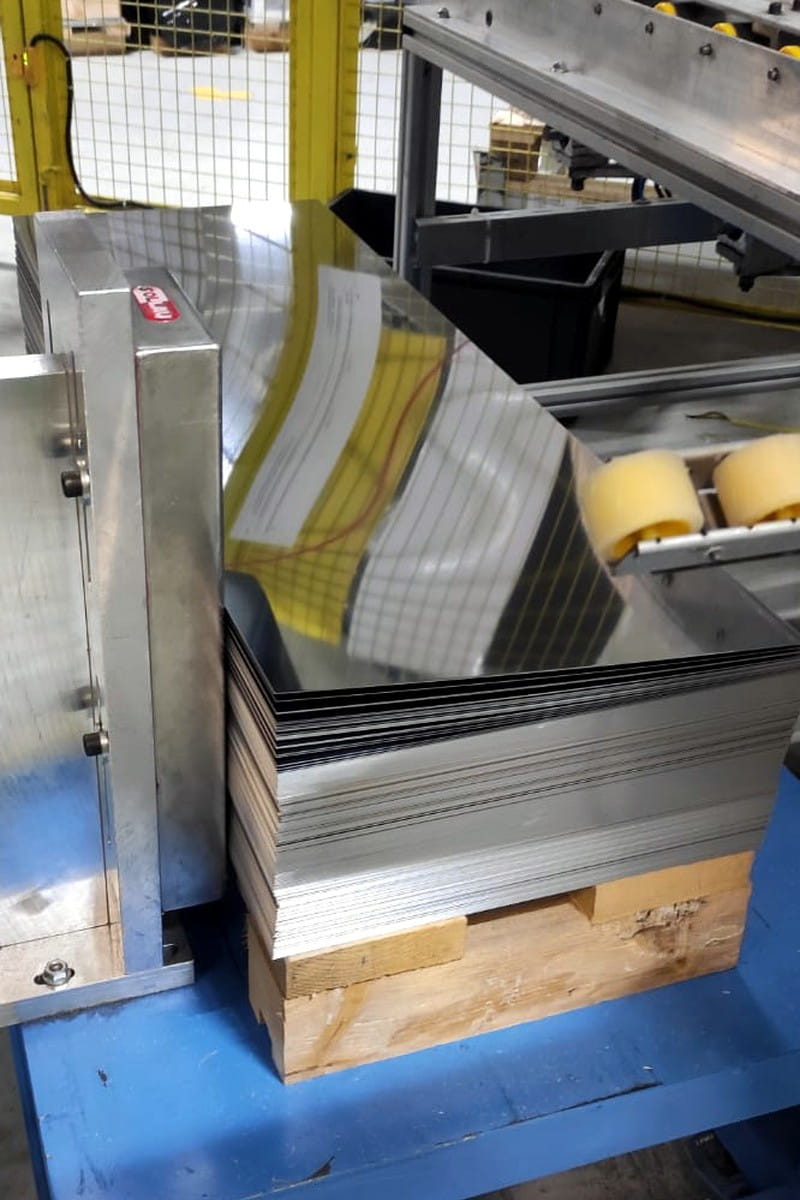
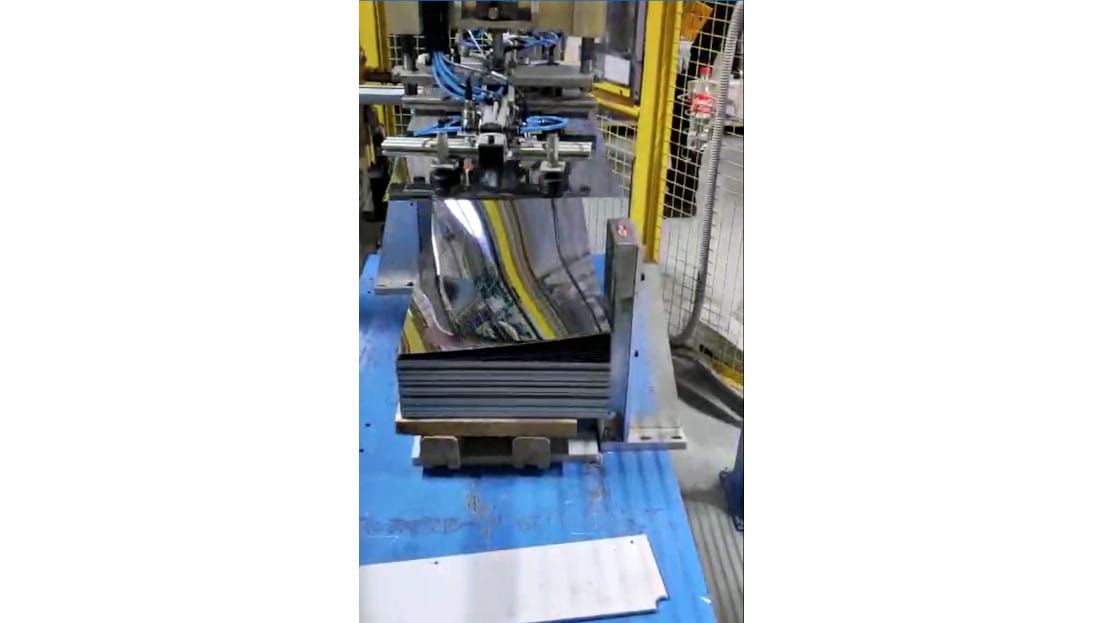
The magnetic sheet separator MC spreads apart the upper sheets of the stack, so that a vacuum manipulator or robot always picks up only a single piece – in our study, for sheets 0.3–0.8 mm thick with a polished surface, entirely without human operation.
Double sheet feed = a damaged pressing tool and downtime!
Shot blasting of castings – recycling the blasting media
During shot blasting of castings, the steel grit is recycled, but the circulating media contain residues of sand, scale, paint and crushed grain. Contaminated abrasive worsens the surface of castings and wears out the blasting units.
The following equipment is most often used for recycling blasting media:
A magnetic drum is inserted into the recycling circuit of the blasting machine, after the air separator and screens – it separates the usable steel media from non-magnetic impurities.
Handling scrap, charge material and loads
Foundries and steelworks load, sort and dose metal scrap and charge material into melting furnaces every day; engineering shops handle sheets, bars and heavy workpieces. Slow manual handling holds back the whole operation.
The following equipment is most often used for material handling:
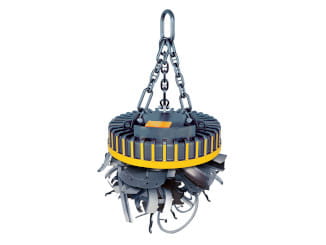
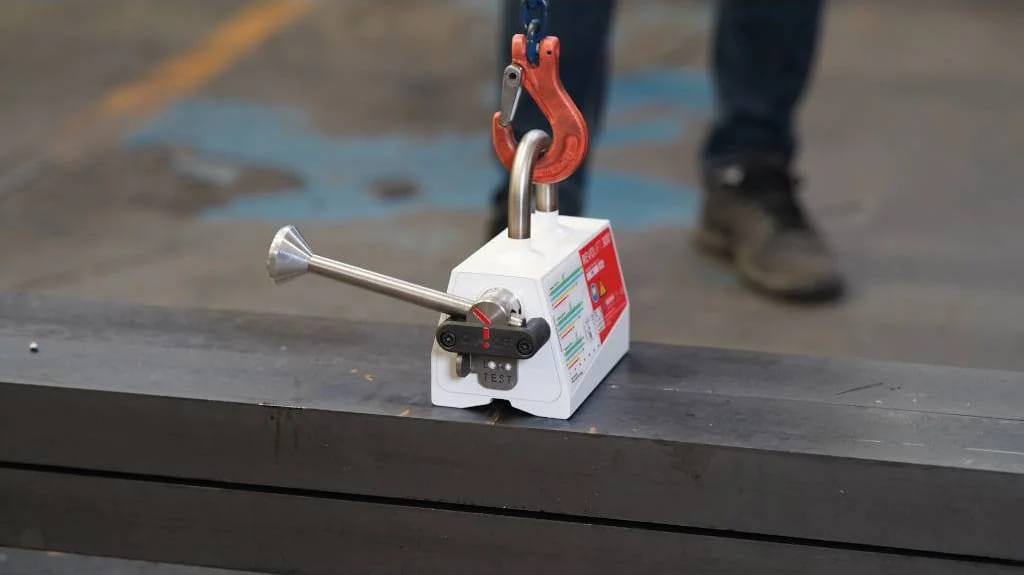
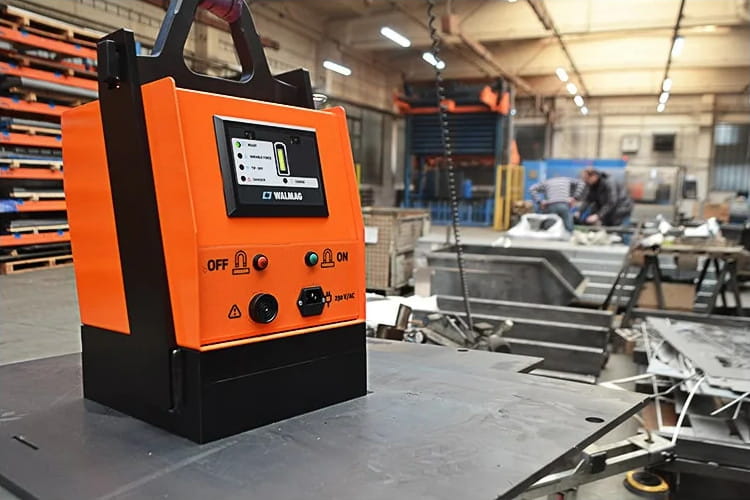
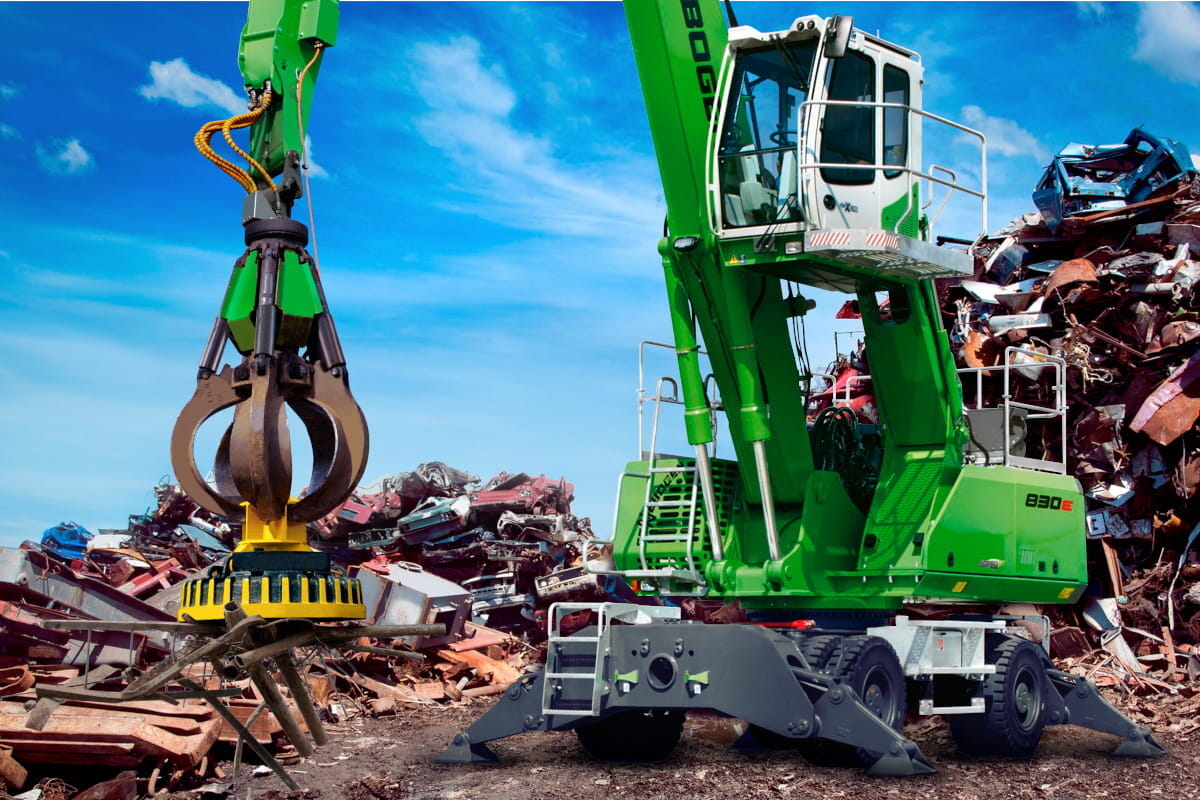
The scrap electromagnet EMG-SM is suspended from a crane hook or a mobile handler and manages continuous work with steel chips, flame-cut parts, charge material and ingots – a 75 % duty cycle, a robust cast-iron body from a single casting and a heat-resistant version for material up to 650 °C. We keep the models in stock and offer both loan units and quick replacement in case of failure.
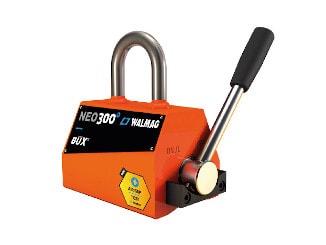
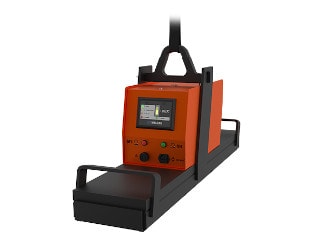
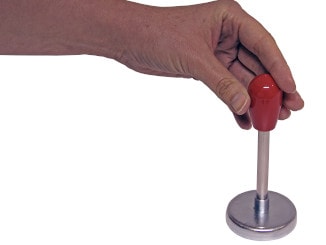
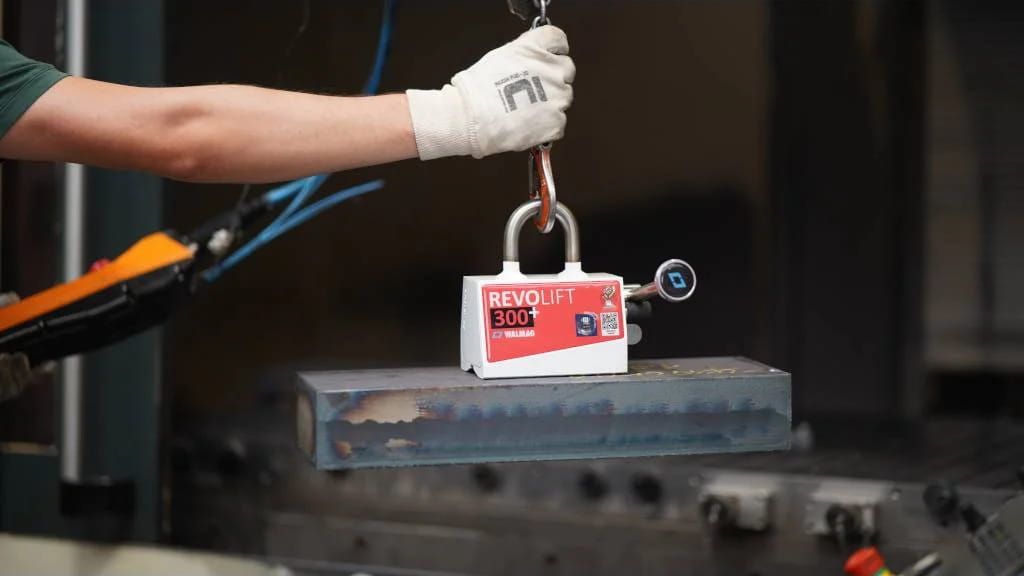
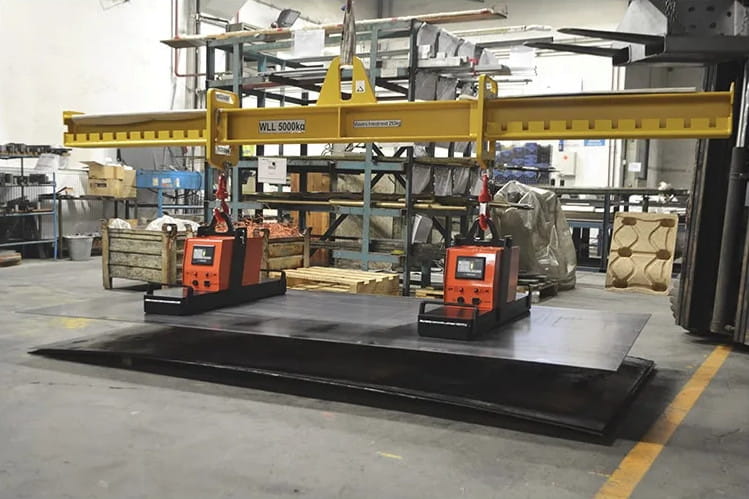
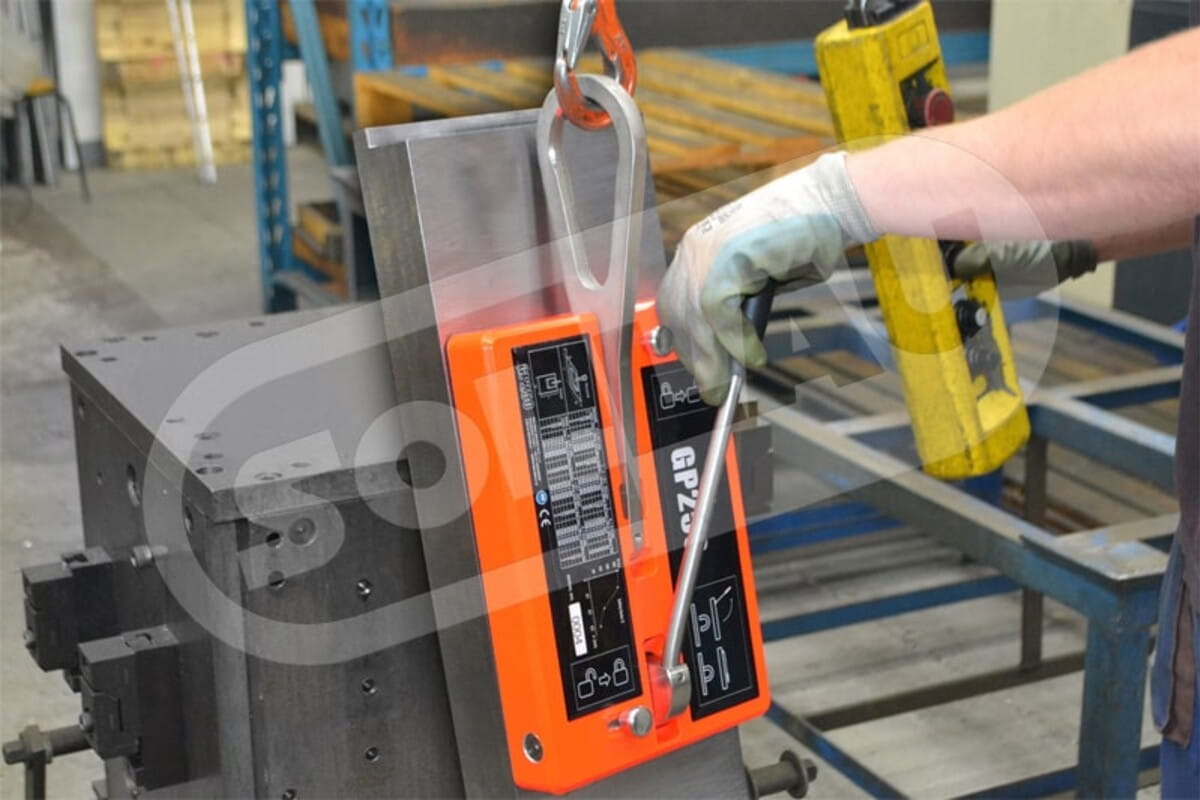
For piece handling of sheets, bars and workpieces, permanent and electro-permanent lifting magnets and hand-held magnetic manipulators RM are used.
Benefit: faster loading and dosing of charge material, less manual work and greater safety.
Workpiece clamping and demagnetization in engineering
During grinding, milling and turning, the workpiece must be clamped firmly and precisely. Conventional vices and clamps hold the part from several sides – part of the surface thus remains inaccessible and the workpiece has to be repeatedly re-clamped, re-measured and re-centred. A magnetic chuck holds the part only by its bottom face, so the remaining five sides are free for the tool in a single clamping. This significantly shortens machining times and production costs, especially in series production.
The following equipment is most often used for clamping workpieces:
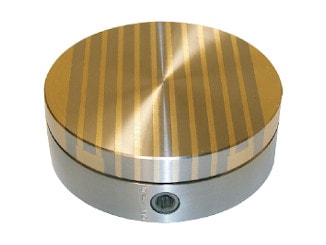
Permanent magnetic chucks
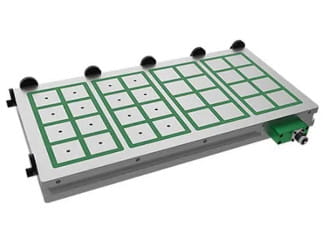
Electro-permanent magnetic chucks
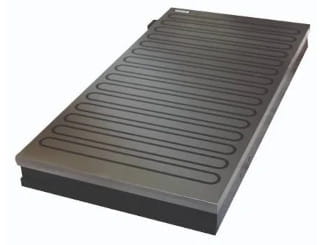
Electromagnetic chuck plates
Permanent chucks are operated mechanically and need no power source to clamp or release. They excel with the high clamping force of strong neodymium magnets (up to 160 N/cm² on the Neopower and Neomill Compact) and a low purchase price. Electro-permanent chucks are activated by a short electrical pulse and then hold the workpiece without drawing power – their key advantage is safety: even in a power failure the part is not released.
Electromagnetic plates hold the part under voltage the whole time and are suitable especially for surface grinding.
The choice of chuck depends on the type of operation and the shape of the part. For surface grinding, rectangular chucks with a fine pole pitch are used (Neomicro, Neodymax), which concentrate the magnetic field into a small area and securely clamp even very thin parts that a vice would deform.
For turning and cylindrical grinding, circular chucks with radial poles are used (Neostar, Alustar) – in a single operation you machine the face and the inner and outer diameter without re-clamping.
For milling, drilling and thread cutting, chucks with the highest clamping force and a uniform field are intended (Neopower, Neomill Compact, the electro-permanent Mastermill).
Of interest: The Maxgrip and Alustar chucks have a continuously adjustable clamping force – the operator switches the chuck on at 10–20 % of the force, easily centres the workpiece, switches to 100 % and only then starts machining.
The watertight construction allows liquid cooling as standard; the Neomicro and Neodymax models can also be immersed in dielectric fluid during electrical discharge machining (EDM). Service life is extended by a grindable pole plate with a re-grinding limit of 5 to 10 mm depending on the model.
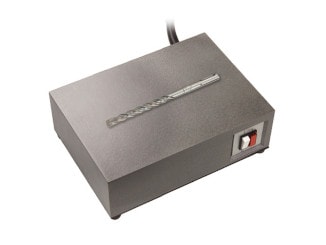
What comes after machining – demagnetization. A workpiece clamped on a magnet will carry residual magnetism after removal. A magnetized part attracts swarf and chips, worsens measurement, assembly and subsequent surface treatments.
Demagnetizers solve this problem by passing the part through an alternating magnetic field that is gradually reduced to a minimum. For smaller parts, tools and drills, table (SO) and hand (RO) demagnetizers are used; for larger quantities of parts, a tunnel demagnetizer (TO) is used.
Cleaning the operation and workshop equipment
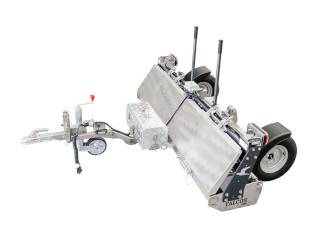
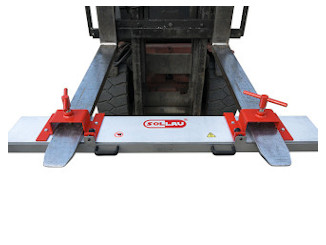
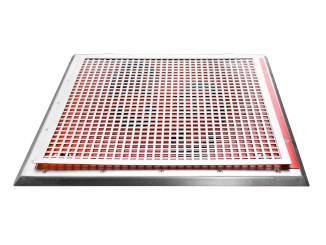
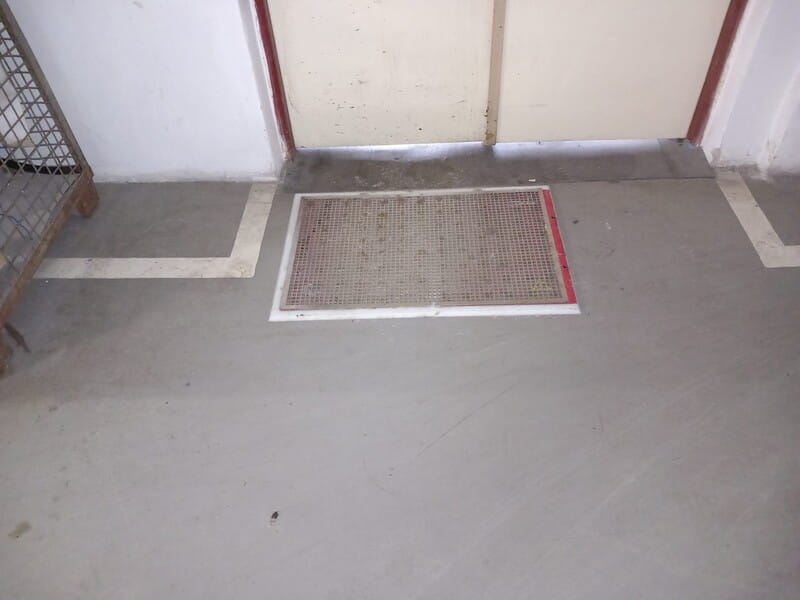
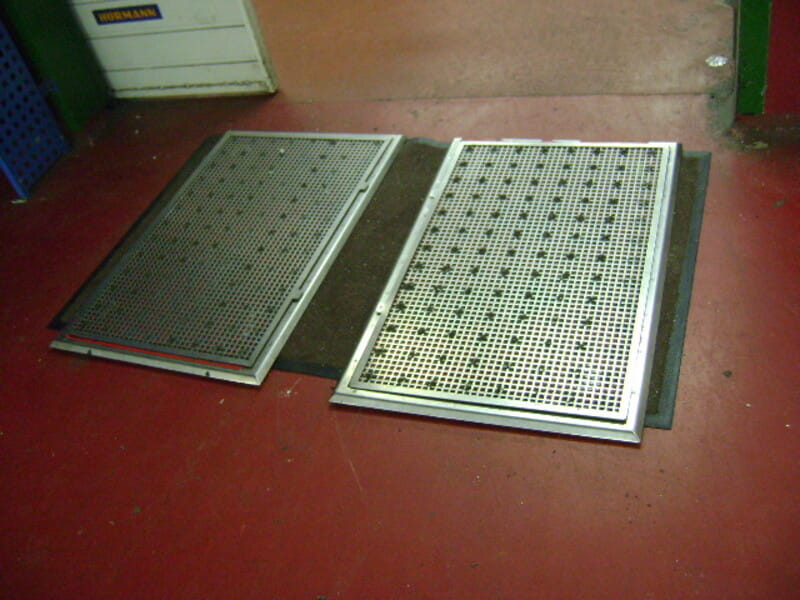
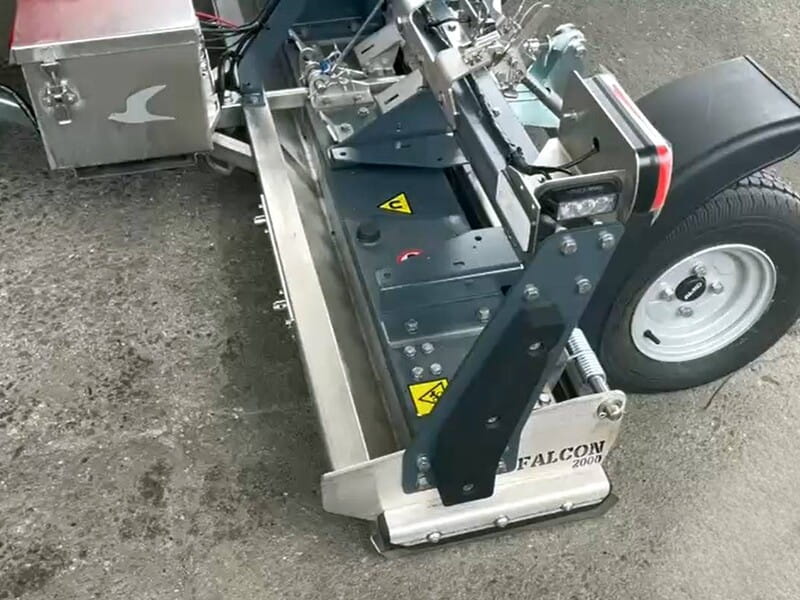
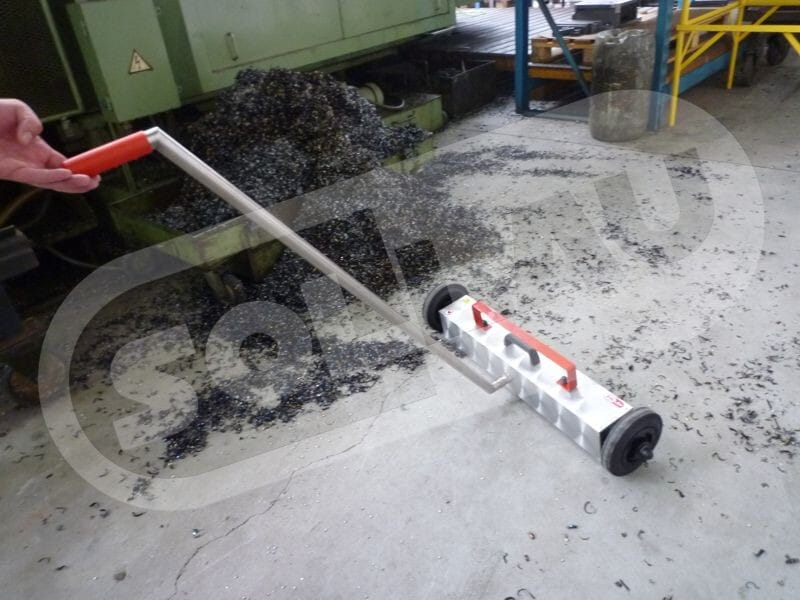
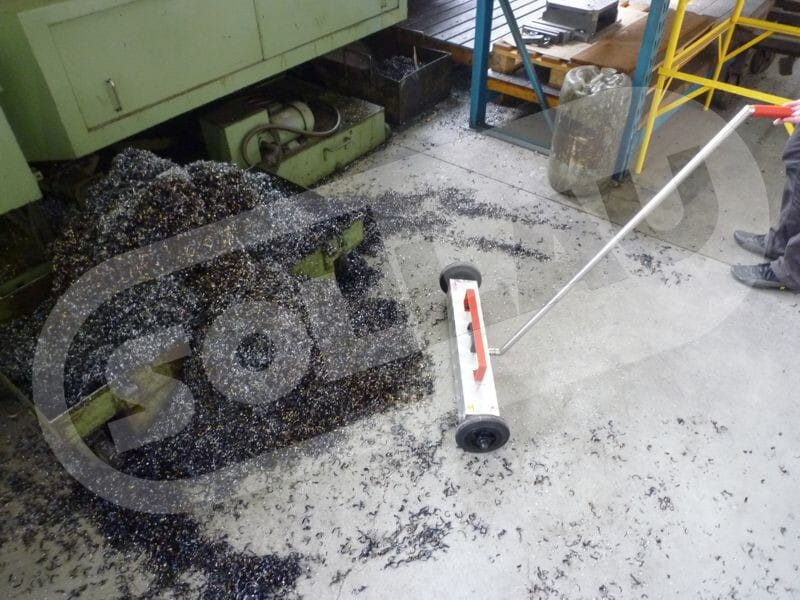
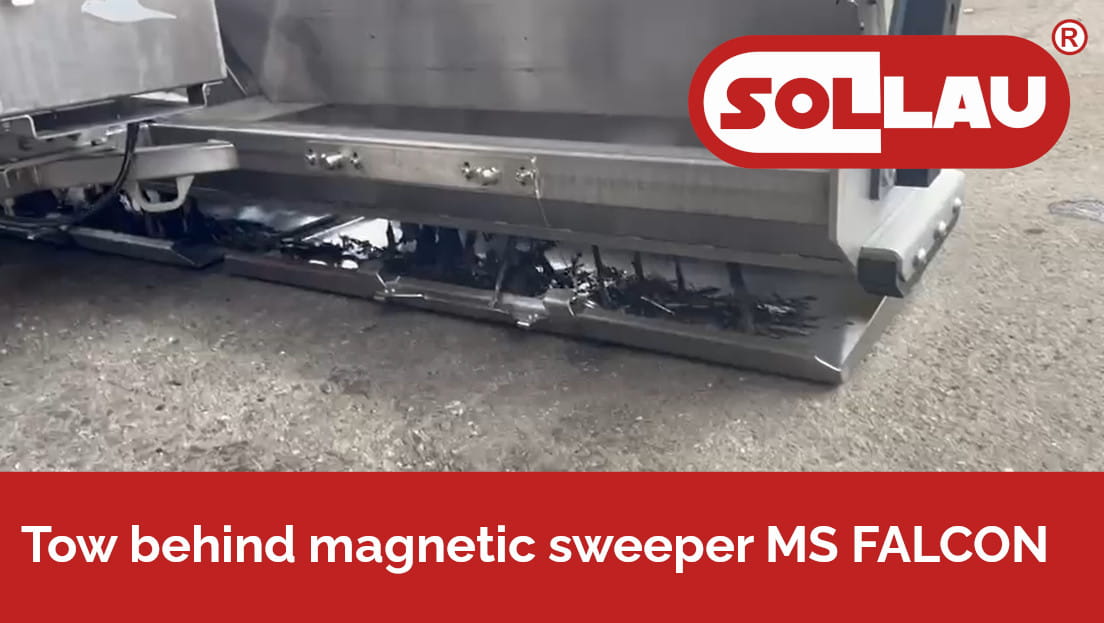
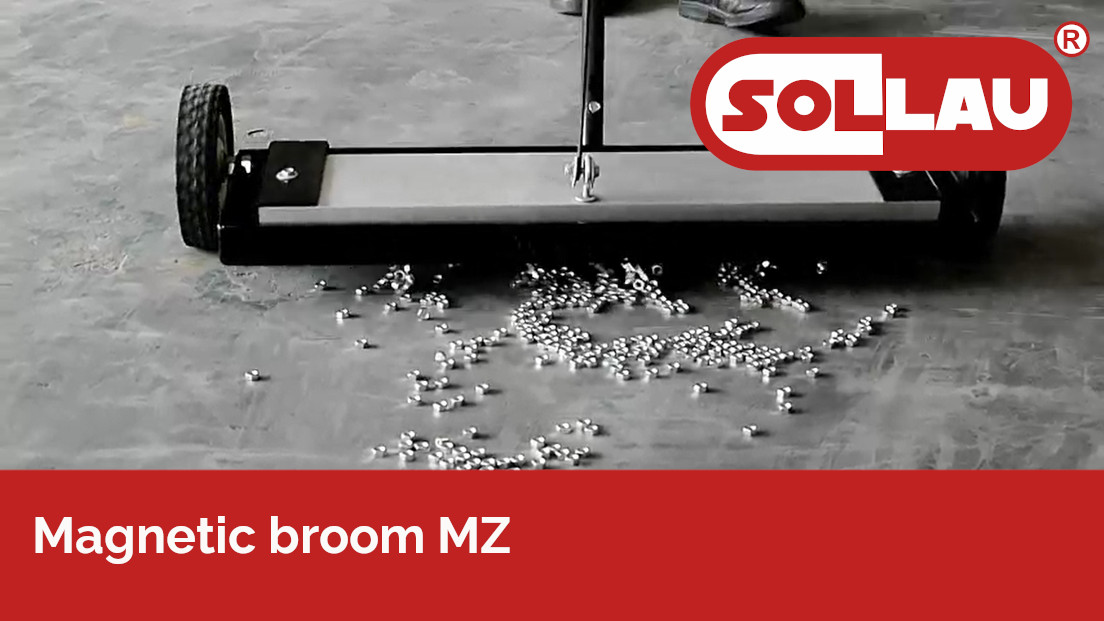
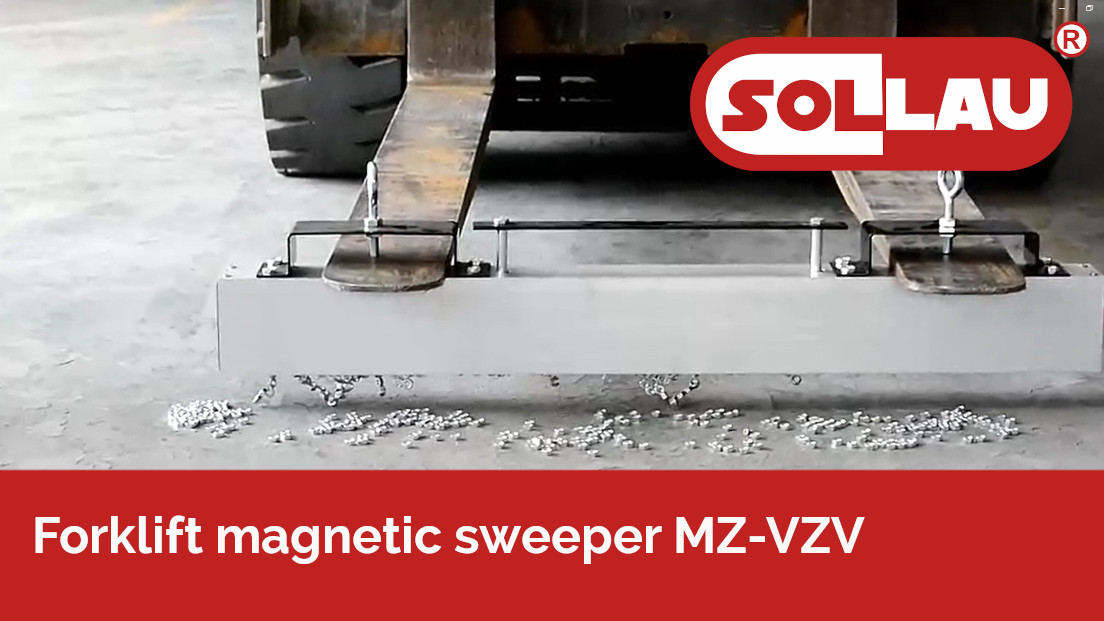
In engineering operations, magnetic brooms MZ, forklift magnetic sweepers MZ-VZV and magnetic mats MM are used mainly for quickly removing ferromagnetic contaminants from floors and handling routes. They effectively capture steel chips, grinding dust, nails, screws, wires, rivets and other metal particles that arise during machining, welding or assembly. This increases work safety, protects the tyres of handling equipment, reduces the risk of damage to products and machines, and makes it easier to keep the production halls clean.
The following equipment is most often used in operations:
Magnetic sweepers are suitable both for manual cleaning and for mounting on forklifts for the regular cleaning of large areas, while magnetic mats are installed at busy spots, where they automatically capture metal contaminants from footwear and truck wheels, thereby preventing their further spread into clean production areas.
FREQUENTLY ASKED QUESTIONS
 Engineering and foundry work covers metal machining (turning, milling, grinding, honing), sheet-metal pressing, casting into foundry sand, shot blasting of castings, as well as heat treatment and material handling. Here metal is melted, cast, machined and recycled – and at every step metal chips, swarf, grinding sludge and iron fragments arise that need to be brought under control.

















 +420 773 323 773
 petr.zbranek@sollau.cz