18. 5. 2026
Magnetic separator with manual or automatic cleaning? A practical comparison
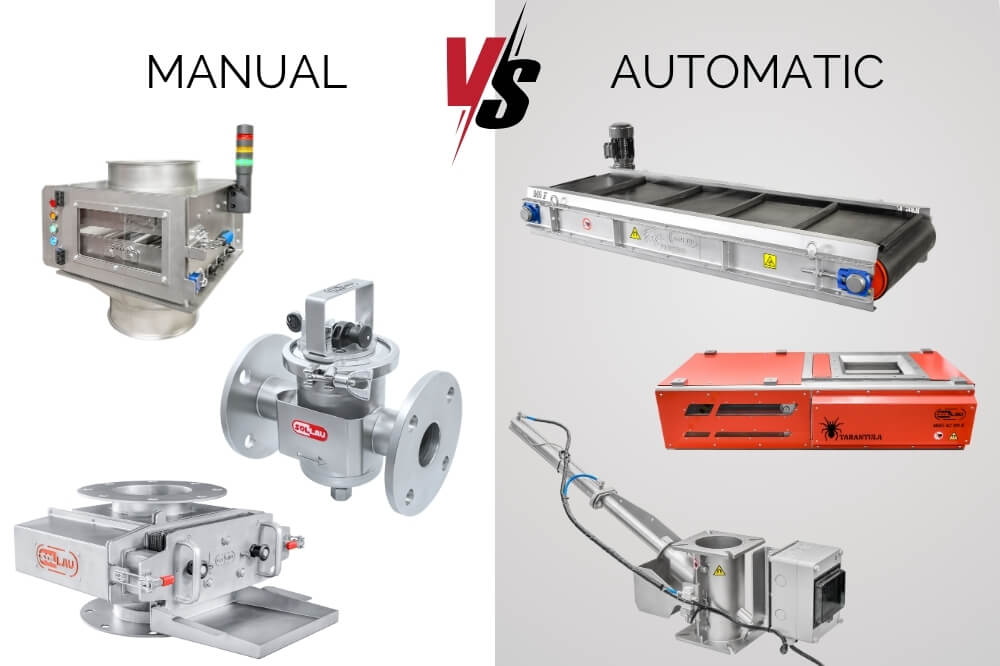
A magnetic separator is only effective if the captured metal impurities are removed regularly. In practice, the cleaning method is the key difference between manual and self-cleaning magnetic separation.
Choosing the right magnetic separator has a direct impact on efficiency, process stability, and operating costs.
Manual magnetic separation
With manual magnetic separation, the captured impurities are removed manually by the operator, usually as part of a regular inspection or planned shutdown. This solution is particularly suitable for operations with lower levels of contamination, intermittent operation, and good access to the equipment.
Magnetic separators for solid and powder mixtures with manual cleaning
Magnetic separators for liquid mixtures with manual cleaning
Self-cleaning magnetic separation
Self-cleaning magnetic separators are cleaned automatically without the need for manual intervention. This type of solution is ideal for continuous operations, higher levels of contamination, or applications where it is not possible to shut down the equipment frequently.
Magnetic separators for solid and powder mixtures with automatic cleaning
Magnetic separators for liquid mixtures with automatic cleaning
Main advantages of manual and self-cleaning magnetic separation
Manual magnetic separation:
- Lower acquisition costs and a simple solution for basic applications.
- Easy installation and operation without complex automation and additional systems.
- Flexibility in operation – cleaning can be performed as needed (e.g., during planned downtime).
- Suitable for smaller or intermittent operations where continuous performance stability is not required.
- Simpler service and fewer components that would require additional maintenance.
Self-cleaning magnetic separation:
- Stable separation efficiency thanks to regular automatic cleaning without performance fluctuations.
- Saves operator time and reduces dependence on the human factor (lower risk of neglected maintenance).
- Suitable for continuous operations – minimizes downtime and supports smooth line operation.
- Better handling of higher contamination, where manual cleaning would be too frequent and costly.
- Higher operational reliability and safety, as the need for manual intervention in the equipment is reduced.
If you are unsure which solution is more suitable for your application, please do not hesitate to contact us. We will be happy to go through the operating conditions with you and recommend the optimal option.