WHERE IN THE PLASTICS INDUSTRY WILL YOU FIND OUR MAGNETIC SEPARATORS?
Raw material intake and pneumatic conveying of granulate
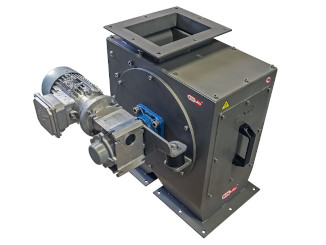
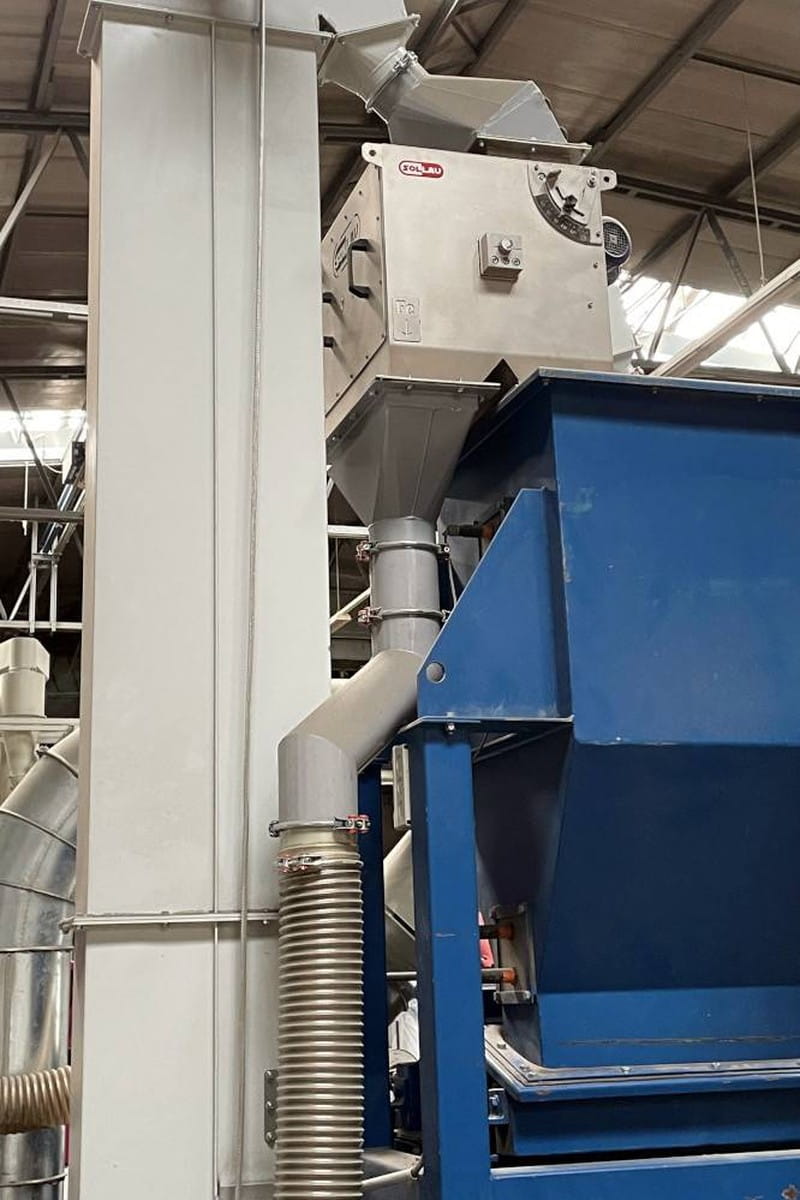
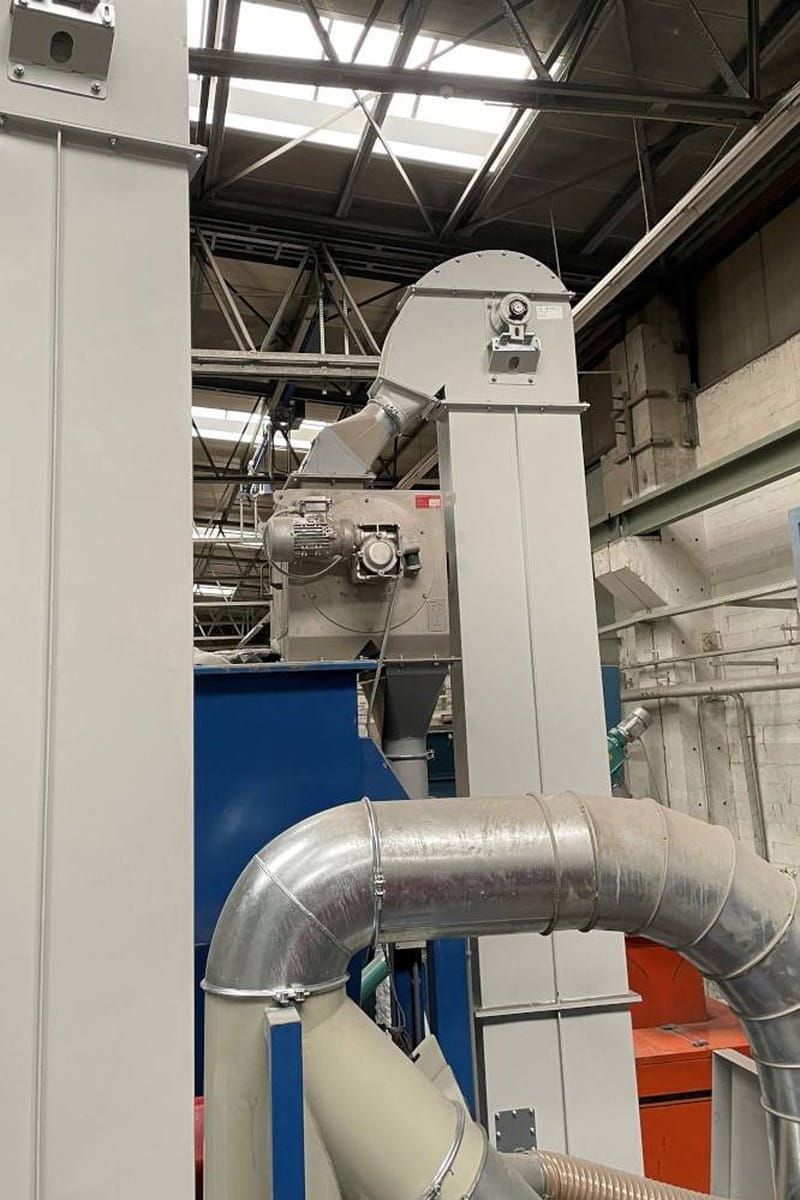
Granulate and regrind are conveyed into the production halls pneumatically – from silos, octabins or big bags into the central material distribution lines and dryers. Metal impurities get into the material already during conveying: wear from pipes, bends and rotary feeders, or residues from transport packaging.
The following equipment is most often used for raw material intake and conveying:
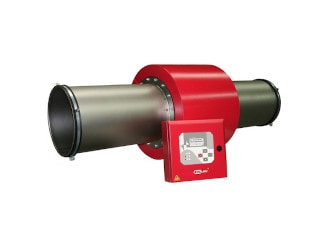
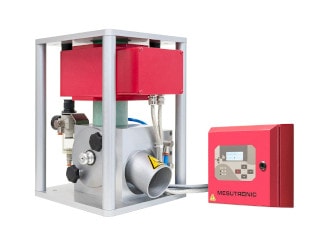
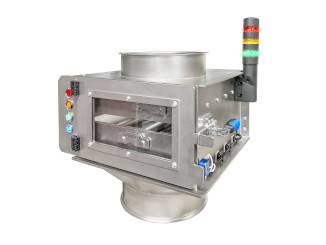
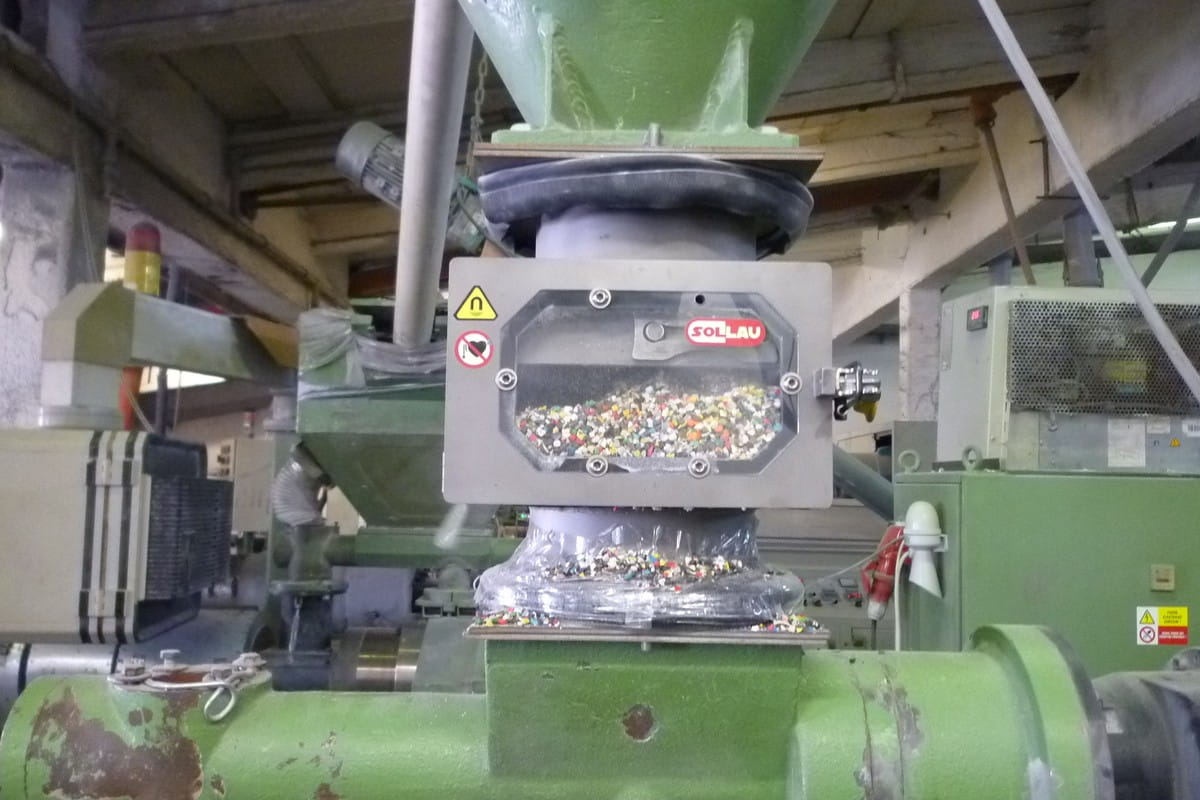
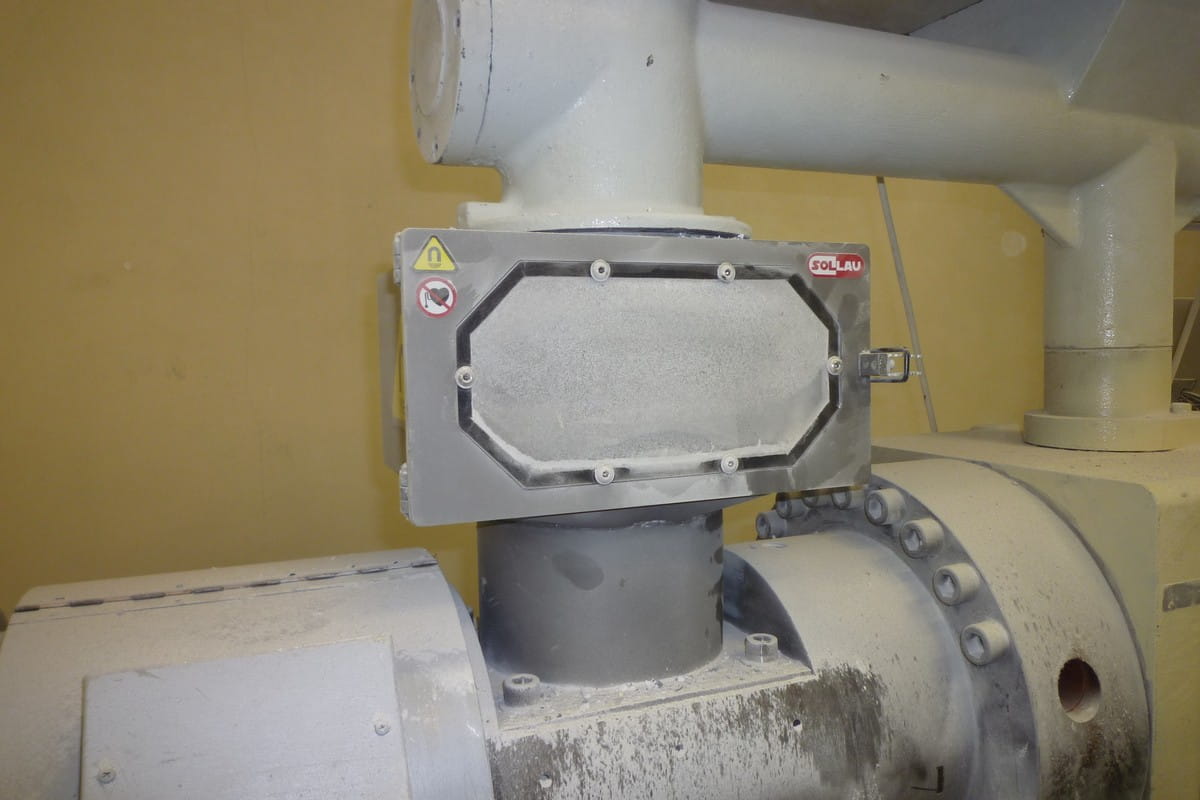
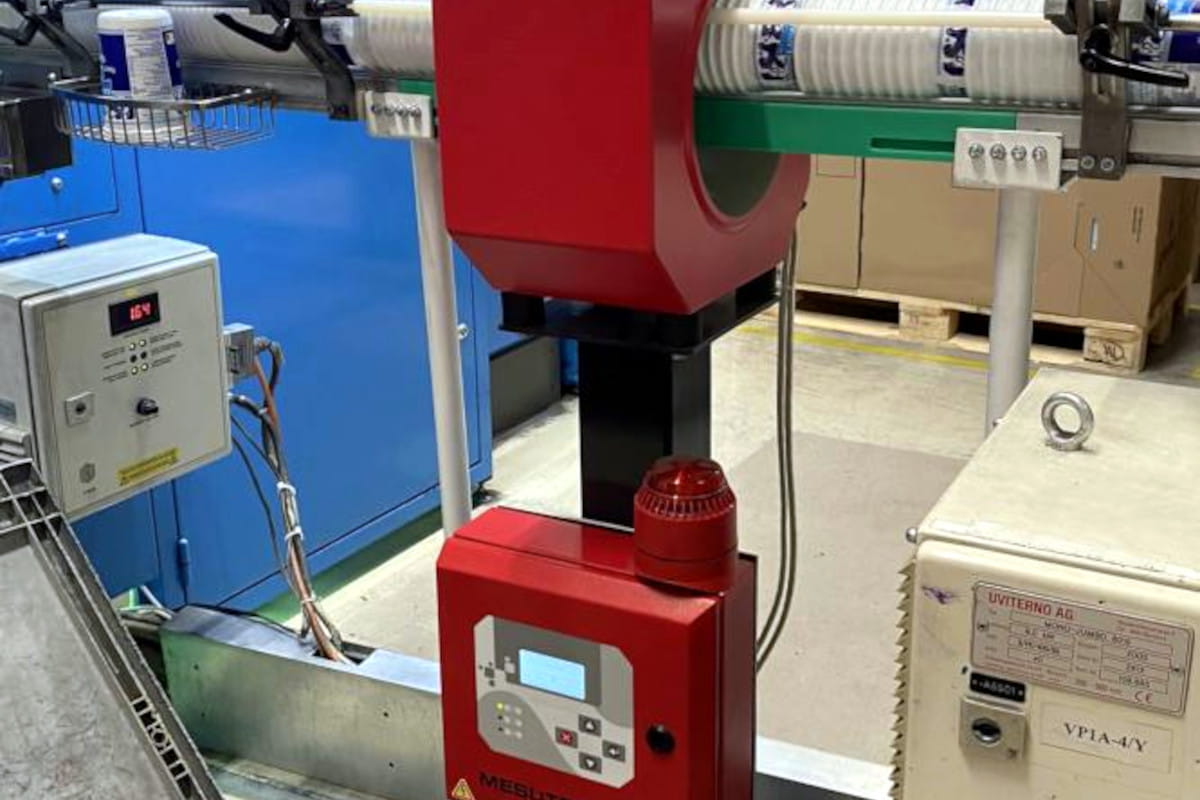
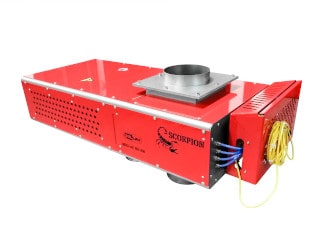
The separators are installed directly in the pipeline routes of the pneumatic conveying – typically between a silo and a dryer or upstream of the central material distribution. The MSP-S pipeline magnetic separator is designed so as not to slow down the material flow, while also capturing fine ferromagnetic particles. The metal detector for pneumatic conveying then, using a reject gate, removes even non-magnetic metals (aluminum, stainless steel) – without interrupting the conveying.
What problems it solves: contamination of the material already at the plant intake, wear from the conveying routes, metal impurities from transport packaging.
Benefit for the customer: a single separator at the intake protects all downstream machines at once – clean material throughout the entire central distribution.
Injection molding of plastics
Injection molding is the most widespread plastics processing technology – and the injection molding machine is at the same time one of the most vulnerable machines in operation. A metal particle that passes through the hopper can damage the screw, clog the nozzle or the hot runner system and, in the extreme case, destroy an expensive injection mold. The risk grows significantly when processing regranulate, crushed sprues and materials that have already undergone handling, grinding or transport.
The following equipment is most often used in injection molding of plastics:
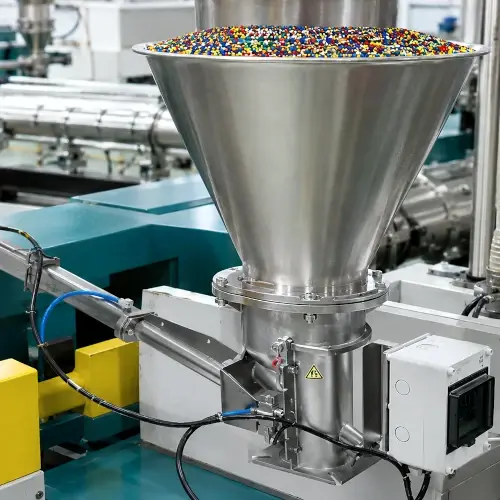
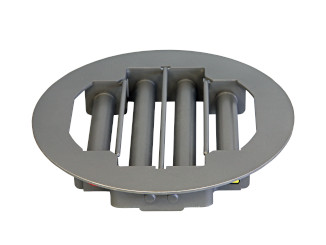
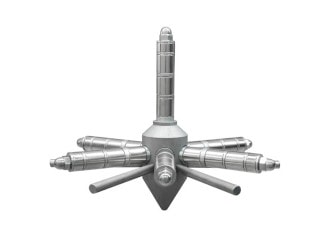
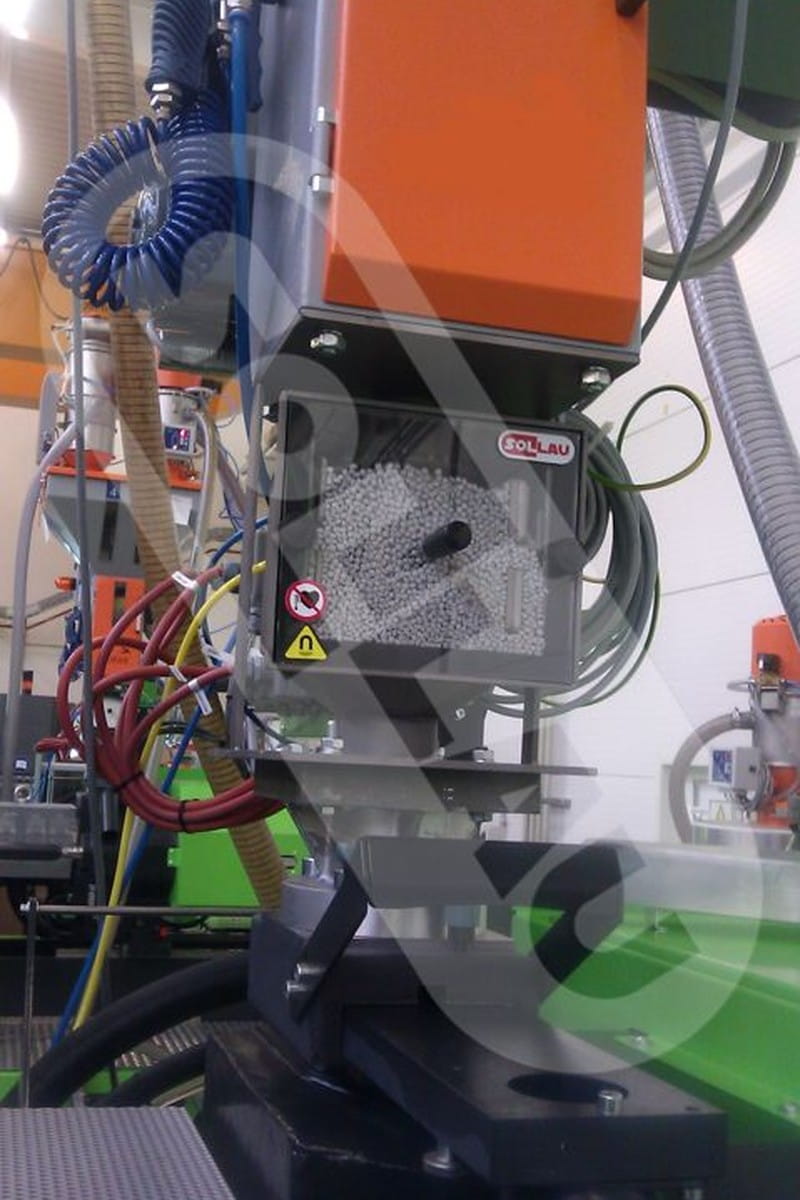
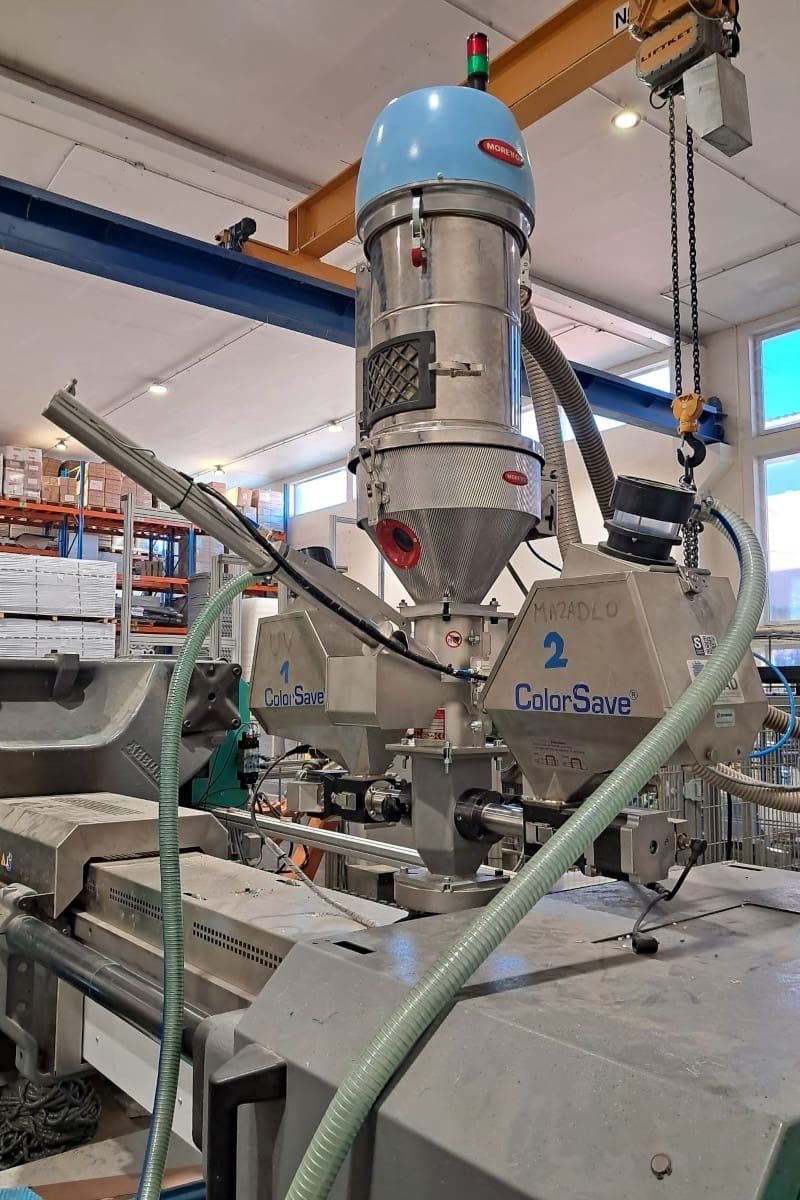
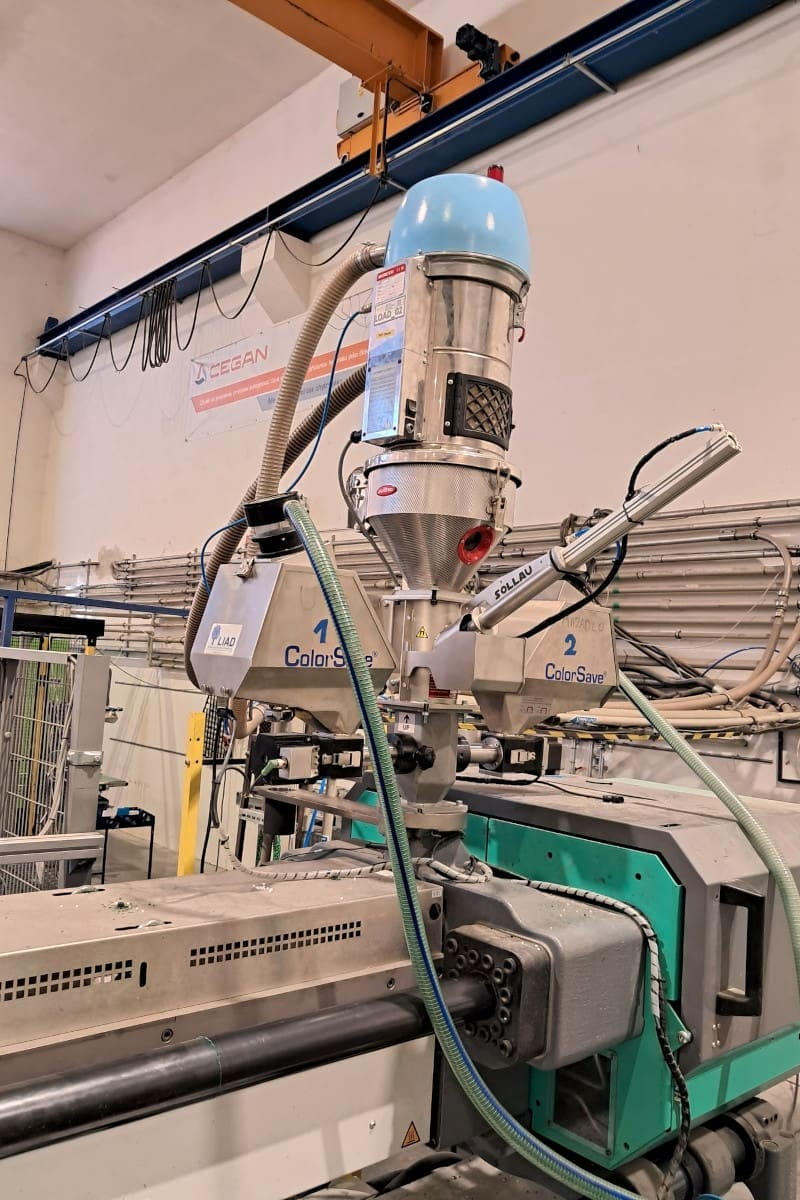
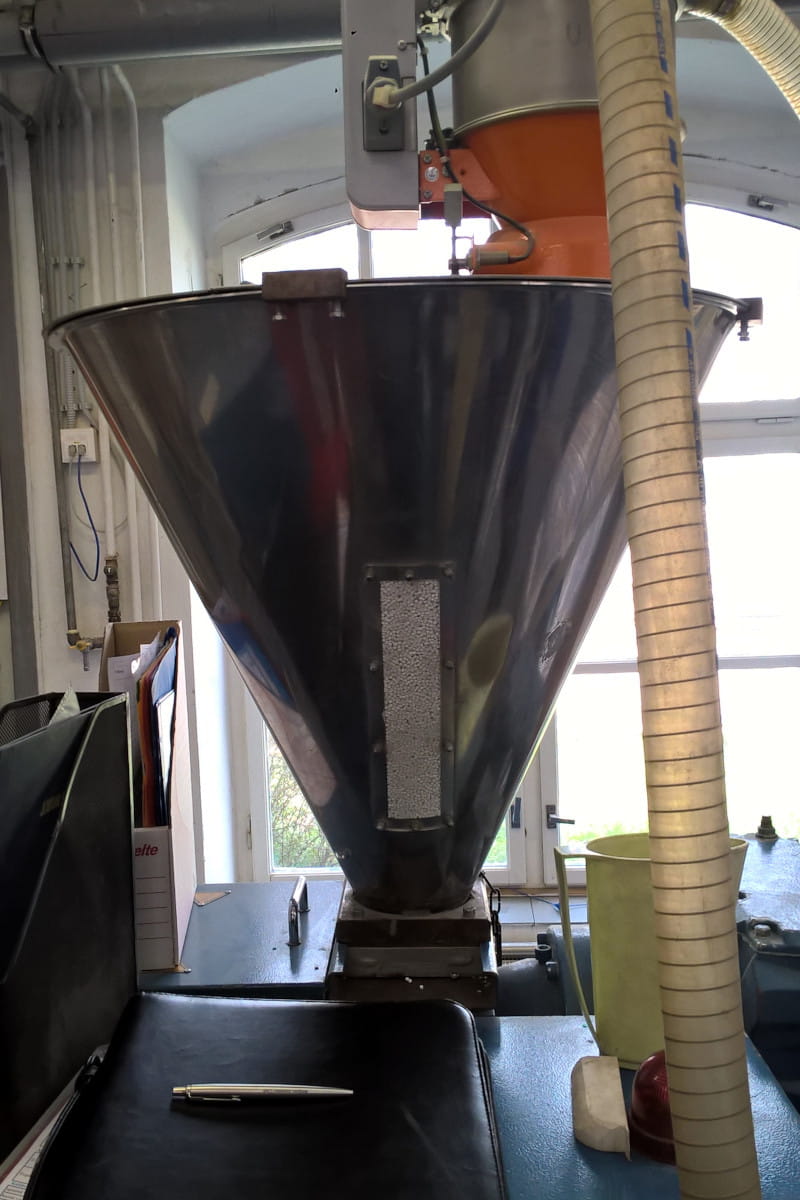
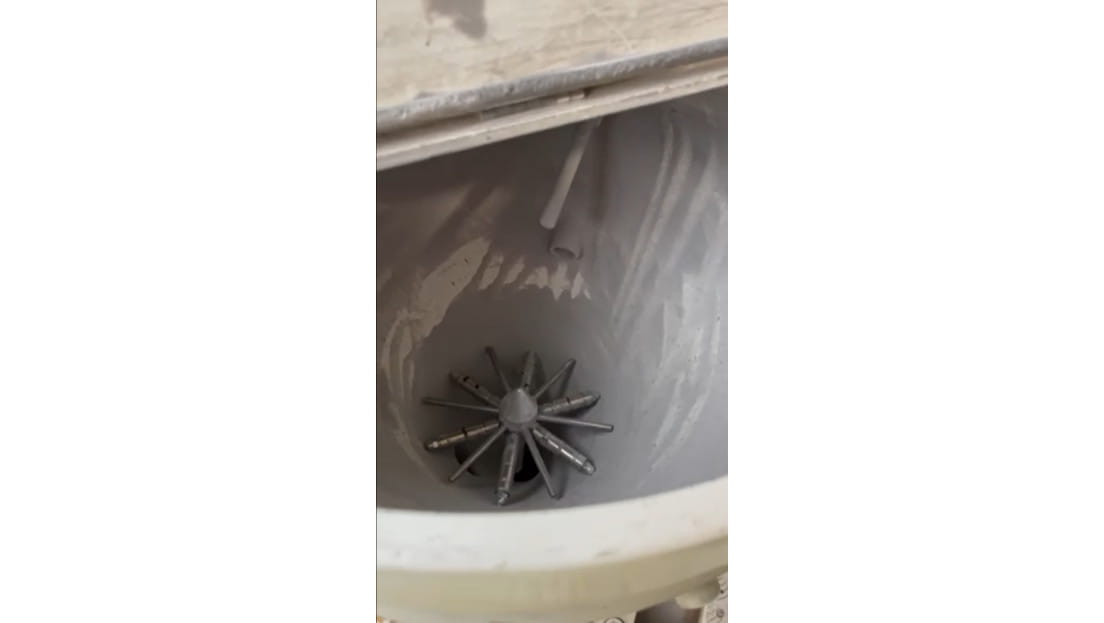
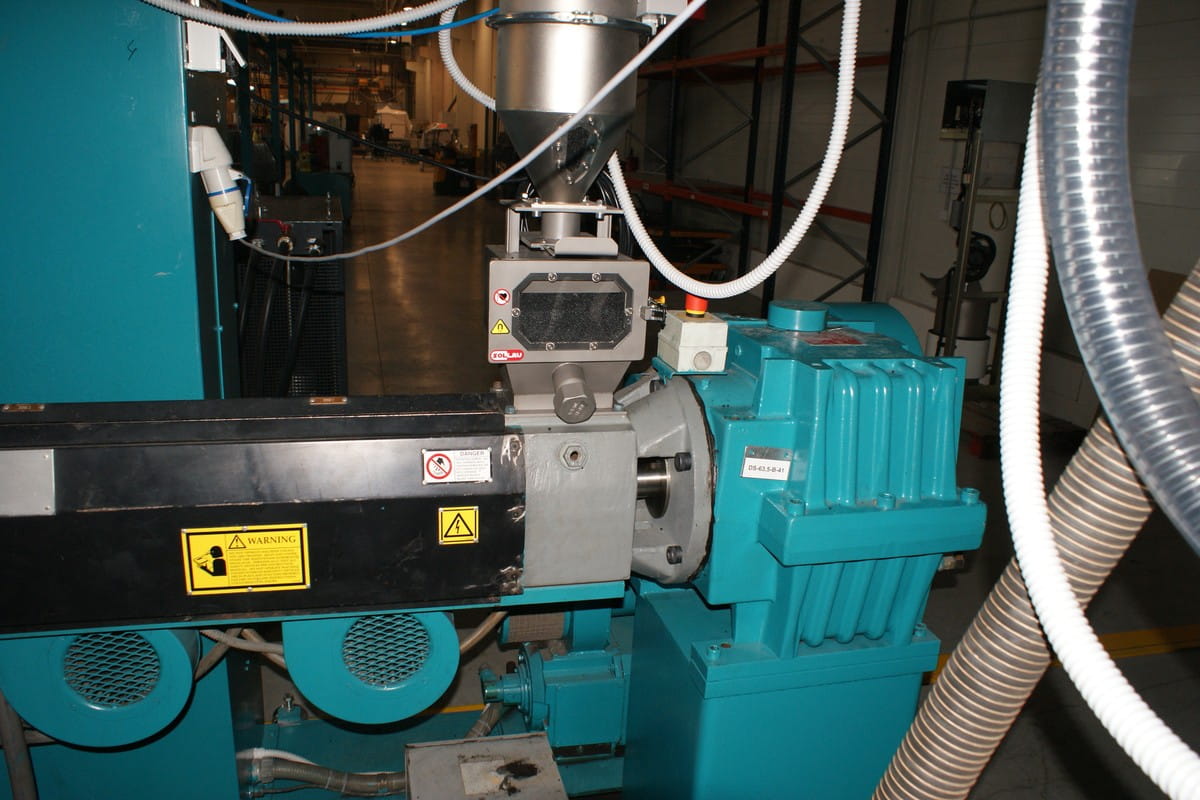
The TM magnetic separator is inserted directly into the conical hopper of the injection molding machine and captures ferromagnetic particles from freely falling granulate or regrind. The TM FL version with a plate flange directs 100 % of the material onto the magnetic tubes. Where higher throughput is needed or the emphasis is on a lower price, the SM star is used.
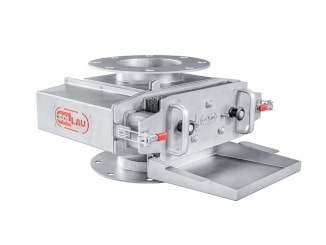
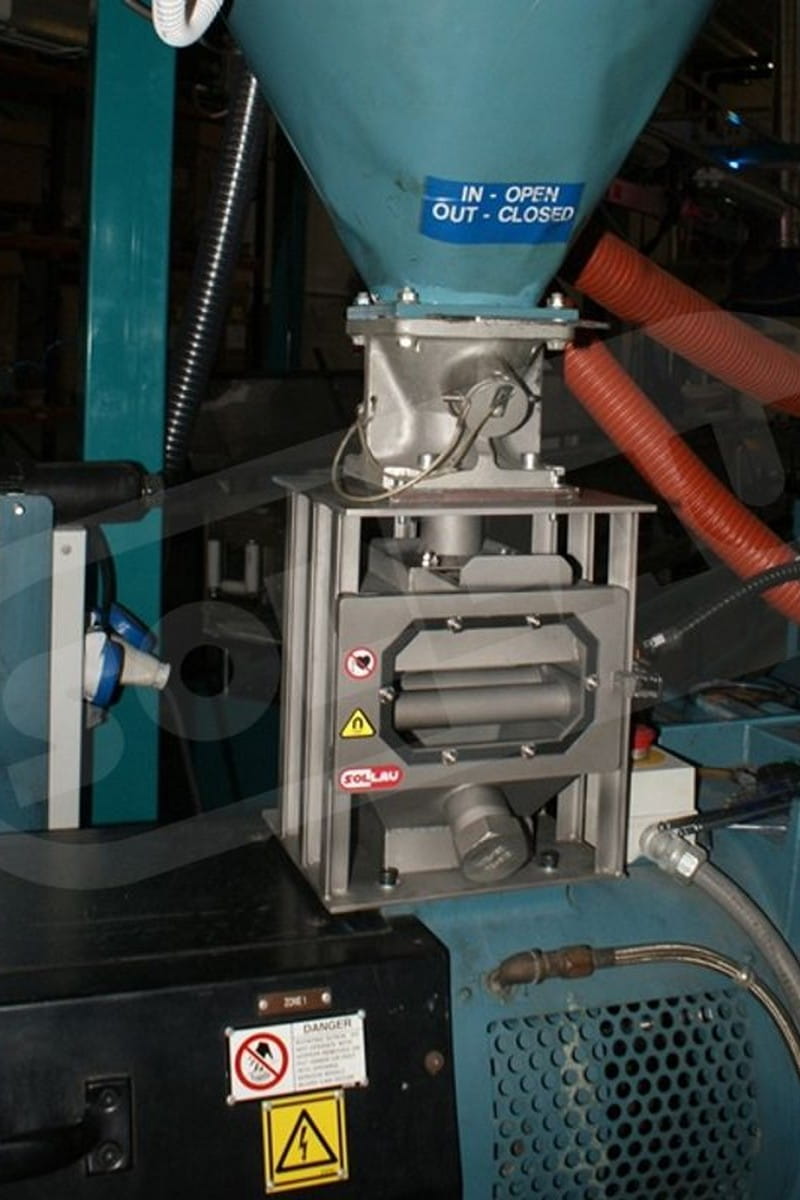
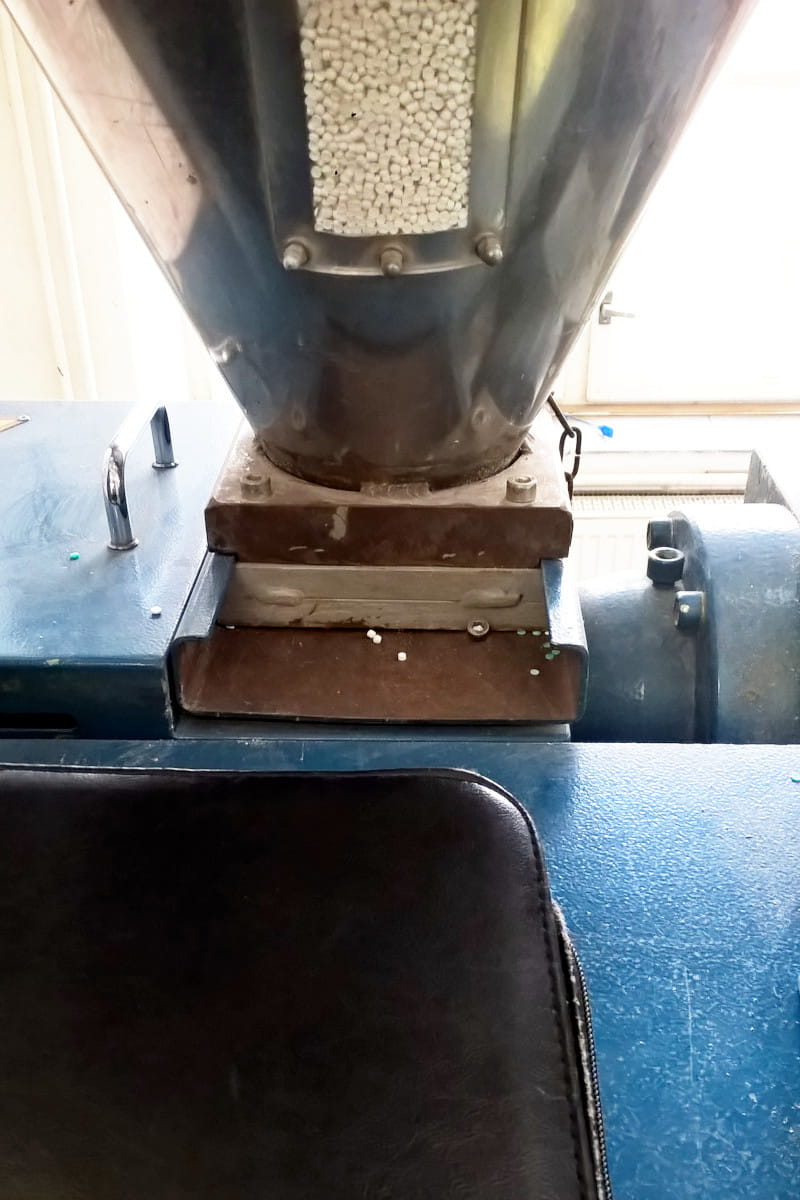
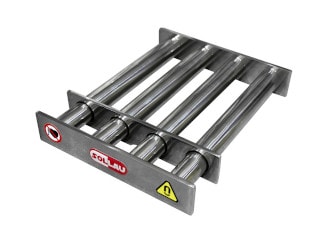
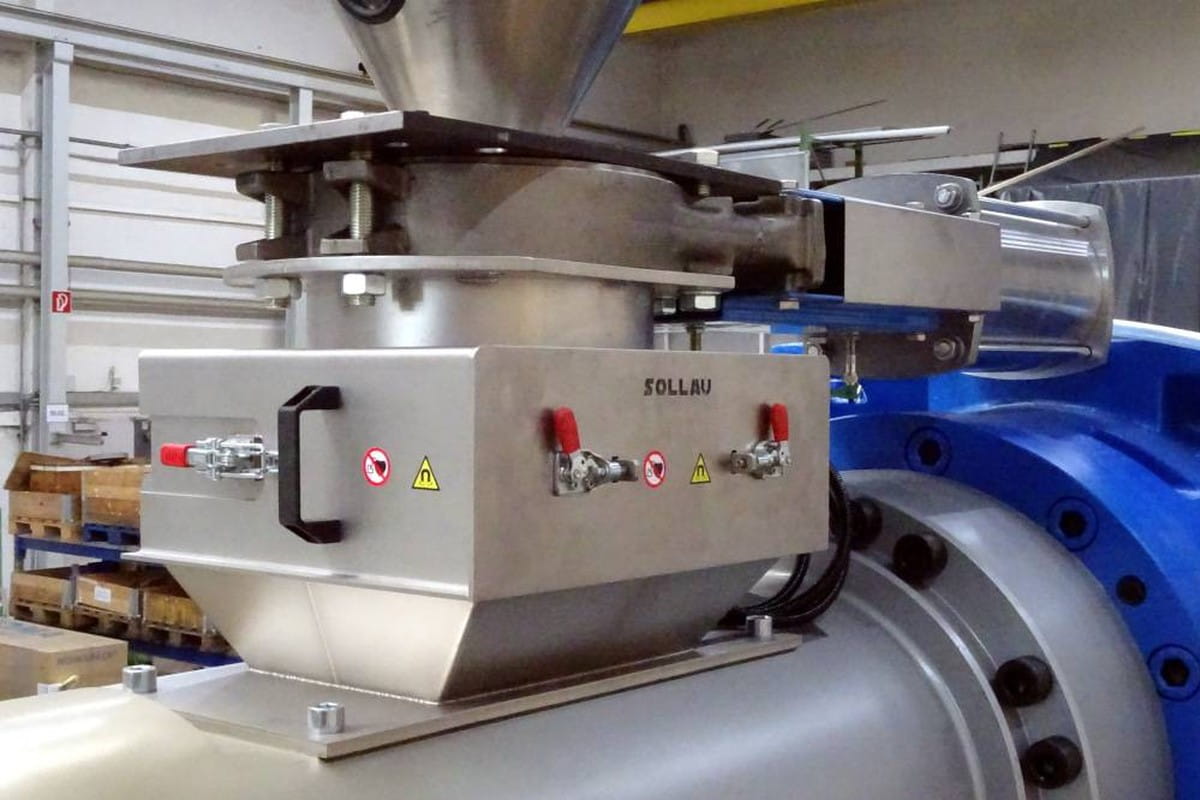
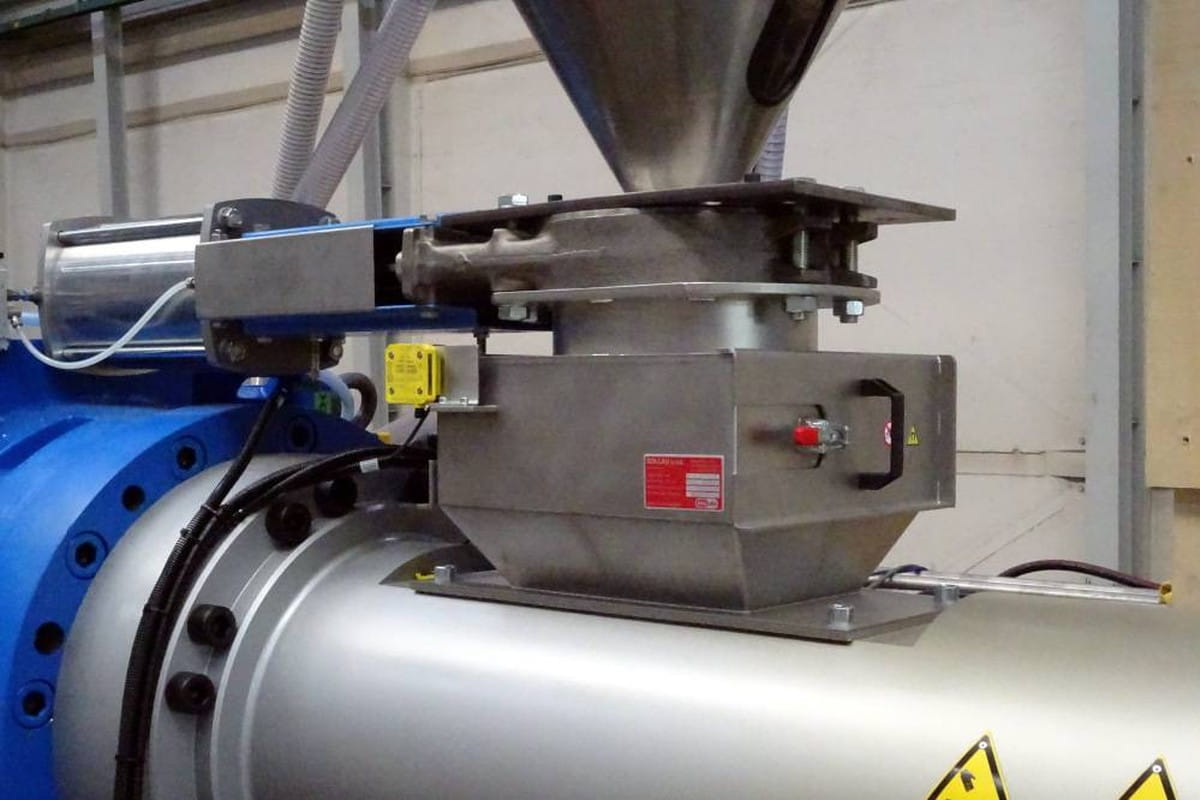
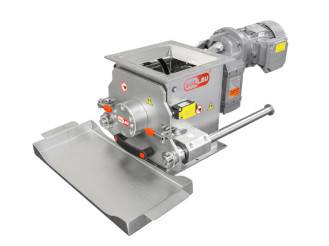
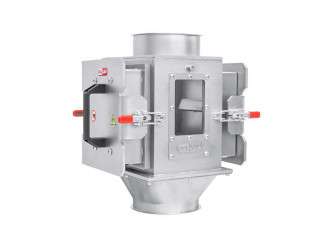
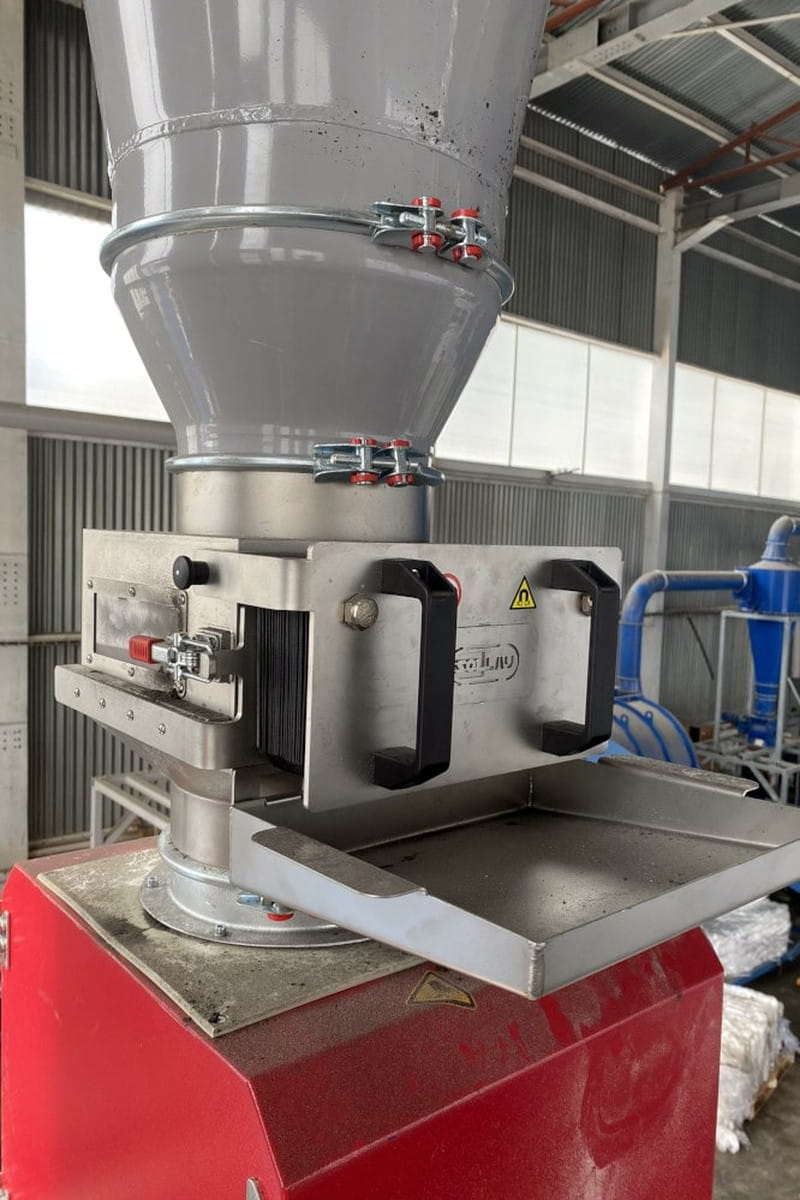
The MSS-MC drawer-type grate separator is installed between the dryer and the machine hopper or directly under the hopper of the injection molding machine. In that case we manufacture the MSS-MC separator with a reinforced construction so that it safely bears the weight of the hopper.
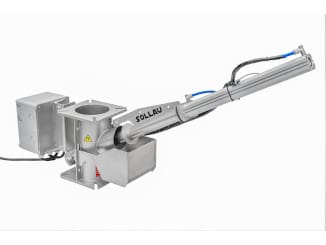
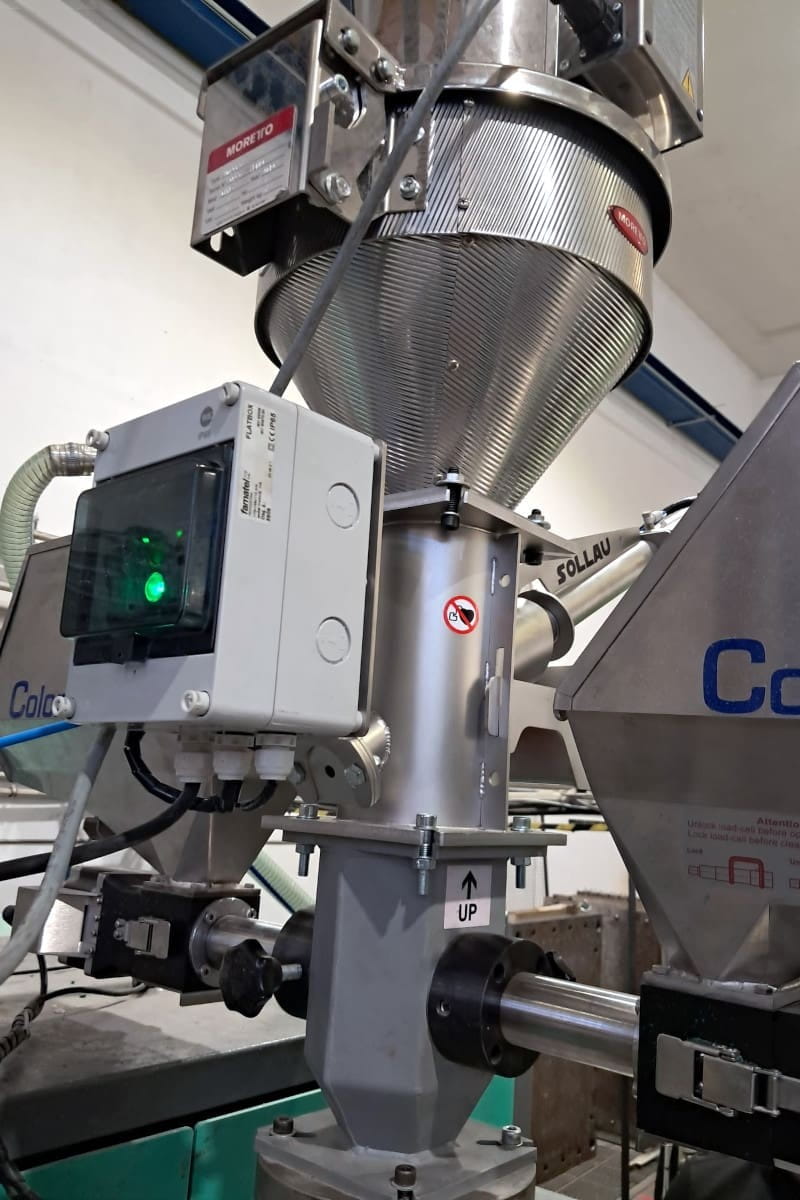
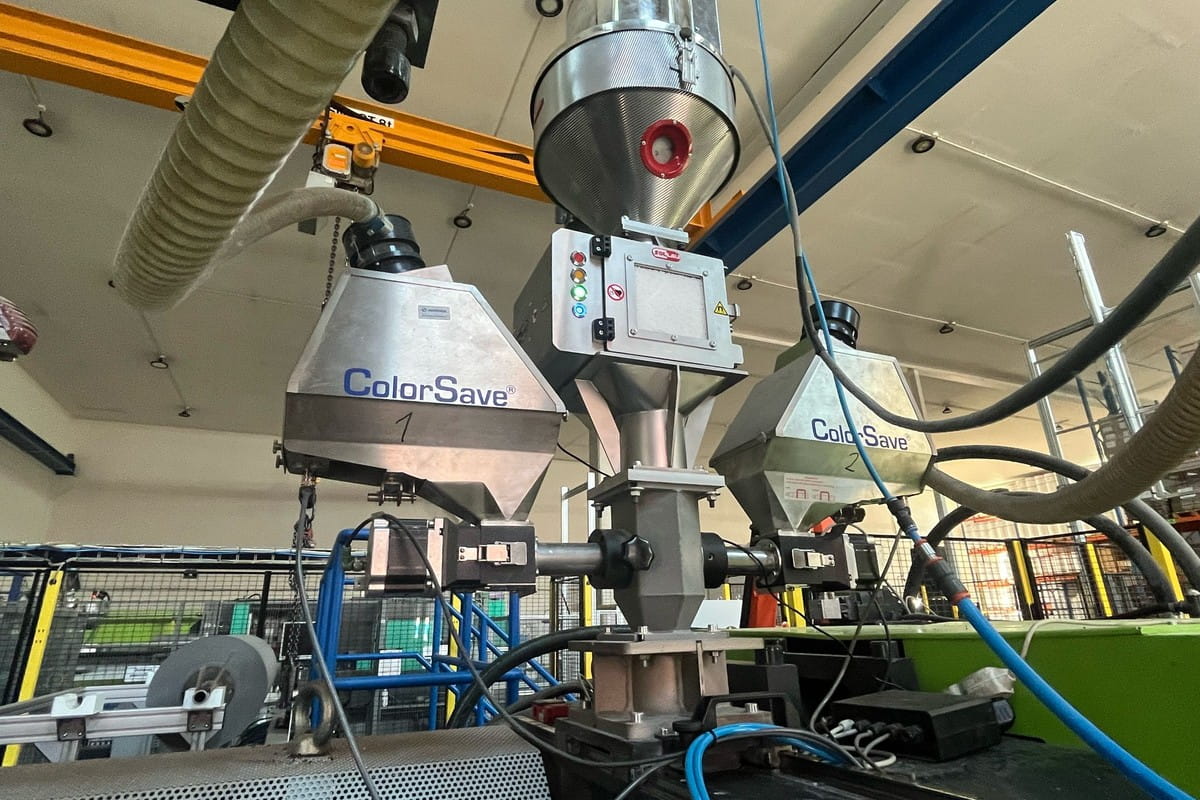
If the granulate is more contaminated or cleaning without operator intervention is required, a suitable solution is the automatic MSS-AC WORM magnetic separator. It is designed for installation directly under the hopper of the injection molding machine. It has a reinforced stainless steel body to bear the column of granulate and the whole hopper weighing approximately 200 kg. The advantage of the device is that separation takes place automatically and reliably even when completely filled with material.
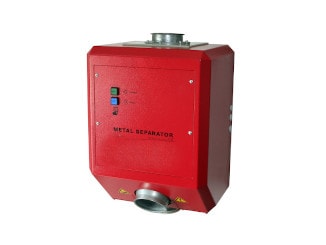
The PLASTRON 05 K gravity metal detector – developed specifically for slowly flowing material columns at injection molding machines – is mounted above the hopper inlet and removes non-magnetic metals as well. Combined with magnetic separation, it thus provides comprehensive protection of the injection molding machine against both ferromagnetic and non-magnetic metal contaminants.
What problems it solves: damage to the screw and melting chamber, clogging of nozzles and hot runners, destruction of the injection mold, scrap rate caused by metals in regranulate. The equation holds: a damaged injection-machine screw = costs in the hundreds of thousands and days of downtime.
Benefit for the customer: protection of the most expensive parts of the machine and safe processing of cheaper recyclate without risk.
Extrusion and blow molding
During the extrusion of films, sheets, profiles, pipes and fibers, as well as during the blow molding of hollow bodies, the material passes through the extruder screw and the melt filter. Metal particles cause two typical problems here: mechanical damage to the screw and barrel, and rapid clogging of the melt-filter screens, which leads to frequent changes and fluctuations in melt pressure.
The following equipment is most often used in extrusion and blow molding:
The separators are installed in the hopper or in the material chute just before the entry into the extruder. In addition, the MSS-MC ALARM drawer-type grate separator alerts the operator to the saturation of the magnetic tubes – cleaning takes place in time and there is no risk of captured metals being dragged back into the material. The gravity metal detector is placed downstream of the magnetic separator and removes the remaining non-magnetic metals.
What problems it solves: clogging of melt-filter screens, damage to the extruder screw and barrel, holes and defects in films, fiber breaks.
Benefit for the customer: longer screen change intervals, stable melt pressure, higher quality of the extruded product and fewer interruptions to continuous production.
Compounding, masterbatch and powder materials
In the production of compounds and masterbatches, polymers, pigments, fillers and additives are processed – often in the form of fine powders (e.g. PVC powder). Metal impurities arise here from the wear of mixers, mills and conveying routes. With masterbatches, cleanliness is critical: even a microscopic Fe particle causes a color defect or a black spot in the customer's final product.
The following equipment is most often used in the production of compounds and masterbatches:
The MSR-MC rotational separators are installed in the chutes of powder materials – the rotating magnetic grate prevents the powder from bridging and ensures that all the material contacts the magnetic tubes.
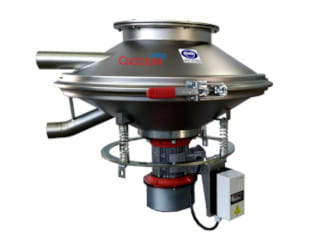
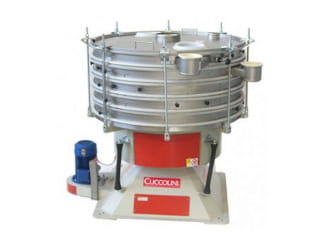
For materials with poor flow properties that would clog a classic grate, the ML chute magnet is intended. In continuous operations with a higher occurrence of impurities, we recommend the self-cleaning MSS-AC separators – they clean automatically without operator intervention and without stopping production. Vibrating screens are placed before packaging or dispatch: they remove agglomerates, oversized particles and dust and ensure the precise grain size of the product.
What problems it solves: fine Fe particles from machine wear, color defects of masterbatches, lumps and agglomerates in powders, complaints from buyers.
Benefit for the customer: demonstrable product cleanliness, meeting the quality requirements of buyers (e.g. automotive) and automatic operation with no need for an operator.
Crushing of sprues and internal recycling (regrind)
Sprues, overflows and reject parts are crushed directly at the machines or in a central crushing room and returned to production. Regrind is economically advantageous but risky: fragments of crusher knives, metal inserts from reject parts or impurities from handling get into the regrind.
The following equipment is most often used in the crushing of sprues and internal recycling:
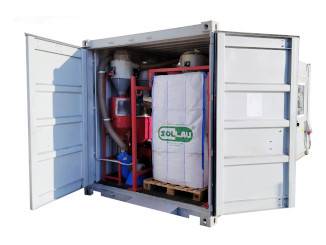
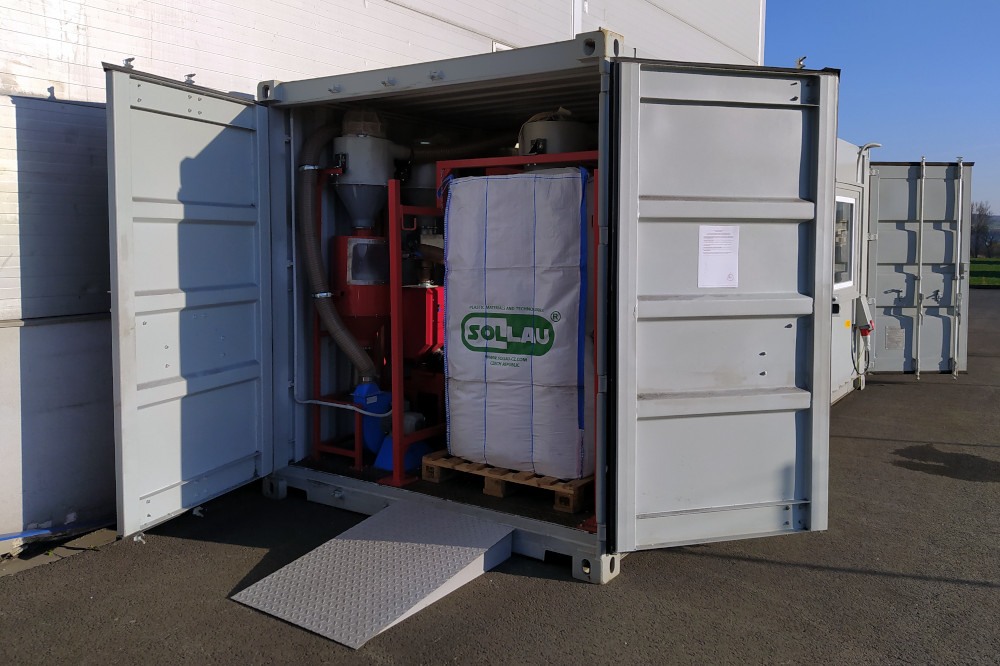
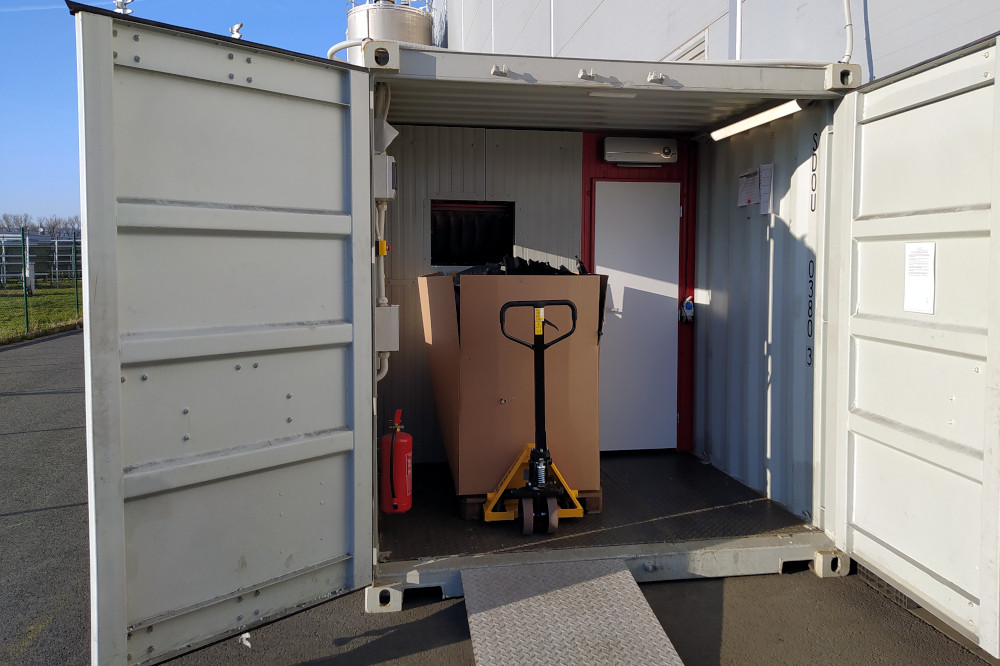
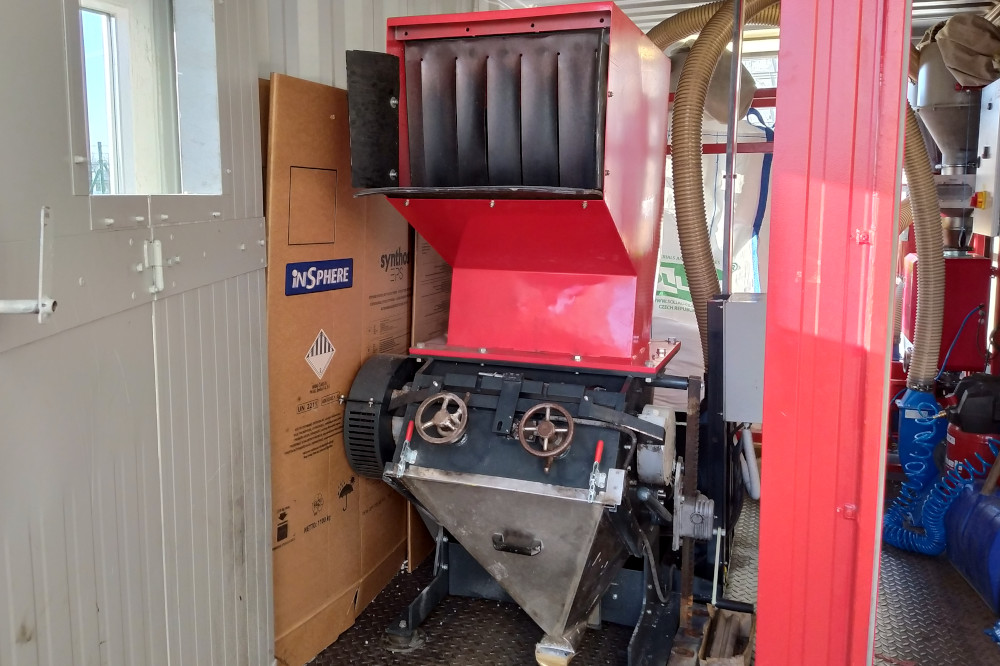
The main solution for the internal recycling of plastic waste is the mobile crushing and sorting line – a complete technology for processing waste directly in production. The line contains a crusher, a dust collector, a magnetic separator and a metal detector. The regranulate is filled directly into big bags, which facilitates handling. External crushing and the return transport of regrind are eliminated, the customer keeps the process under control and reduces logistics costs. The whole line is built into a shipping container, so it can be placed directly in the operation or outdoors.
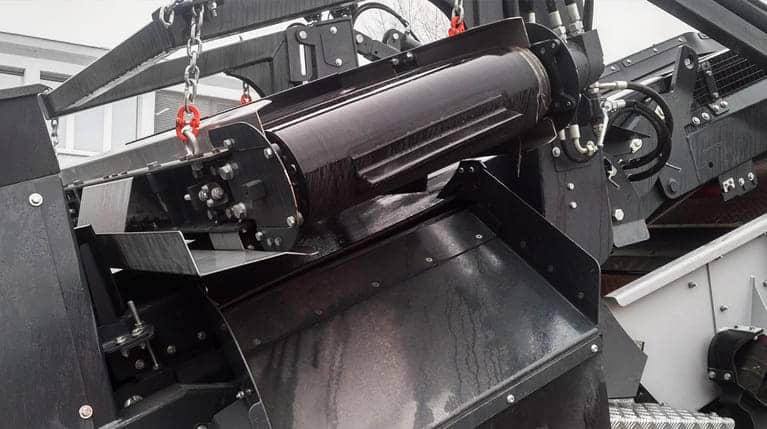
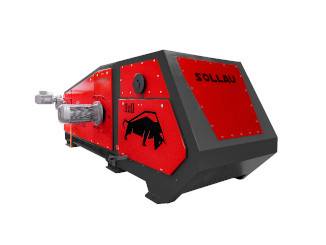
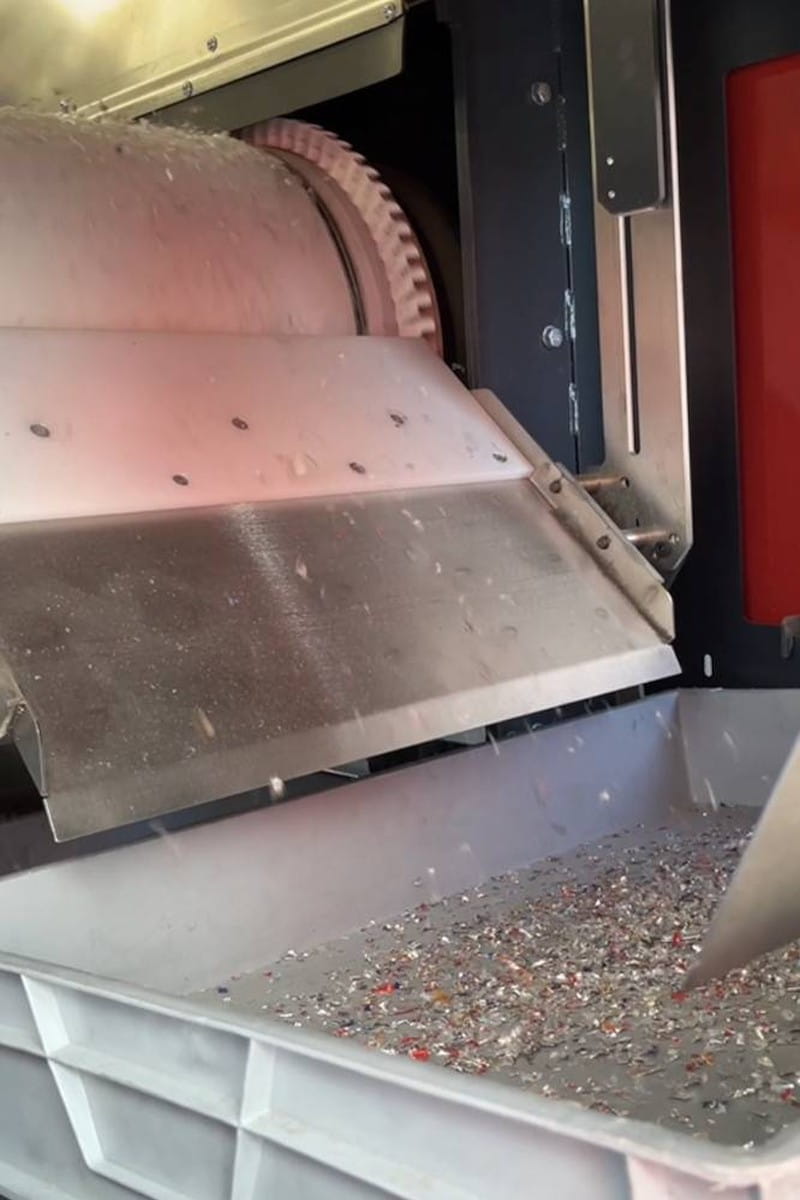
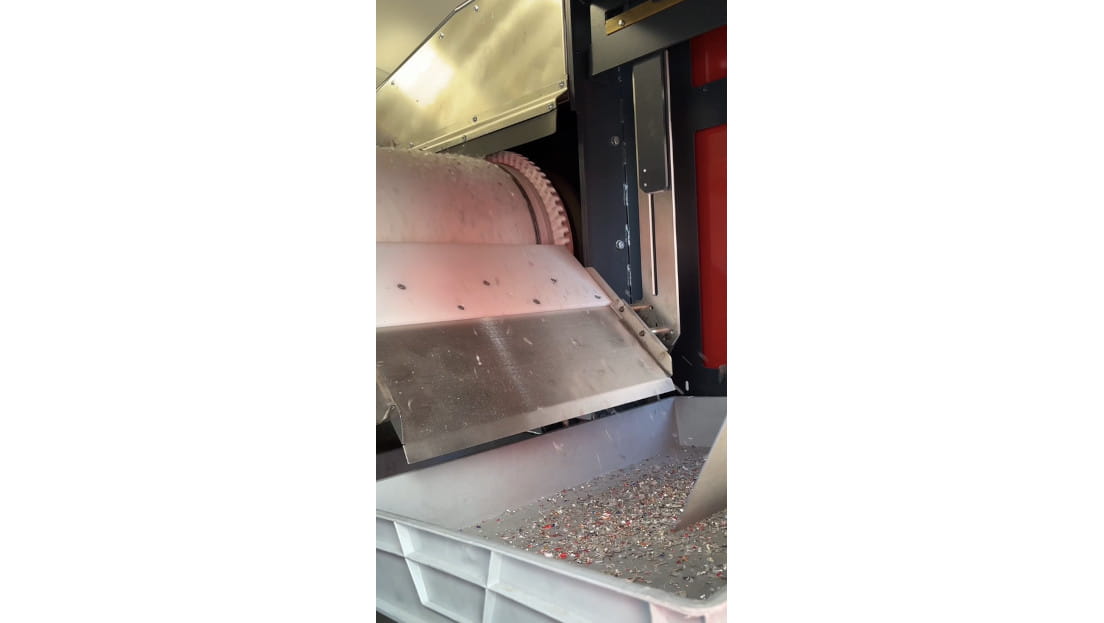
For operations that need to continuously separate metals from a larger quantity of regrind or crushed material, the MBZ magnetic drums are suitable. They ensure the continuous and automatic separation of ferromagnetic particles from bulk materials and protect downstream technologies such as crushers, mills, presses or injection molding machines. The advantage is unattended operation, automatic cleaning without interrupting the material flow and high efficiency even under heavy Fe-particle contamination.
What problems it solves: crusher knives destroyed by metal inserts, knife fragments in the regrind, damage to injection molding machines during the reprocessing of regrind. The equation holds: a knife fragment in the regrind = a destroyed screw of the downstream machine.
Benefit for the customer: safe use of 100 % of internal waste, savings on primary material and protection of crushers and downstream machines.
Recycling of plastic waste and production of regranulate
The recycling of post-consumer and post-industrial plastic waste (PET bottles, films, HDPE, engineering plastics) is the fastest-growing segment of the field. Plastic waste contains a large amount of metals: wires from bales, aluminum caps, cans, clips and small iron impurities. The metals must be removed both to protect the crushers and extruders and for the resulting cleanliness of the regranulate.
The following equipment is most often used in plastics recycling:
Magnetic separation in a recycling line takes place in several stages:
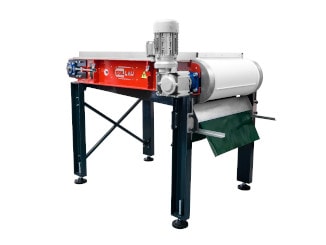
- After debaling, a self-cleaning DND-AC magnetic plate is suspended above the belt conveyor upstream of the crusher – it removes large iron pieces (wires from bales, cans) and protects the crusher.
- After crushing, the material passes through an MBZ magnetic drum in housing, which continuously removes smaller Fe impurities – screws, clips and fine wires.
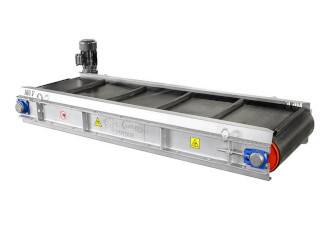
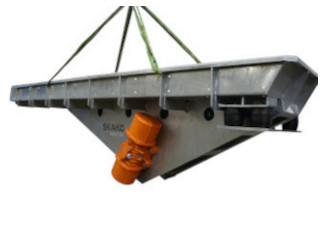
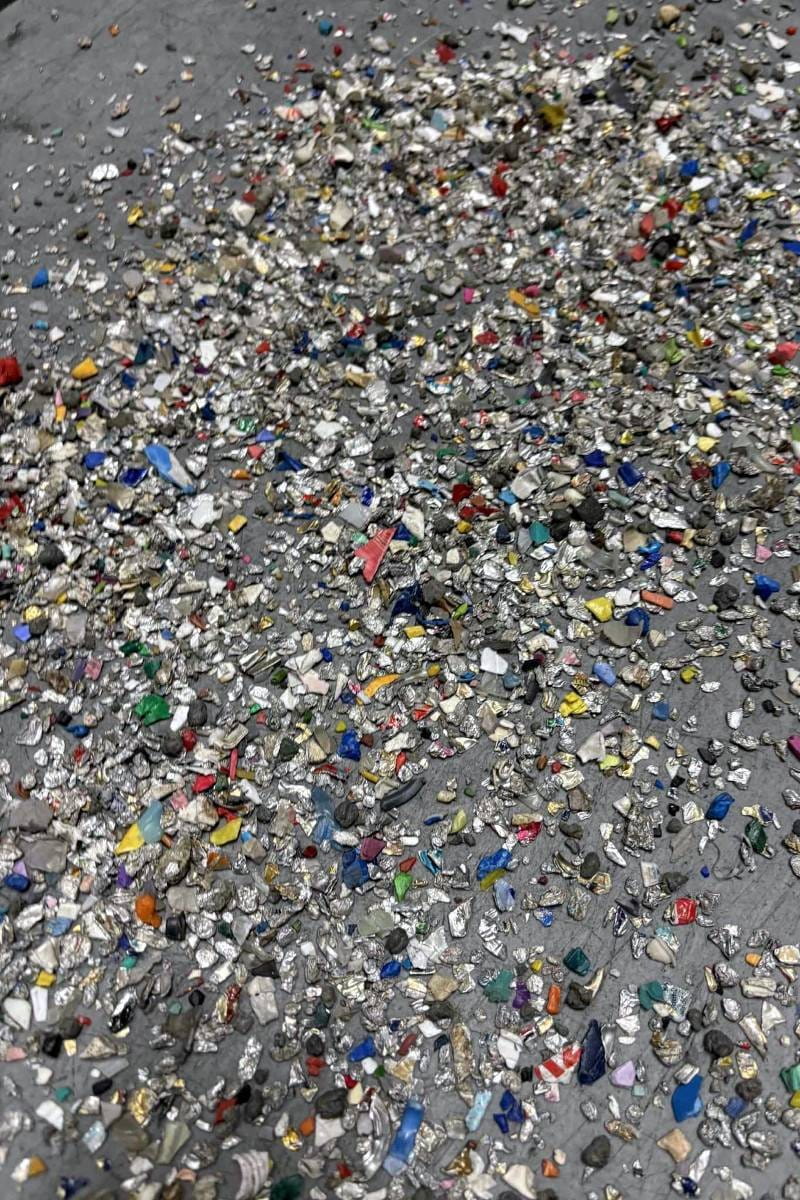
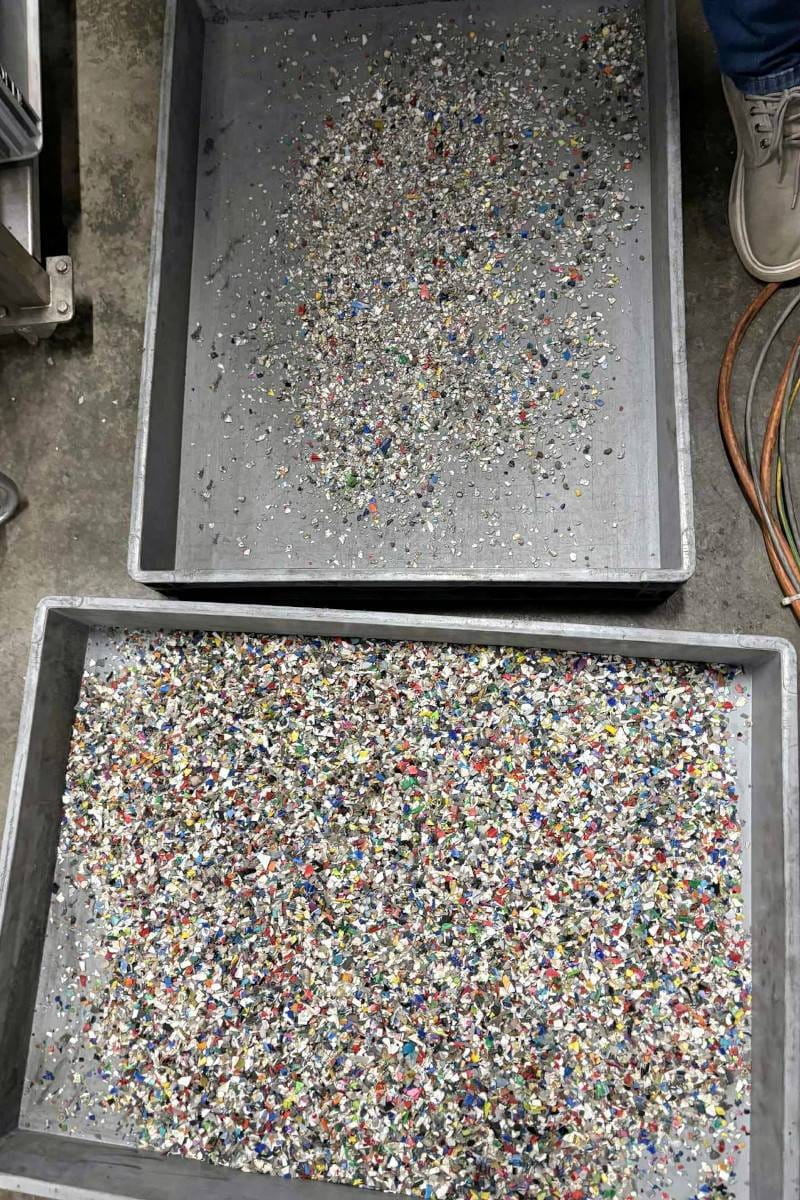
- The ECS eddy current separator uses eddy currents to separate aluminum caps and films from PET flakes. A vibrating conveyor ahead of it spreads the material into an even layer – a condition for effective separation.
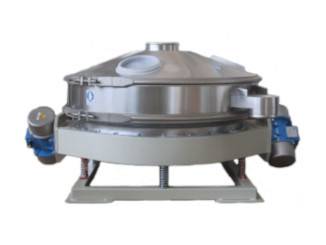
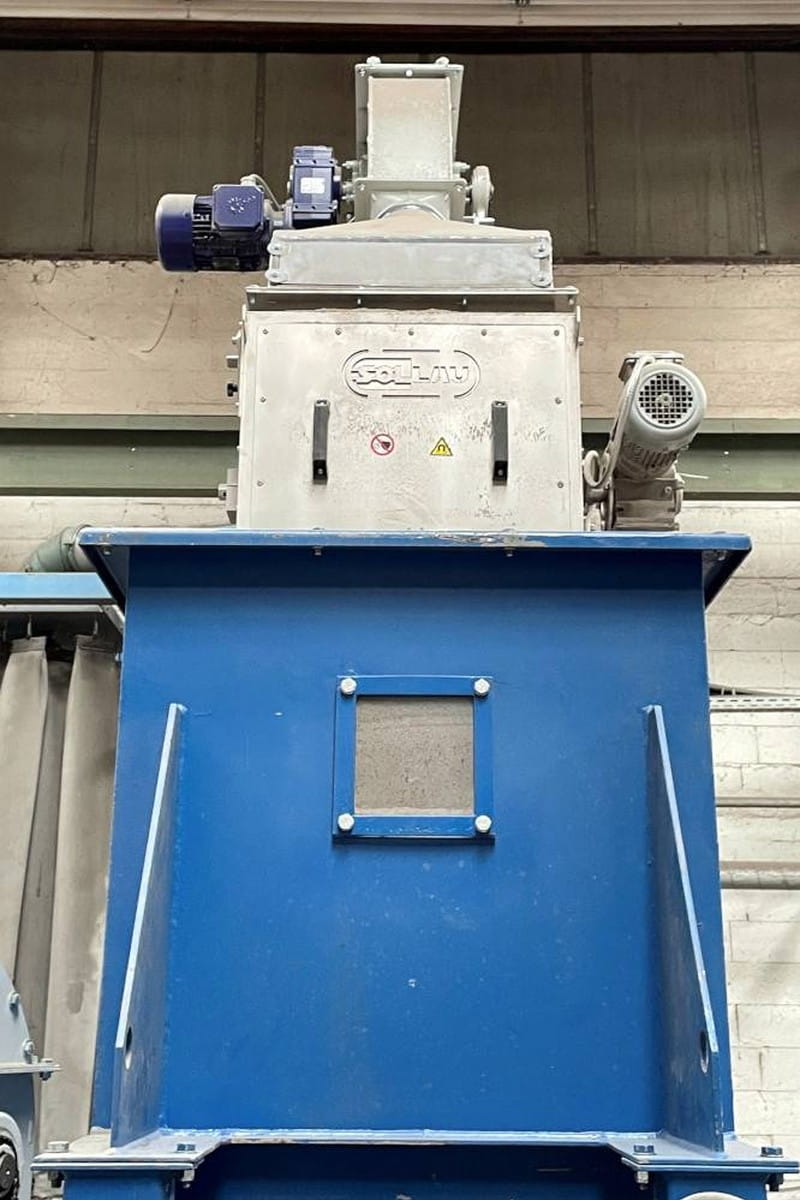
- Vibrating screens sort the crushed material and flakes into the required fractions and remove dust.
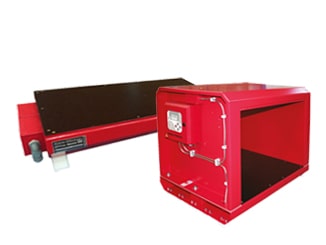
- Upstream of the regranulation extruder, a metal detector is placed as a last safeguard, removing even residual stainless steel.
What problems it solves: destroyed crusher rotors, metals in PET flakes and regranulate, aluminum in the material for further processing, insufficient cleanliness for regranulate buyers.
Benefit for the customer: a higher purchase price for clean regranulate, protection of the entire line and the ability to process even heavily contaminated cheap waste. We also design complete custom sorting lines.
 The plastics industry covers the processing of plastic granulate and recyclate by injection molding, extrusion and blow molding technologies, the production of compounds and masterbatches, and the recycling of plastic waste. Plastic parts are used in the automotive industry, packaging, construction, electrical engineering and healthcare.














 +420 773 323 773
 petr.zbranek@sollau.cz